The Retreat Architecture
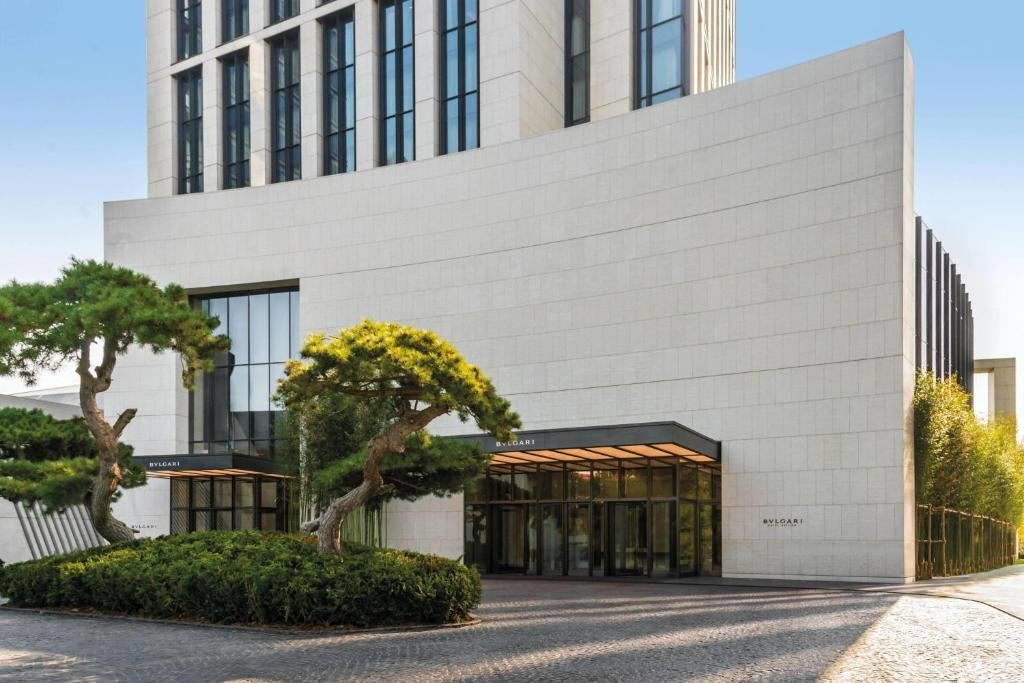
Wellness programming in Beijing's luxury hotels has historically been an amenity rather than a structural commitment. Bvlgari Hotel Beijing treats it differently, building spa, fitness, and recovery into the property's physical fabric rather than attaching them as afterthoughts. The 11-room Bvlgari Spa operates below grade, where the indoor pool area is clad in volcanic stone with corner columns and calibrated low lighting that recalls the proportions of a Roman bath. The reference is deliberate: the mosaic-tile pattern inlaid with real gold and green tiles echoes the ancient Terme di Caracalla. Private cabanas line the pool perimeter; a vitality pool fitted with massage jets occupies a separate zone. The subterranean setting eliminates the ambient noise of the city entirely, which in a capital of Beijing's scale is not a minor consideration.
The spa menu holds a dual cultural position. Treatments draw from both Italian and Chinese traditions, with offerings such as Himalayan Crystal Healing and an Intense Protection Ritual sitting alongside the property's broader Italian material palette. This is a more considered synthesis than the generic East-meets-West framing common in the category. Steam showers are available in select rooms, and the spa's 11 treatment rooms allow for sequencing through multiple therapies without the compressed scheduling that limits smaller facilities.
The fitness component is handled by Workshop Gymnasium, founded by personal trainer Lee Mullins and built around holistic movement assessment, metabolic testing, and nutritional guidance. Guests who travel with an existing Workshop programme receive integrated services at the Beijing property, including recommended menu coordination with the hotel's dining team and complimentary spa access. For a city where high-functioning business travel and recovery travel increasingly overlap, this kind of programmatic continuity carries practical weight.
Rooms with River Orientation
All 119 accommodations share a consistent material vocabulary: walk-in closets, black granite soaking tubs, separate travertine shower enclosures, sound-insulating vertical wood panelling, and plush carpeting that reduces the acoustic footprint between floors. The floor plan is designed for privacy, with two connected suites per floor that suit multi-generational or group travel configurations. In-room check-in is standard across the property, removing the lobby transaction entirely.
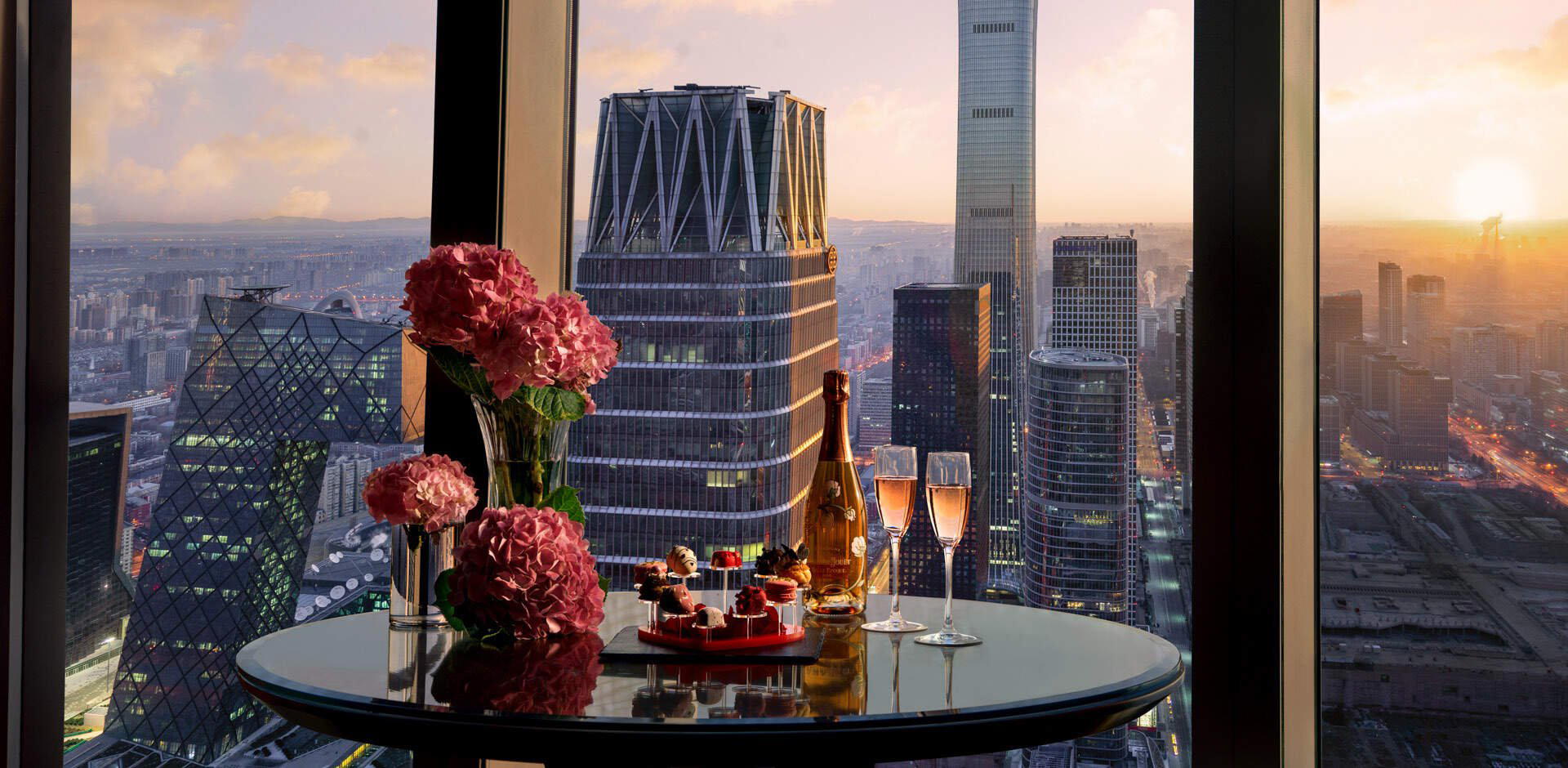
The hierarchy of room types progresses meaningfully. The west-facing Terrace Suite extends across 2,098 square feet and includes an outdoor entertaining area with catering facilities, making it functional for groups travelling with staff or hosting privately. The Bvlgari Suite reaches 4,090 square feet, with Murano glass chandeliers, floor-to-ceiling windows, a private sauna, and a dedicated spa treatment room. At that scale, the suite operates as a self-contained residence rather than an upgraded room. Rooms on the southeast corner hold the clearest view of the Liangma River, where activity shifts by season: fishing and swimming in warmer months give way to ice skating in winter.
The property's service architecture extends beyond the room itself. Suite guests receive 24-hour butler access. Concierge engagement begins before arrival via WeChat, allowing the team to map requirements before check-in rather than reacting to them on arrival. The hotel's Maserati limousines are available for city transfers, positioning the property's ground transportation in the same tier as China World Summit Wing and Eclat Beijing rather than standard hire-car arrangements.
Il Ristorante and the Broader Table
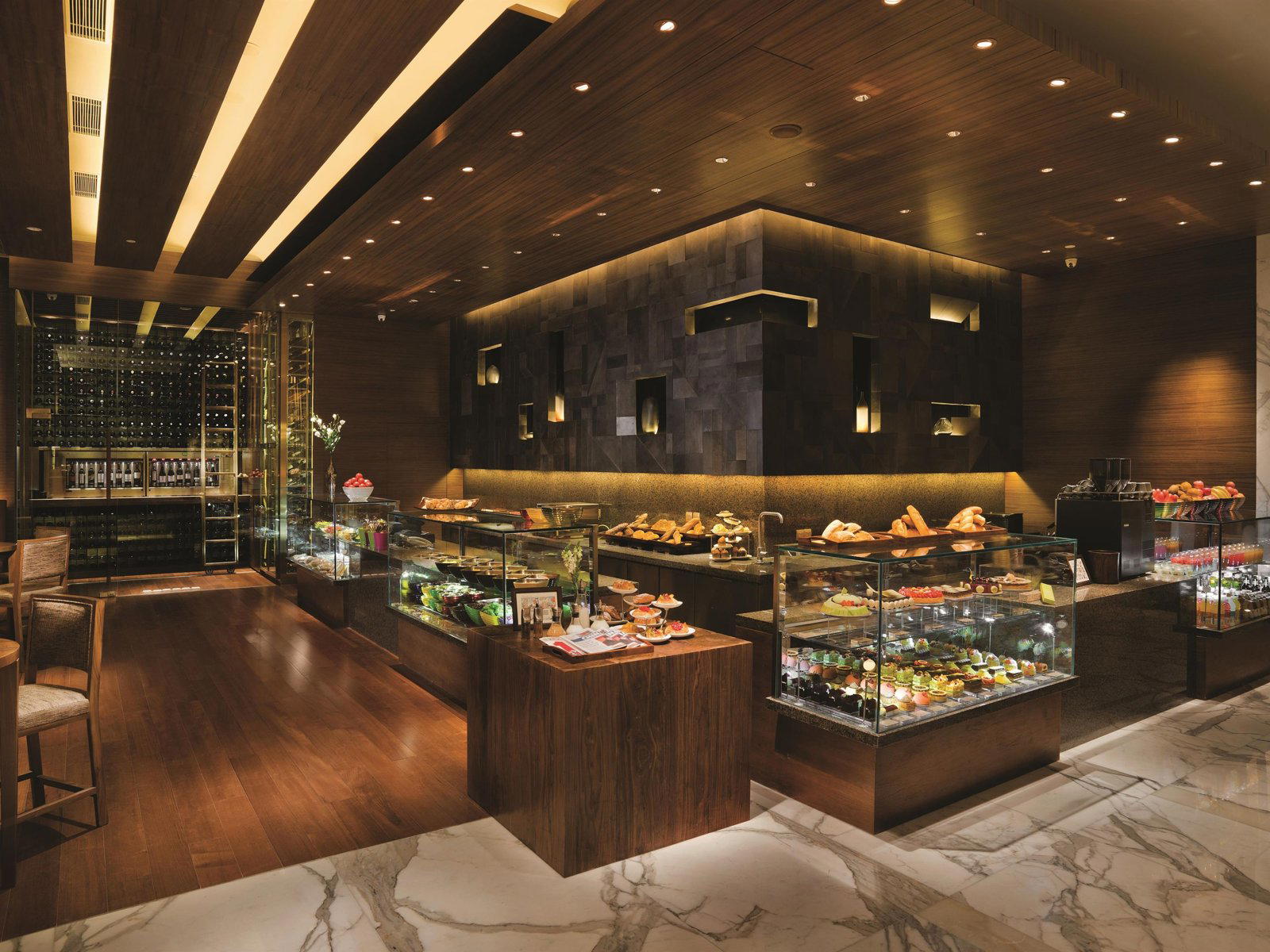
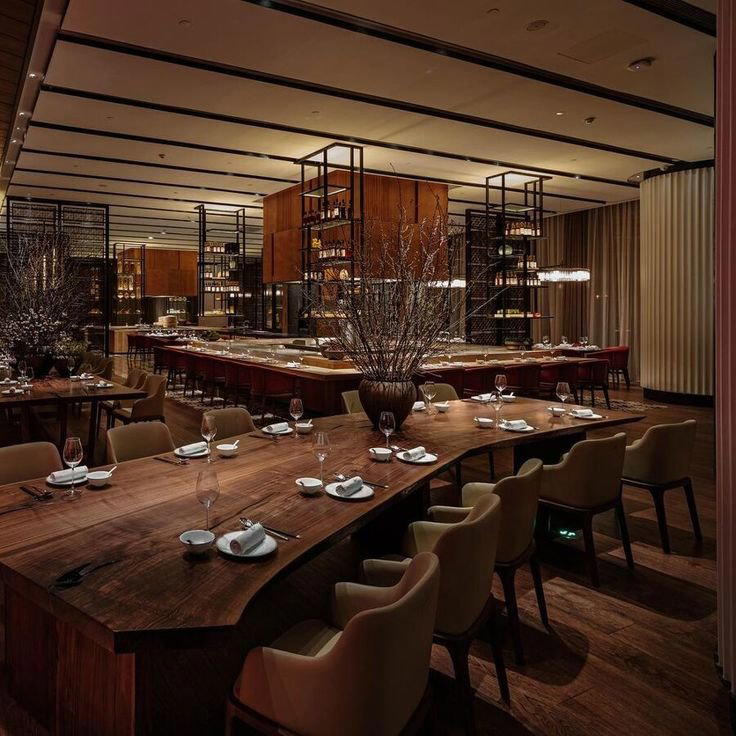
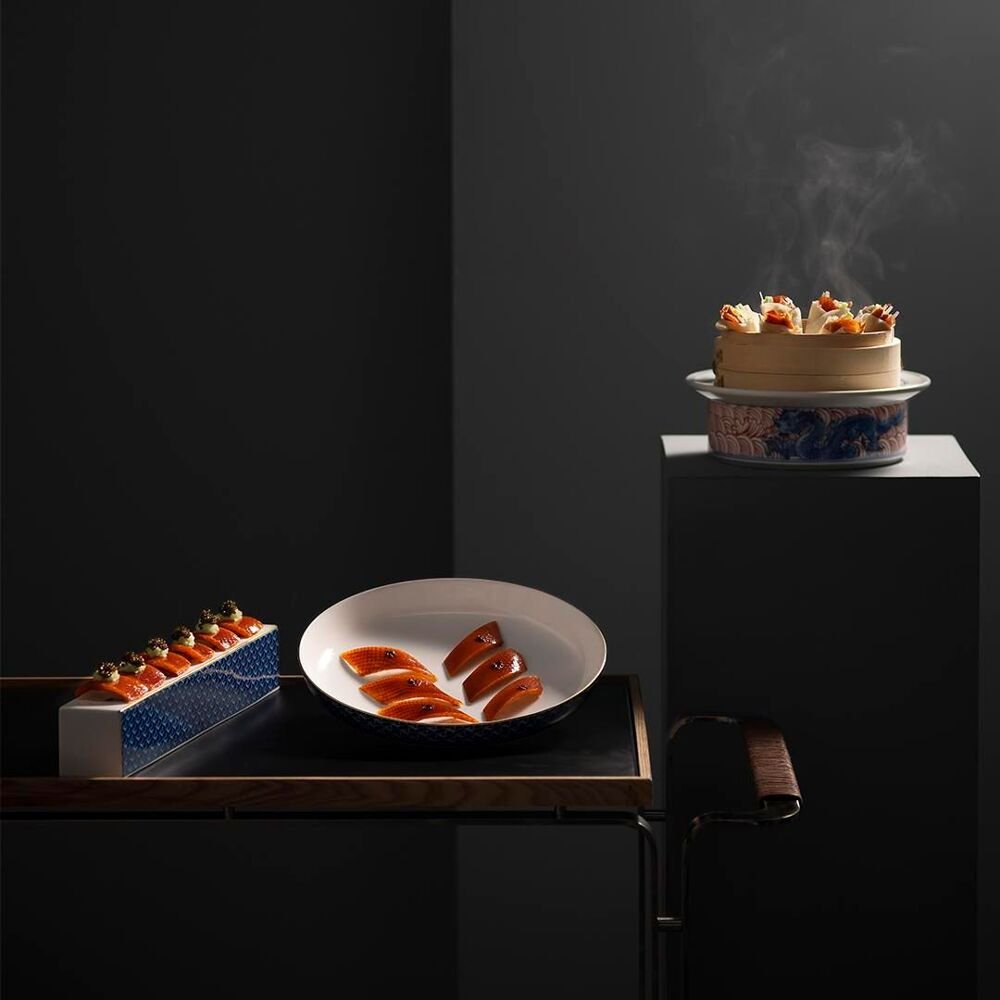
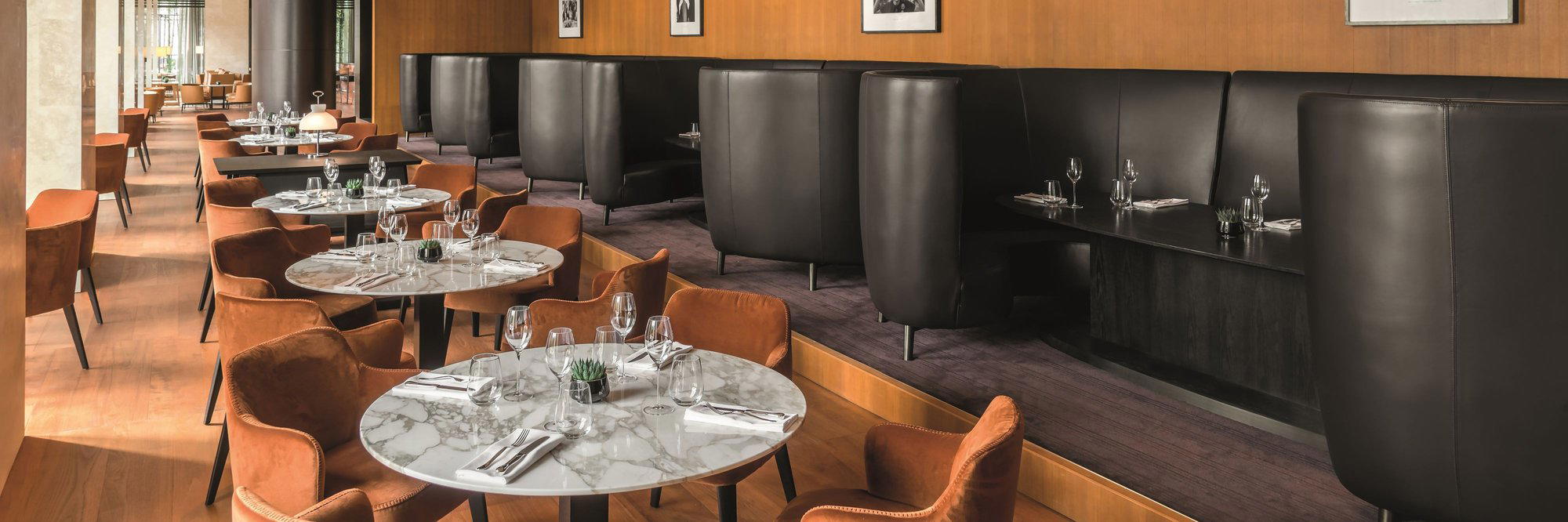
Italian hotel dining in Asia operates on a spectrum from superficial branding to genuine culinary conviction. Il Ristorante at Bvlgari Hotel Beijing occupies the latter position. The restaurant holds a Michelin star and operates under the culinary direction of Niko Romito, whose philosophy centres on simplicity and premium sourcing. The wine list runs to more than 500 labels. The bar, Il Bar, hosts guest bartenders on a rotating basis and offers private cocktail-making classes by arrangement when those residencies are not in session. Breakfast is available around the clock, removing the scheduling friction that affects early departures and late arrivals equally.
Each floor of the hotel carries framed illustrations drawn from the Bvlgari jewellery archive, tracing the house's origins to the 19th century. This is not incidental decoration: it establishes the property within the Bulgari brand's identity as a luxury goods house first, with hospitality as a downstream expression of that identity. The Bvlgari toiletry programme and 300-thread-count linen by Rivolta Carmignani operate within the same logic. The minibar is complimentary and stocked with Italian confectionery. Berluti shoe-shine service is available. These are details that read differently depending on what a guest considers relevant, but collectively they define a service tier that aligns with the property's award positioning.
Beijing Placement and the Chaoyang Context
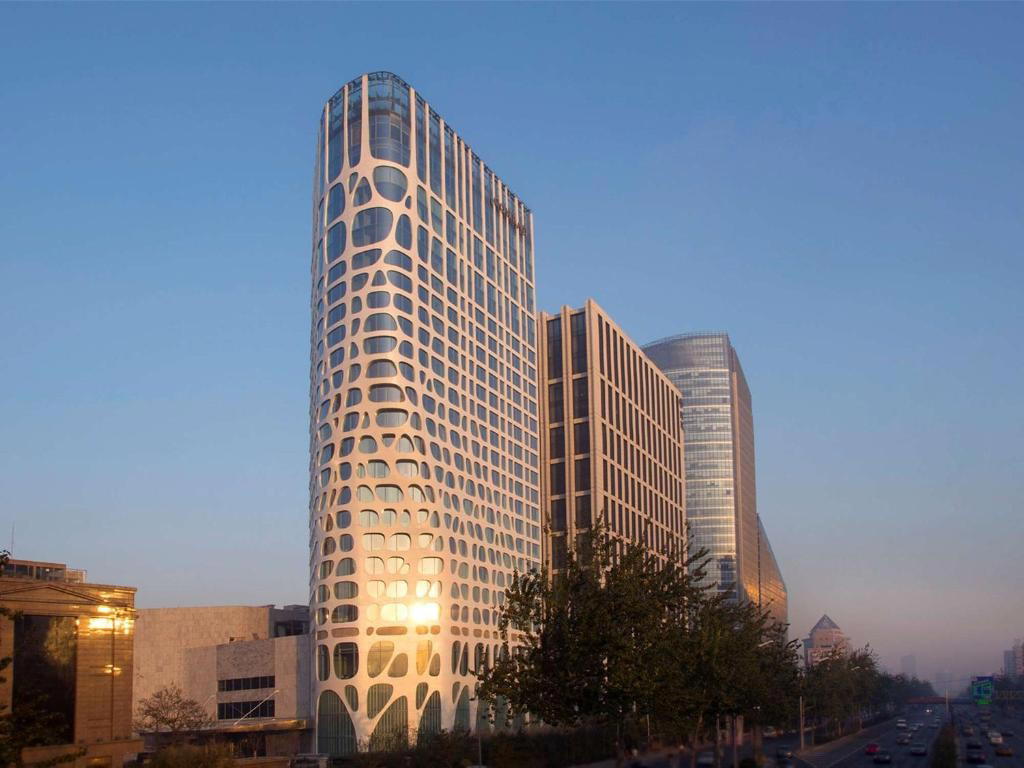
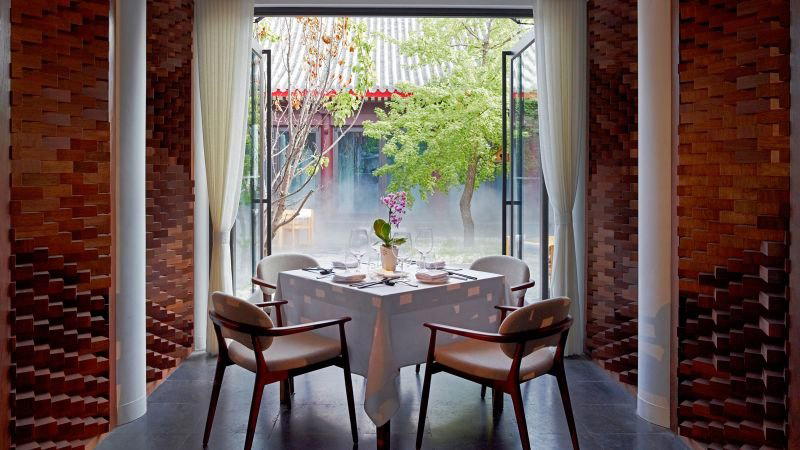
Chaoyang holds Beijing's embassy quarter, its design galleries, and Sanlitun's commercial concentration within relatively close reach. The Bvlgari Hotel Beijing's position on Xinyuan South Road places it adjacent to the Liangma River corridor, a stretch that functions as one of central Beijing's few genuinely walkable outdoor environments. Properties in this part of the district trade urban density for a more residential pace, which reinforces the retreat logic that runs through the hotel's programming. For comparison, Brickyard Retreat at Mutianyu Great Wall achieves a similar withdrawal from the city's intensity through geographic distance; Bvlgari Hotel Beijing achieves it through density of design and service within the city itself.
Elsewhere in China, properties with comparable retreat ambitions include Amanfayun in Hangzhou, Amandayan in Lijiang, and 1 Hotel Haitang Bay in Sanya, though each operates through a different environmental logic. The Bulgari model is the most urban of these, relying on architectural enclosure rather than landscape to create separation. For those extending across Southeast Asia or the Pacific, the brand's design consistency makes properties like Aman Venice and Aman New York useful reference points for understanding how boutique-scale luxury hotels calibrate differently across city types.
Planning Your Stay
Rates begin at approximately $758 per night. The property holds 119 rooms, and given the boutique scale and consistent award recognition, advance booking is advisable particularly for suite categories. Concierge engagement via WeChat prior to arrival is the recommended route for pre-trip logistics, from Great Wall tours to restaurant reservations. The hotel sits at Building 2, Courtyard No. 8, Xinyuan South Road, Chaoyang District, Beijing 100027. For broader orientation across the capital's dining and hotel scene, see our full Beijing guide. Those comparing options in the city's premium tier should also consider Fairmont Beijing Hotel, Conrad Beijing, and Hyatt Place Nanjing Xuanwu for a different price tier in the region.