Status-check profile: Tsurugyu at 3 Chome-5-14 Kawarayamachi, Chuo Ward, Osaka, 542-0066, Japan has unresolved or unverified current status after a June 22, 2026 audit. Verify directly before planning a visit.
- Address
- 3 Chome-5-14 Kawarayamachi, Chuo Ward, Osaka, 542-0066, Japan
- Phone
- +81 6 6767 2989
- Website
- tsurugyu.com
- Directions
- Get directions
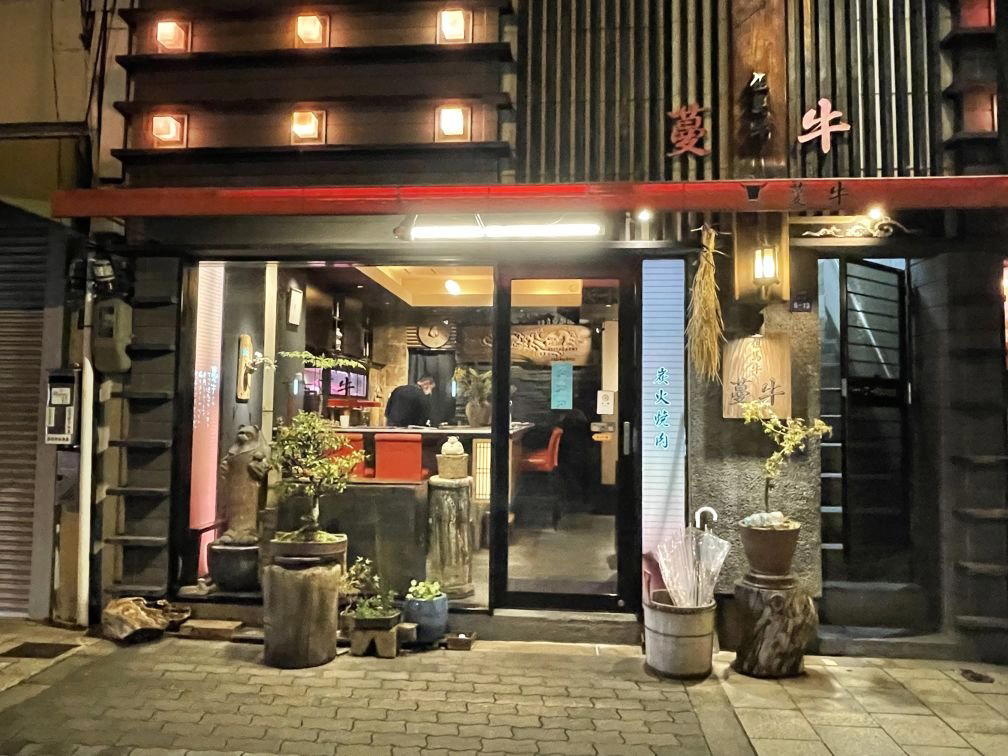
What Osaka Expects from a Wagyu Counter
Chuo Ward's dining strip along Kawarayamachi is the kind of address that doesn't need explanation to locals. This stretch of central Osaka has long operated as a pressure test for serious restaurants: the neighbourhood draws a clientele that eats out often, compares notes, and returns only when the quality holds. Tsurugyu, at 3 Chome-5-14 Kawarayamachi, sits inside that competitive geography, where wagyu specialists are measured not against tourist expectations but against each other.
Osaka has a distinct relationship with beef that separates it from Tokyo's more formalist approach. Where the capital tends toward ceremony and distance, Osaka's dining culture prizes directness and flavour that justifies its price on the plate. Wagyu in this city is consumed with a kind of informed appetite: diners here know the difference between marbling grades, understand how cooking method affects fat expression, and expect the kitchen to have an opinion about both. That context shapes what a restaurant like Tsurugyu is asked to deliver.
The Physical Register of the Room
The Kawarayamachi corridor rewards venues that commit to a specific atmosphere rather than trying to cover every register. Osaka's better specialty restaurants tend to either lean into the intimate, counter-led format that invites close attention to the food, or they create a more expansive room that absorbs group energy without losing focus. The address in Chuo Ward places Tsurugyu within walking distance of the Shinsaibashi shopping axis and the Namba entertainment zone, which means the foot traffic outside runs hot most evenings. Inside is where the temperature changes.
Japanese beef restaurants at the serious end of the spectrum typically use light, material, and spatial compression as tools. Warm indirect lighting over a counter allows the colour and texture of the meat to read properly before cooking. Wood or stone surfaces absorb sound without deadening a room. The physical arrangement of a teppan or grill counter places the kitchen act at the centre of the meal rather than behind a wall, which changes the pacing of an evening in ways that a conventional dining room cannot replicate. These are not decorative choices; they are structural ones that determine how the food is perceived.
Chuo Ward's better restaurants understand that atmosphere is not decoration applied over a menu. It is the framework inside which the menu is understood. The light level at which wagyu fat glistens matters. The quiet that lets a diner hear the contact of meat on a hot surface matters. In a district this competitive, restaurants that get those calibrations right hold their clientele; those that don't cycle out faster than the city notices.
Where Tsurugyu Sits in the Kansai Drinking and Dining Circuit
Serious beef restaurants in Japan rarely operate in isolation from the broader evening. The question of what to drink before and after a wagyu dinner is as considered as the meal itself, and Osaka's bar culture is equipped to handle both ends of that equation. Bar Nayuta in Osaka and anchovy butter (アンチョビバター) represent two distinct registers of Osaka's bar programme, from the craft-focused to the more snack-oriented, and either can function as an aperitif or digestif stop around a dinner in Chuo Ward.
The Kansai region supports a wider circuit for serious diners willing to move between cities. Bee's Knees in Kyoto and Lamp Bar in Nara sit within an hour of Osaka by rail and form a natural extension of any multi-day itinerary built around food and drink. Bar Benfiddich in Tokyo operates at a different scale and distance, but points toward the national standard that Kansai bars measure themselves against. For those extending further, Yakoboku in Kumamoto and JR Tower Hotel Nikko Sapporo in Sapporo Shi anchor the outer edges of a Japan dining itinerary that takes beef seriously from Kyushu to Hokkaido.
Internationally, Bar Leather Apron in Honolulu draws comparisons for its Japanese-influenced precision in a Western Pacific setting, and Cucina Takemura in Yokohama Shi shows how Japanese ingredient discipline translates across cuisine categories. These reference points matter because wagyu's global footprint has expanded, but the domestic standard remains the benchmark against which all other expressions are judged.
The Broader Wagyu Category in Osaka
Osaka's wagyu restaurant tier has stratified in a way that mirrors what has happened in Tokyo's omakase market. At the entry level, yakiniku chains and tourist-facing steakhouses absorb volume. At the mid-tier, competent specialists offer reliable quality at predictable price points. At the upper end, a smaller group of restaurants compete on sourcing specificity, cooking precision, and room quality in ways that overlap with how Michelin-adjacent Japanese restaurants are evaluated more broadly.
The pressure in this top tier is not from abroad but from within the city. Osaka has enough serious eaters, enough food-media attention, and enough competing options that restaurants cannot rely on novelty. Repeat visits are the real measure, and repeat visits depend on consistency at every level: the meat, the service rhythm, the atmosphere. Tempura Tarojiro illustrates how another specialist format in the same city operates under the same logic: narrow focus, high repetition of the core product, and an environment calibrated to the meal.
Planning a Visit
Tsurugyu is a bar in Osaka's Chuo Ward at 3 Chome-5-14 Kawarayamachi, with a price tier of 3 and an estimated cost of US$65 per person. Tsurugyu's address at 3 Chome-5-14 Kawarayamachi puts it in Chuo Ward, which is well-served by Osaka's subway network. The Shinsaibashi and Namba stations are the nearest major interchanges, both within comfortable walking distance of the Kawarayamachi block. Chuo Ward's restaurant density means that dinner here slots naturally into an evening that starts or ends in Shinsaibashi or along the Dotonbori corridor without requiring a taxi.
For visitors building an itinerary around the Kansai region, our full Osaka Shi restaurants guide maps the city's dining options by neighbourhood and category. Kyoto Tower Sando in Kyoto Shi provides a useful reference point for understanding how the adjacent city handles food retail and casual dining at a different register. Tsurugyu recommends reservations.
Where It Fits
Comparable venues nearby, for context on price, style, and recognition.
| Venue | Cuisine | Price | Notes |
|---|---|---|---|
| TsurugyuThis venue — the venue you are viewing | lounge | $$$ | Not listed |
| Tempura Tarojiro | Bar | $$ | Chūō |
| anchovy butter(アンチョビバター) | wine_bar | $$ | Chūō |
| Mugen | Michelin-Recognized Chuka Soba | $$$ | Fukushima |
Continue exploring
More in Osaka
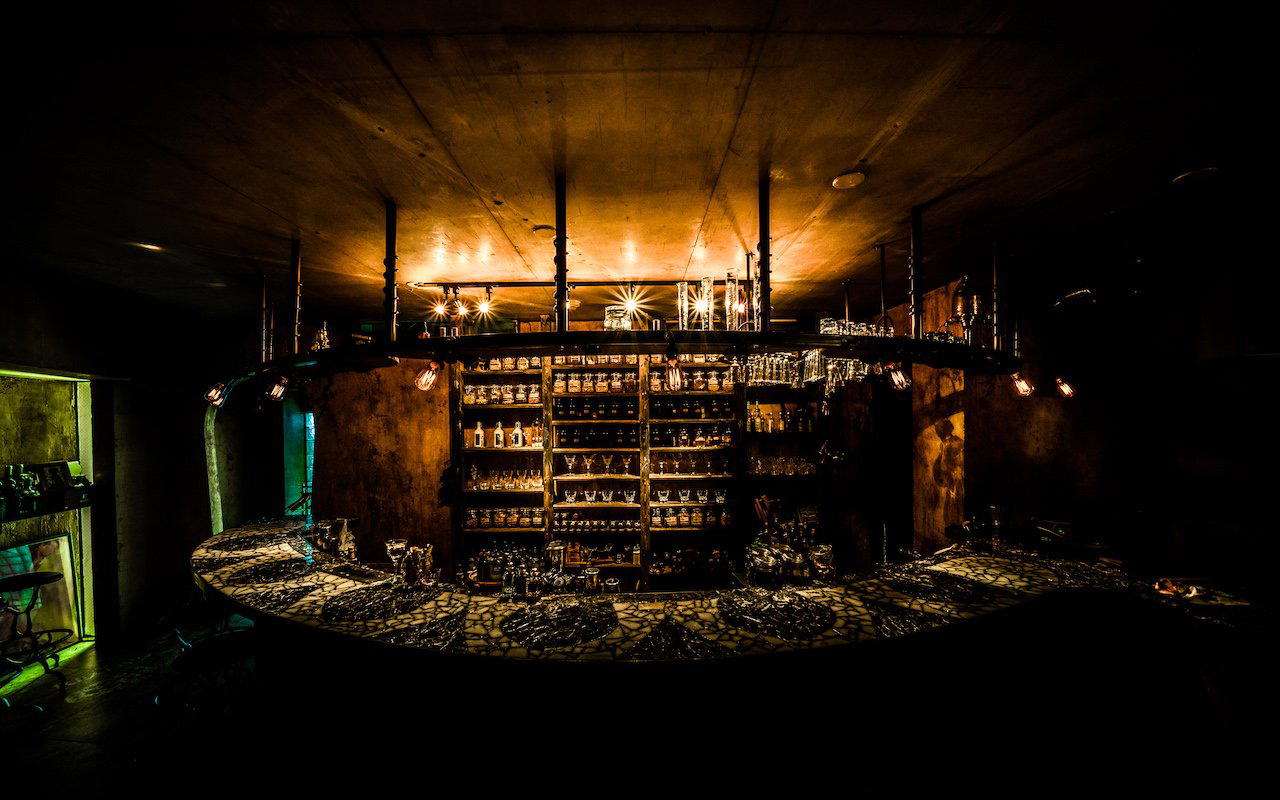
Bars in Osaka
Browse all →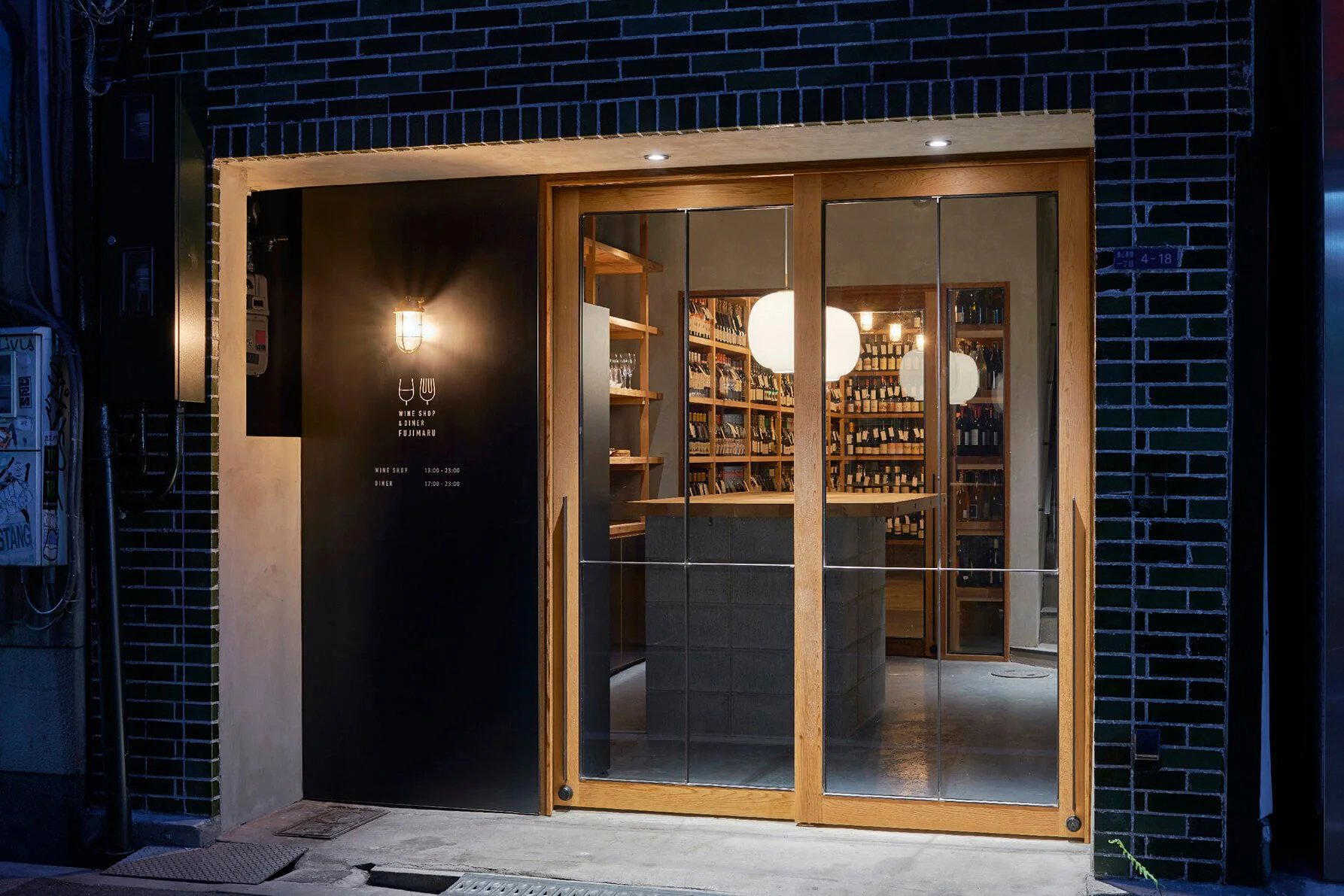
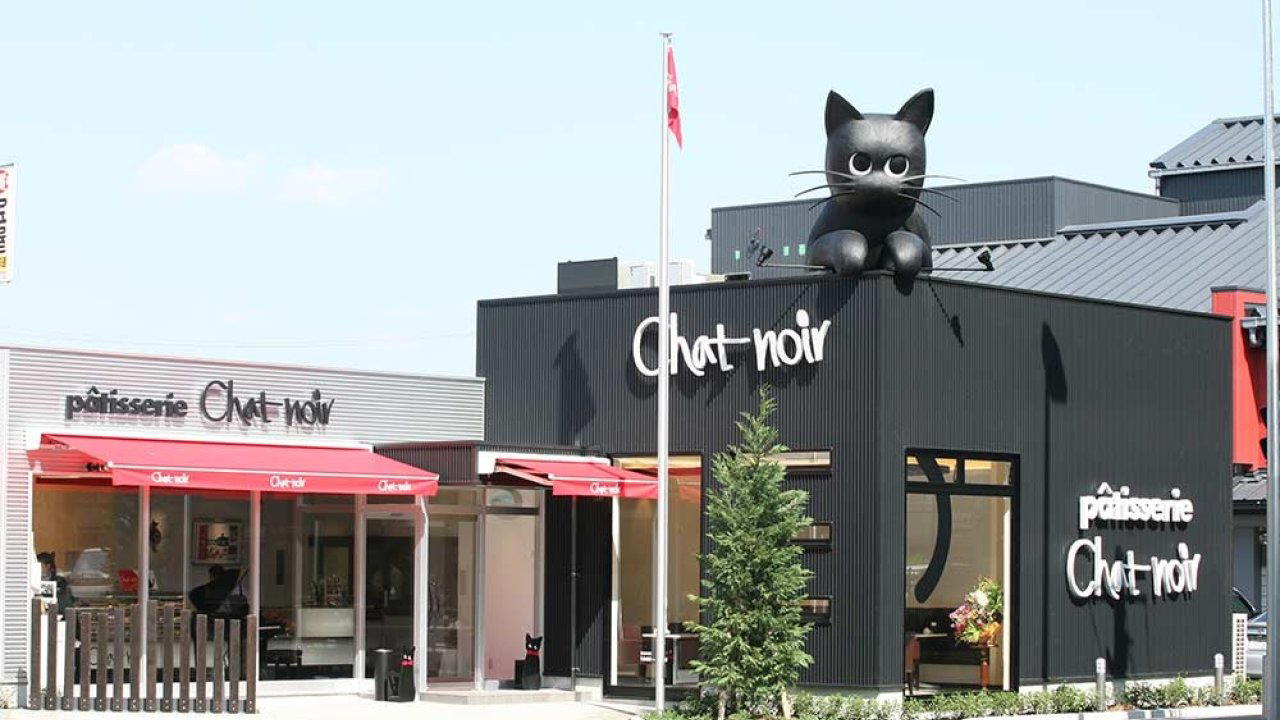


Restaurants in Osaka
Browse all →




Hotels in Osaka
Browse all →




Wineries in Osaka
Browse all →
At a Glance
- Elegant
- Sophisticated
- Intimate
- Special Occasion
- Date Night
- Group Outing
- Standalone
- Design Destination
- Seated Bar
- Booth Seating
- Private Rooms
- Conventional Wine
Casual yet cool atmosphere with wood grain-centered décor blending Japanese and Korean design elements, creating a tranquil and luxurious hideaway environment.