


A two-Michelin-star kaiseki counter in central Nara, NARA NIKON has earned consecutive Tabelog Bronze Awards every year from 2020 through 2026 and a score of 4.30, placing it among western Japan's most consistent fine-dining addresses. Nineteen seats across counter, table, and tatami formats serve a fish-focused menu, with an evening spend in the JPY 20,000 to 29,999 range. Phone-only reservations make advance planning essential.
Pearl is the En Primeur Club membership app — saves, bookings, and concierge access live there. Same editors, same standards.
- Address
- 3 Nabeyacho, Nara, 630-8264, Japan
- Phone
- +81 742-31-4276
- Website
- naranikon.com
- Directions
- Get directions
 Saves & bookings on Pearl
A Quiet City, a Serious Counter
Nara occupies an unusual position in Japan's dining conversation. The ancient capital sits forty minutes from Osaka and less than an hour from Kyoto, yet its fine-dining scene operates at a different register from both: smaller in volume, less internationally trafficked, and in many ways more internally focused. That context matters when assessing NARA NIKON, which opened in September 2016 at 3 Nabeyacho and has since accumulated a credential set that would attract attention in any Japanese city. Two Michelin stars as of 2024 and 2025, consecutive Tabelog Bronze Awards every year from 2020 through 2026, a Tabelog score of 4.30, selection for the Tabelog Japanese Cuisine WEST "100" list in 2021, 2023, and 2025, and 80.5 points in the 2025 La Liste rankings, this is a restaurant operating well above its city's typical visibility threshold.
Nara's most serious kaiseki addresses draw a visitor cohort that has already moved past the obvious Kyoto circuit. Diners who have eaten at Gion Sasaki in Kyoto or HAJIME in Osaka and want to probe the region's less-publicised tier tend to find their way here.
The Room and Its Logic
The spatial format at NARA NIKON reflects the segmented logic of formal Japanese dining. Nineteen total seats are divided across three seating types: a nine-seat counter, a table configuration for up to six, and a tatami room for up to four. Two private rooms are available for parties of up to six, accommodating the business occasion use that Tabelog reviewers note as a strong suit of the restaurant. The mix of counter, table, and tatami means the room serves different functions simultaneously, the counter for solo diners or pairs wanting direct kitchen sightlines, the tatami for groups seeking the full formal register of a floored private space.
The space is described as both stylish and relaxing, with sunken seating incorporated into the tatami configuration, a practical accommodation that makes traditional floor seating accessible to guests less accustomed to the posture. The room is non-smoking throughout.
Service as a Structural Element
In kaiseki at this level, the work visible from the counter is only part of the total performance. What sustains an experience is the calibration between kitchen timing, drink pacing, and the front-of-house reading of the room. At NARA NIKON, the beverage program signals seriousness through specificity: the restaurant is noted for particular attention to both sake (nihonshu) and wine, a dual focus that is less common than it might appear.
Shochu is also available, giving the drinks list range across fermented grain spirits, rice sake, and grape-based wine. The food program is noted as particular about fish, a meaningful credential in kaiseki, where the quality and sourcing of seasonal seafood is often the primary differentiator between kitchens at similar price points. That fish emphasis aligns the menu with the classical kaiseki emphasis on ingredient transparency rather than heavy sauce or technique-first presentation.
Celebrations and surprises can be accommodated. That kind of operational range, handling a birthday or anniversary alongside a standard business dinner, requires coordination across kitchen, service, and drink departments that goes beyond any single chef's contribution.
Award Consistency as a Signal
The durability of the restaurant's award record is worth examining on its own terms. Tabelog Bronze from 2020 through 2026, without interruption, places the restaurant in a tier where year-on-year review consistency becomes its own form of credential. Many restaurants in Japan's regional fine-dining scene hold a single award year before slipping below the threshold as menu drift or team changes affect scores. Seven consecutive Bronze recognitions, combined with three separate inclusions in the Tabelog 100 WEST list, suggest a kitchen that has maintained its standard rather than peaking early.
The Michelin two-star designation, held through 2024 and 2025, situates the restaurant beyond Nara. At the two-star level, the relevant comparison is not local but regional and national: kitchens like Harutaka in Tokyo, Goh in Fukuoka, and Myojaku in Tokyo operate within the same Michelin band. The restaurant holds that position from a city with a fraction of Tokyo's or Osaka's restaurant density, which compounds the difficulty of the achievement. For further context on comparable kaiseki formats, Azabu Kadowaki in Tokyo and 1000 in Yokohama represent the kind of addresses against which the restaurant implicitly competes for the attention of Japan's more mobile fine-dining audience.
Within Nara's own upper tier, context from Ajinokaze Nishimura, Ajinotabibito Roman, and GOKAN UOGIN helps frame the city's current dining depth.
Planning a Visit
The restaurant operates Tuesday through Saturday, with lunch available only on Wednesdays and Saturdays (starting at 12:00, last entry 13:00). Dinner runs Tuesday through Saturday, with Tuesday, Wednesday, and Thursday starting at 18:30, and Friday and Saturday offering two seatings at 18:00 and 20:30. The restaurant is closed on Sundays, Mondays, and the last day of each month.
Reservations are accepted by phone only, at +81-742-31-4276. There is no online booking system and no official website. Credit cards are accepted (Visa, Mastercard, JCB, American Express, Diners), and QR code payments via PayPay are also available, though electronic money is not accepted. The 5% service charge applies on top of the menu price. Reservations are essential, particularly for weekend evenings. Visitors staying nearby can reference the Nara hotels guide to plan accommodation in proximity to Kintetsu Nara Station and the Nabeyacho address. For a wider view of the Kansai region's two-star tier, 6 in Okinawa offers a stylistically different but comparably credentialled reference point.
Cuisine-First Comparison
Comparable venues nearby, for context on price, style, and recognition.
| Venue | Cuisine | Price | Awards | Notes |
|---|---|---|---|---|
| NARA NIKONThis venue — the venue you are viewing | Kaiseki | $$$$ | Michelin 2 Star | Not listed |
| Oryori Hanagaki | Two Michelin-Star Kaiseki | $$$$ | Michelin 2 Star | Nara |
| akordu | Modern Spanish with Nara Influences | $$$$ | Michelin 2 Star | Nara |
| Tsukumo | Modern Kaiseki | $$$$ | Michelin 2 Star | Nara |
| Musoan | Traditional Japanese Kaiseki | $$$$ | Michelin 1 Star | Nara |
| Ajinokaze Nishimura | Michelin-Starred Kaiseki | $$$ | Michelin 1 Star | Sakurai |
Recognition history
Dated appearances from independent guides and award organizations, with the underlying list record or original source where available.
Michelin 2 Stars
Michelin
Tabelog Bronze #315
Tabelog
La Liste Top Restaurants
La Liste
Michelin 2 Stars
Michelin
Tabelog 100 #69 · No. 69
Tabelog · Tabelog 100 - Japanese cuisine - WEST - 2025
Tabelog Bronze
Tabelog
Michelin 2 Stars
Michelin
Continue exploring
More in Nara
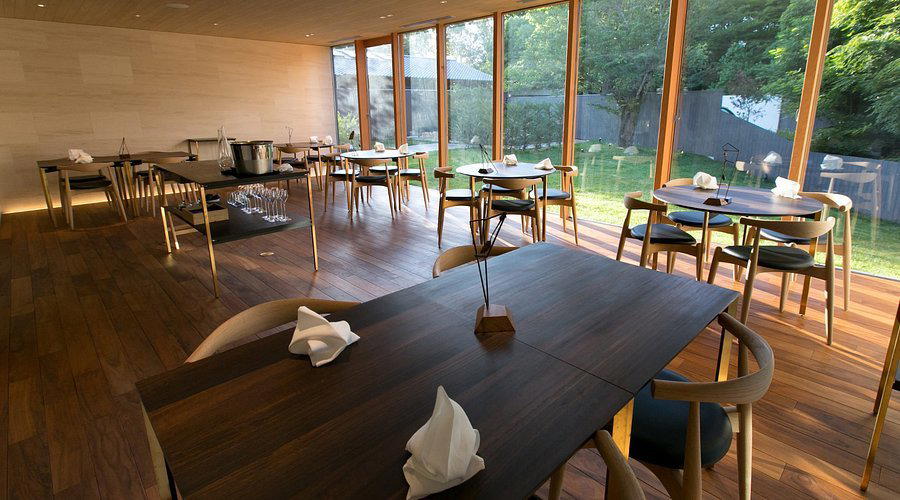




Bars in Nara
Browse all →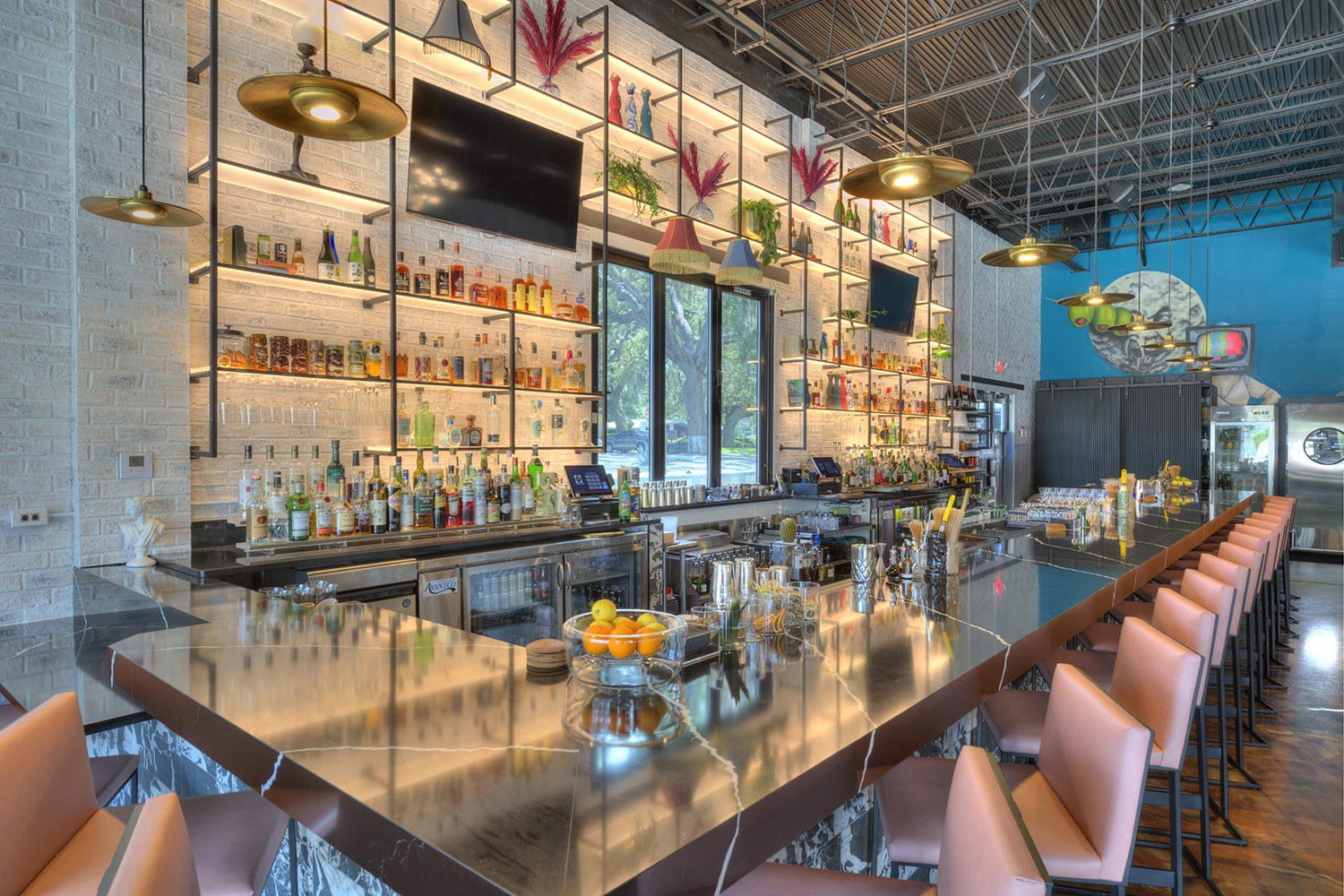
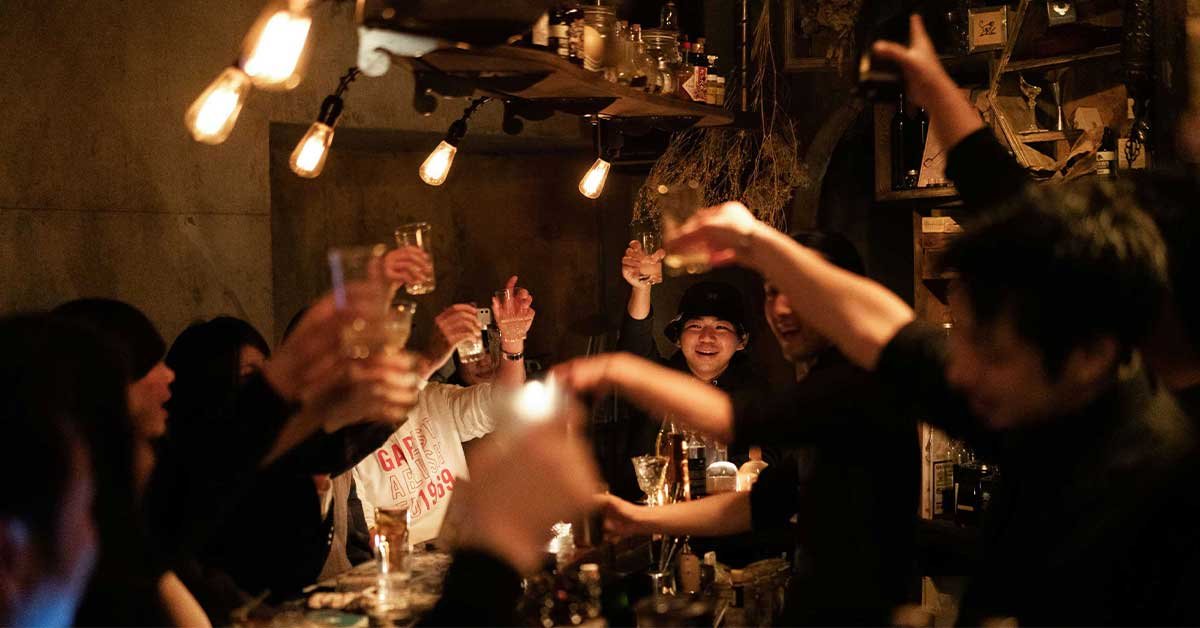
Hotels in Nara
Browse all →




Wineries in Nara
Browse all →
At a Glance
- Elegant
- Intimate
- Serene
- Sophisticated
- Special Occasion
- Sake Program
- Local Sourcing
Current opening hours
- Monday
- Closed
- Tuesday
- 6:30–10:30 PM
- Wednesday
- 6:30–10:30 PM
- Thursday
- 6:30–10:30 PM
- Friday
- 5:30–10:30 PM
- Saturday
- 12–3 PM, 6–10:30 PM
- Sunday
- Closed
Hours can change for holidays and private events. Last verified .
Warm wooden interiors with soft lighting and a tranquil tea-room-like atmosphere.