Inside Grand Hyatt Tokyo's Roppongi tower, The French Kitchen occupies a particular position in the city's hotel dining scene: a French-inflected all-day restaurant that draws a loyal local crowd rather than a transient hotel guest list. The open kitchen, the breadth of format across breakfast through dinner, and a setting that reads more brasserie than ballroom make it a regular fixture for Minato-ku professionals and Roppongi residents alike.
 Discover on Pearl
Pearl is the En Primeur Club membership app — saves, bookings, and concierge access live there. Same editors, same standards.
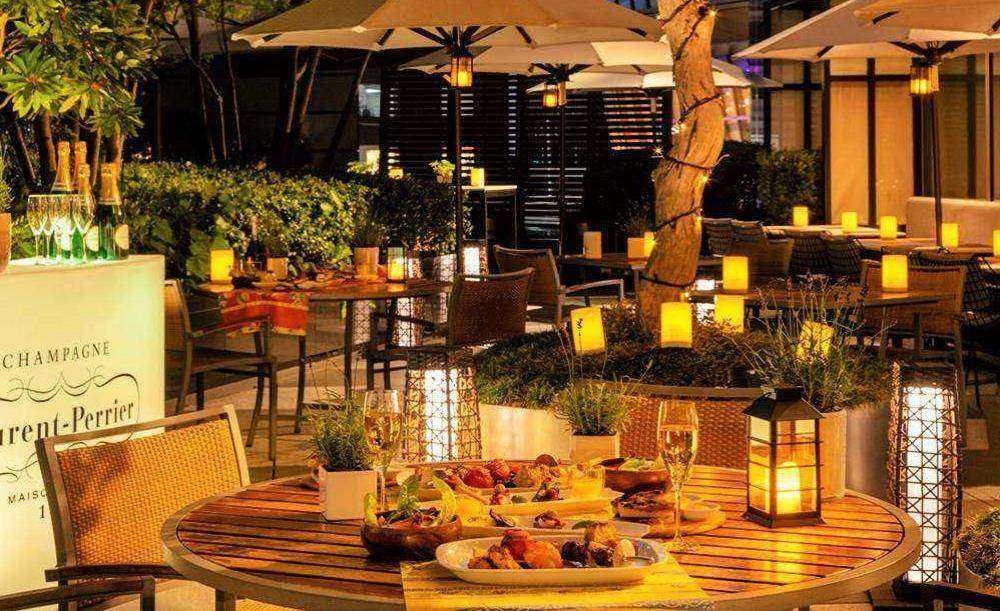
The Setting: Roppongi's Hotel Dining Register
Hotel dining in Tokyo splits along a clear fault line. On one side sit the destination restaurants, often single-cuisine, counter-led, and booked weeks in advance by guests with specific intentions. On the other sit the all-day dining rooms that anchor large international properties, designed for range rather than depth. The French Kitchen, on the second floor of Grand Hyatt Tokyo in Roppongi, belongs to the second category but has built a reputation that pulls it closer to the first in terms of repeat clientele. The address alone, at 6-10-3 Roppongi in Minato-ku, places it within walking distance of some of the city's densest concentration of embassies, media companies, and creative agencies, and that neighbourhood composition shapes who actually sits in the room.
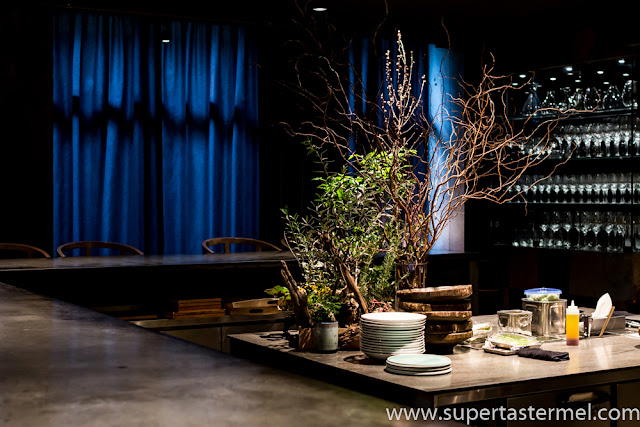
The physical environment signals its priorities early. An open kitchen runs along a substantial stretch of the dining room, making cooking visible and the room louder than a closed-kitchen format would allow. This is a deliberate register choice: the room is designed for sustained, repeated use, not for a single occasion. Regulars at this kind of hotel restaurant are rarely staying in the hotel. They are people who have decided that a particular booth, a particular time of day, and a particular kitchen rhythm suits them, and they return on that basis.
What Brings the Regulars Back
The retention logic at hotel all-day restaurants like this one is worth examining, because it differs meaningfully from the loyalty patterns at destination dining rooms. At an omakase counter, the draw is the chef's current progression, the seasonal sequence, the specific grip of a twelve-seat room. At a hotel brasserie operating across breakfast, lunch, and dinner formats, the draw is reliability and range. Regulars here are not chasing novelty. They are using the restaurant the way an earlier generation used a trusted neighbourhood bistro: as a professional backdrop, a meeting space with good enough food that the meeting is not the only reason to be there.
Tokyo's hotel dining scene has produced several versions of this model. The major international brands each maintain at least one all-day concept, and the competitive pressure to perform across every daypart without a single culinary identity to anchor them is considerable. The French Kitchen's French inflection gives it a clearer editorial position than a generic international buffer would. French cuisine, particularly in the brasserie register, travels well across breakfast croissants, a working lunch, and a longer dinner, without requiring the guest to mentally switch contexts. That continuity matters to a clientele that is booking the room for professional and social purposes as much as purely gastronomic ones.
For visitors trying to orient The French Kitchen within Tokyo's broader French dining map, the reference points are instructive. L'Effervescence and Sézanne sit in the destination tier, where a single tasting menu is the entire proposition and bookings require significant forward planning. Crony occupies a more casual but still chef-driven slot in the innovative-French bracket. The French Kitchen operates in a different register from all three, one defined by flexibility of format and a room designed for repeated visits across different occasions rather than a single, carefully constructed meal.
Roppongi as a Dining District
Roppongi's dining character is more layered than its nightlife reputation suggests. The area around Grand Hyatt Tokyo, particularly along the Roppongi Hills complex, draws a specific professional and international crowd that has supported a range of restaurant formats for two decades. This is not the traditional craftsmanship belt of Ginza or the chef-driven density of Azabu-Juban, but it supports a kind of dining that requires space, operational scale, and the ability to handle mixed-nationality tables without losing coherence. Hotel restaurants in this district perform a function that freestanding restaurants in quieter neighbourhoods cannot as easily replicate: they are accessible, reliable, and designed for a guest who may have a 7pm dinner and a flight the next morning.
Tokyo's larger French dining ecosystem extends well beyond the capital. HAJIME in Osaka represents the Michelin-three-star end of French cuisine in Japan's west, while akordu in Nara shows how French-adjacent technique is being applied in smaller cities. Within Tokyo itself, the reference set for serious Japanese cuisine includes RyuGin for kaiseki and Harutaka for sushi, both operating in a completely different mode from hotel all-day dining but useful as orientation for visitors mapping the city's full range. Our full Tokyo restaurants guide covers the spectrum in detail.
Further afield, regional options worth knowing include Gion Sasaki in Kyoto, Goh in Fukuoka, and a handful of less-traveled addresses: 一本杉川嶋 in Nanao, 古川山乃 in Sapporo, 湖邸庄や in Takashima, and 羽根屋 in Nishikawa Machi. For those building a broader Japan itinerary around food, Birdland in Sakai and Bistro Ange in Toyohashi represent the kind of regional consistency that rewards itinerary planning. International reference points for French-inflected hotel dining at a comparable scale include Le Bernardin in New York City and, for a different mode of high-concept dining, Atomix, also in New York.
Planning Your Visit
The French Kitchen is located at 6-10-3 Roppongi, Minato-ku, on the second floor of Grand Hyatt Tokyo. Roppongi Station serves both the Tokyo Metro Hibiya Line and the Toei Oedo Line, with the hotel a short walk from exit 1c. Given the hotel's scale and the all-day format, the restaurant typically handles walk-ins more readily than destination counter restaurants, though reservations through the hotel are advisable for dinner, particularly on weekday evenings when the local professional clientele peaks.
A Quick Peer Check
Comparable venues nearby, for context on price, style, and recognition.
| Venue | Cuisine | Price | Awards | Notes |
|---|---|---|---|---|
| The French Kitchen (フレンチ キッチン)This venue — the venue you are viewing | Classic French Bistro | $$$ | , | |
| レザンファン ギャテ | Modern French Terrine Specialist | $$$ | , | Shibuya |
| BLUE BRICK LOUNGE | French-style cafe & dessert lounge with Japanese sweets | $$$ | , | Minato |
| ルカンケ | Authentic French Bistro | $$$ | , | Minato |
| YOSHIDA HOUSE | French Bistro | $$$ | , | Shibuya |
| Au Gamin de Tokio | French Bistro | $$$ | , | Ebisu |






At a Glance
- Elegant
- Sophisticated
- Modern
- Special Occasion
- Business Dinner
- Group Dining
- Open Kitchen
- Terrace
- Private Dining
- Hotel Restaurant
- Sake Program
- Street Scene
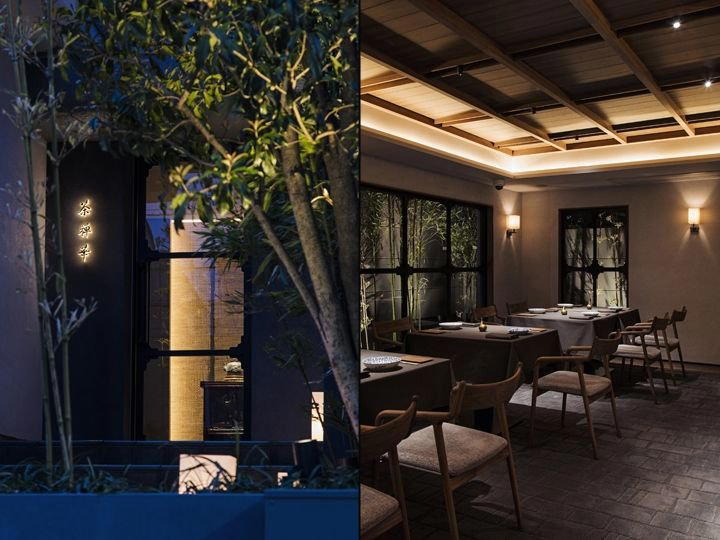
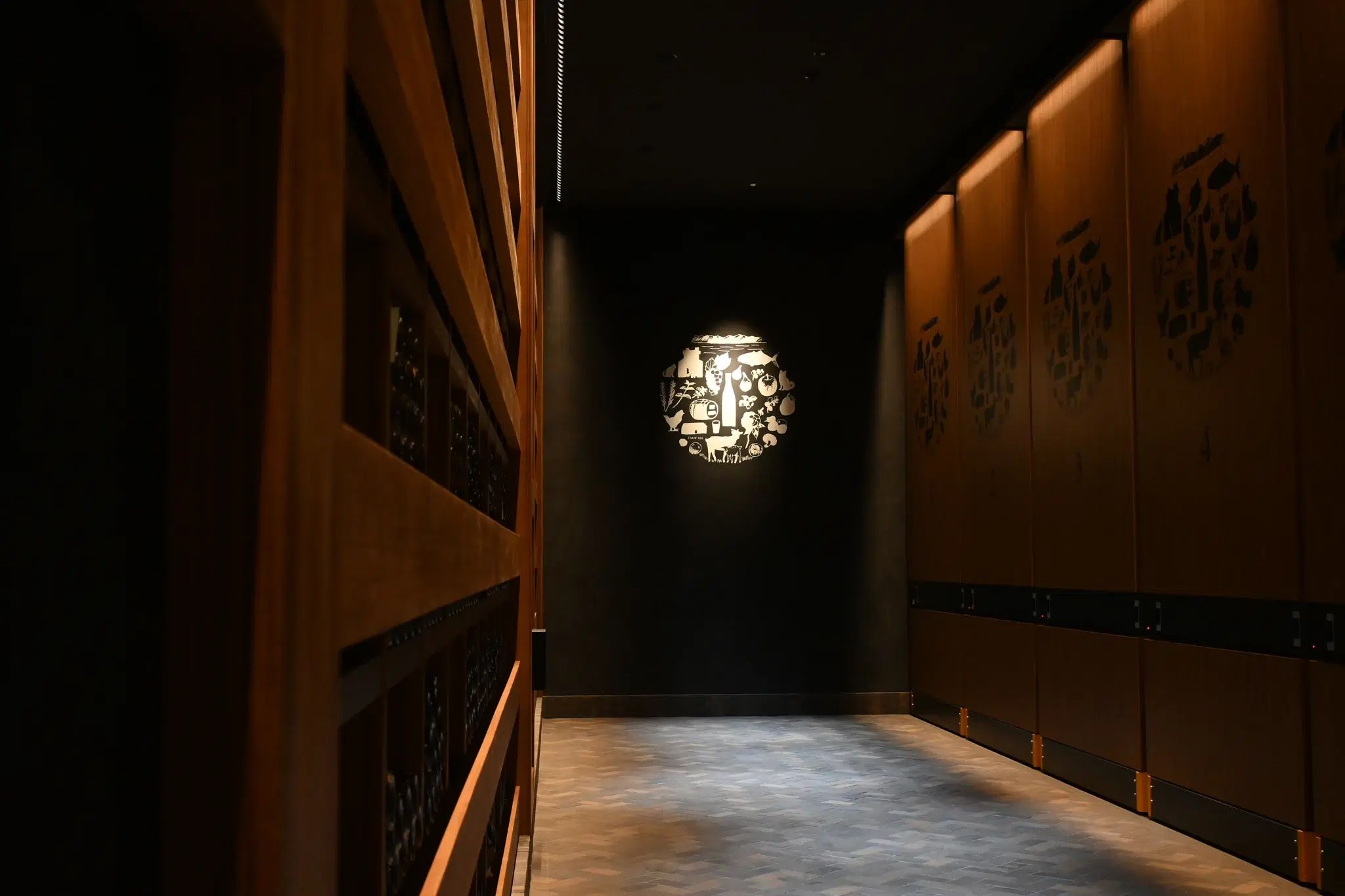
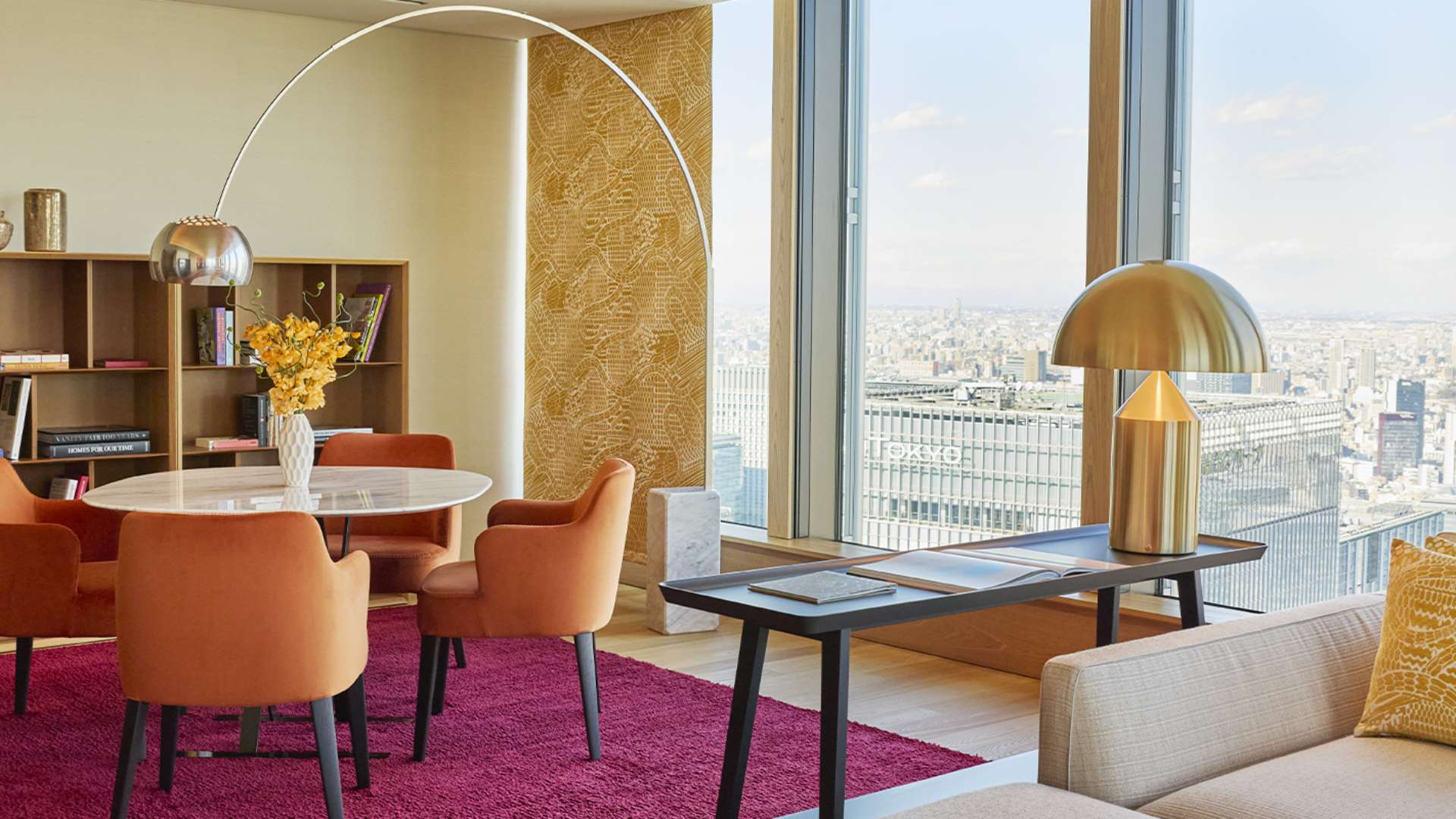
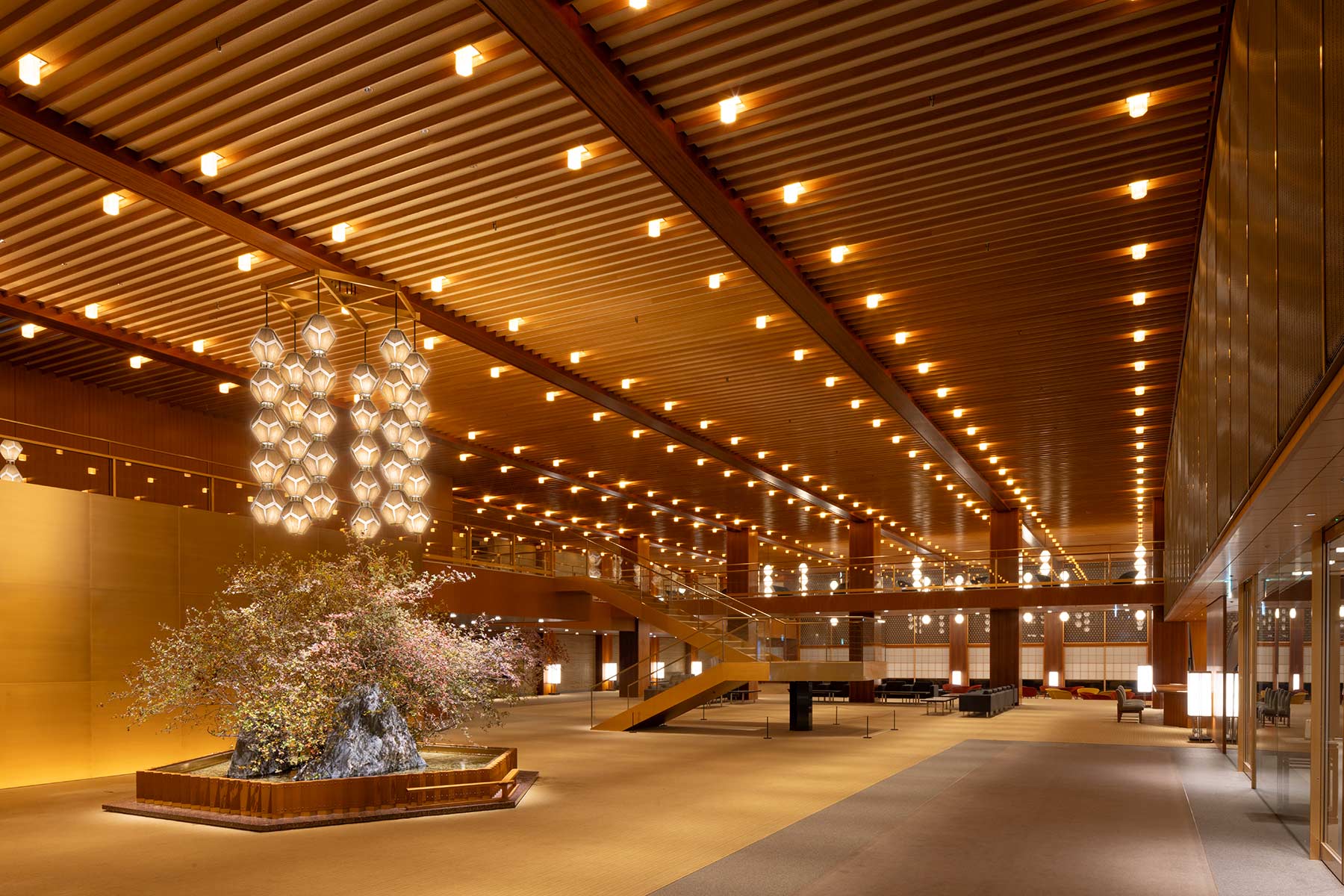
Modern and sophisticated atmosphere with lively open kitchen and spacious terrace for al fresco dining.