Our verdict
ビストロ トラディシオンはClassical French Bistroを出し、Nihonbashiの1Fでopen kitchenとextensive wine listを備える。ランチとディナーに向き、会話しやすい音量でcasualに使える。

Pearl is the En Primeur Club membership app — saves, bookings, and concierge access live there. Same editors, same standards.
- Address
- Japan, 〒103-0027 Tokyo, Chuo City, Nihonbashi, 1 Chome−17−4 1F
- Phone
- +81362252403
- Hours
- Mon–Fri 11:30 AM–2 PM, 5–10 PMSat 5–10 PMSun Closed
- Website
- neobravo.co.jp
- Directions
- Get directions
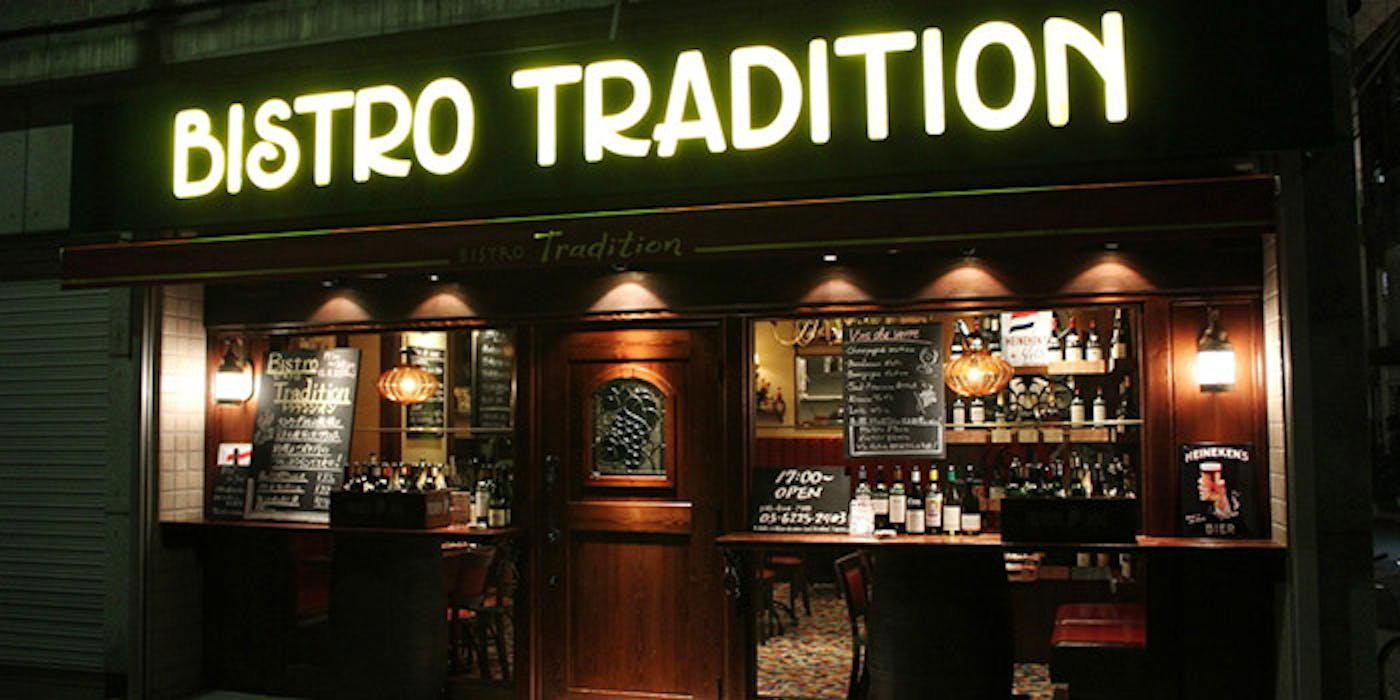
The menu
What to order
- 国産黒毛和赤身牛の炭火焼~赤ワインソース~
- 鴨コンフィ・豚バラ肉・ソーセージ・白インゲン豆の煮込み
Nihonbashi and the French Bistro in Tokyo
Nihonbashi has been a commercial and cultural crossroads in Tokyo since the Edo period, when the original bridge marked kilometre zero for all major roads across Japan. The district's layered identity — old merchant capital, financial corridor, and increasingly a destination for considered dining — makes it an instructive place to encounter a neighbourhood bistro operating under the name ビストロ トラディシオン (Bistro Tradition). The name itself signals intent: tradition as framework, not nostalgia.
Tokyo's French bistro category occupies a distinct tier below the city's celebrated temple restaurants. Where destinations like L'Effervescence and Sézanne anchor the ¥¥¥¥ bracket with multi-course tasting architecture and international recognition, the bistro format trades ceremony for frequency. These are the rooms Tokyoites return to on a Tuesday, not just for a celebration. That distinction matters when reading ビストロ トラディシオン: its location in Chuo City's Nihonbashi 1-chome places it inside a neighbourhood of repeat customers rather than destination pilgrims.
Menu Architecture as Argument
In the classic French bistro tradition, menu structure is itself a statement. The French bistro model, which reached Japan in meaningful numbers during the 1980s and consolidated as a recognisable format through the 1990s, typically organises itself around a short, rotating carte rather than the fixed multi-course progressions that define kaiseki or haute cuisine. That brevity is deliberate. A tight menu demands discipline in sourcing and execution; it announces that the kitchen will cook fewer things with more care rather than offering a catalogue to appease a broad audience.
This architectural logic aligns ビストロ トラディシオン with the broader French bistro lineage in Tokyo, where the most credible rooms tend to operate on small printed menus that change with supply rather than season-long set pieces. The contrast with the kaiseki tradition, where RyuGin constructs a sequential narrative from first course to last, is instructive. Both approaches treat menu structure as editorial choice, but the bistro opts for a different grammar: the reader chooses, rather than being led.
For context on where this format fits within Japan's wider French dining tradition, it is worth noting that French-trained kitchens have produced some of Japan's most discussed restaurants, from HAJIME in Osaka to Crony in Tokyo's own innovative French tier. The bistro sits deliberately below that register, which is not a compromise so much as a different brief entirely.
Nihonbashi as a Dining Address
The specific address, 1 Chome 17-4, Nihonbashi, Chuo City, places ビストロ トラディシオン in the oldest, most formally organised part of the district. Nihonbashi 1-chome is dense with financial institutions and established retail, which means lunchtime foot traffic skews toward office professionals and the dinner crowd tends to be local rather than tourist-led. This demographic reality shapes what a bistro in this location needs to deliver: reliable execution across multiple visits, a wine programme that rewards regulars, and a format that doesn't demand two-hour commitments on a weeknight.
Across Japan's regions, the French bistro template has adapted in various ways. Bistro Ange in Toyohashi represents one regional expression; the French-influenced rooms of Gion Sasaki in Kyoto and akordu in Nara show how European cooking traditions root differently depending on local culinary culture. In Nihonbashi, proximity to Tokyo's high-end sushi corridor, where Harutaka operates at the top of the omakase register, means the neighbourhood already has fluency with premium, precision-led dining. A bistro drawing on that environment can calibrate its expectations accordingly.
The French Bistro in Japan: A Comparative View
Tokyo's French dining tier is among the most internally stratified in Asia. At one end, Michelin-recognised rooms with tasting menus priced above ¥30,000 per head compete on originality and sourcing provenance. At the mid-tier, bistros and brasseries serve a civic function: they are the everyday infrastructure of the French dining tradition, and in Tokyo they have developed a distinctly Japanese register, precise service, careful ingredient selection, and menus that honour the bistro canon without treating it as museum piece.
For those calibrating across Japan's dining geography, it is worth cross-referencing against regional peers: Goh in Fukuoka demonstrates how French techniques absorb Kyushu produce, while more remote expressions of French influence appear in venues as varied as 一本木 皆川制 in Nanao and 湖邸庵 in Takashima. The Tokyo bistro, operating in a city with competitive pressure from all directions, sits in a market that rewards specificity.
Internationally, the bistro format's nearest analogues in terms of culinary positioning include rooms like Le Bernardin in New York City at the haute end, and the tighter format represented by Atomix in its commitment to a structured guest experience, though both operate at considerably higher price points than a neighbourhood bistro. The comparison clarifies the bistro's position: it is not trying to win those competitions, but to serve a different function in the dining ecosystem.
Planning Your Visit
Nihonbashi is accessible via Nihonbashi Station on the Tokyo Metro Ginza Line and Tozai Line, as well as the Toei Asakusa Line. The 1-chome address is a short walk from the station exits. Neighbourhood bistros in Nihonbashi tend to fill their prime dinner slots mid-week, particularly among regular clientele, so forward planning is prudent even when full reservation calendars are not published.
| Venue | Cuisine | Price Tier | Format |
|---|---|---|---|
| ビストロ トラディシオン | French Bistro | Not confirmed | À la carte (presumed) |
| L'Effervescence | French | ¥¥¥¥ | Tasting menu |
| Sézanne | French | ¥¥¥¥ | Tasting menu |
| Crony | Innovative French | ¥¥¥¥ | Tasting menu |
For broader context on where ビストロ トラディシオン sits within Tokyo's dining scene, see our full Tokyo restaurants guide. Additional regional reference points include 夕和山乃 in Sapporo, 庭羽屋 in Nishikawa Machi, and Birdland in Sakai for a sense of how French and European dining traditions manifest across Japan's regions.
Frequently asked questions
What do regulars order at ビストロ トラディシオン?
How far ahead should I plan for ビストロ トラディシオン?
Is ビストロ トラディシオン suited to solo diners?
City Peers
Comparable venues nearby, for context on price, style, and recognition.
| Venue | Cuisine | Price | Awards | Notes |
|---|---|---|---|---|
| ビストロ トラディシオンThis venue — the venue you are viewing | Classical French Bistro | $50–100 | Not listed | Not listed |
| ランタンポレル | Modern French | $50–100 | Not listed | Minato |
| The Mandarin Oriental Gourmet Shop | Hotel pâtisserie & café | $20–30 | Tabelog 100 #48 | Chūō |
| オー・プロヴァンソー | Classical French Bistro | $100–150 | Not listed | Chiyoda |
| グルマンディーズ | French-Japanese Fusion Bistro | $150–200 | Tabelog Silver #27 | Minato |
| ルミエルネ | French Bistro & Natural Wine Bar | $50–100 | Not listed | Setagaya |

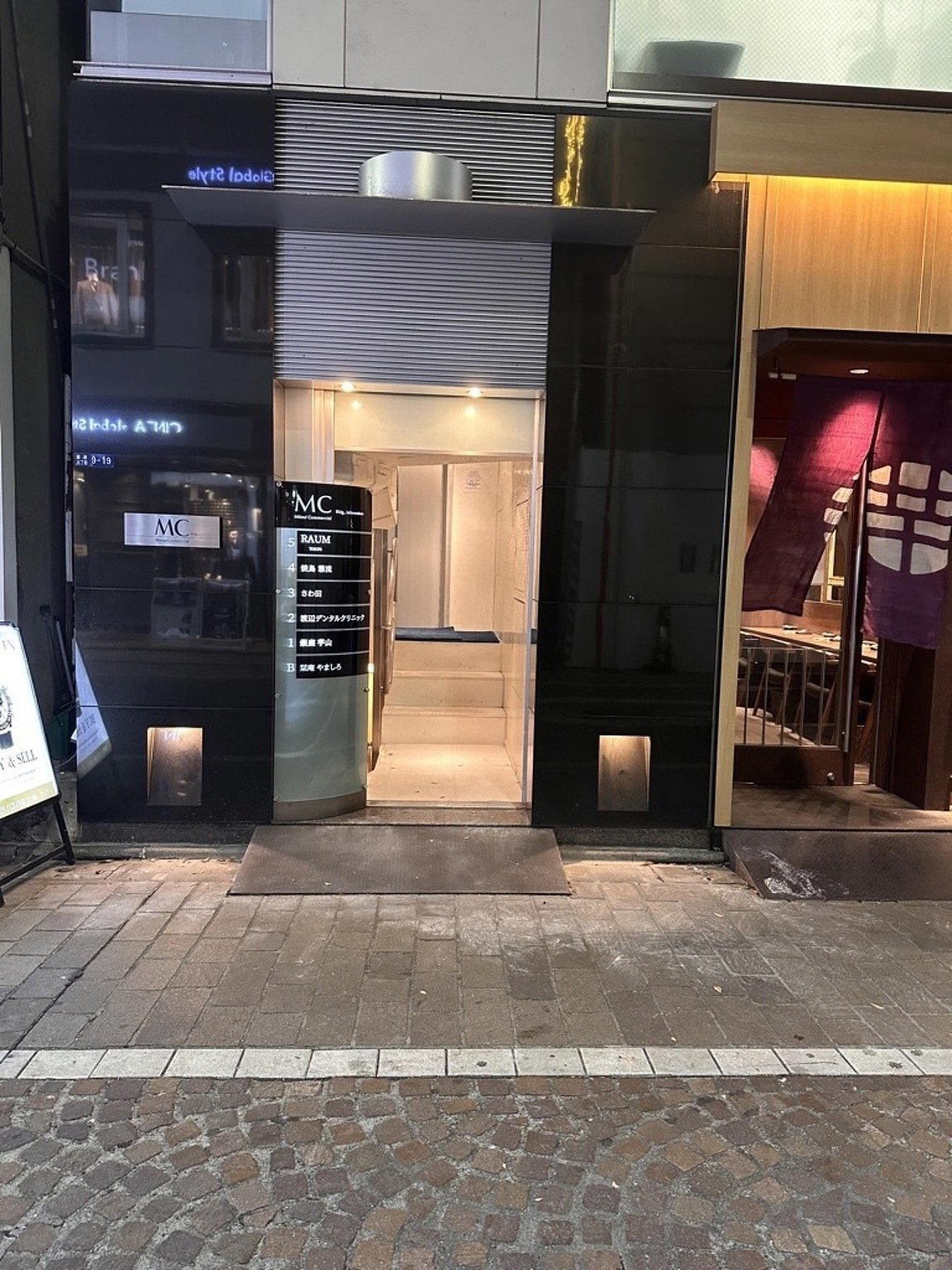


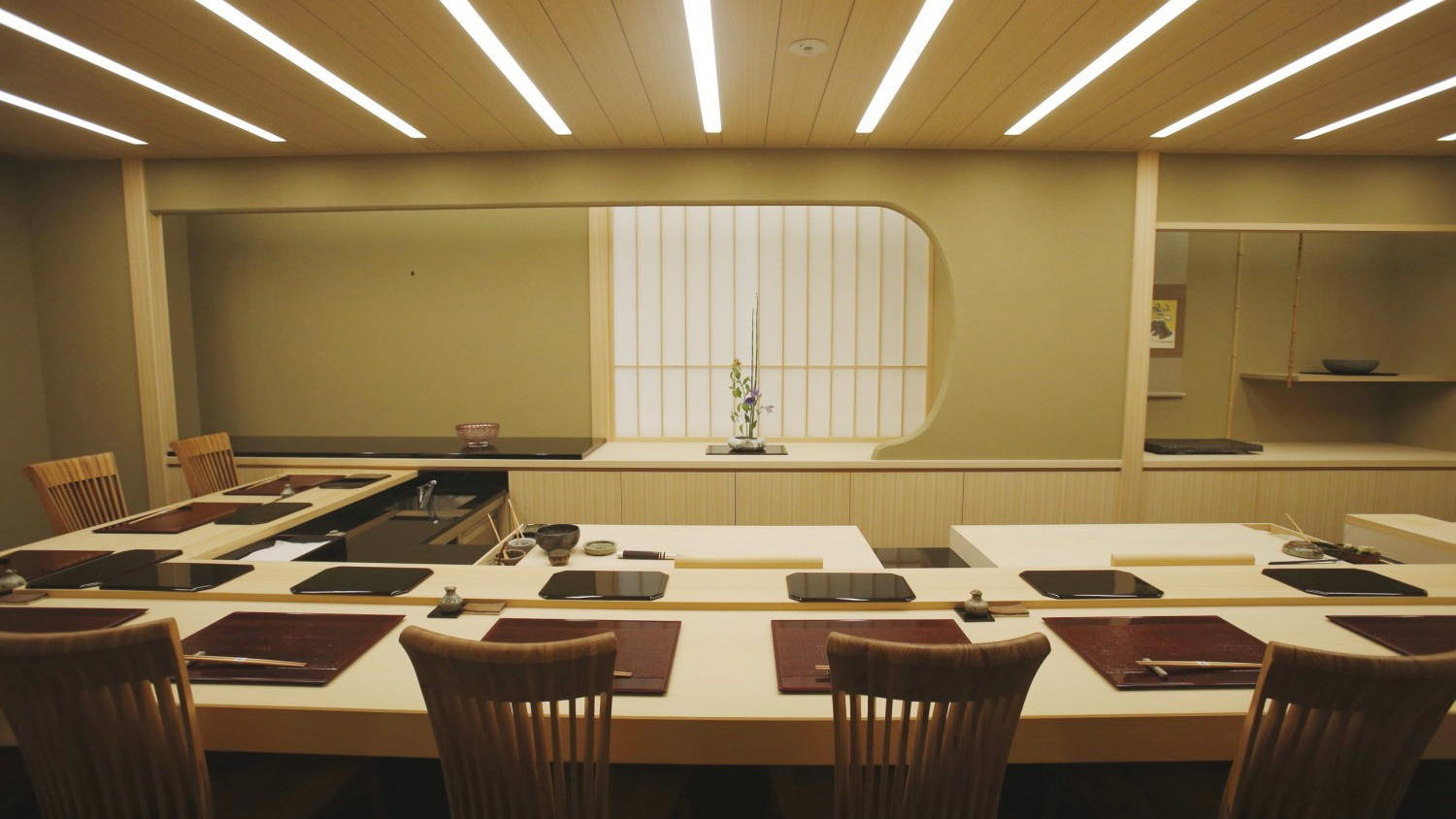

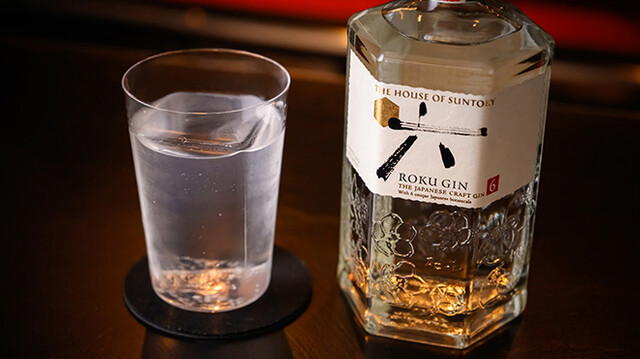



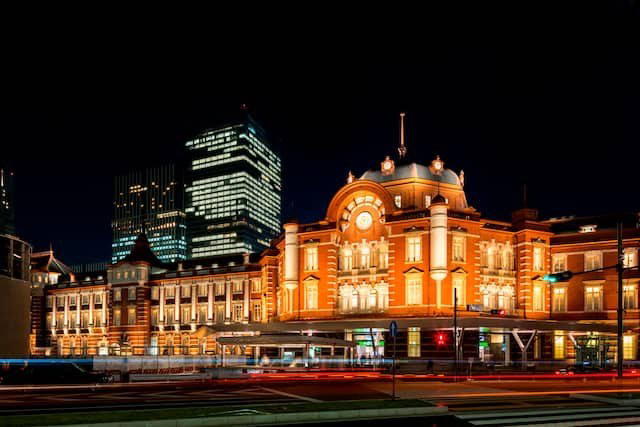
ビストロ トラディシオン
The wine
- Wine program
- Curated wine list
- Extensive wine list
Details
- Classic
- Cozy
- Elegant
- Business Dinner
- Date Night
- Casual Hangout
- Open Kitchen
- Extensive Wine List
- A La Carte
- Sake Program
Current opening hours
- Monday
- 11:30 AM–2 PM, 5–10 PM
- Tuesday
- 11:30 AM–2 PM, 5–10 PM
- Wednesday
- 11:30 AM–2 PM, 5–10 PM
- Thursday
- 11:30 AM–2 PM, 5–10 PM
- Friday
- 11:30 AM–2 PM, 5–10 PM
- Saturday
- 5–10 PM
- Sunday
- Closed
Hours can change for holidays and private events. Last verified .
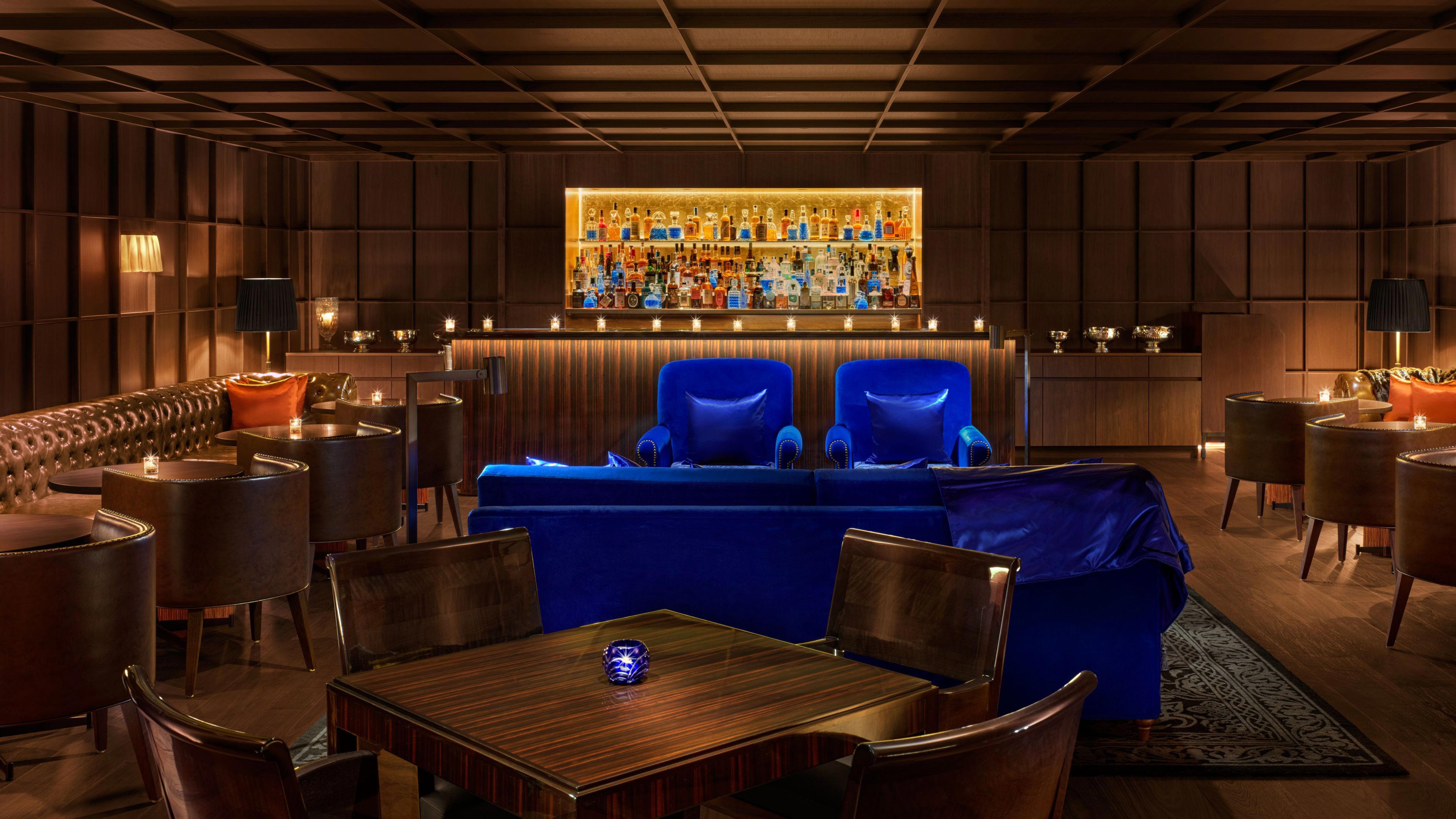
Parisian alleyway-style hideout with stylish, relaxed, and cozy seating including sofas.