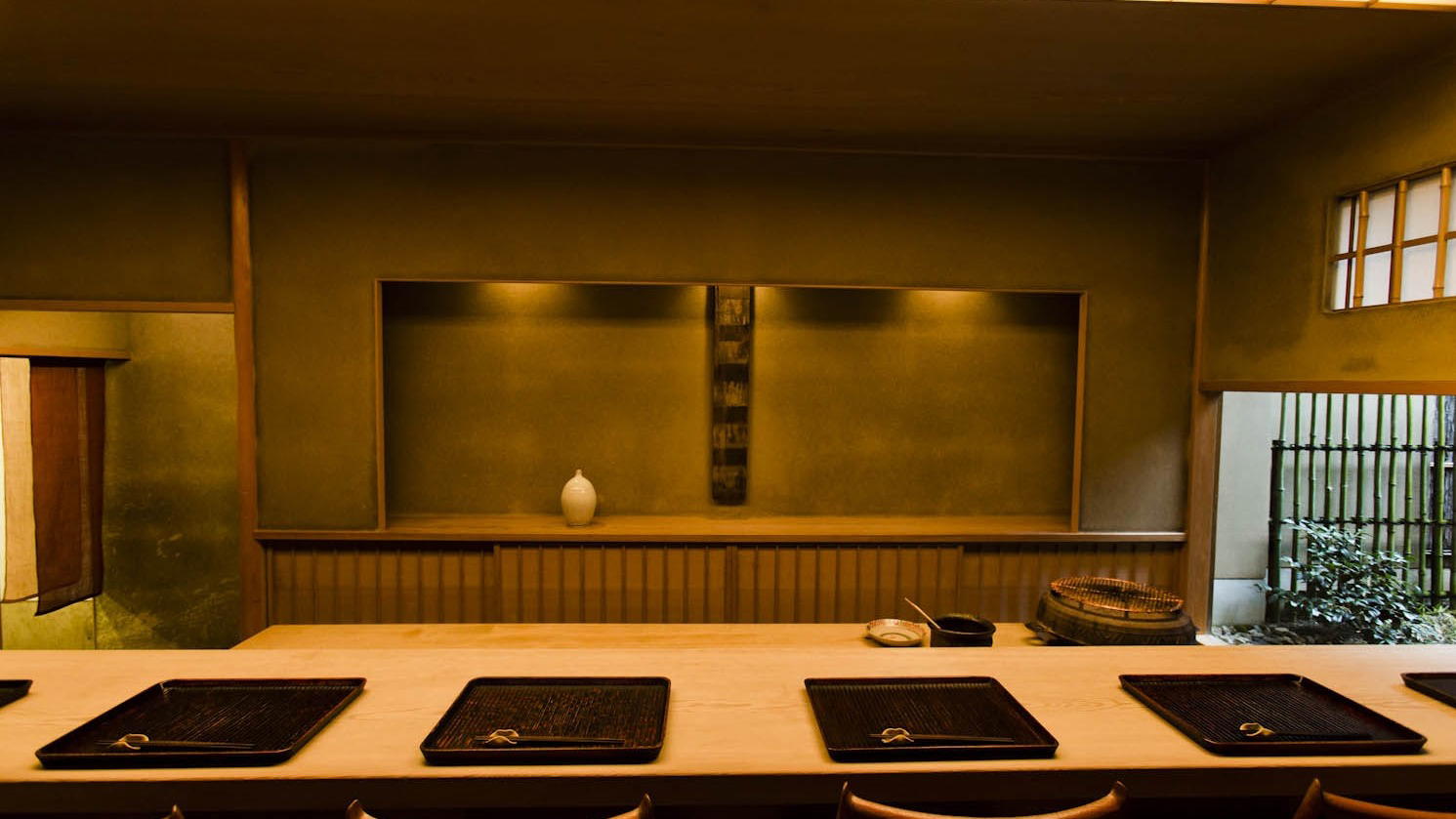
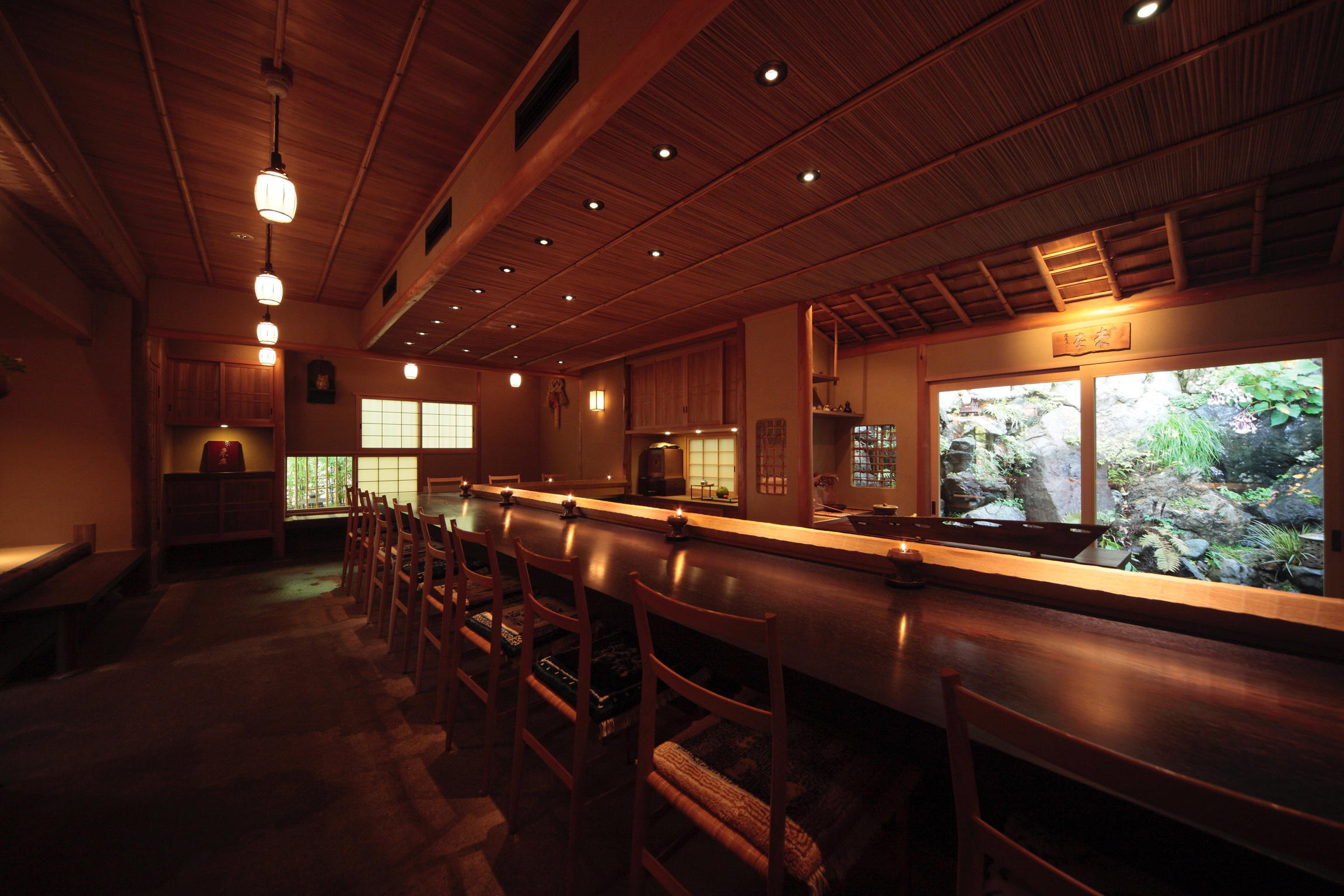
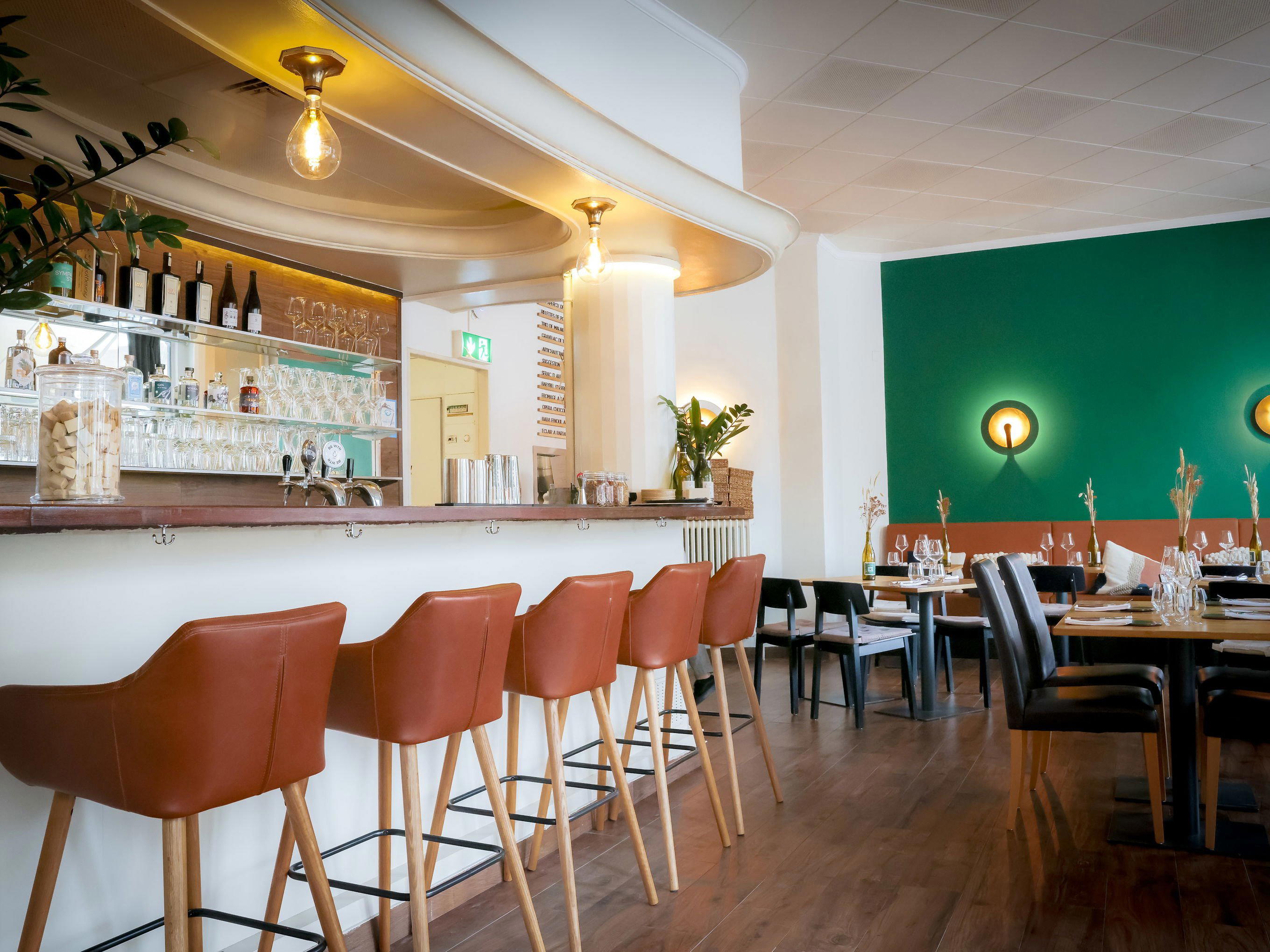
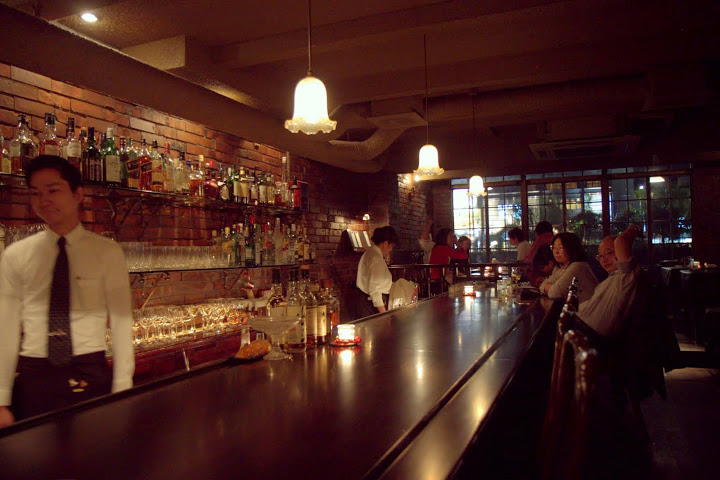
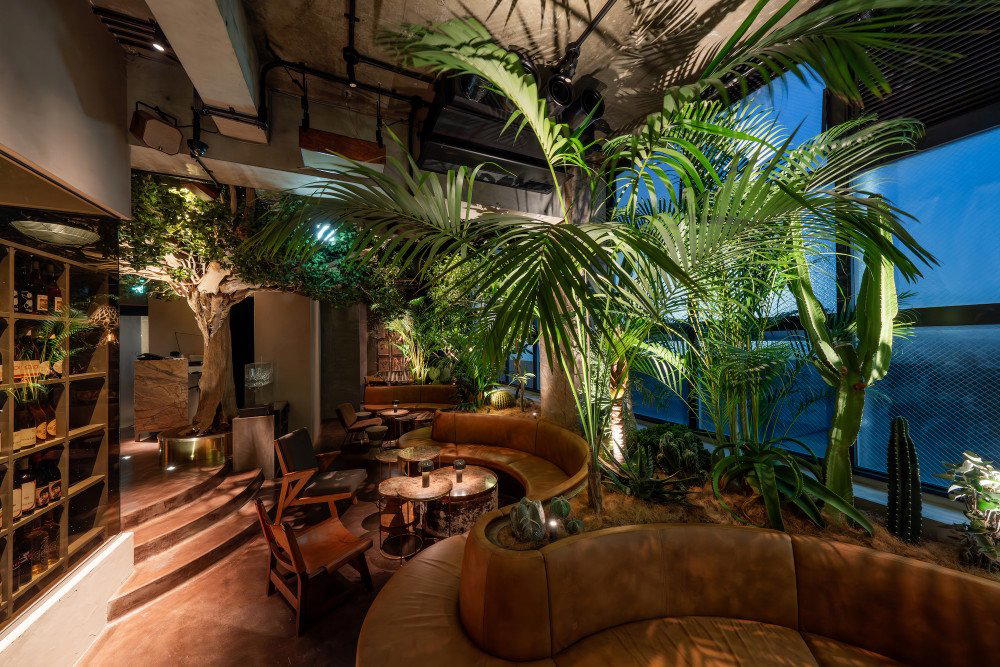
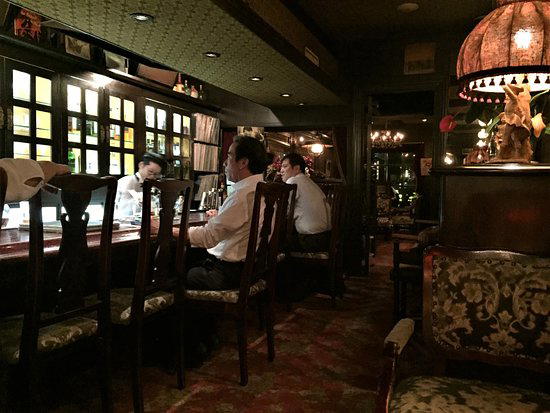
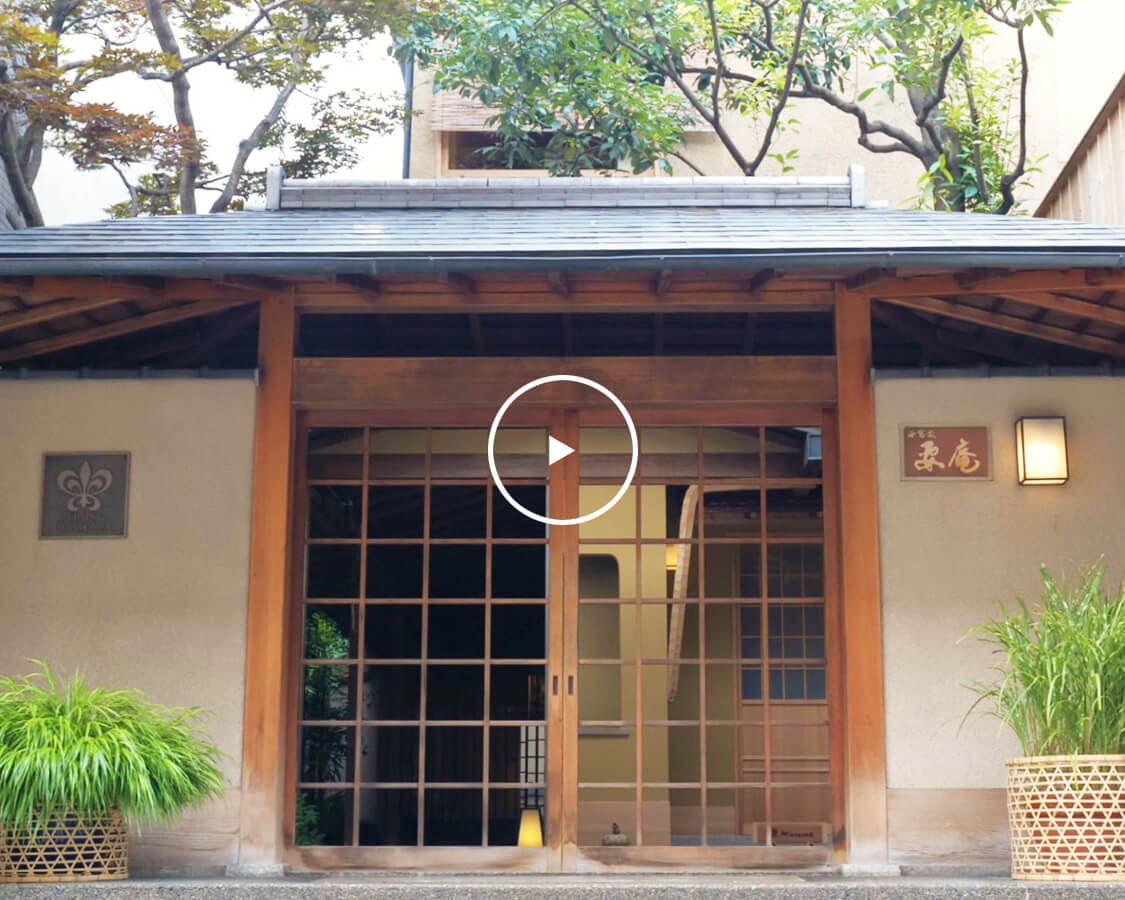
Located on a quiet lane in Nakagyo Ward, 笑亀 松谷 represents the kind of Kyoto dining room that rewards patience and research in equal measure. The address alone, 193-1 Nishikodocho, places it within the city's dense grid of specialist restaurants, where culinary tradition is expressed through restraint rather than spectacle. Secure a reservation well in advance and arrive with curiosity about the cellar as much as the kitchen.
Pearl is the En Primeur Club membership app — saves, bookings, and concierge access live there. Same editors, same standards.
- Address
- 193-1 Nishikodocho, Nakagyo Ward, Kyoto, 604-0904, Japan
- Phone
- +81 75-221-8588
- Directions
- Get directions
 Saves & bookings on Pearl
A Quiet Address in a City Built on Ceremony
Nakagyo Ward sits between Kyoto's two most scrutinised dining corridors, the heritage formality of Higashiyama and the market-adjacent density of Nishiki, and it is here that 笑亀 松谷 occupies its address on Nishikodocho. The lane is narrow, the signage modest, and the approach feels calibrated: this is a city where the distance between a restaurant's exterior and its interior register is often the first editorial statement a kitchen makes. Kyoto has long operated on the principle that the room's atmosphere is part of the service, and 笑亀 松谷 belongs to that tradition whether the season outside is the amber of November maples or the pale green of April cherry blossom.
Where Harutaka in Tokyo operates at the precision-speed of Edo-era counter culture, and HAJIME in Osaka channels contemporary European ambition through kaiseki structure, Kyoto's leading rooms tend to slow time deliberately. That deceleration is not accidental, it reflects a city that has spent centuries making ritual of the meal.
The Wine Dimension in a Sake City
Kyoto sits within a national dining culture where sake, shochu, and tea have centuries of pairing logic behind them. But the city's upper-tier kaiseki and Japanese cuisine rooms have, over the past decade, developed cellars that treat Burgundy, the Rhône, and select German Riesling not as novelties but as parallel systems of precision pairing.
This shift is observable across the Kyoto cohort. Gion Sasaki and Hyotei, both among the city's most decorated addresses, have long maintained cellars that can support a full evening's progression through European producers alongside traditional Japanese pairings. Mizai and Kikunoi Honten operate within the same premium tier, where the beverage program is considered part of the formal hospitality structure rather than an afterthought. For rooms at this level, the depth of the cellar signals something about the kitchen's seriousness, the two tend to track together.
The logic of wine in a kaiseki context is not arbitrary. Dashi-based broths, the mineral edge of seasonal vegetables, the fat of aged fish, these are flavour structures that can support old-world white wines with precision. A mature white Burgundy alongside a clear broth course, or a low-intervention Riesling with delicate seafood, follows the same restraint philosophy that governs the food itself. Rooms that understand this alignment tend to produce particularly coherent evenings. Rooms that treat wine as decoration rarely achieve the same result.
For visitors building an itinerary around beverage depth, whether in Kyoto or across the Kansai region, the comparison set extends outward. akordu in Nara has established itself as one of the region's most serious European wine rooms within a Japanese context. Further afield, Goh in Fukuoka and Abon in Ashiya represent alternative points of reference for how Japan's serious dining tier is building cellar programs that speak to both hemispheres.
Kyoto's Seasonality and the Calendar Logic of Booking
The spring cherry blossom window (late March through mid-April) and the autumn foliage peak (mid-November) are the two periods when competition for tables at every level of the city's dining tier intensifies significantly. Rooms that might be reachable with two to three weeks' notice in August or February become effectively inaccessible without planning six to eight weeks ahead during peak season.
The city's density of quality within a relatively compact geography means that the secondary and tertiary tier of restaurants absorbs overflow from particularly recognisable names: when Isshisoden Nakamura has a six-month waitlist, the rooms adjacent in quality but lower in international profile fill correspondingly faster.
The practical consequence: treat 笑亀 松谷 as a room that merits the same advance planning discipline as the city's most decorated addresses, regardless of its current public profile. Kyoto rewards the traveller who plans the meal before the hotel.
Positioning Within Kyoto's Restaurant Tier
Kyoto's serious Japanese cuisine tier is more stratified than it appears from the outside. At the apex sit rooms with multi-decade Michelin recognition and international waiting lists. Below that, a second tier of specialist rooms, many operating without the machinery of international PR, represents particularly considered dining in Japan. 笑亀 松谷's address in Nakagyo Ward places it within reach of both the Nishiki market corridor and the city's central transport axis, which gives it more logistical accessibility than the more tucked-away rooms in Higashiyama or northern Kyoto.
The comparison venues in the premium tier, among them the kaiseki rooms referenced above, tend to cluster in Higashiyama and Gion. Nakagyo offers a slightly different register: more neighbourhood, less monument. That positioning can make for a more textured experience across several nights, moving between the ceremonial weight of the city's most formal addresses and the quieter intelligence of rooms like 笑亀 松谷.
Readers building Japan itineraries across multiple cities will find additional reference points at affetto akita in Akita, aki nagao in Sapporo, Aji Arai in Oita, Ajidocoro in Yubari District, and Akakichi in Imabari. For international reference points that help calibrate what serious tasting-menu dining looks and costs outside Japan, Le Bernardin in New York City and Lazy Bear in San Francisco offer useful comparative anchors.
Planning Your Visit
肉料理 澁谷 is located at 193-1 Nishikodocho, Nakagyo Ward, Kyoto. The address is walkable from central Kyoto stations and sits within a ward that has reasonable public transport access from both Karasuma and Kawaramachi lines. Reservations are essential, so direct contact or a hotel concierge with local network access is the advised path to securing a table. Plan for peak-season booking windows of six to eight weeks minimum; in quieter months, three to four weeks is a reasonable starting point. Dress code is smart casual.
City Peers
Comparable venues nearby, for context on price, style, and recognition.
| Venue | Cuisine | Price | Notes |
|---|---|---|---|
| 肉料理 澁谷This venue — the venue you are viewing | Yakiniku (Japanese BBQ) | Not listed | Not listed |
| Tasuki Pass The Baton | Traditional Japanese Tea Room & Kakigori | $$ | Gion |
| 山地陽介 | Kaiseki | Not listed | Higashiyama |
| Fujimura | Kyoto Yakiniku (Omi beef) | $$ | Shimogyō |
| Ryuhei Soba | Traditional Kyoto soba and Japanese cuisine | $$ | Nishikyō |
| è¸å « - Takohachi | Traditional Kappo | $$ | Nakagyō |
Continue exploring