
Fujimura places Kyoto yakiniku in a compact, low-friction register: counter seats, tatami tables, smoke-managed grilling, and a drinks cue that points toward shochu rather than a heavy wine program. Its repeat selection for Tabelog 100 Yakiniku WEST, including 2025, gives it a clear credential in a city better known internationally for kaiseki and temple-side sweets.
Pearl is the En Primeur Club membership app — saves, bookings, and concierge access live there. Same editors, same standards.
- Address
- 161 Kiyoshicho, Shimogyo Ward, Kyoto, 600-8476, Japan
- Phone
- +81 75-341-1489
- Website
- aquadina.com
 Saves & bookings on Pearl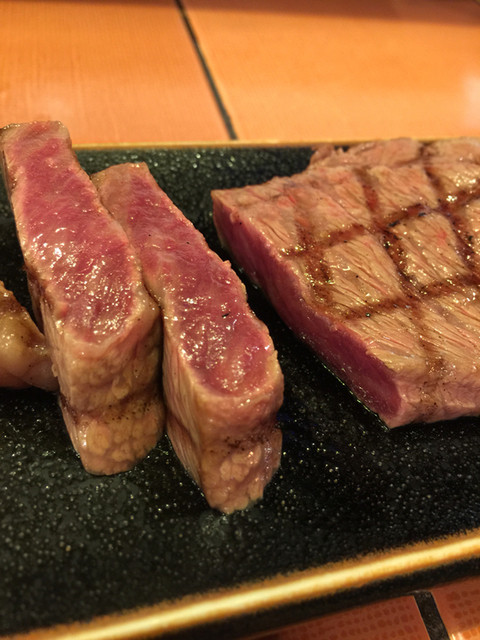
At dinner on Kyoto’s older commercial streets, the city’s restaurant hierarchy is often less theatrical than visitors expect. Serious rooms can be small, close-set, and practical: a counter, a table or two, tatami seating, and a grill doing the evening’s work. Fujimura belongs to that Kyoto register, where yakiniku is not staged as luxury performance but as a tight, meat-focused meal built around heat, timing, and the company at the table.
In a city still internationally defined by kaiseki, tea sweets, tofu, and temple-adjacent restraint, yakiniku follows a different social rhythm: later, louder, more companionable, and more direct. The point is not a chef’s progression through courses, but the repeated decision of what to grill next, how long to hold it, and what to drink. After polished set meals, that can feel refreshingly urban.
Kyoto yakiniku with a shochu accent, not a grand cellar performance
The assigned lens is the wine list, but Fujimura’s more revealing beverage signal is shochu. Across Japan, premium grilled-beef restaurants often split in two directions: one courts Burgundy, Bordeaux, and sommelier-led pairing culture; the other stays closer to the izakaya-adjacent language of beer, highballs, and distilled spirits. Shochu places this address in the second camp, built to handle fat, smoke, dipping sauce, and repeated bites rather than turn dinner into a cellar discussion.
That is not a lesser position, but a different editorial proposition. Yakiniku does not need a deep wine wall to feel serious; it rewards pacing, heat control, and cuts chosen for grilling. In a small, table-led room, a concise drinks program can make more sense than a large list. The appeal is the frictionless match between grilled beef and a glass that resets the palate without competing for attention.
Fujimura’s Tabelog score of 3.70 and selection for Tabelog 100 Yakiniku WEST 2025 give it a measurable place in western Japan’s yakiniku conversation. In Kyoto, where visitors can default to Japanese fine-dining categories with stronger English-language visibility, that recognition redirects attention to a local dinner habit rather than another formal tasting menu.
A small-room format in a city of set pieces
The dining room format is part of the argument. Sixteen seats, including counter seating, one table, and tatami tables, make the meal feel like a compact neighbourhood specialist rather than a large-format grill house. That scale suits a focused dinner with friends more than a sprawling group event, and keeps the grill at the center of the social contract. Private rooms are not part of the setup, which signals the tone: communal by nature, not corporate or ceremonial.
Kyoto has many meals that ask diners to behave as guests inside a tradition. Yakiniku asks something simpler and more participatory: the table controls the meal’s tempo. That is why the format travels well across generations and occasions; it can be casual without being careless, and celebratory without formal service choreography.
On the immediate Kyoto dining map, the contrast is useful. Ayanokoji Karatsu sits in the Japanese dining lane at a higher-spend register, Gyoza Dokoro Takatsuji Sukemasa Honten works at a much lower everyday price tier, and Kameya Yoshinaga Honten belongs to the confectionery and tea-sweet side of the city’s food culture. Against those reference points, Fujimura occupies a middle evening category: meat-led, compact, social, and credentialed without the stiffness of many destination meals.
For a broader Kyoto itinerary, it pairs well with the city’s varied dining stops rather than competing with them. Readers mapping several meals can compare it with 3TOKU6MI Shijo karasuma ten, 551蓬莱, [ki:], Abbesses, and Aburi Mochi Honke Nemoto Kazariya. The point is not to rank unlike formats, but to build a trip moving between grilled beef, sweets, casual staples, and more composed restaurant cooking.
How to place it in a Kyoto food itinerary
Fujimura works when the night calls for compact grilled beef rather than ceremony. The average dinner spend sits in the JPY 5,000 to JPY 5,999 range, below Kyoto’s formal fine-dining tier and above quick casual eating. That price band is part of its usefulness: it gives visitors a credible yakiniku address without making the evening the trip’s financial centerpiece.
The Omiya area position also matters. This is not postcard Kyoto around shrine gates and riverside promenades; it is a practical urban pocket with transport links and everyday dining energy. For travelers staying around central Kyoto, the meal can sit neatly after shopping, galleries, or a bar-led evening rather than requiring a separate destination plan.
Reservations are available, and the small seat count makes planning sensible. Payment is another practical cue: cards, electronic money, and QR payments are not accepted, so the meal belongs to Japan’s still-present cash-first dining culture. That detail is not romantic; it prevents a good dinner from ending awkwardly.
For readers building a wider Japan file, Fujimura shows how category matters more than city reputation. Kyoto yakiniku should be read beside other meat, grill, and casual-specialist formats across the country, from -Grilled beef Sukiyaki- KAMAKURA TANUKIAN 鎌倉 たぬき庵 in Kamakura to. 鮪と炭火焼き うお炭 秋葉原店 in Tokyo.cafe in Osaka.know in Kumamoto, (Shoku) Vietnam in Kawasaki, and [Curry Senmon Ten] Maruyama Kyoju. in Sapporo. Even overseas Japanese drinking and snack formats, such as Jōdo Saké Bar in Los Angeles and Onigiri Time in Pasadena, help frame how narrow formats can carry serious cultural weight.
Use the wider city guides to balance the night: Our full Kyoto restaurants guide for dining, Our full Kyoto hotels guide for where to stay, Our full Kyoto bars guide for after dinner, Our full Kyoto wineries guide for wine-focused planning, and Our full Kyoto experiences guide for cultural structure around the meal.
Cuisine Lens
Comparable venues to anchor price and recognition.
| Venue | Cuisine | Price | Notes |
|---|---|---|---|
| FujimuraThis venue — the venue you are viewing | Kyoto Yakiniku (Omi beef) | $$ | Not listed |
| Rakushaan | Traditional Japanese Warabi Mochi Specialty | $$ | Shichiku |
| 3TOKU6MI Shijo karasuma ten | Japanese Izakaya & Oden Standing Bar | $$ | Shimogyō |
| SPICE GATE | Japanese-style spice curry & dashi curry café | $$ | Shimogyō |
| 祇園丸山 | Japanese Tea House | Not listed | Higashiyama |
| とんかつ山本 | Traditional Tonkatsu | $$ | Nakagyo-ku |
Recognition history
Dated appearances from independent guides and award organizations, with the underlying list record or original source where available.
Tabelog 100 #21 · No. 21
Tabelog · Tabelog 100 - Yakiniku - WEST - 2025
Continue exploring
More in Kyoto
Restaurants in Kyoto
Browse all →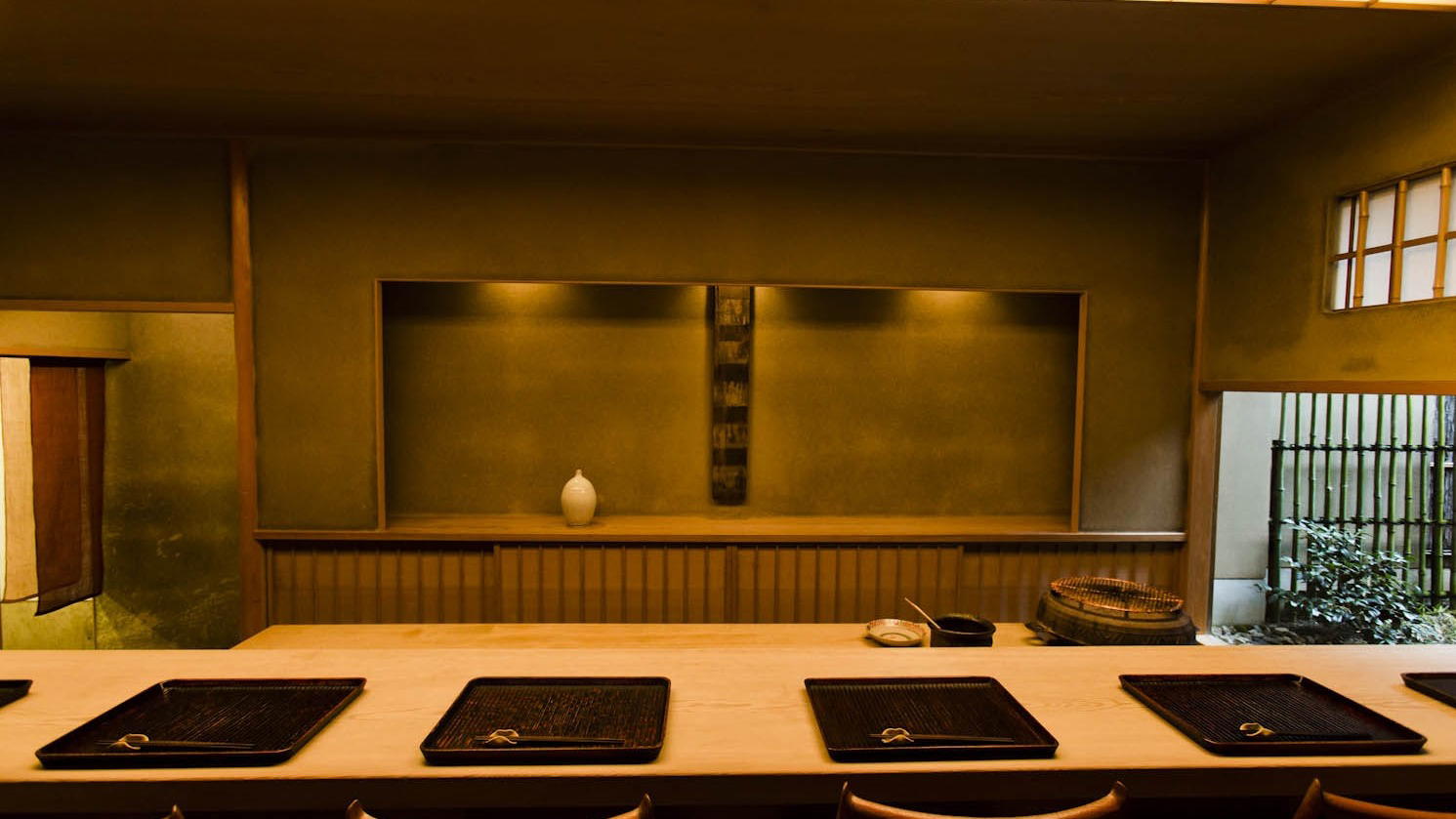
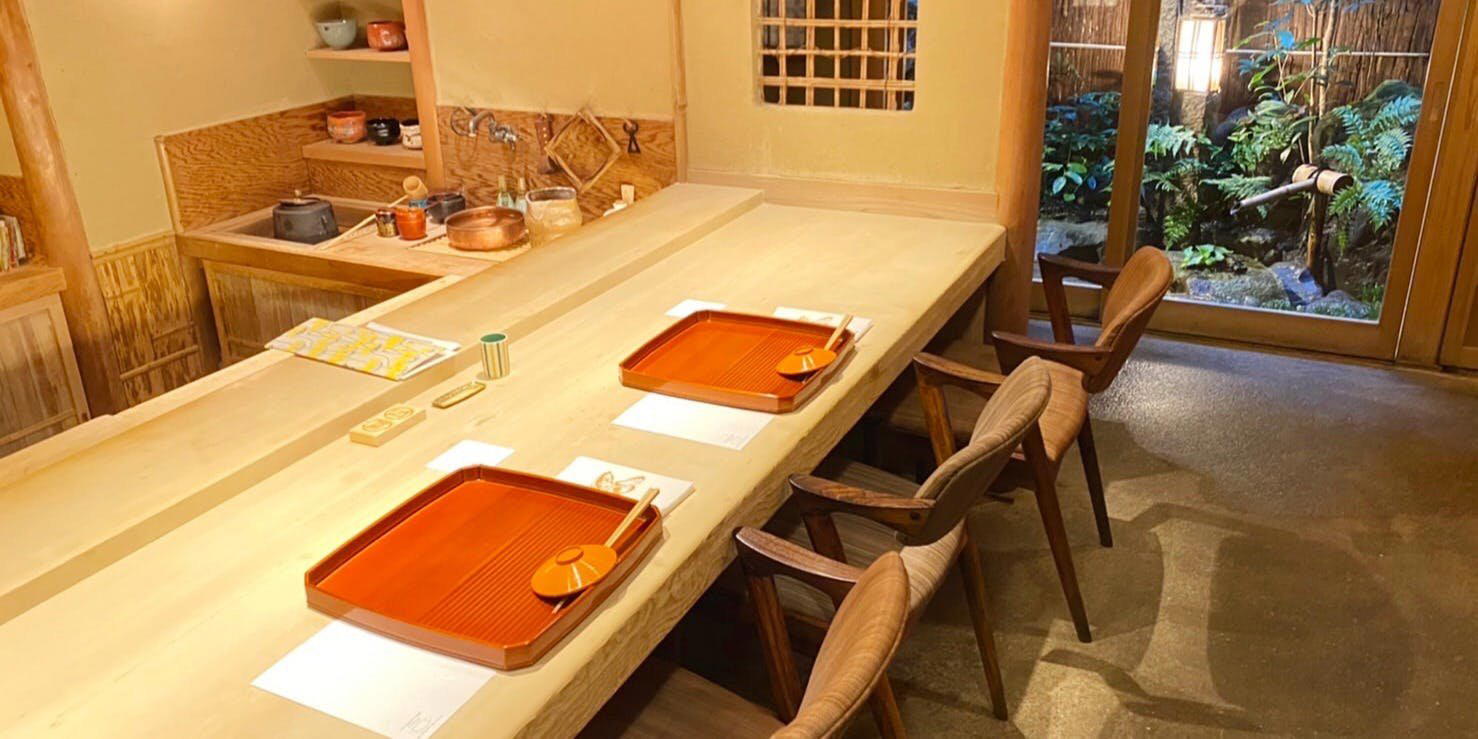
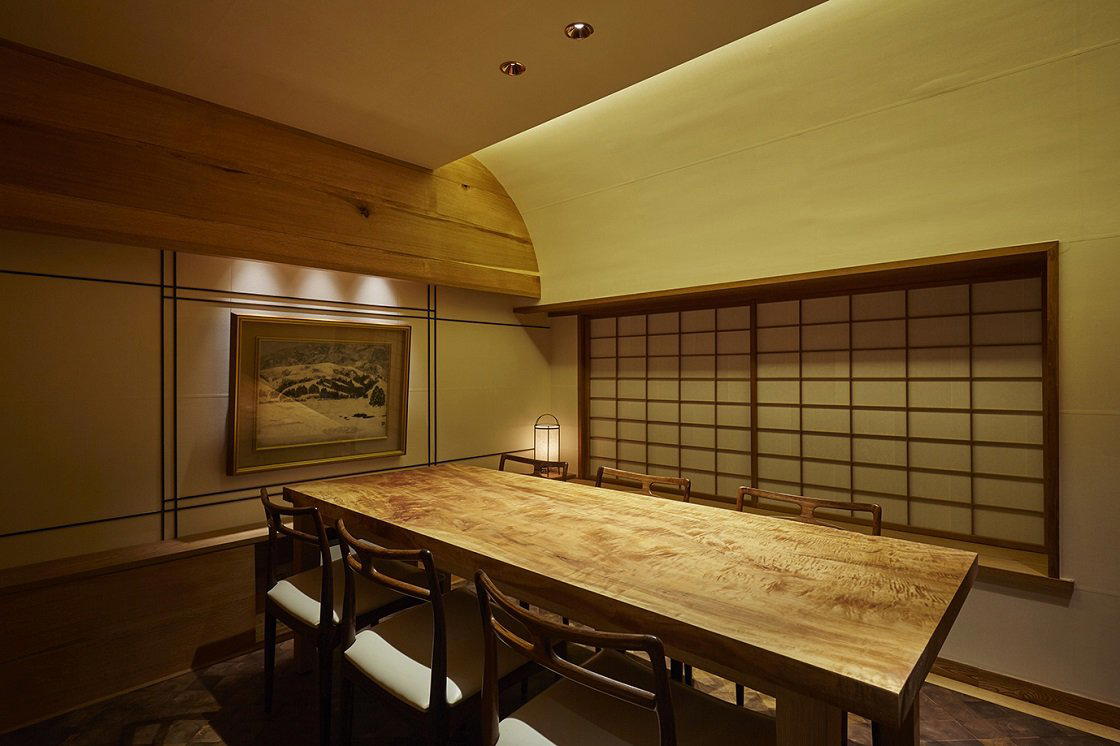
Bars in Kyoto
Browse all →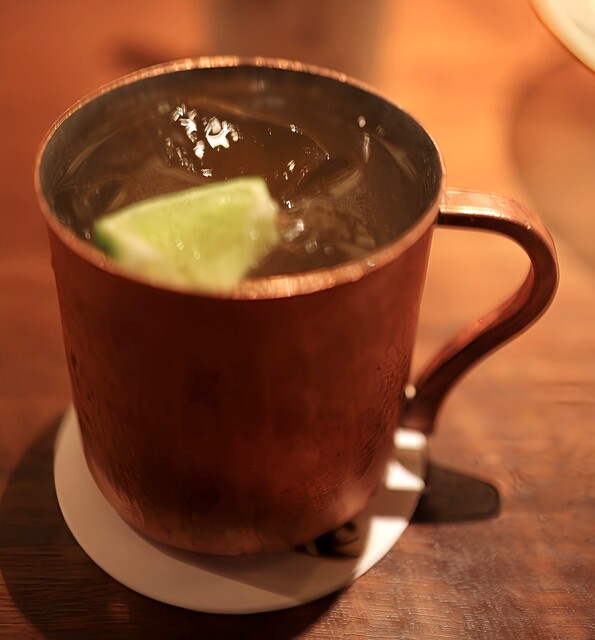
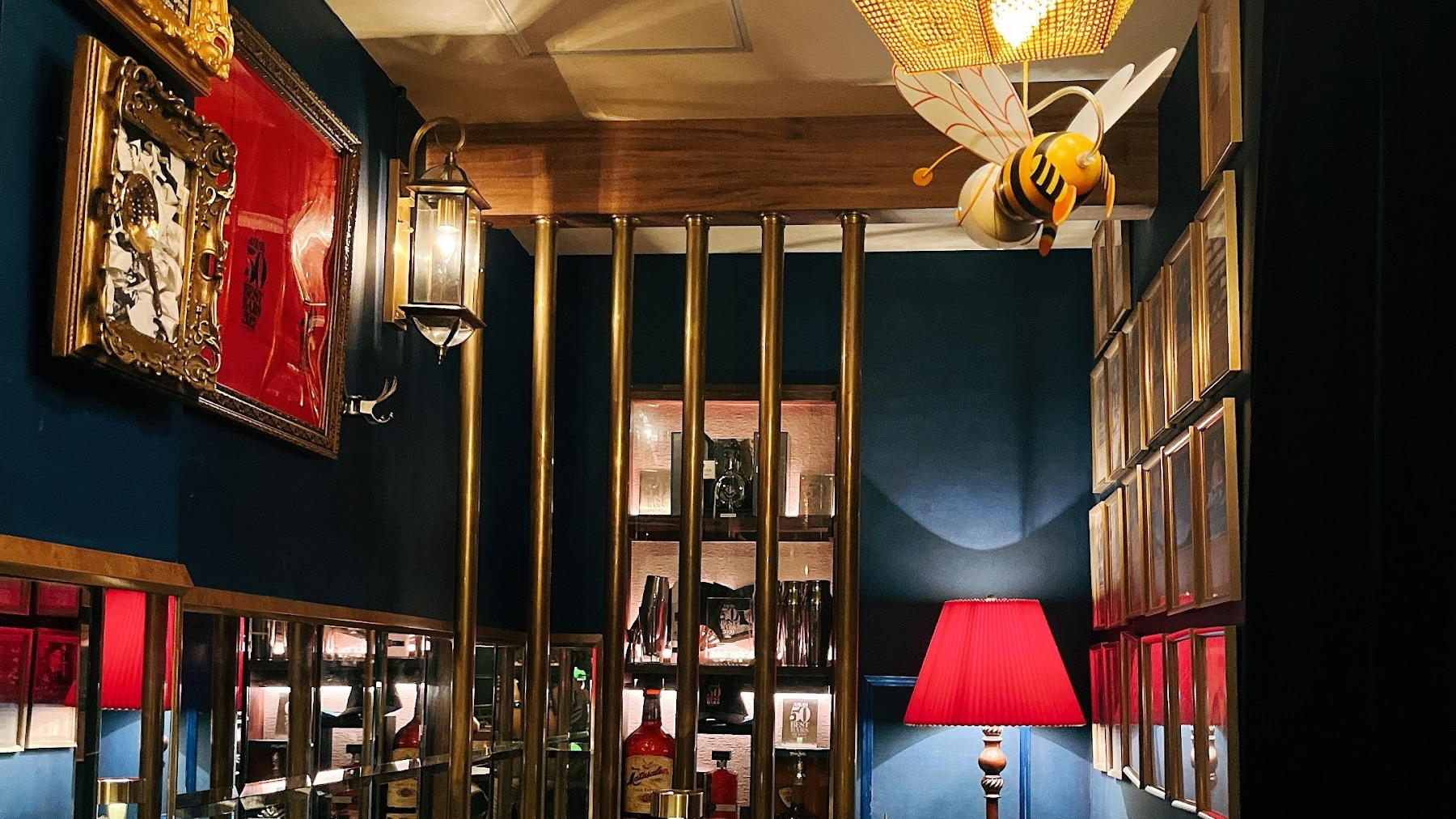
Hotels in Kyoto
Browse all →
Wineries in Kyoto
Browse all →
At a Glance
- Cozy
- Classic
- Group Dining
- Casual Hangout
- After Work
- Family
- Standalone
- Local Sourcing
Current opening hours
- Monday
- 5–9:30 PM
- Tuesday
- 5–9:30 PM
- Wednesday
- Closed
- Thursday
- 5–9:30 PM
- Friday
- 5–9:30 PM
- Saturday
- 5–9:30 PM
- Sunday
- 5–9:30 PM
Hours can change for holidays and private events. Last verified .
Small, traditional yakiniku restaurant with counter and tatami seating, a relaxed local feel, and the focus on grilling premium beef at the table.