
Ryuhei Soba places Kyoto’s buckwheat-noodle tradition in Nishikyo, away from the temple-side dining circuits that dominate visitor itineraries. Its Tabelog 100 Soba WEST selections in 2024 and 2025 give it a clear quality signal, while the modest lunch pricing keeps the experience closer to everyday Kansai soba culture than ceremonial fine dining.
Pearl is the En Primeur Club membership app — saves, bookings, and concierge access live there. Same editors, same standards.
- Address
- 京都府京都市西京区桂浅原町157
- Phone
- +81753937130
- Website
- ryuhei-soba.jp
 Saves & bookings on Pearl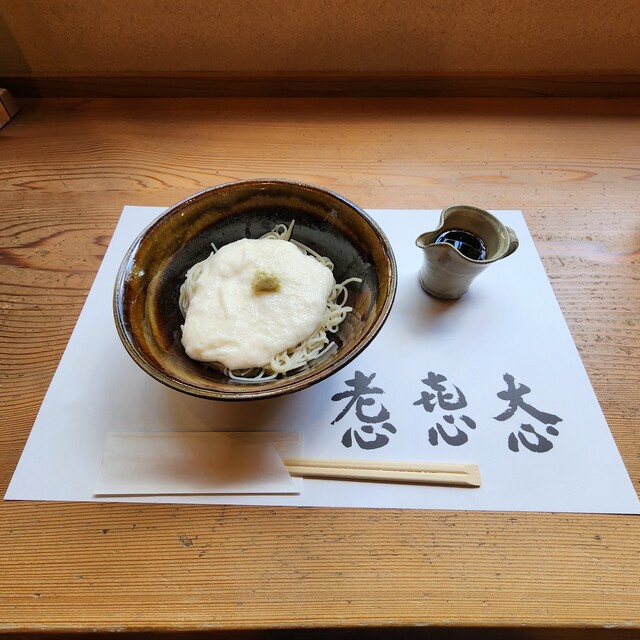
Approaching Katsura changes the tempo of a Kyoto meal. The city’s eastern temple corridors trade in procession and spectacle; Nishikyo moves at a residential pace, with narrower streets, lower-rise buildings, and fewer meals built around sightseeing momentum. In that setting, soba reads differently. It is not a prelude to a kaiseki evening or a convenient pause between shrines, but a self-contained expression of buckwheat, broth, and restraint.
Kyoto’s noodle culture is often discussed through ramen queues, udon comfort, and the old capital’s formal dining rooms. Soba occupies a quieter lane. Its pleasure depends on discipline rather than abundance: milling, water, noodle texture, dipping broth, and the timing between kitchen and table. Ryuhei Soba belongs to that lane, and its selection for Tabelog 100 Soba WEST in both 2024 and 2025 places it among the region’s noted buckwheat specialists rather than the city’s general tourist restaurants.
Nishikyo gives Kyoto soba a different frame
Location matters here because Kyoto’s dining geography can distort expectations. Central areas such as Shijo and Karasuma carry a dense mix of department-store counters, polished izakaya, cafés, and restaurants built for mixed local and visitor traffic; the western side of the city is less performative. Around Katsura, a meal can feel more like a neighbourhood decision than a destination ritual, even when recognition has started to travel beyond the ward.
That distinction gives the soba house its editorial weight. A low-priced, award-listed noodle meal in Kyoto says something specific about Japan’s casual excellence: technical cooking is not confined to tasting-menu rooms. The same city can support high-spend counters, sweets houses, ramen shops, and quietly ambitious specialists at lunch prices. In the comparison set, Okashi Tsukasa Nakamura Ken sits in a similar JPY 1,000 to JPY 1,999 band but belongs to a different Kyoto tradition, while Tempura Kawatatsu signals a higher-spend fried-food format. Menya Sanda and Muginoyoake show the pull of ramen at comparable casual price points. Ryuhei Soba’s distinction is the soba category itself, not a broader claim of luxury.
The meal is built around buckwheat, not ceremony
Soba rewards attention to small choices. Cold preparations foreground noodle texture and aroma; warm bowls shift emphasis toward broth, steam, and comfort. Kyoto diners often treat these distinctions as seasonal common sense rather than menu theatre. The point is not excess but calibration: how much resistance the noodle carries, how the dipping sauce or soup frames it, and whether the meal leaves room for the clean finish that makes soba endure as a daily food.
The available public signals suggest a restaurant operating with the practical clarity of a specialist. The category is soba, private rooms are available, parking is available, and private use is not. Payment details are narrow rather than universal, with AMEX accepted and electronic money or QR code payments not accepted. Those facts matter for travellers because Kyoto’s smaller restaurants can be less flexible than hotel-district venues; a little planning prevents the wrong kind of friction.
The opening date, February 4, 2023, also makes the recognition notable. By 2025, the restaurant had already appeared in Tabelog’s regional soba selection twice. In Kyoto, where older names often dominate culinary narratives, that recent ascent is a useful reminder: tradition is not only preserved by age. It is also maintained by newer rooms willing to work within a narrow craft category and be judged against specialists across western Japan.
How to place it within a Kyoto itinerary
This is a better fit for a west-side day than a rushed detour from Higashiyama. Katsura is not where most first-time visitors accidentally find lunch, and that is part of the appeal for diners who want Kyoto without the constant compression of the sightseeing belt. The nearest station is Katsura, and the restaurant is listed 876 meters from it, which makes timing and weather part of the decision rather than an afterthought.
The practical read is simple: plan it as a focused soba stop, not as a long-form formal meal. The price range sits in the JPY 1,000 to JPY 1,999 bracket, so the value proposition is unusually strong for a venue with regional award recognition. Reservations are unavailable, which shifts the decision from securing a table weeks ahead to choosing a sensible arrival window and accepting the rhythm of a small specialist restaurant.
For readers mapping a wider Kyoto food day, the city’s range is better understood through contrasts than rankings. Central casual dining can run from 3TOKU6MI Shijo karasuma ten to 551蓬莱, while smaller contemporary rooms such as [ki:] and French-leaning addresses like Abbesses point to a different register. For older confectionery culture, Aburi Mochi Honke Nemoto Kazariya belongs on the same mental map, though it answers a completely different craving.
Use the broader city guides to build the day around geography rather than appetite alone: Our full Kyoto restaurants guide, Our full Kyoto hotels guide, Our full Kyoto bars guide, Our full Kyoto wineries guide, and Our full Kyoto experiences guide. For readers comparing Japanese casual formats beyond Kyoto, the national spread runs from -Grilled beef Sukiyaki- KAMAKURA TANUKIAN 鎌倉 たぬき庵 in Kamakura and. 鮪と炭火焼き うお炭 秋葉原店 in Tokyo to.cafe in Osaka.know in Kumamoto, (Shoku) Vietnam in Kawasaki, and [Curry Senmon Ten] Maruyama Kyoju. in Sapporo. Across the Pacific, Jōdo Saké Bar in Los Angeles and Onigiri Time in Pasadena show how Japanese formats travel, simplify, and change audience expectations.
The editorial verdict is restrained by design. Ryuhei Soba is not the address for visitors chasing Kyoto’s grand dining theatre. It is the better choice when the point is to understand how a serious noodle craft can operate inside a modest price band, in a neighbourhood that asks for a little intention rather than passive discovery.
- 盛りそば (Mori soba)
- 冷がけ蕎麦 (Cold kake soba)
- 辛味大根おろし蕎麦 (Spicy daikon oroshi soba)
- すだち蕎麦 (Sudachi soba)
- 鴨汁蕎麦 (Duck dipping soba)
- そばがき (Soba-gaki)
The Essentials
Side-by-side context: comparable cuisine and price.
| Venue | Cuisine | Price | Notes |
|---|---|---|---|
| Ryuhei SobaThis venue — the venue you are viewing | Not listed | $$ | Not listed |
| Grill Kodakara (グリル小宝) | Not listed | $$ | Okazaki, Retro Yoshoku (Japanese Western) |
| Aje Matsubara honten | Not listed | $$ | Shimogyō, Yakiniku & Horumon (Offal) Barbecue |
| 德まる | 中京区, Japanese Kappo | $$ | Not listed |
| é«å°å¯º åä¹ å³ | Not listed | Not listed | Higashiyama, Shojin Ryori (Buddhist Temple Cuisine) |
| Yamamoto Menzo (山元麺蔵) | Okazaki, Authentic Kyoto-Style Udon | $$ | Not listed |
Recognition history
Dated appearances from independent guides and award organizations, with the underlying list record or original source where available.
Tabelog 100 #16 · No. 16
Tabelog · Tabelog 100 - Soba - WEST - 2025
Continue exploring
More in Kyoto
Restaurants in Kyoto
Browse all →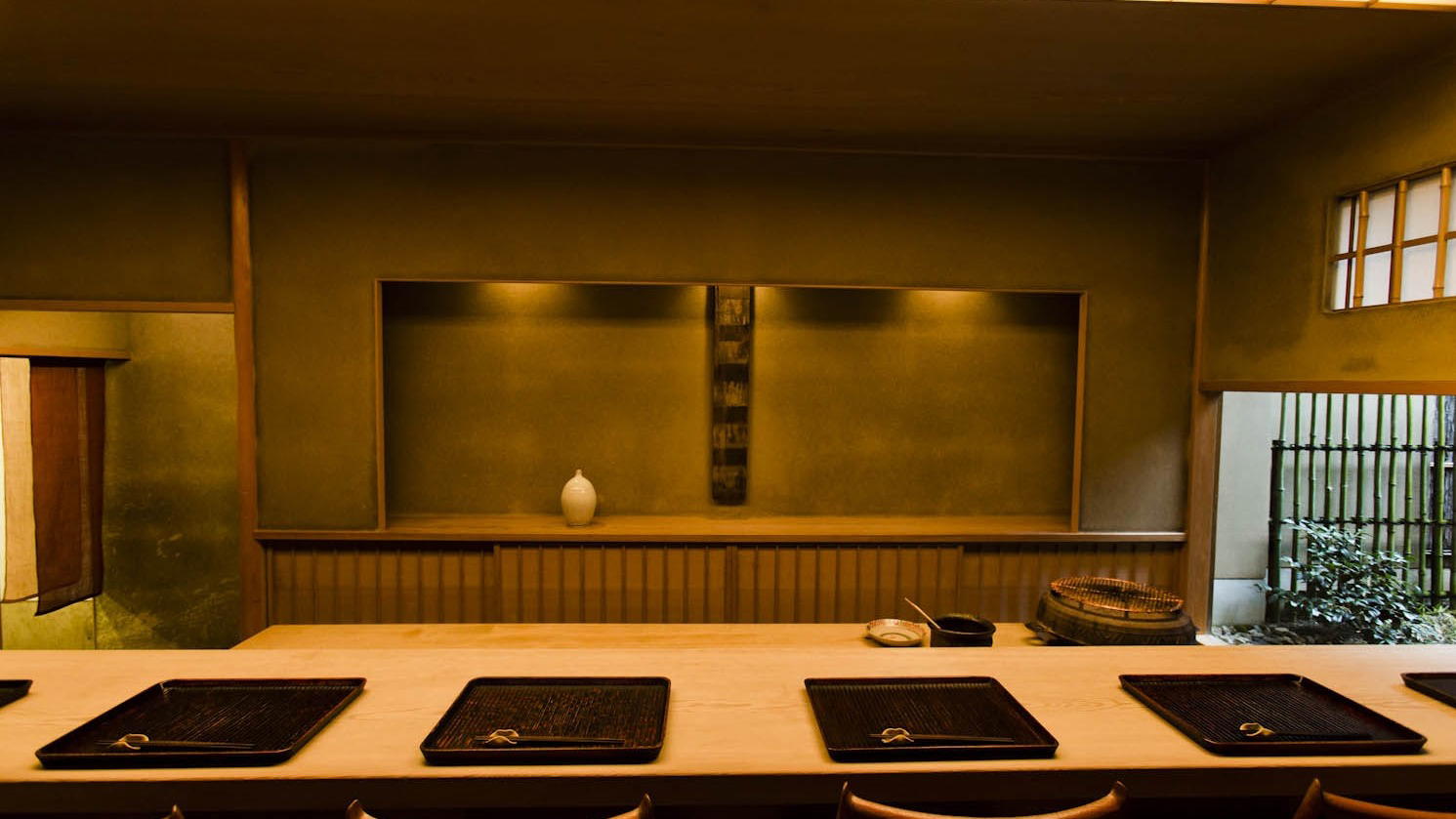
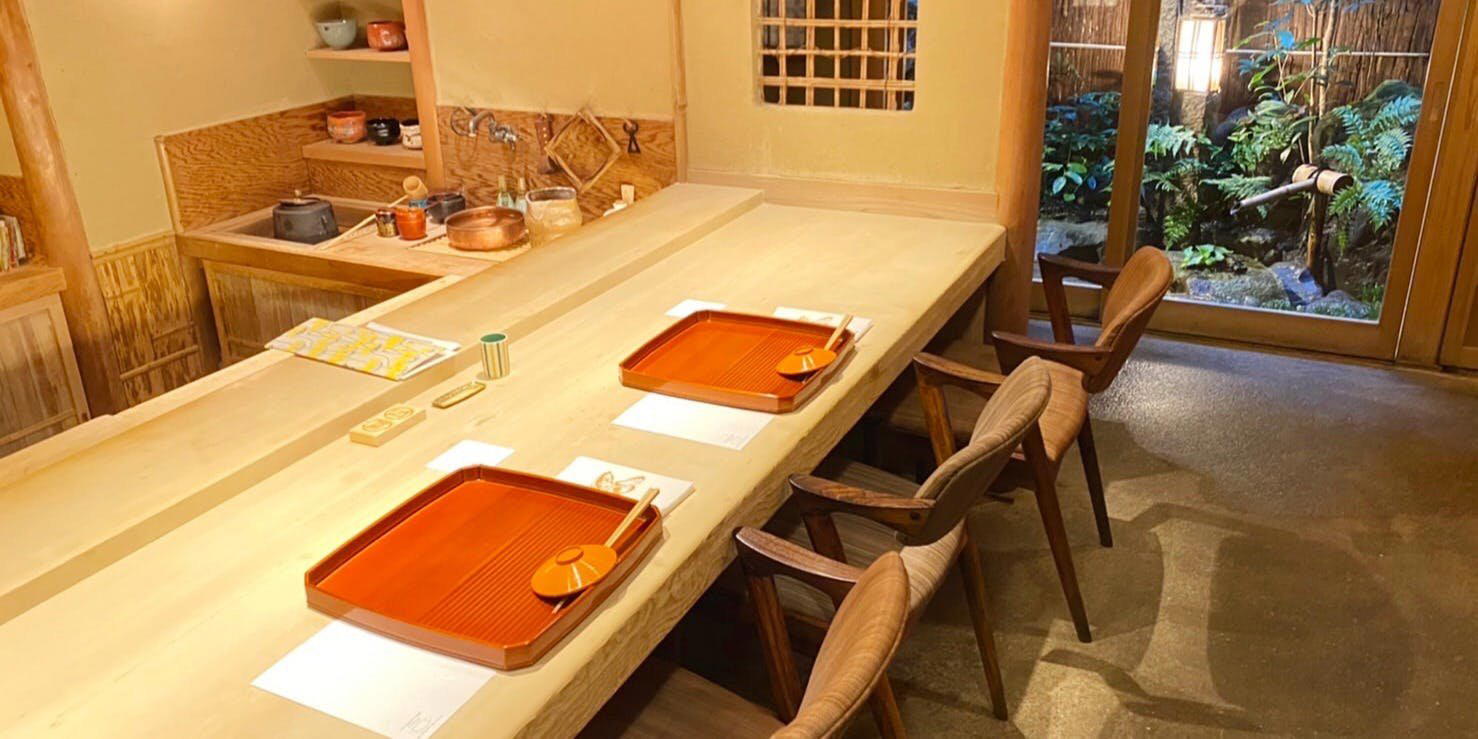
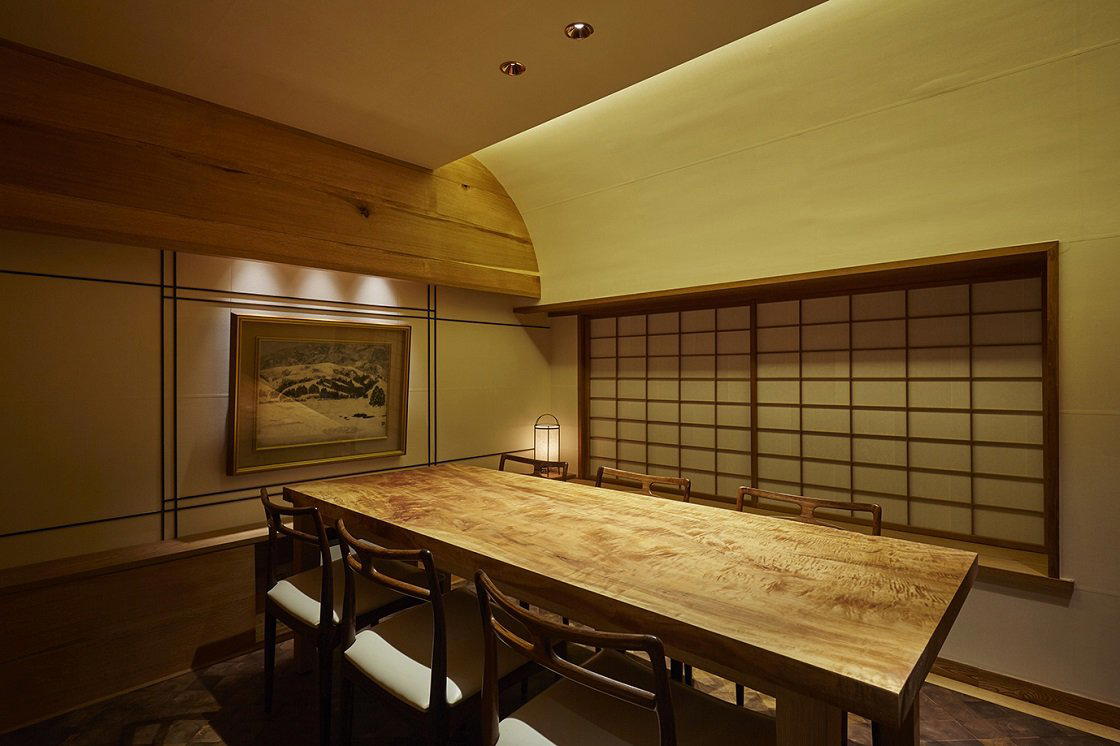
Bars in Kyoto
Browse all →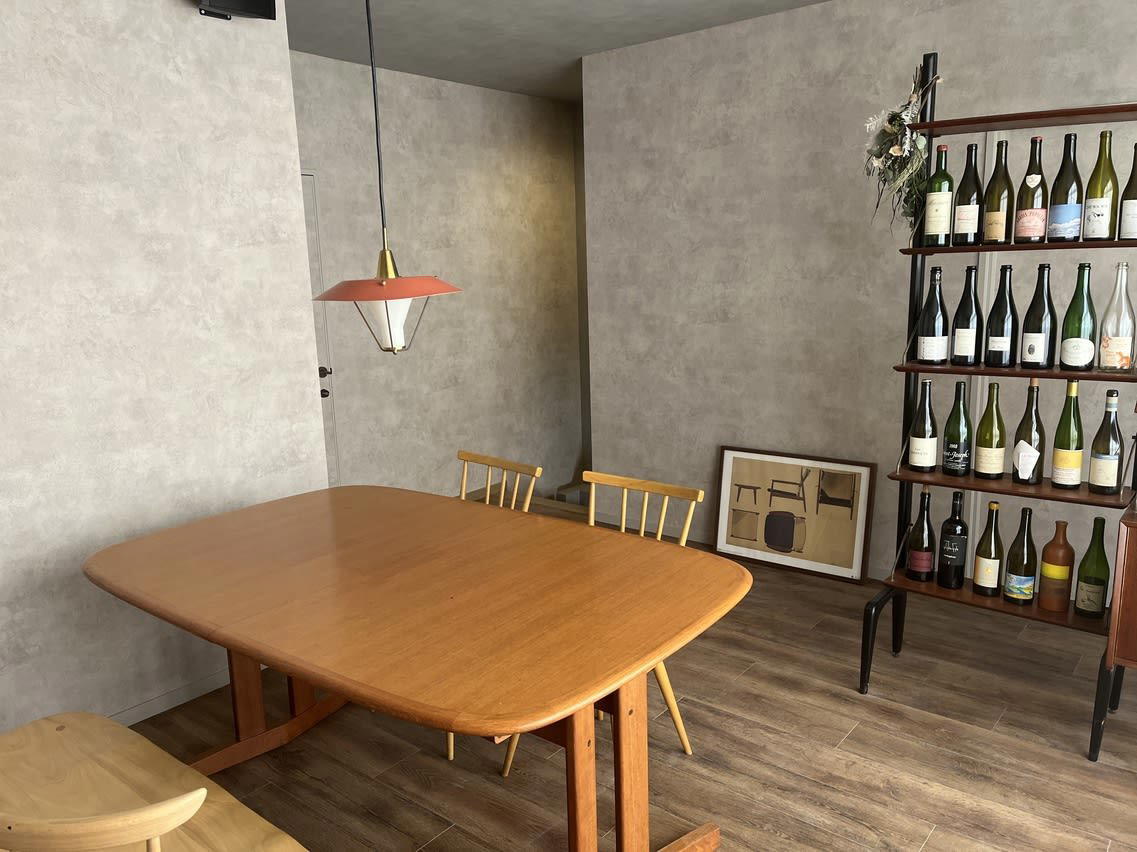
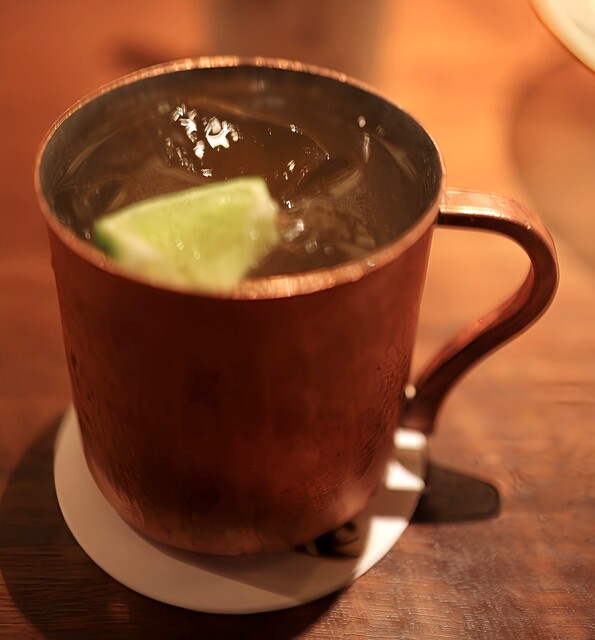

Hotels in Kyoto
Browse all →
Wineries in Kyoto
Browse all →
At a Glance
- Quiet
- Classic
- Cozy
- Intimate
- Solo
- Casual Hangout
- Standalone
- Sake Program
- Beer Program
- Local Sourcing
An intimate, quietly refined space in a residential area near Katsura Imperial Villa, emphasizing the calm, nostalgic charm of Kyoto rather than formality; the atmosphere is understated, with a focus on water, seasonality, and the emotional 'jocho' of classic Edo and Kyoto aesthetics.