Sitting on Gionmachi Minamigawa in Kyoto's Higashiyama Ward, 山庄都仟 occupies one of Japan's most architecturally weighted dining corridors, where machiya townhouse aesthetics and kaiseki tradition converge. The venue positions itself within a comparable set that includes Gion Sasaki and Kikunoi Honten, both benchmarks for the city's formal dining tier. Specific menu and booking details are best confirmed directly with the venue.
Pearl is the En Primeur Club membership app — saves, bookings, and concierge access live there. Same editors, same standards.
- Address
- 570-151 Gionmachi Minamigawa, Higashiyama Ward, Kyoto, 605-0074, Japan
- Phone
- +81755618001
- Website
- yosukeyamaji.com
- Directions
- Get directions
 Saves & bookings on Pearl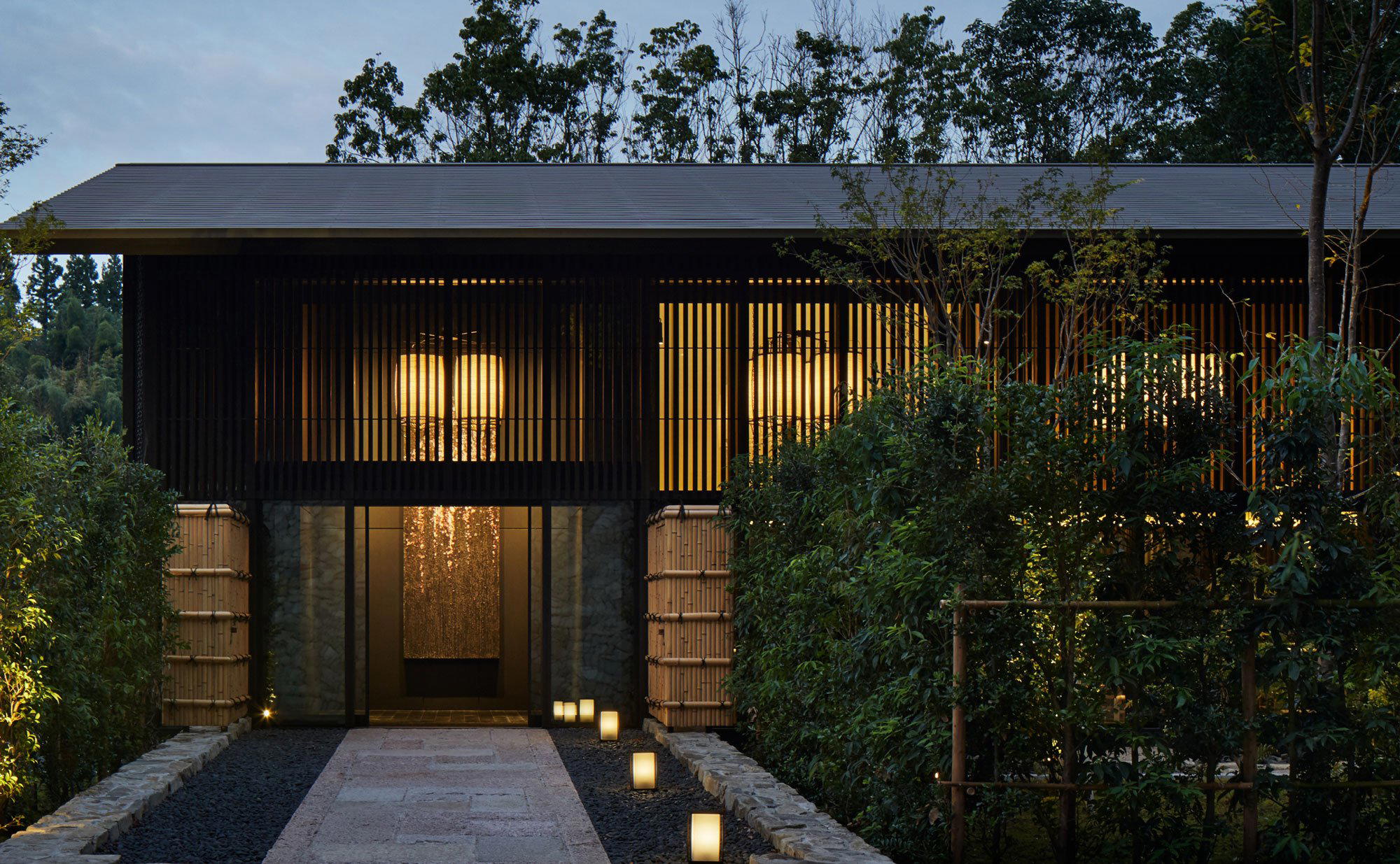
The Physical Weight of Gion's Dining Corridor
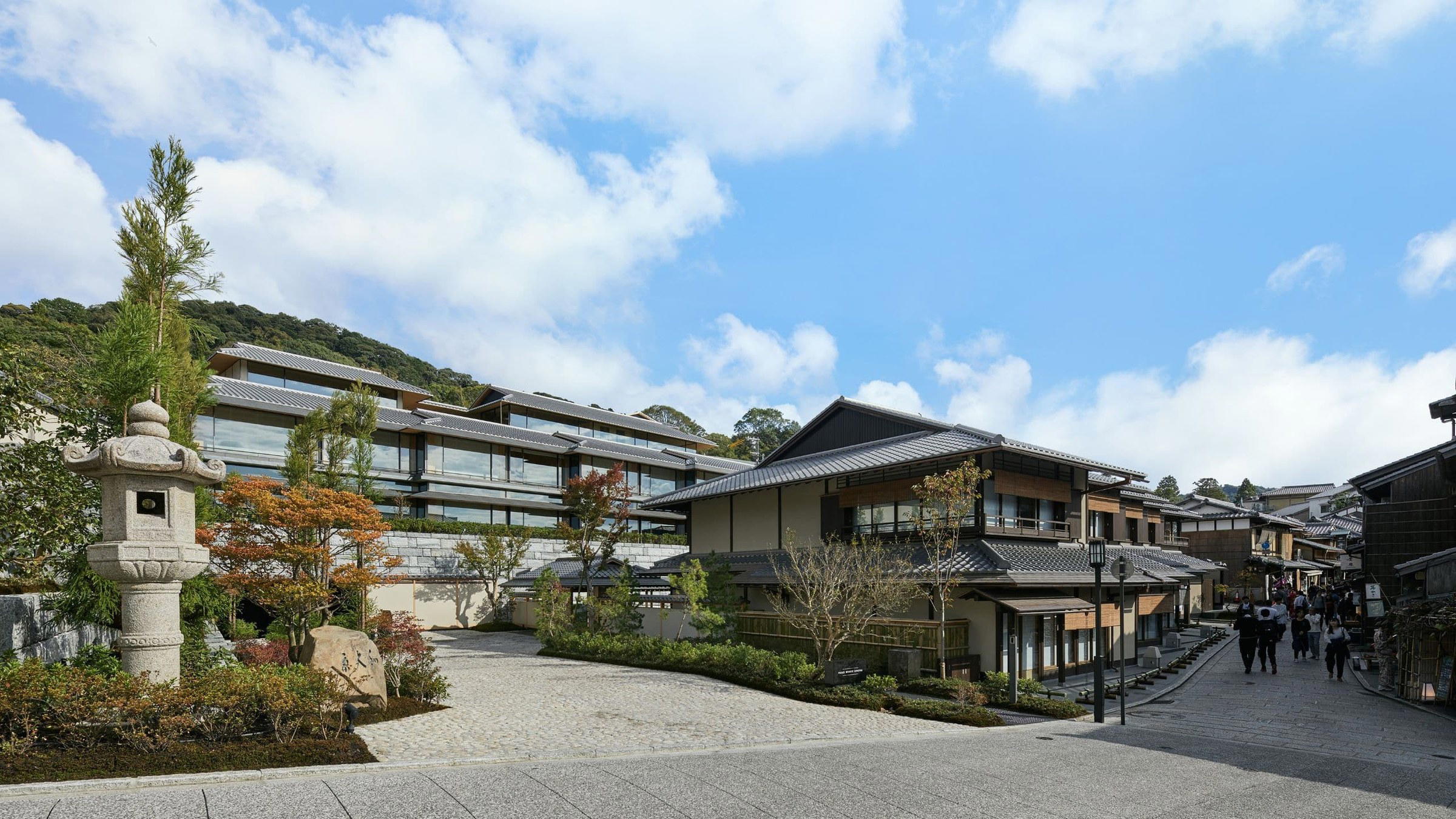
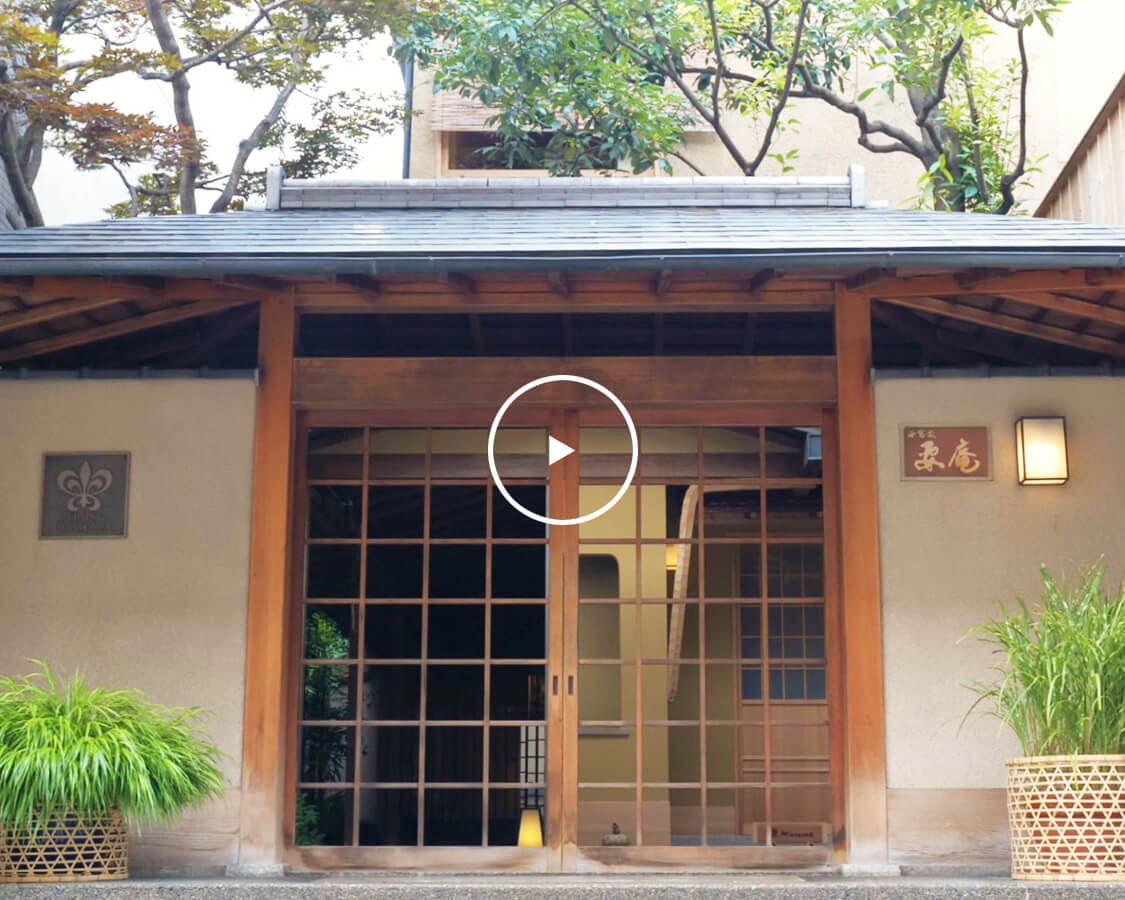
Gionmachi Minamigawa is not a street that announces itself softly. The southern lane of Gion runs parallel to the Shirakawa canal, and the buildings that line it carry the compressed formality of centuries of tea-house culture, merchant wealth, and culinary ritual. The machiya, Kyoto's narrow, deep-plan wooden townhouses, set the architectural grammar here: latticed facades, stone-paved approach paths, and interiors that draw the eye inward and downward rather than upward and outward. It is within this frame that 山地陽介 sits at 570-151 Gionmachi Minamigawa, Higashiyama Ward.
That address is itself a credential. Higashiyama Ward contains some of Kyoto's most concentrated fine-dining real estate, and the southern Gion stretch in particular functions as a kind of pressure test for any venue: the neighbourhood's spatial and aesthetic expectations are high, and the comparison set is unforgiving. Gion Sasaki operates a few minutes away at the summit of the kaiseki price tier. Kikunoi Honten anchors the mid-to-upper tier with decades of institutional recognition. A venue choosing this postcode is, in effect, choosing its competitive context deliberately.
Space as Editorial Statement
In Kyoto's kaiseki tradition, the physical container of a meal is not incidental to what is served. The room, its proportions, its materials, the relationship between private and communal space, carries as much meaning as the sequence of courses. This is why the machiya format has proved so durable in high-end Kyoto dining: the long, narrow floor plan naturally produces a series of sequenced spaces, each with a distinct character, which mirrors the progression of a kaiseki meal through early lighter courses toward richer, more sustained ones.
The design vocabulary of Gion's upper-tier venues tends toward restraint: exposed timber, natural stone, minimal decorative clutter. Light enters through screens and internal gardens rather than through wide windows. The spatial effect is one of deliberate compression and release, narrow approaches opening into intimate dining rooms, external noise falling away as you move deeper into the building. Mizai and Hyotei, both Michelin-recognised kaiseki addresses in Kyoto, use comparable spatial logic, deploying traditional architecture as a form of argument about what dining at this level should feel like.
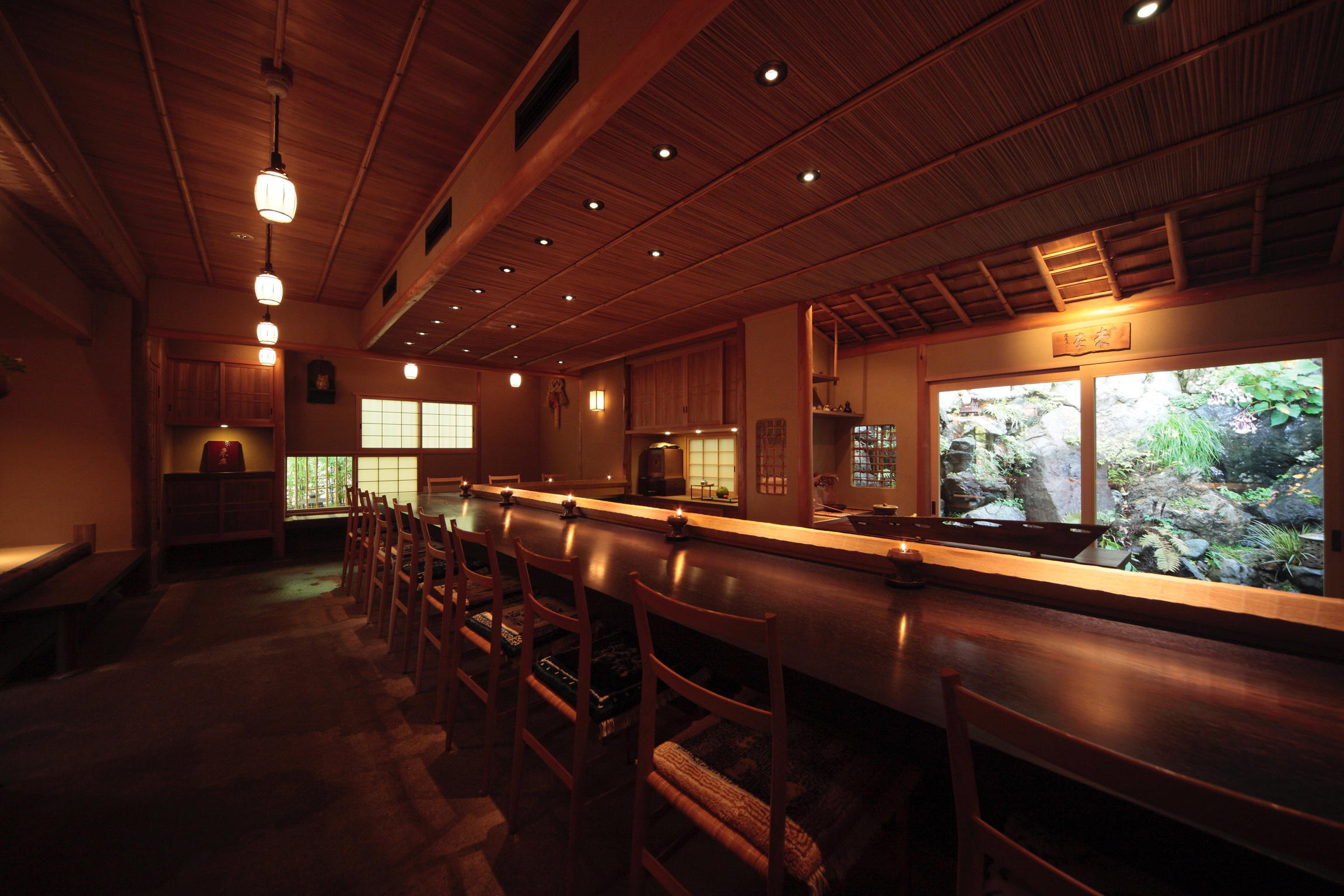
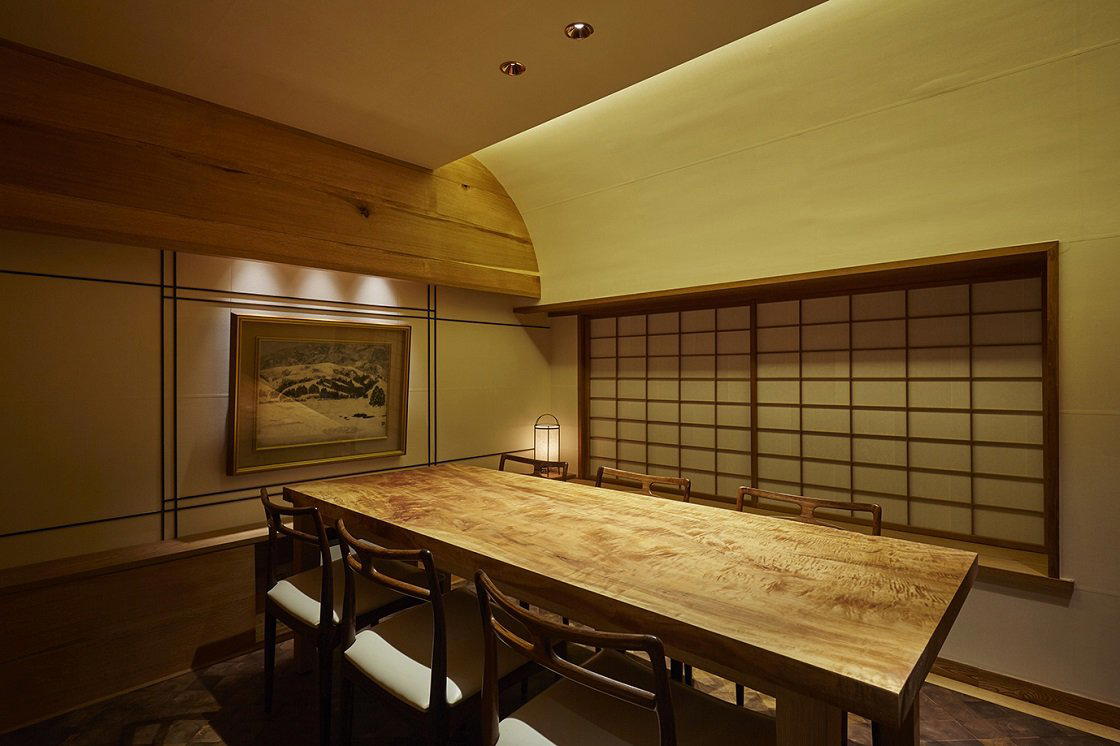
At venues in this architectural tier, seating arrangements are typically organised around small, separated dining rooms or a counter format that keeps groups acoustically and visually isolated. The counter, in particular, has gained status in Kyoto's serious dining rooms over the past decade, borrowed partly from sushi's intimate model and partly from a recognition that the counter position allows guests to observe preparation directly, which has its own spatial and educational function. Whether 山庄都仟 operates a counter, private rooms, or a combination is best confirmed directly with the venue, but the Gionmachi Minamigawa address places it squarely in the architectural tradition that prizes that kind of spatial intentionality.
Positioning Within the Kyoto Fine-Dining Tier
Kyoto's high-end restaurant scene has stratified over the past fifteen years into roughly three pricing tiers, each with its own booking dynamics and expectation profiles. At the upper end sit venues commanding ¥¥¥¥ pricing, equivalent to the tier occupied by Gion Sasaki and Isshisoden Nakamura, where a meal is priced as an event rather than a dinner. Below that sits a substantial ¥¥¥ tier that includes technically accomplished venues operating with slightly more accessible formats. The comparison venues active in the Gion and broader Higashiyama corridor include kaiseki houses like Mizai, which has held Michelin recognition in the three-star tier, as well as outliers like cenci, which brings an Italian framework to the ¥¥¥ price point.
That spread matters for understanding what 山庄都仟 is and is not. A Gionmachi Minamigawa address signals intent: this is not a venue pitched at casual tourism or lunch-counter dining. It occupies a neighbourhood where the default register is formal, seasonal, and rooted in kaiseki's logic of restraint and progression. The restaurant serves kaiseki and requires reservations.
For comparison beyond Kyoto, HAJIME in Osaka operates at the summit of that city's modern kaiseki-adjacent tier, while Atomix in New York City represents the kind of Korean fine-dining format that draws directly from kaiseki's seasonal and sequential logic. Regionally, akordu in Nara and Goh in Fukuoka offer points of reference for how Japan's secondary cities are developing their own high-end dining identities distinct from Kyoto's model.
Planning a Visit
Venues at this address tier in Gion typically require advance planning. Kyoto's serious dining rooms fill weeks or months ahead during peak seasons, cherry blossom (late March to mid-April) and autumn foliage (mid-November) compress demand significantly, and any venue with limited seating will reflect that pressure in its booking window. Visiting outside those peaks, particularly in summer or the quieter winter months of January and February, generally offers better availability and a different seasonal menu character, since kaiseki menus are defined by what the season provides rather than by a fixed repertoire.
For reference, peer venues in the Gionmachi corridor often require reservations through hotel concierge teams or Japanese-language phone bookings, and some operate on an introduction-only basis for first-time guests. Understanding that operational context before planning is part of the practical reality of dining at this level in Kyoto.
Harutaka in Tokyo, 一本木 奈川制 in Nanao, 古仲山乃 in Sapporo, 湖辺庵 in Takashima, 庄羽屋 in Nishikawa Machi, Birdland in Sakai, and Bistro Ange in Toyohashi, each operating within distinct regional and format contexts. Le Bernardin in New York City provides a useful Western reference point for what sustained institutional recognition looks like across decades in a formal dining format.
The Quick Read
Comparable venues nearby, for context on price, style, and recognition.
| Venue | Cuisine | Price |
|---|---|---|
| 山地陽介This venue — the venue you are viewing | Higashiyama, Kaiseki | Not listed |
| Ebisu | Shimogyo-ku, Kyushu Izakaya | $$ |
| 祇をん かじ正 | 祇園, Traditional Kyoto Kaiseki Kappo | $$ |
| Kaikado Cafe | Shimogyō, Japanese Tea Cafe | $$ |
| 方寸長島 | Nakagyō, japanese | Not listed |
| Yamamoto Menzo (山元麺蔵) | Okazaki, Authentic Kyoto-Style Udon | $$ |
Continue exploring
More in Kyoto
Restaurants in Kyoto
Browse all →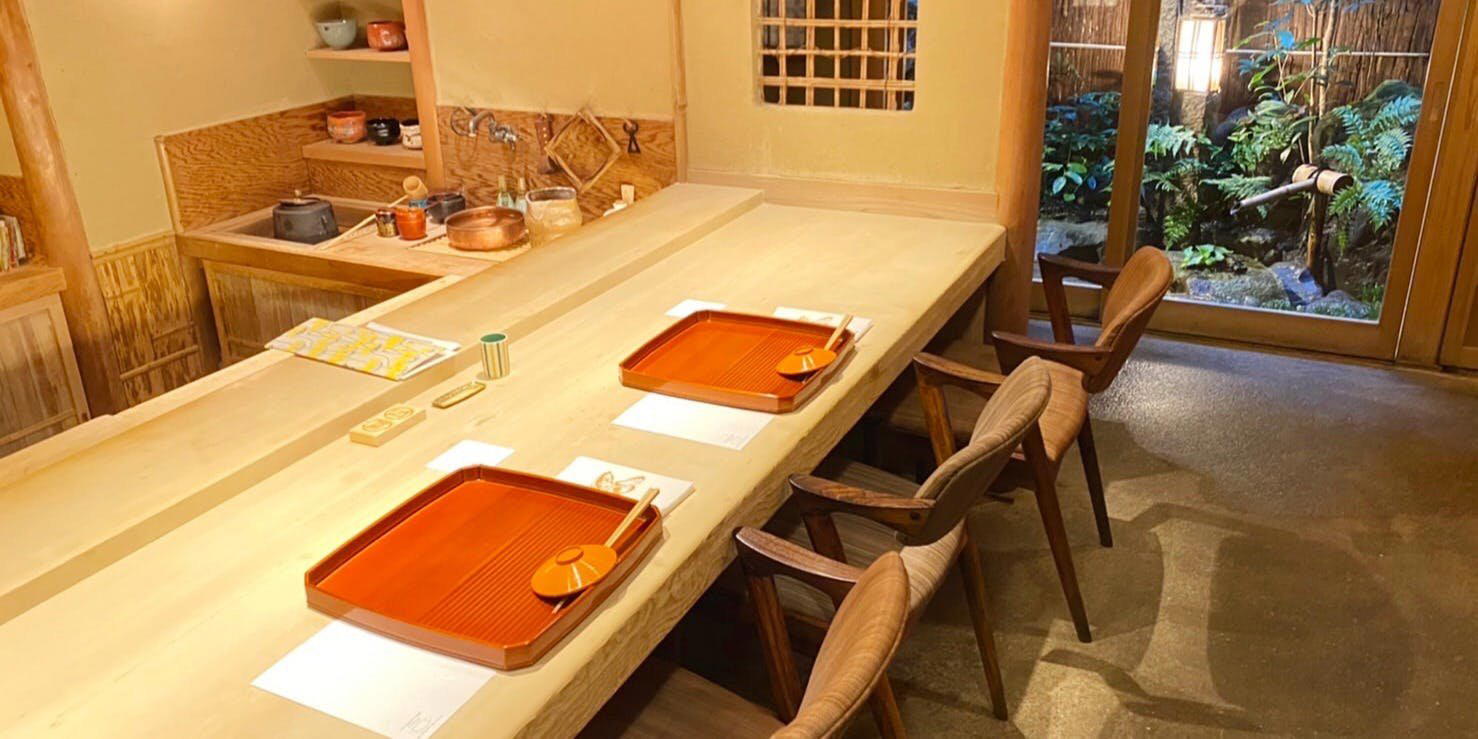


Bars in Kyoto
Browse all →


Hotels in Kyoto
Browse all →
Wineries in Kyoto
Browse all →
At a Glance
- Special Occasion
- Sake Program
Current opening hours
- Monday
- 5–10 PM
- Tuesday
- 5–10 PM
- Wednesday
- Closed
- Thursday
- Closed
- Friday
- 5–10 PM
- Saturday
- 5–10 PM
- Sunday
- 5–10 PM
Hours can change for holidays and private events. Last verified .