Chinese Bed occupies a deliberately low-profile position in Tokyo's competitive fine dining circuit, where securing a reservation requires more groundwork than most comparably serious restaurants in the city. The venue's name alone generates questions before the meal begins, situating it at the intersection of curiosity and exclusivity that defines a certain tier of Tokyo dining. Approach with research, patience, and a flexible schedule.
 Request Booking on Pearl
Pearl is the En Primeur Club membership app — saves, bookings, and concierge access live there. Same editors, same standards.
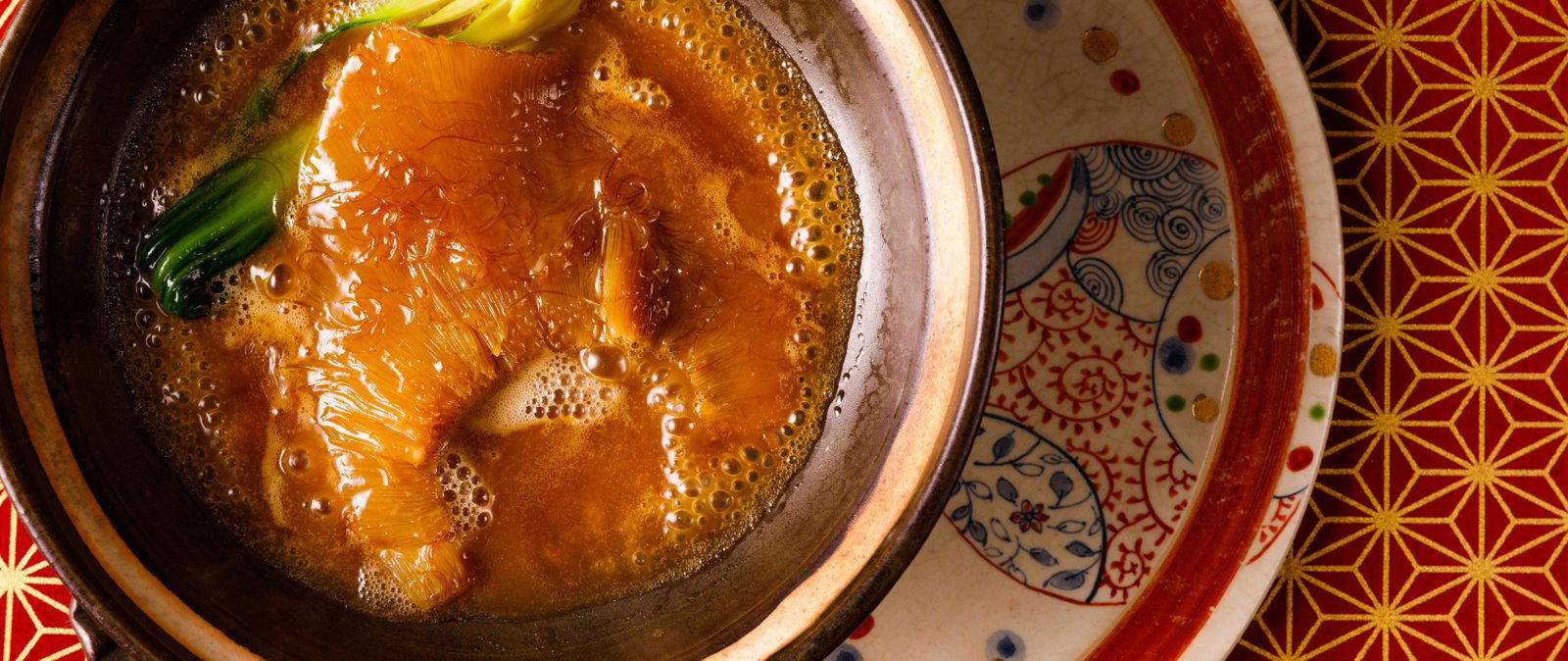
Before You Arrive: What Tokyo's Most Elusive Tables Have in Common
Tokyo's premium restaurant circuit operates on a hierarchy of access that visitors often underestimate. At the upper tier, the gap between knowing a restaurant exists and actually sitting down to eat there can stretch across months, intermediaries, and in some cases, a working knowledge of Japanese. Chinese Bed sits in this tier. The name circulates in conversations among serious diners in the city. That scarcity is itself a signal: in Tokyo, the restaurants that control their own narrative most tightly tend to be the ones where the dining experience demands your full attention once you arrive.
This is a pattern visible across Tokyo's most deliberate dining rooms. Harutaka, operating at the ¥¥¥¥ tier in the sushi category, maintains booking windows that reward advance planning and direct relationships. RyuGin, in the kaiseki tradition, has built a reservation structure that filters for committed diners rather than casual bookings. Chinese Bed belongs to the same cohort: a place where the logistics of getting in are part of understanding what the restaurant is.
The Booking Problem, Stated Plainly
No booking method is publicly confirmed for Chinese Bed. No phone number, website, or online reservation platform appears in verifiable records.
Tokyo's most restricted restaurants tend to fall into one of two access models. The first runs through concierge networks: high-end hotel concierges with established relationships to specific dining rooms can often reach tables that no website will surface. The second runs through personal introduction, where a trusted contact with a standing relationship to the restaurant extends that relationship on your behalf. Both models require lead time measured in weeks, not days.
If your Tokyo itinerary includes comparable venues at the ¥¥¥¥ level, such as L'Effervescence or Sézanne, the concierge path that works for those tables may also be your most reliable route to Chinese Bed. The overlap in peer-group access methods is not coincidental: the infrastructure built around one serious restaurant tends to serve others in the same category.
For context on how access logistics function at this level across Japan, the same planning discipline applies at HAJIME in Osaka and Gion Sasaki in Kyoto.
What the Name Signals
The name Chinese Bed is unexpected for Tokyo, and intentionally so. In a city where restaurant naming conventions at the serious end of dining tend toward either chef surnames, historical references, or single-concept descriptors, a name that reads as a non-sequitur functions as a statement. It resists easy categorization before the meal has begun.
This kind of naming strategy is not unique to Tokyo, but it carries specific weight here. At the level where Chinese Bed operates, the name is assumed to be deliberate, and diners approach it with that assumption intact. The effect is to extend the experience backward into the booking and anticipation phase, which aligns with how Tokyo's most considered dining rooms treat the full arc of a guest's relationship to a meal.
Comparable international examples of this approach include Atomix in New York City, where the name and format together communicate a set of intentions before any dish arrives, and Le Bernardin, which uses institutional reputation to do the same work that a more provocative name might do for a younger restaurant. Chinese Bed sits closer to the Atomix model: the name does communicative work, and arriving with that awareness shapes how the experience reads.
Placing Chinese Bed in Tokyo's Dining Hierarchy
Tokyo's restaurant scene at the serious end is dense enough that positioning matters. The city supports a dense field of serious restaurants, and within it, meaningful distinctions exist between restaurants that serve the international luxury traveler, those that serve a domestic elite, and those that sit at the intersection of both while operating with deliberate restraint on visibility.
Chinese Bed, based on available signals, belongs to the third category. Restaurants in this position often price at or above comparable venues while maintaining access models that require more effort from the diner. The tradeoff is intentional: control over who is in the room on any given evening is itself a condition of the dining experience. Crony, in the innovative French category at ¥¥¥¥, operates with a similarly selective approach, as does Goh in Fukuoka at the regional level.
For diners building a broader Japan itinerary, it is worth mapping Chinese Bed against other venues where access requires the same kind of advance work: akordu in Nara operates at a comparable register of intentional obscurity, and regional options including 一本杉川嶋 in Nanao, 古往今来 in Sapporo, 湖畔荘 in Takashima, and 鳥羽屋 in Nishikawa Machi each reward the same planning orientation. Birdland in Sakai and Bistro Ange in Toyohashi represent regional alternatives for diners willing to move beyond the major city circuit entirely.
Planning Details
Reservations: Recommended. Dress: Smart casual. Budget: Price tier 3. Timing: No confirmed hours. Dietary needs: Communicate any requirements at the point of booking rather than on arrival.
Just the Basics
Comparable venues nearby, for context on price, style, and recognition.
| Venue | Cuisine | Price | Notes |
|---|---|---|---|
| Chinese BedThis venue — the venue you are viewing | Shibuya, Modern Chinese | $$$ | |
| Rouhoutoi | $$$ | Minato, Intimate Modern Chinese Small-Plate Restaurant | |
| Kapo Choryumon | $$$ | Chūō, Modern Cantonese & Dim Sum in Ginza Six | |
| Kohakukyu | $$$ | Chiyoda, Cantonese and Shanghainese Fine Dining | |
| Chuka Kosai JASMINE Hiroo honten | $$$ | Shibuya, Chinese Dim Sum & Cantonese-leaning Chinese | |
| NOGI | Minato, Chinese | $$$ |

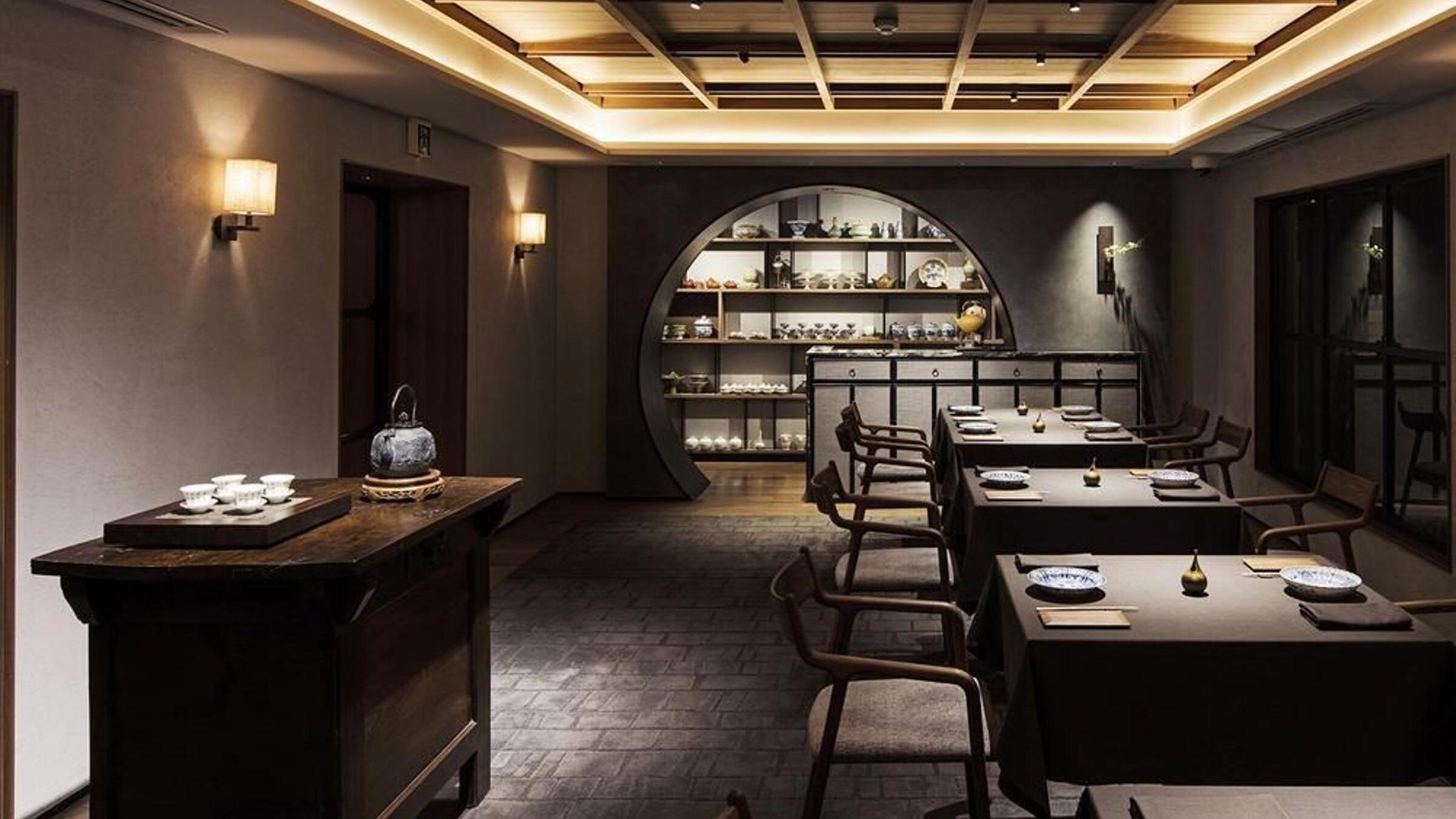
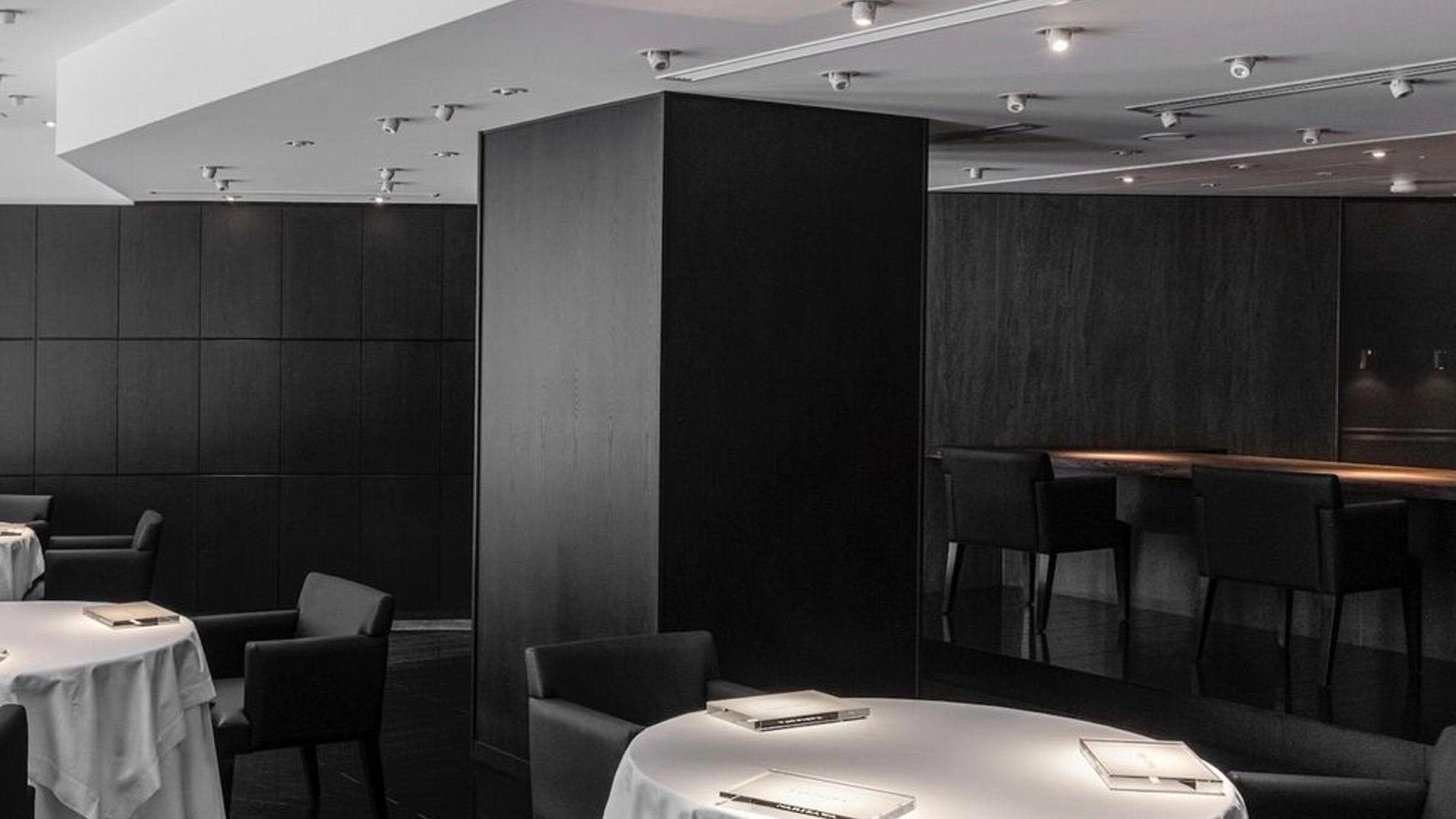
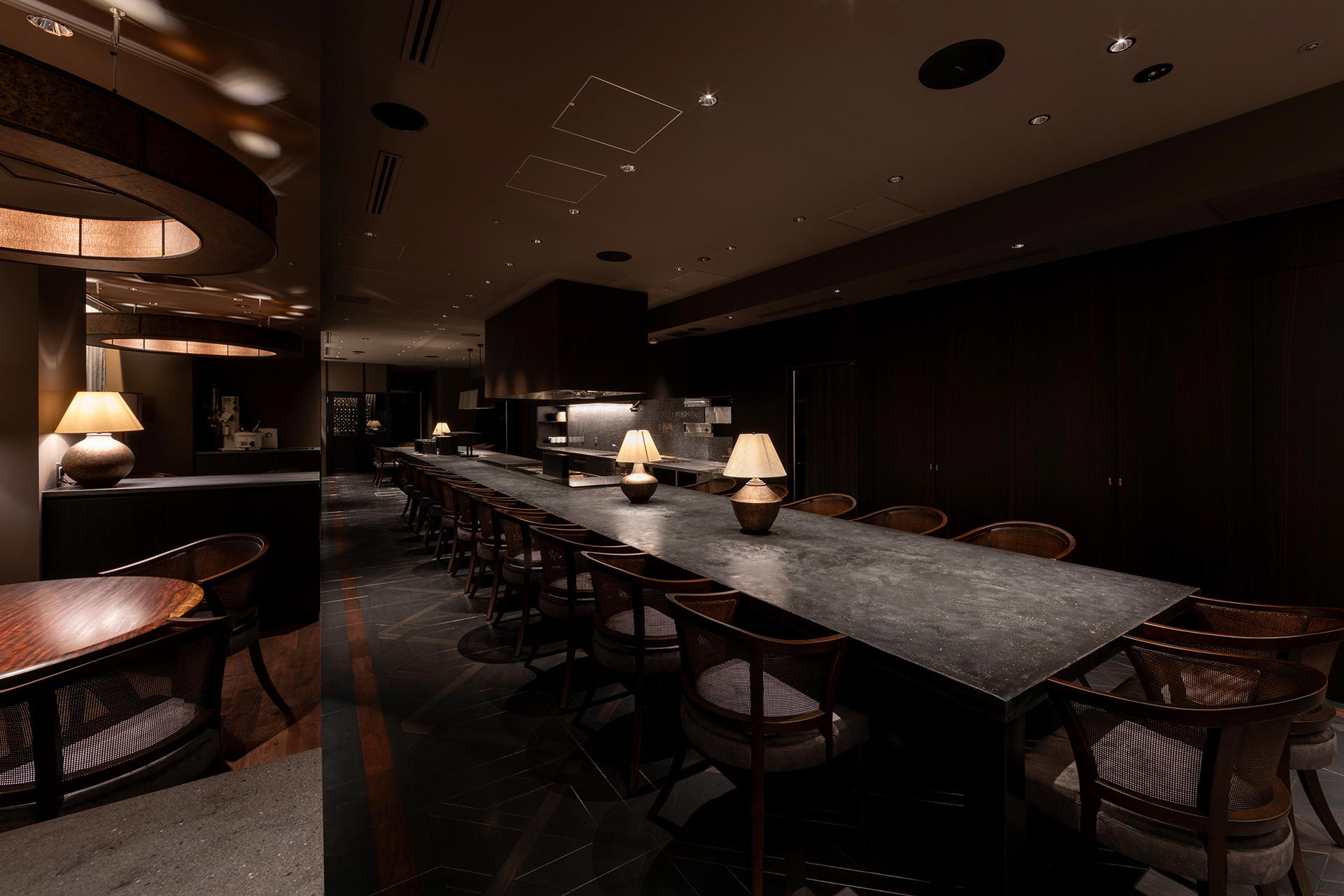






At a Glance
- Relaxed
- Elegant
- Intimate
- Date Night
- Special Occasion
- Standalone
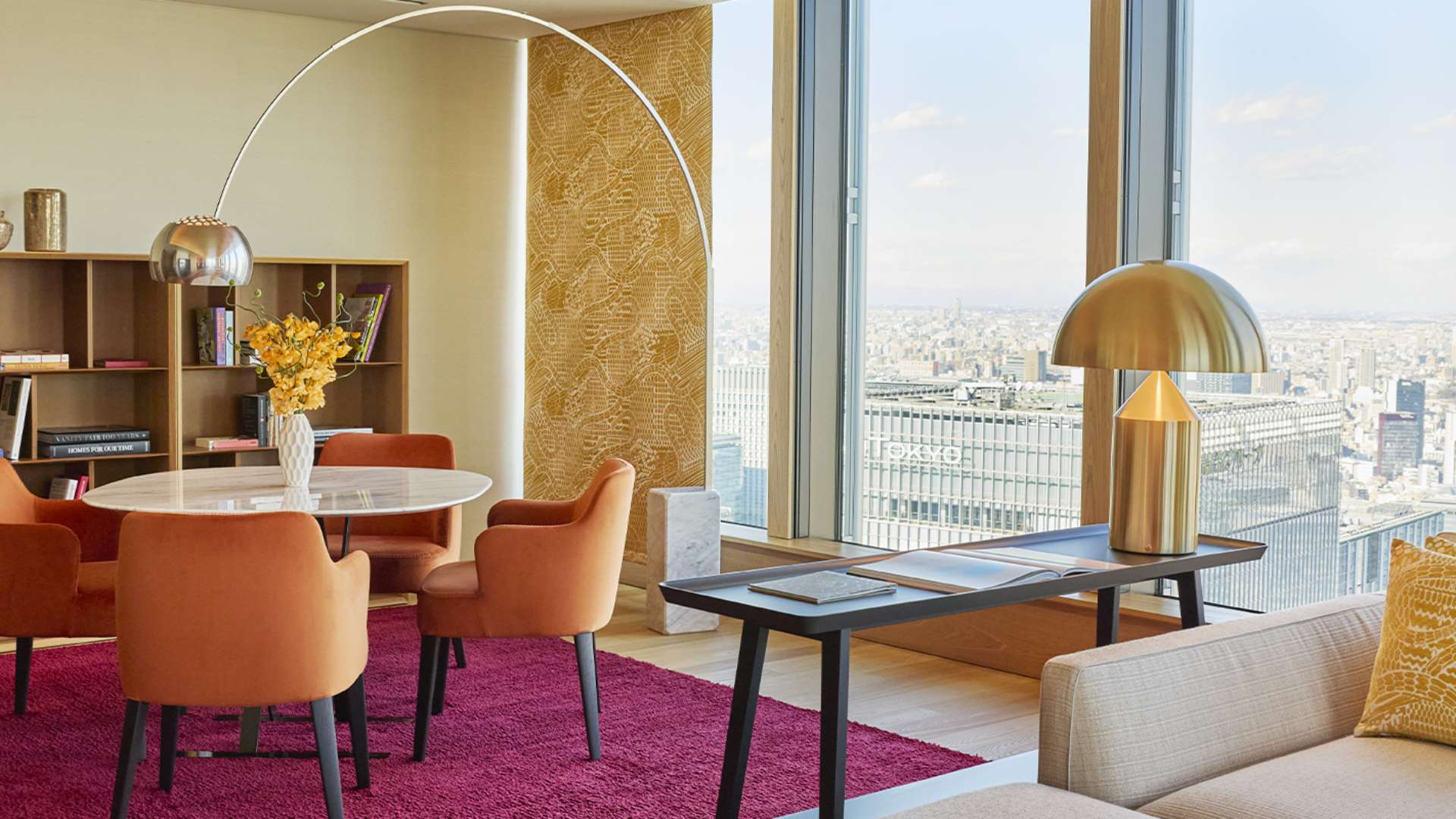
Calm and sophisticated atmosphere on the second floor near Shoto.