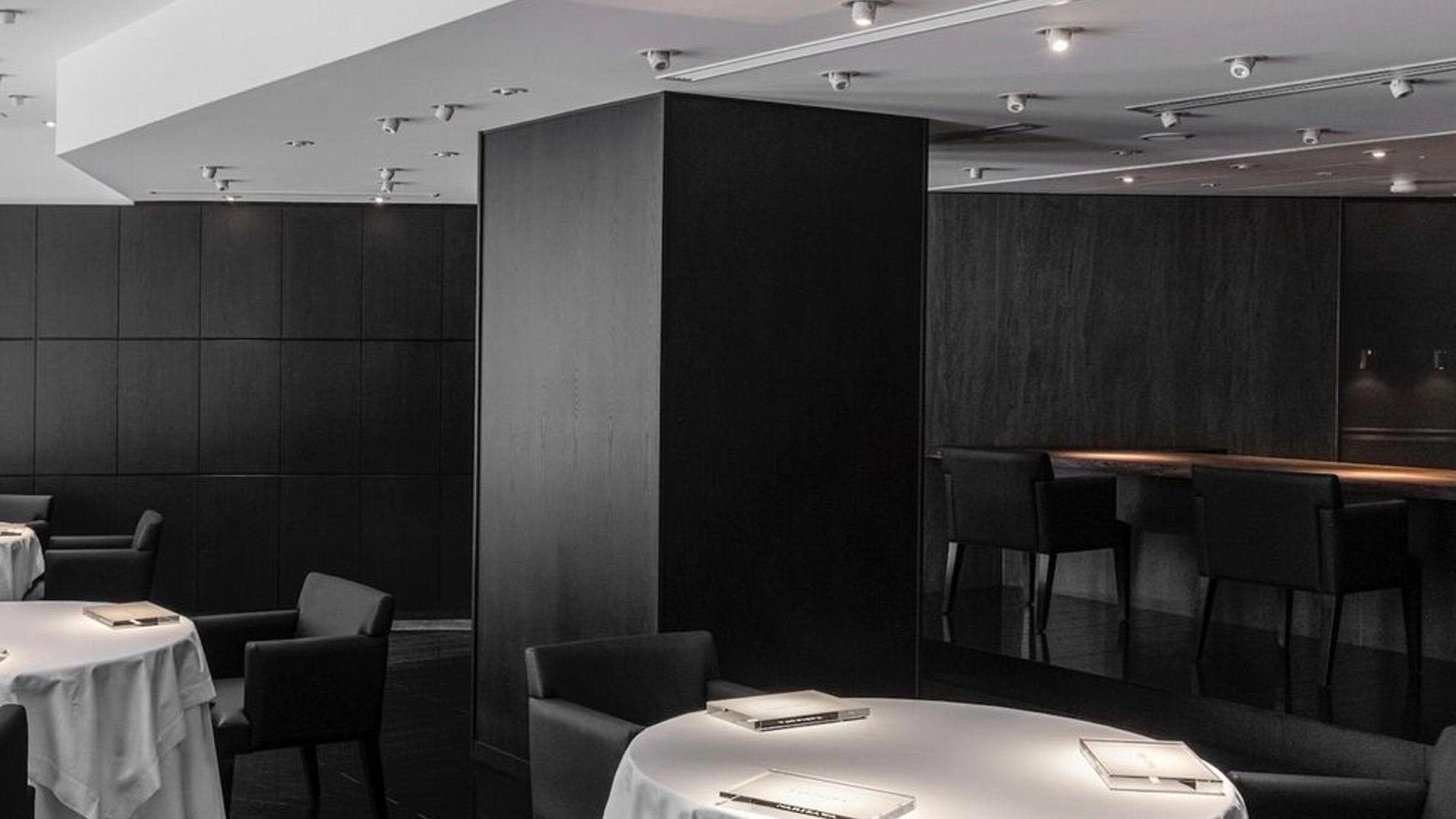
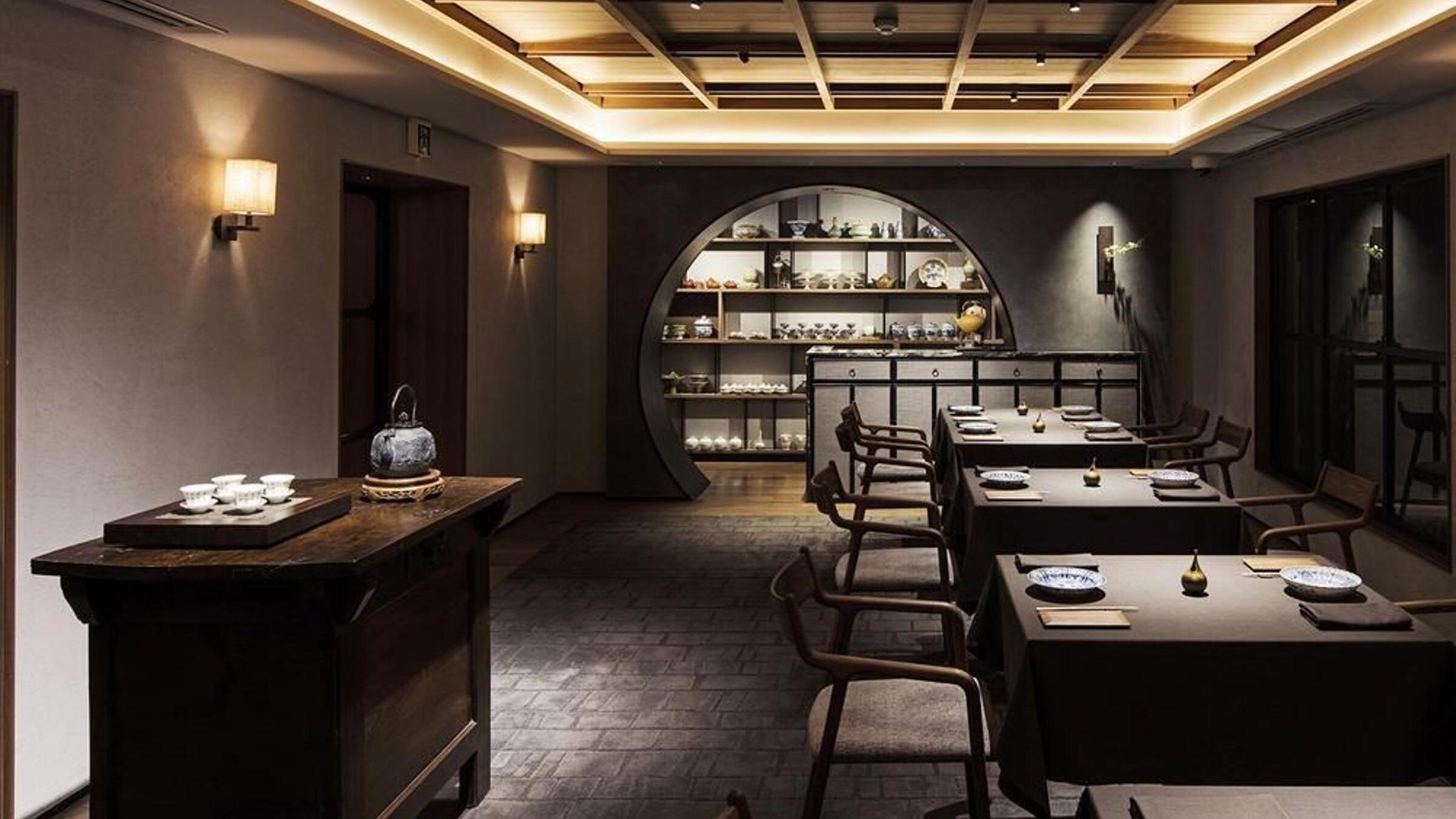
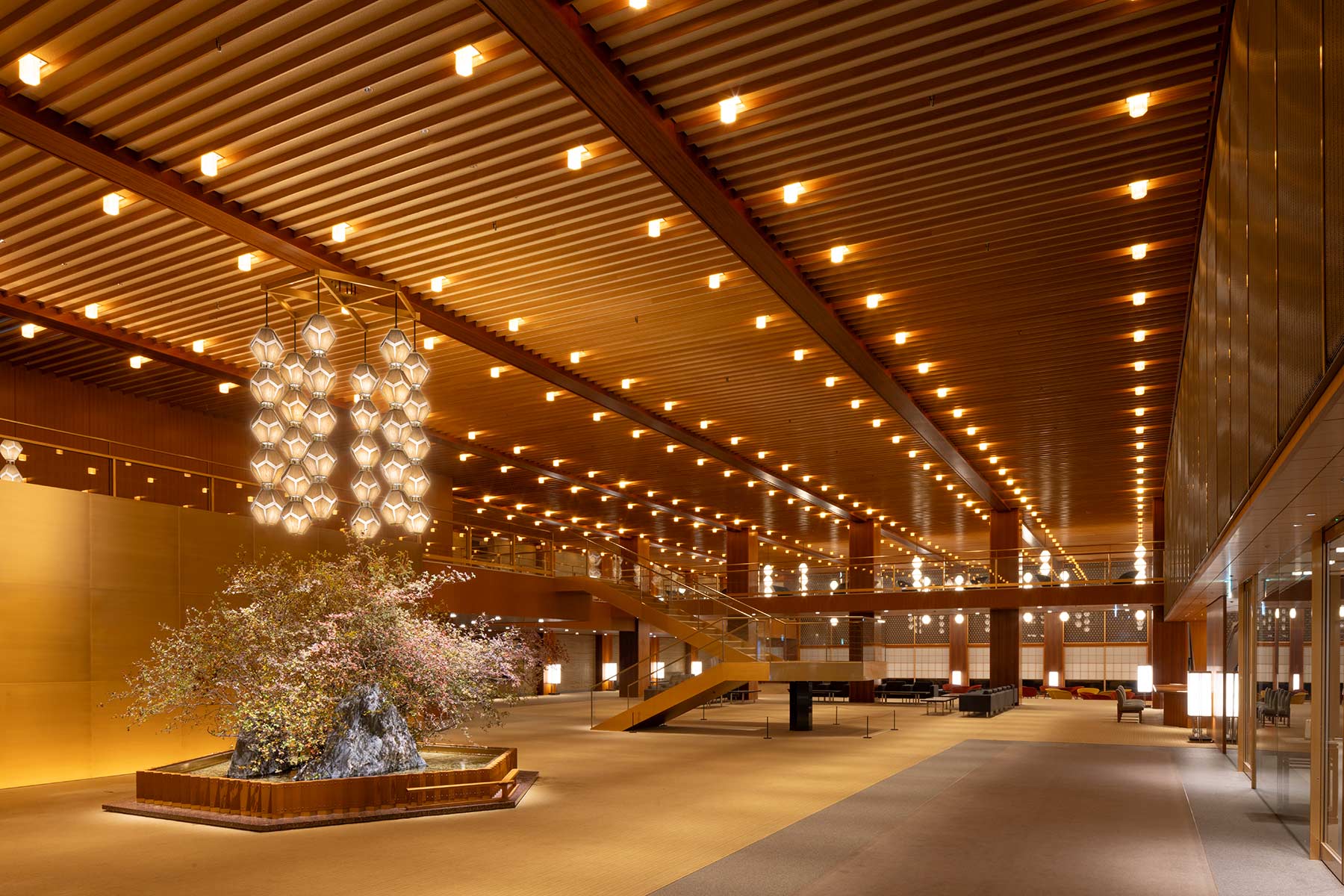
Nishiazabu’s Chinese dining tier has become a serious alternative to the city’s sushi and French counters, with small rooms, wine-minded pacing, and reservation-led service. NOGI sits in that lane: an 18-seat Chinese restaurant selected for Tabelog Chinese TOKYO 100 in 2026, suited to diners who want a composed evening rather than a casual late-night stop.
Pearl is the En Primeur Club membership app — saves, bookings, and concierge access live there. Same editors, same standards.
- Address
- Japan, 〒106-0031 Tokyo, Minato City, Nishiazabu, 2 Chome−24−9 須藤ビル 1F
- Phone
- +81 3-6451-1670
- Website
- nishiazabu-nogi.com
 Saves & bookings on Pearl
Nishiazabu changes after dark: embassy streets, low-rise buildings, and restaurant entrances for diners who know where they are going. In this part of Minato, Chinese dining has moved beyond the old split between hotel Cantonese formality and quick-fire neighborhood tables. The current ritual is smaller, quieter, and more wine-aware, with counter seats and compact rooms replacing banquet scale. NOGI belongs to this newer Tokyo category, where dinner is paced as an evening, not shared plates dropped at speed.
That matters because Chinese food in Tokyo is not one market. At one end are casual gyoza, noodles, and izakaya-adjacent kitchens; at the other, edited rooms borrowing the reservation discipline and course structure of sushi, kappo, and French dining. NOGI’s selection for Tabelog Chinese TOKYO 100 in 2026 places it in the city’s closely watched Chinese bracket: not a hotel grand dining room, but a compact Nishiazabu address with 18 seats and a dinner rhythm built around attention.
Nishiazabu Chinese dining, scaled for a small room
The neighborhood context matters. Nishiazabu sits between Roppongi, Nogizaka, and Hiroo, and its dining culture has long favored destination rooms over street-level browsing. Meals here are usually premeditated: diners arrive for reservations, not casual storefront scans. That changes the etiquette. The room can move calmly, service can read the table closely, and wine becomes part of the pacing rather than an afterthought.
Tokyo’s serious Chinese restaurants increasingly work in this register. The cooking may be Chinese by category, but the experience reflects Japanese expectations around timing, portioning, and progression. Instead of the expansive banquet model, the meal is edited for a smaller party: dishes arrive with space, the table is not overloaded, and the evening depends on sequence. Counter seating, when used, shifts the tone from communal feast to watched craft, a format Tokyo diners understand from sushi, tempura, yakitori, and kappo.
NOGI is not alone in giving Nishiazabu a destination role. The area’s dining map includes sushi at Nishiazabutaku, tonkatsu at Butagumi, French cooking at Azur et Masa Ueki, yakiniku at Yakiniku Ushigoro Nishiazabu, and Chinese cooking at Tsushimi. These rooms are not interchangeable; rather, Nishiazabu supports restaurants where category matters less than intent. Diners come for a defined format, controlled capacity, and a room worth crossing town for.
The ritual is measured rather than theatrical
The useful way to read NOGI is through dining ritual. Chinese cuisine can be generous, loud, and communal, but this Tokyo expression is contained. Wine as a listed drink focus signals a meal designed for pairing and pause. BYO is also permitted, attracting diners who think about bottles before spectacle. That seriousness is less about display than controlling dinner’s arc.
The scale reinforces it. Eighteen seats are small enough to feel intentional, but not so tiny that the meal becomes a performance of scarcity. There are no private rooms, keeping the experience in the shared room rather than behind closed doors. Private use is available up to 20 people, suggesting the space can bend toward a full-room gathering without becoming a banquet hall. For Tokyo Chinese dining, that midpoint is the draw: intimate enough for detail, social enough for a group wanting a composed evening.
There is also a generational marker. Opened in 2022, the restaurant belongs to the post-pandemic wave of Tokyo dining rooms that had to prove themselves quickly in a competitive city. Recognition in the 2026 Tabelog Chinese TOKYO 100 gives that case a public benchmark. Tabelog’s Hyakumeiten lists are influential in Japan because they identify depth within a category, not only international fine-dining visibility. For visitors who filter Tokyo through Michelin stars or hotel concierges, this is a different signal: local category recognition specific to Chinese cuisine in Tokyo.
Where it fits in a Tokyo eating plan
NOGI makes strongest sense for travelers who understand Tokyo’s rhythm and want one dinner outside the predictable sushi-tempura-French circuit. It is not the obvious first meal after landing, nor a loose backup for a night in Roppongi. Treat it as a reservation-led Chinese dinner in a neighborhood where restaurants trade on precision, privacy, and regulars who care about format.
The comparison set should stay local and category-aware. If the night calls for pork cutlet concentration, Butagumi answers a different craving. If the plan is sushi, Nishiazabutaku belongs to another ritual. If French structure is the point, Azur et Masa Ueki has its own lane. NOGI’s appeal is bringing Chinese cooking into the same Nishiazabu grammar of small-room seriousness, where pacing, bottle choice, and table composition shape the evening as much as the cuisine label.
For a broader Tokyo itinerary, pair this dinner with casual and specialist rooms across the city rather than stacking similar formats. EP Club’s restaurant coverage ranges from Akihabara seafood at . 鮪と炭火焼き うお炭 秋葉原店 and Shinjuku dining at 12/10 Shinjuku ten to yakitori at 124. KAGURAZAKA (Yakitori), graphic café culture at 2D Cafe, and curry at 3 Chome no Curry Ya San. For planning beyond dinner, use Our full Tokyo restaurants guide, Our full Tokyo hotels guide, Our full Tokyo bars guide, Our full Tokyo wineries guide, and Our full Tokyo experiences guide.
Regional contrasts clarify the point. A Tokyo Chinese dinner in Nishiazabu sits far from beef sukiyaki in Kamakura at -Grilled beef Sukiyaki- KAMAKURA TANUKIAN 鎌倉 たぬき庵 in Kamakura, café culture at.cafe in Osaka, Kumamoto dining at.know in Kumamoto, Vietnamese cooking in Kawasaki at (Shoku) Vietnam in Kawasaki, Sapporo curry at [Curry Senmon Ten] Maruyama Kyoju. in Sapporo, Kyoto dining at [ki:] in Kyoto, Los Angeles sake-bar culture at Jōdo Saké Bar in Los Angeles, and Pasadena’s onigiri specialist Onigiri Time. Against that map, NOGI reads as a Tokyo-specific answer: Chinese cuisine filtered through Minato discretion, small capacity, and a dining ritual that rewards planning.
A Tight Comparison
Comparable venues to place this listing in its category.
| Venue | Cuisine | Price | Notes |
|---|---|---|---|
| NOGIThis venue — the venue you are viewing | Minato, Chinese | $$$ | |
| Kohakukyu | $$$ | Chiyoda, Cantonese and Shanghainese Fine Dining | |
| Cantonese en | $$$ | Chiyoda, Modern Cantonese for Beauty and Health | |
| Hoei | Bunkyō, Shanghai-Sichuan Chinese | $$$ | |
| Reikasai Ginza The Chinese Imperial Court dishes | $$$ | Chūō, Imperial Chinese court cuisine in Ginza | |
| Choyo | Chūō, Authentic Sichuan Chinese | $$$ |