
Rouhoutoi puts Tokyo’s Chinese dining conversation in a useful middle register: serious enough for Tabelog 100 recognition in 2026 and 2023, but priced below the city’s trophy tasting-menu tier. In Shirokane, it reads as a value play for diners who want a focused Chinese table without the ceremony or tariff of grand-hotel dining.
Pearl is the En Primeur Club membership app — saves, bookings, and concierge access live there. Same editors, same standards.
- Address
- 5 Chome-14-8 Shirokane, Minato City, Tokyo 108-0072, Japan
- Phone
- +81 3-5420-3288
- Website
- tabelog.com
 Saves & bookings on Pearl
Shirokane changes the tempo before the meal: quieter than Ginza, less performative than Roppongi, and more residential than Tokyo’s obvious dining corridors. That matters for Chinese cooking here, where strong addresses often sit outside tourist logic: a short walk from a station, low on visual drama, reliant on repeat diners who read awards lists closely but judge by consistency.
Rouhoutoi fits that Tokyo category: compact, serious, and better understood within the city’s mature Chinese scene than as spectacle. Its selection for Tabelog 100 Chinese cuisine Tokyo in 2026, after an earlier 2023 selection, places it in a crowded, demanding field. The signal is not luxury for its own sake, but Tokyo Chinese restaurants competing on precision, kitchen depth, and value across price levels, not only grand banquet rooms or chef-driven tasting menus.
Tokyo Chinese dining at a price point that still has discipline
Read Rouhoutoi through value rather than novelty. Tokyo can make Chinese dining feel split between casual neighborhood counters and polished destination rooms. This address sits between them. The dinner spend is serious but controlled, giving it a different role from higher-tariff creative dining such as Yama or French-leaning rooms such as Alternative, and a different expectation from a cheaper neighborhood bar format like Shirogane Baru.
That middle tier is where many of Tokyo’s sharper meals now sit. Diners pay for sourcing, kitchen time, and a room suited to a deliberate meal, not necessarily ceremony, view, or international luxury cues. In Chinese cooking, the distinction matters: stock work, heat control, texture, restraint with oil, and movement between comfort and polish without turning every plate into a set piece.
The restaurant’s category listing includes Chinese and bento, a pairing that reflects Tokyo’s pragmatic food culture. Serious kitchens can operate across formats without one betraying the other: a dinner address may have a practical lunch-box identity; a specialist room can still answer neighborhood demand. For travelers, that duality reminds that Tokyo’s dining hierarchy is not always visible from the street or menu label.
For a wider view, use Our full Tokyo restaurants guide. The contrast is useful: casual curry at 3 Chome no Curry Ya San, yakitori focus at 124. KAGURAZAKA (Yakitori), and seafood-led izakaya energy at . 鮪と炭火焼き うお炭 秋葉原店 show how Tokyo rewards specialization at different spend levels.
Shirokane makes the meal feel less transactional
Shirokane is not neutral. Minato has polished dining, but this pocket is calmer than the city’s obvious restaurant circuits. Its advantage is discretion: meals do not need Shinjuku neon or Marunouchi corporate gloss to make sense. That better frames a Chinese restaurant built around repeat confidence rather than imported glamour.
Rouhoutoi is part of a broader Tokyo pattern. The strongest food neighborhoods are not always districts with one identity. Kagurazaka can move from old-school ryotei associations to yakitori and French influence; Shinjuku can absorb formats as different as 12/10 Shinjuku ten and graphic café culture at 2D Cafe. Shirokane’s strength is quieter: it supports restaurants that feel local without being casual in ambition.
The award context clarifies the proposition. Tabelog’s Chinese Tokyo 100 list is not a Michelin-style star hierarchy, and its display order should not be read as a formal ranking. Its value for travelers is comparative: it identifies restaurants that Japanese diners and the platform’s selection framework have separated from the pack in a specific category and geography. For a visitor choosing one Chinese dinner in Tokyo, that cue is more useful than generic praise.
Practical details matter: reservations are available, there are no private rooms, no parking, non-smoking status, and credit-card acceptance is limited to AMEX in the listed payment details. These do not make the meal better, but determine how smoothly it fits a Tokyo itinerary. Pairing it with a stay selected through Our full Tokyo hotels guide, or a later drink from Our full Tokyo bars guide, makes more sense than treating Shirokane as a casual detour.
Who should choose it over a flashier Tokyo table
This is for diners who care about the ratio between spend and seriousness. Rouhoutoi is not for theatrical luxury, chef biography, or a menu built around named signatures. Its appeal is narrower and stronger: Tokyo Chinese cooking with recognition that matters, in a neighborhood where the meal can be the point rather than the surrounding performance.
That makes it a useful counterweight to Japan itineraries planned by extremes. The same trip might include regional dining outside Tokyo, such as -Grilled beef Sukiyaki- KAMAKURA TANUKIAN 鎌倉 たぬき庵 in Kamakura, Kansai café culture at.cafe in Osaka, or Kyoto minimalism at [ki:] in Kyoto. Tokyo’s mid-to-high Chinese tier fills another slot: polished, urban, and less dependent on regional romance.
For longer food trips, the comparison stretches beyond Japan. Casual specialization at Onigiri Time in Pasadena, sake-bar precision at Jōdo Saké Bar in Los Angeles, curry focus at [Curry Senmon Ten] Maruyama Kyoju. in Sapporo, Vietnamese cooking at (Shoku) Vietnam in Kawasaki, and contemporary regional addresses like.know in Kumamoto point to the same editorial lesson: format matters less than clarity.
Rouhoutoi’s clarity is its price-to-recognition equation. In a city where dinner budgets escalate quickly, consider it for a serious Chinese meal without entering the ceremony-heavy end of Tokyo dining. For broader trip architecture, Our full Tokyo wineries guide and Our full Tokyo experiences guide help place the meal inside a fuller city schedule rather than as a standalone trophy booking.
Snapshot
Comparable venues by cuisine and price in the same metro.
| Venue | Cuisine | Price | Awards | Notes |
|---|---|---|---|---|
| RouhoutoiThis venue — the venue you are viewing | Intimate Modern Chinese Small-Plate Restaurant | $$$ | , | |
| Kanda Yunrin | Seasonal Chinese (Shanghai/Sichuan influence) Fine Dining | $$$ | , | Chiyoda |
| Chinese Hanten Ichigaya ten | Seasonal Shanghai Chinese (Chuugokuhanten Ichigaya) | $$$ | , | Chiyoda |
| Kohakukyu | Cantonese and Shanghainese Fine Dining | $$$ | , | Chiyoda |
| Wee Nam Kee Chicken Rice (威南記 海南鶏飯) | Singaporean Hainanese Chicken Rice | $$ | , | Shibaura |
| 中華寝台 | Modern Creative Chinese | $$$$ | , | Shibuya |









At a Glance
- Cozy
- Hidden Gem
- Intimate
- Date Night
- Solo
- After Work
- Special Occasion
- Casual Hangout
- Chefs Counter
- Standalone
- Design Destination
- Beer Program
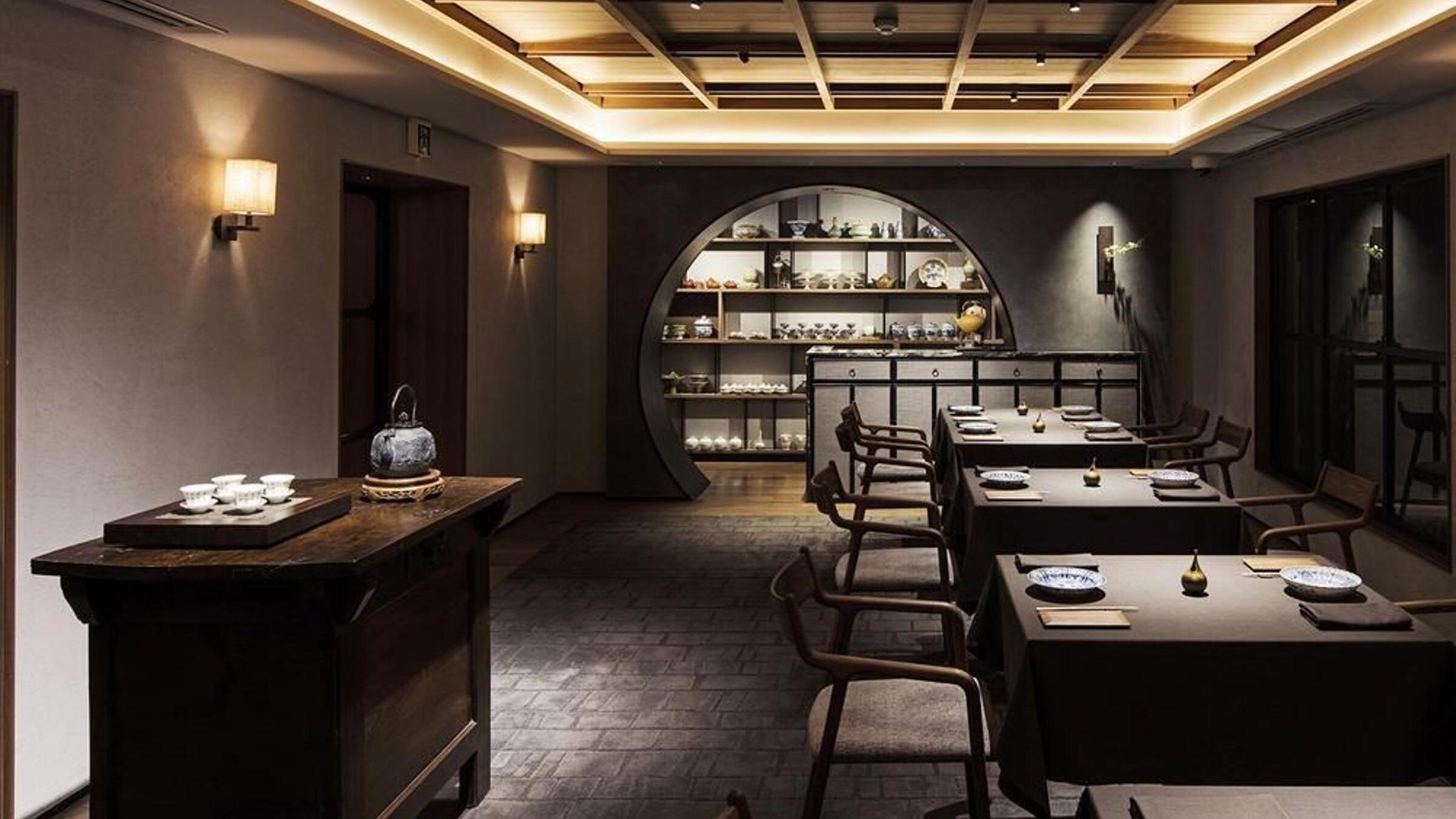
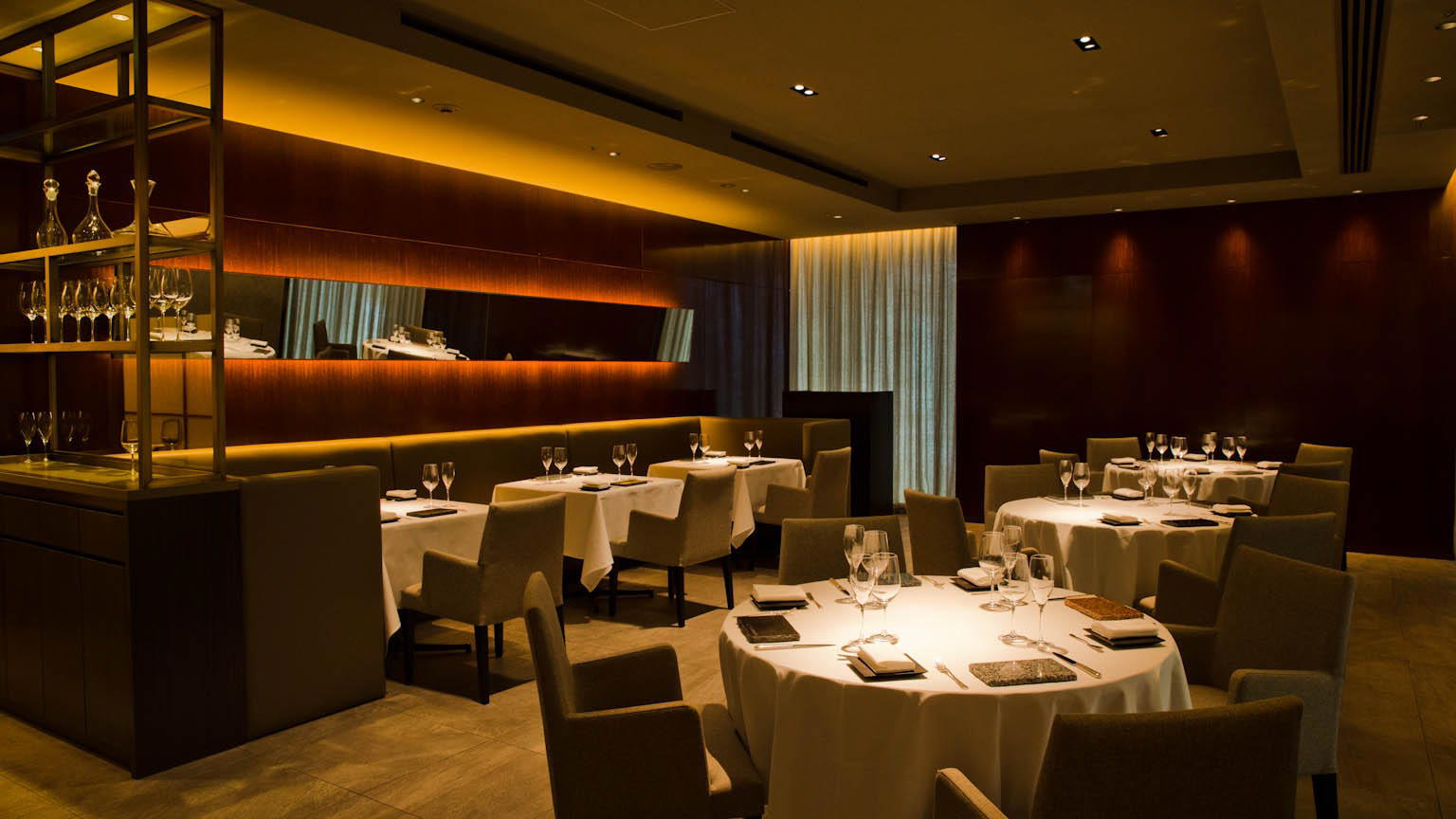
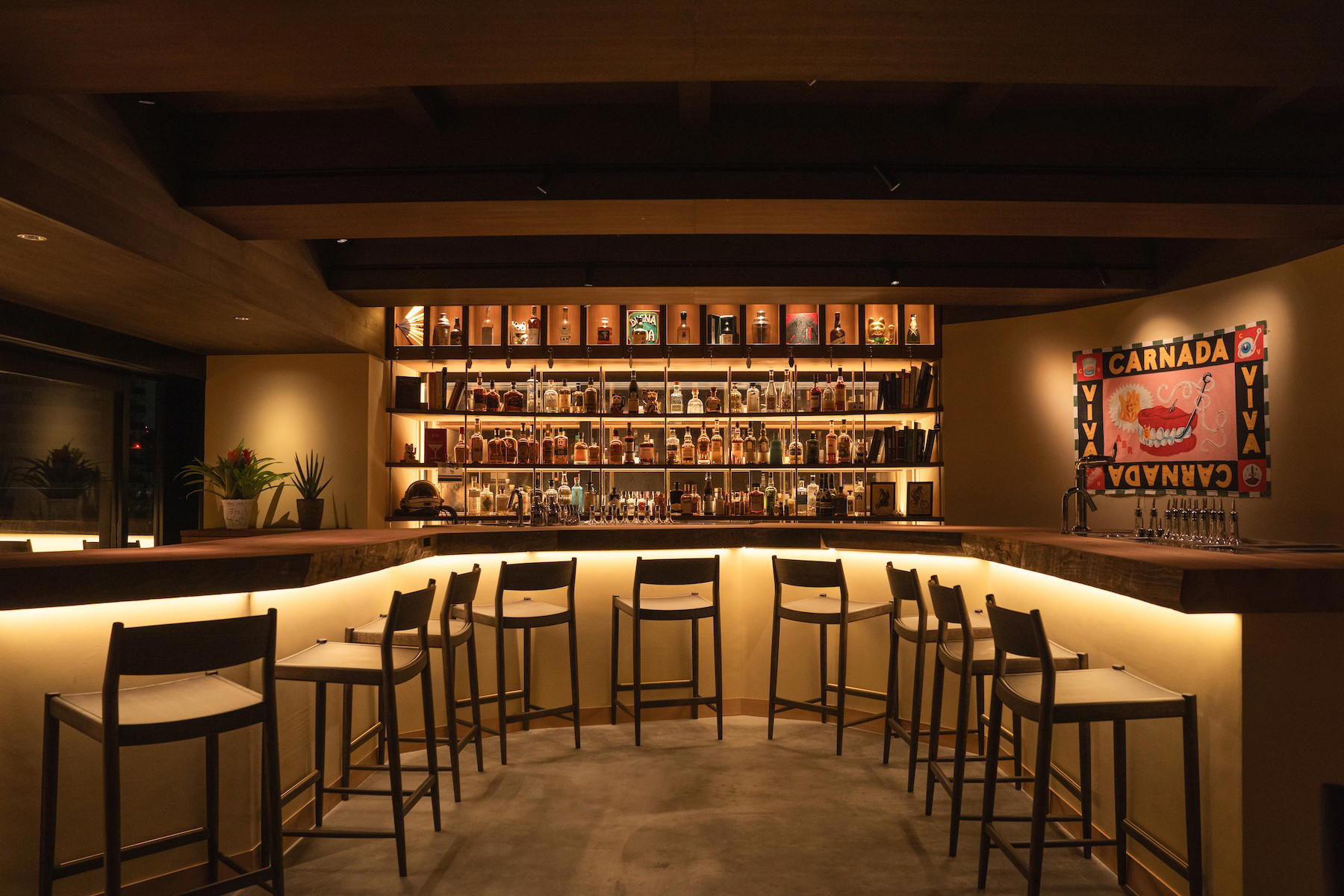
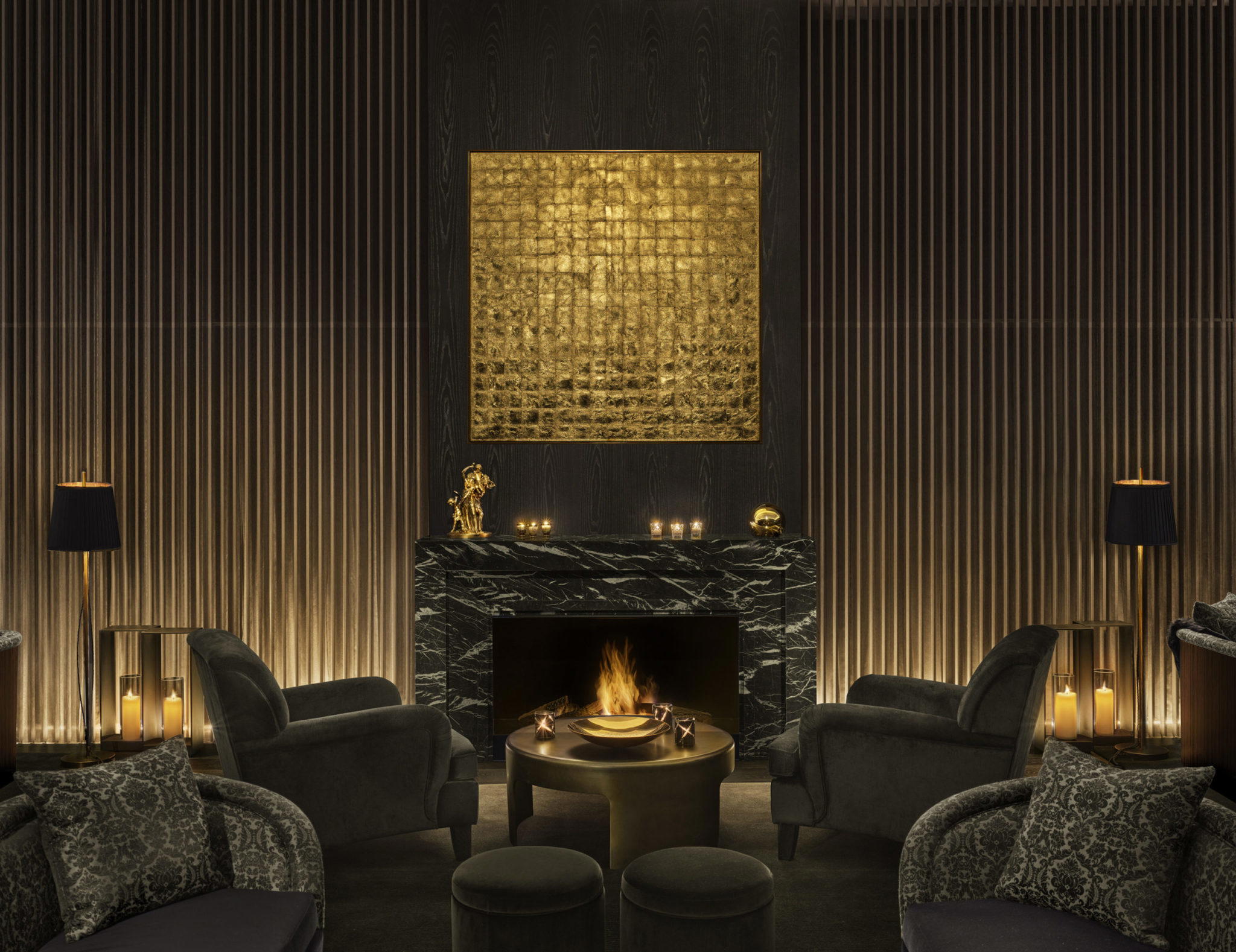
An intimate, calm space with only a handful of seats, low-key lighting, and a relaxed, wine-bar-like atmosphere where small Chinese dishes are served one by one from a blackboard menu.