
Hiroo’s Chinese dining scene sits between polished neighborhood restaurants and destination counters, and Chuka Kosai JASMINE Hiroo honten belongs to the former with measurable recognition. Selected for Tabelog Chinese TOKYO 100 in 2021, 2024, and 2026, it frames Chinese, dumpling, and dim sum cooking in a 32-seat room rather than a grand banquet format.
Pearl is the En Primeur Club membership app — saves, bookings, and concierge access live there. Same editors, same standards.
- Address
- Japan, 〒150-0012 Tokyo, Shibuya, Hiroo, 5 Chome−22−3 広尾西川ビル 1F
- Phone
- +81 3-5421-8525
- Website
- jasmine310.com
 Saves & bookings on Pearl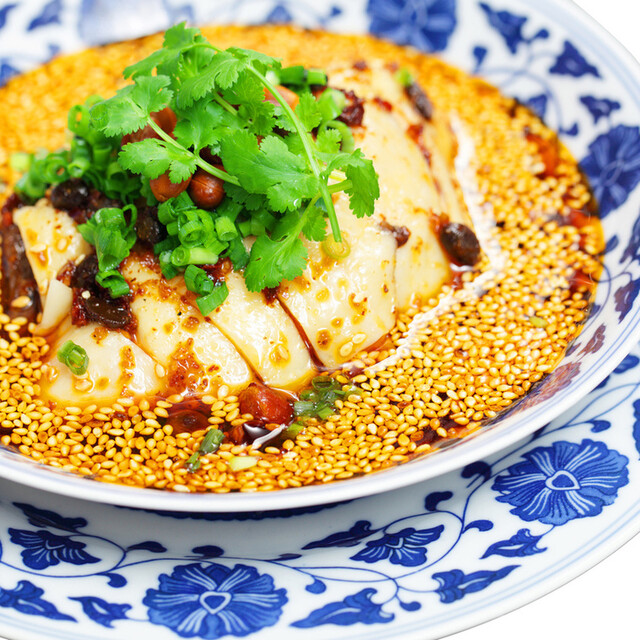
Hiroo cools after the main station exits: embassy streets, low-rise residences, discreet dining rooms, and a Tokyo quiet that makes a 32-seat Chinese restaurant feel like a deliberate evening plan. In this part of Shibuya, Chinese cooking rarely announces itself by scale; it works through smaller rooms, drink lists spanning sake and wine, and menus where dim sum, dumplings, and composed Chinese dishes share the table.
Chuka Kosai JASMINE Hiroo honten fits that Tokyo category: not a hotel Chinese dining room with lacquered ceremony, not a Chinatown-style communal hall, but a polished neighborhood address with critical traction beyond its postcode. Its Tabelog Chinese TOKYO 100 selections in 2021, 2024, and 2026 signal relevance in a city where Chinese cuisine runs from ramen-adjacent counters to high-spend tasting menus. Its Tabelog score of 3.70 puts it where local diners pay attention, not merely pass through.
Hiroo's quieter Chinese table, measured against Tokyo's flashier dining habits
Tokyo’s premium dining conversation often defaults to sushi counters, kappo rooms, French dégustation, appointment-pressure yakitori. Chinese cuisine is more varied: Cantonese, Sichuan, Shanghai-inflected, and Tokyo kitchens translating regional Chinese forms through Japanese sourcing, portioning, and service rhythm. The choices become banquet or small room, spice or restraint, course meal or à la carte, wine or beer, family table or date-night pacing.
The useful comparison is not with luxury French rooms such as MANOIR, Italian destination dining such as Pellegrino, or meat-focused addresses such as RUSTEAKS. Those venues compete for high-intent Tokyo evenings; Chinese dining in Hiroo answers another question: where can a meal carry occasion-level structure without tasting-menu formality? JASMINE’s categories matter: Chinese, dumpling, dim sum and yum cha create a flexible frame, moving the table between small-format sharing and fuller dinner.
The restaurant’s stated attention to fish also matters. In Japan, Chinese cooking sharpens when seafood enters, because expectations around freshness, texture, and seasonality are unforgiving. Without leaning on named dishes, the signal is clear: this is not a generic stir-fry address, but part of the subset where ingredient handling is central.
For broader city mapping, this page belongs beside Our full Tokyo restaurants guide, not as a replacement. The same trip might swing from seafood and fire at . 鮪と炭火焼き うお炭 秋葉原店 to Shinjuku specialist dining at 12/10 Shinjuku ten, or from skewered chicken craft at 124. KAGURAZAKA (Yakitori) to the graphic-café novelty of 2D Cafe. Chinese cuisine in Hiroo gives that itinerary a calmer, residential counterpoint.
Dim sum, dumplings, wine and sake: Chinese dining through a Tokyo lens
Dim sum and dumplings carry different expectations in Tokyo than in Hong Kong, Guangzhou, or Taipei. Often folded into broader Chinese menus rather than treated only as morning or lunchtime ritual, they change the tempo: small plates build dinner, drinks become considered, and service must suit quick neighborhood meals and longer celebrations.
JASMINE’s drink range, sake, shochu, wine, cocktails, and particular attention to wine, reflects a broader Tokyo pattern. Chinese restaurants increasingly recognize that chili heat, steamed wrappers, seafood, and soy-based depth need no single beverage script. Wine is now serious; sake and shochu anchor the meal in Japan’s drinking culture, making the room easier for visitors to fold into a Tokyo evening than a strictly traditional banquet format.
The recognition history gives the restaurant editorial weight. Repeated Tabelog Chinese TOKYO 100 selections in 2021, 2024, and 2026 suggest consistency in a competitive local category. It is not, and should not be read as, a Michelin-star claim. It is a Tokyo diner signal: repeat attention, category relevance, and durability since its 2011 opening, enough to sit on the city’s Chinese dining map.
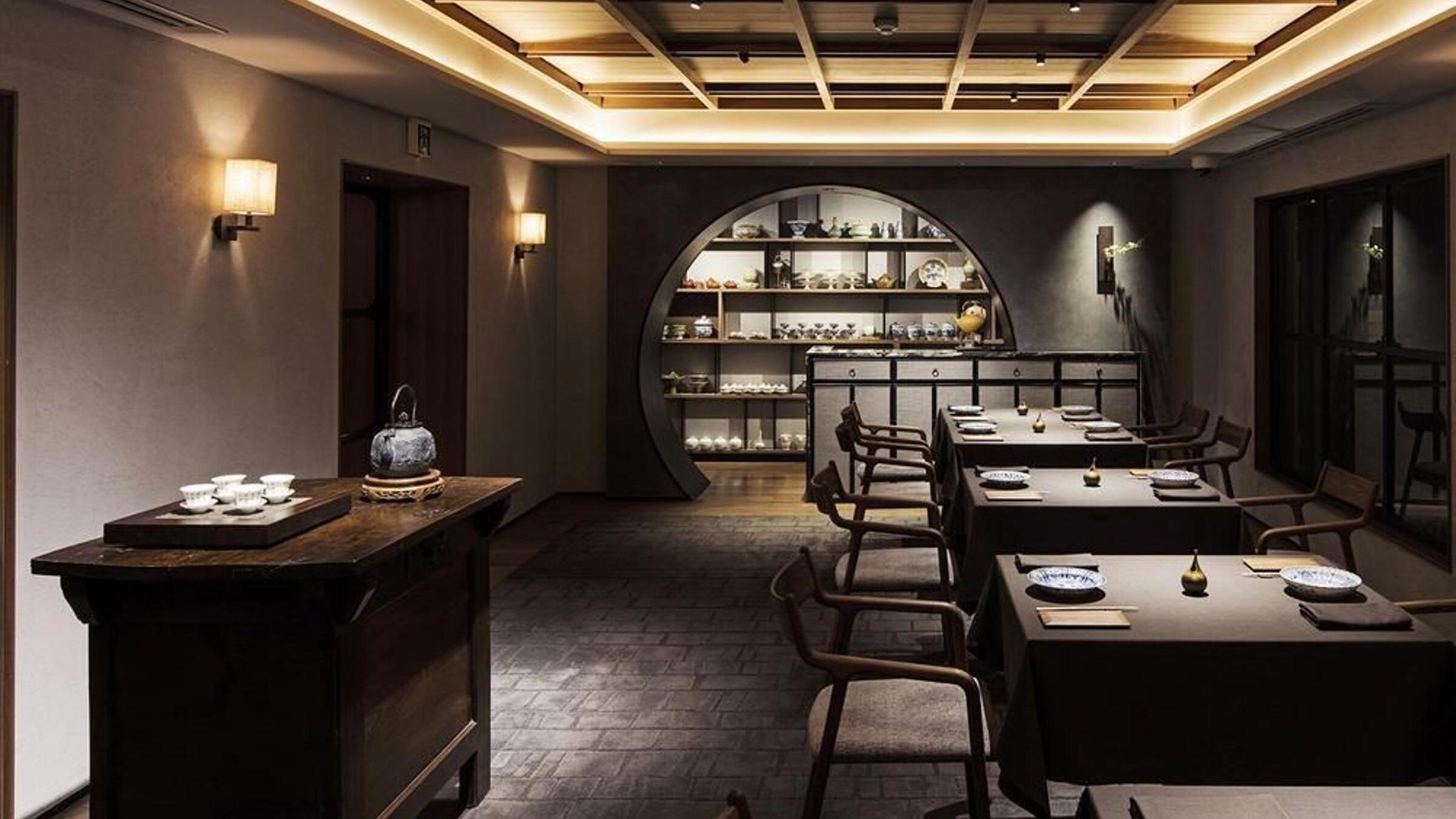
That durability matters in Hiroo, which can support restaurants polished but not theatrical, serious but not severe. Compared with central districts built around nightlife churn, Hiroo rewards places able to host families, dates, and groups of friends without changing identity between services. A 32-seat scale keeps JASMINE compact; the absence of private rooms points to a shared-room experience rather than closed-door entertaining.
Tokyo planning rarely happens by cuisine alone. Travelers building a dining-led stay may pair restaurant choices with Our full Tokyo hotels guide, late drinks from Our full Tokyo bars guide, local bottles and wine context from Our full Tokyo wineries guide, and cultural pacing from Our full Tokyo experiences guide. Hiroo can sit between those plans without forcing the night into spectacle.
How to place it within a wider Japan itinerary
For travelers moving beyond Tokyo, the comparison is instructive. Regional Japanese dining often announces locality: beef in Kamakura at -Grilled beef Sukiyaki- KAMAKURA TANUKIAN 鎌倉 たぬき庵 in Kamakura, café culture at.cafe in Osaka, or an idiosyncratic city address such as.know in Kumamoto. Tokyo Chinese dining works differently. Its identity comes less from regional tourism than translation: Chinese forms, Japanese ingredients and service norms, and a metropolitan audience trained to compare categories precisely.
That makes JASMINE useful for diners who have accounted for sushi, tempura, yakitori, and ramen, and want to understand how Chinese cuisine fits Tokyo’s everyday premium tier. It also shows that not every serious Tokyo meal needs a counter ritual. A table built around dumplings, dim sum, seafood attention, and wine can reveal the city’s dining culture as clearly as a longer, narrower tasting format.
The wider EP Club map reinforces the point. A curry specialist such as 3 Chome no Curry Ya San tells one story about Tokyo comfort and concentration; (Shoku) Vietnam in Kawasaki expands the frame into neighboring-city Asian dining; [Curry Senmon Ten] Maruyama Kyoju. in Sapporo and [ki:] in Kyoto show how regional context reshapes expectations. Outside Japan, the same category thinking applies at Jōdo Saké Bar in Los Angeles and Onigiri Time in Pasadena, where Japanese food culture is filtered through another city’s habits.
The verdict is practical rather than breathless: Chuka Kosai JASMINE Hiroo honten is a credible Hiroo choice for Chinese cooking with repeated local recognition, compact-room intimacy, and drink flexibility suited to a planned dinner rather than quick refuel. In a city often judged by its hardest reservations, its appeal lies in a quieter metric: how convincingly a neighborhood Chinese restaurant carries Tokyo-level seriousness without turning the meal into ceremony.
Category Peers
Comparable venues to calibrate price, style, and recognition.
| Venue | Cuisine | Price | Awards | Notes |
|---|---|---|---|---|
| Chuka Kosai JASMINE Hiroo hontenThis venue — the venue you are viewing | Chinese Dim Sum & Cantonese-leaning Chinese | $$$ | , | |
| Chinese Hanten Ichigaya ten | Seasonal Shanghai Chinese (Chuugokuhanten Ichigaya) | $$$ | , | Chiyoda |
| Kanda Yunrin | Seasonal Chinese (Shanghai/Sichuan influence) Fine Dining | $$$ | , | Chiyoda |
| 桃仙閣 東京 | Traditional Japanese-Style Chinese | $$$ | , | Roppongi |
| Tsugumi | Modern Chinese Tasting Menu | $$$$ | , | Minato |
| Shangri-La's secret ROPPONGI | Yunnan Mushroom Hot Pot | $$$ | , | Minato |











At a Glance
- Modern
- Sophisticated
- Elegant
- Casual
- Classic
- Business Dinner
- Group Dining
- Family
- Casual Hangout
- Special Occasion
- Private Event
- Private Dining
- Standalone
- Extensive Wine List
- Sake Program
A warm, elegant, and casual Chinese dining room with a stylish touch and a focus on comfortable, convivial meals.