
Kapo Choryumon places Cantonese and dim sum cooking inside Ginza’s polished department-store dining circuit, a setting where comfort, private rooms, and multilingual service matter as much as kitchen credentials. Its Tabelog 100 Chinese cuisine TOKYO 2026 selection, 40-seat scale, fish-focused cooking, and BYO policy put it in a practical luxury bracket rather than the hushed counter-dining lane.
Pearl is the En Primeur Club membership app — saves, bookings, and concierge access live there. Same editors, same standards.
- Address
- Japan, 〒104-0061 Tokyo, Chuo City, Ginza, 6 Chome−10−1 6F
- Phone
- +81 3-6264-5688
- Website
- choryumon.co.jp
 Saves & bookings on Pearl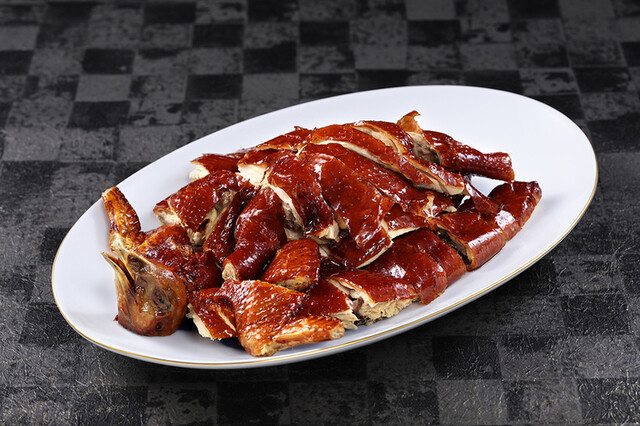
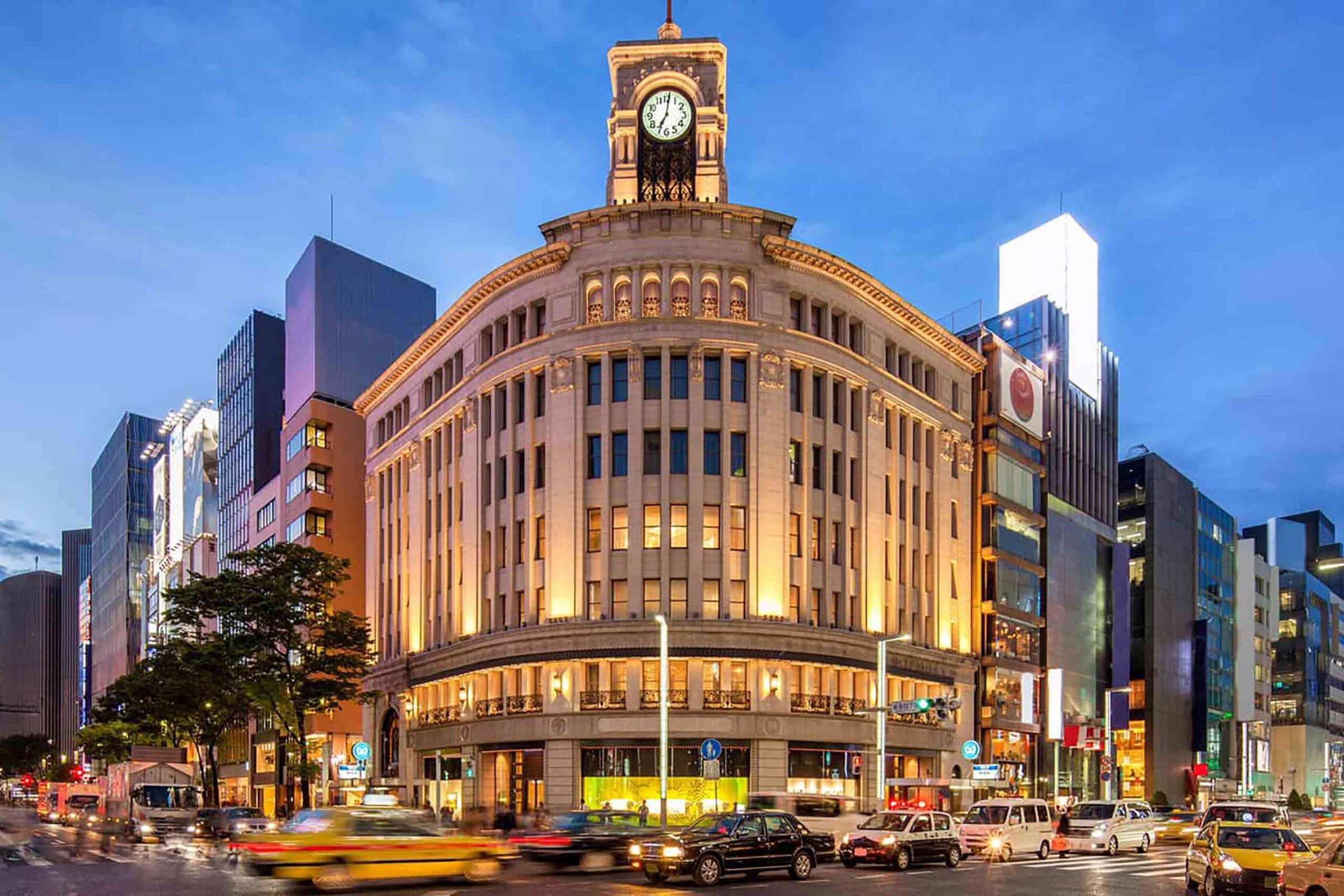
Ginza dining often signals itself before the first course: polished lift lobbies, quiet corridors, shopping bags under banquettes, and rooms tuned for conversation over spectacle. Kapo Choryumon belongs to this Tokyo luxury mode, where Chinese cooking sits within a department-store dining floor and is judged by consistency, comfort, and the kitchen’s ability to carry lunch and dinner without turning formal service into theatre.
The setting matters. Ginza has long absorbed imported cuisines into a Japanese register of order and precision, and Cantonese cooking fits that grammar better than flashier regional formats. Dim sum, seafood-led dishes, private rooms, and wine or sake service suit a neighbourhood where meals often sit between shopping, family obligations, business entertaining, and late-afternoon appointments. The restaurant’s 2026 selection for Tabelog 100 Chinese cuisine TOKYO gives it a public marker in a competitive category spanning hotel dining rooms and independent Chinese specialists.
Ginza Chinese dining without the counter-restaurant script
Tokyo’s premium restaurant culture is often framed through sushi, tempura, and kaiseki counters, but its Chinese tier follows different social rules: more group-friendly, more likely to offer private rooms, and less dependent on chef-facing choreography. Kapo Choryumon’s 40-seat room, private-room availability, and Cantonese and dim sum classification put it in that lane, closer to polished occasion dining than narrow omakase.
That distinction helps travellers choose a serious Ginza meal. Tempura Yamanoure sits within a single-discipline Japanese tradition, while Tsukushi Rou Ginza ten prices dinner higher and speaks to another kind of Ginza expense account. Kapo Choryumon is more flexible: formal enough for planning, broad enough for mixed generations, and anchored by Chinese cooking rather than the ritual minimalism behind much of the neighbourhood’s international reputation.
The food identity is Cantonese and dim sum, with stated emphasis on fish and a drinks program including sake and wine. Cantonese technique prizes clarity, timing, and ingredient handling; in Ginza, those values overlap with Japanese expectations around seafood and service rhythm. The result is not sloganized fusion, but a local dining category: Chinese dishes in a setting attuned to Japanese pacing, privacy, and drink pairing beyond beer or tea.
Why the Tabelog 100 signal matters in this category
Tabelog’s Chinese cuisine TOKYO 2026 list is a useful filter because Tokyo Chinese restaurants do not all compete for the same diner. Some are everyday noodle and set-meal addresses; some are grand hotel rooms; others trade on regional specificity or wine-friendly tasting formats. A Tabelog 100 selection places Kapo Choryumon among recognised Tokyo Chinese addresses, not just convenient Ginza restaurants. Its Tabelog score of 3.76 is another data point, though the award signal carries more editorial weight for visitors who do not closely follow local review culture.
The restaurant also appeared in the same Tabelog Chinese TOKYO selection in 2023 and 2024, giving the listing continuity rather than a single-year spike. In a city where new openings crowd attention, repeated selection matters. It suggests the room and kitchen have held relevance beyond opening-year curiosity, especially in Ginza, where rent, competition, and diner expectations are unforgiving.
The BYO terms add another clue about the intended audience. Groups may bring up to three bottles, with corkage set separately for wine and distilled spirits. That is not casual; it makes the restaurant practical for collectors, celebrations, and business hosts wanting bottle control alongside a broad food format. Private rooms for small and larger groups reinforce the point: this is a Ginza Chinese address built for planned dining, not only spontaneous shopping-floor traffic.
How to read it against Tokyo's wider dining map
For visitors building a Tokyo itinerary, Kapo Choryumon is most useful when Ginza is already in the day. It requires less mental preparation than a sushi or tempura counter and handles more dining situations. Nearby comparison names such as Azabu Kyutoku, 寿司 健, Japanese Restaurant "Ginza Tsuru" Tokyo / Wagyu Shabu-shabu & Sukiyaki, and Tempura Yamanoure show choices travellers often face: Japanese formality, beef-led comfort, single-craft specialization, or a Chinese room structured for a serious evening.
That broader map matters. Tokyo rewards category thinking more than checklist dining. A curry specialist such as 3 Chome no Curry Ya San, a visual café format like 2D Cafe, and yakitori at 124. KAGURAZAKA (Yakitori) solve different needs. For more casual seafood or charcoal cooking, . 鮪と炭火焼き うお炭 秋葉原店 sits in another register, while 12/10 Shinjuku ten points west toward Shinjuku’s denser nightlife rhythm.
Tokyo planning also benefits from looking beyond restaurants. The city’s hotel base shapes dinner choices, especially when Ginza, Shinjuku, and Akihabara are all in play; Our full Tokyo hotels guide helps frame that geography. Drinking plans can move separately through Our full Tokyo bars guide, while sake, winery, and cultural scheduling sit in Our full Tokyo wineries guide and Our full Tokyo experiences guide. For the restaurant layer, Our full Tokyo restaurants guide is the broader reference point.
Travellers extending the same editorial lens across Japan and beyond can compare how format changes by city: beef sukiyaki at -Grilled beef Sukiyaki- KAMAKURA TANUKIAN 鎌倉 たぬき庵 in Kamakura, café culture at.cafe in Osaka, contemporary dining at.know in Kumamoto, Vietnamese cooking at (Shoku) Vietnam in Kawasaki, specialist curry at [Curry Senmon Ten] Maruyama Kyoju. in Sapporo, and Kyoto’s smaller-format dining at [ki:] in Kyoto. In Los Angeles and Pasadena, Jōdo Saké Bar in Los Angeles and Onigiri Time in Pasadena show how Japanese drinking and rice formats translate outside Japan.
The editorial case for Kapo Choryumon is not that every Tokyo visitor needs another Ginza reservation. It is that Chinese dining in Tokyo deserves judgment by its own format: group capacity, room control, seafood sensitivity, service flexibility, and recognition within a crowded local category. On those terms, this is useful for travellers wanting Ginza polish without committing the evening to a silent counter or single-ingredient Japanese tradition.
A Lean Comparison
Comparable venues to place this listing in its category.
| Venue | Cuisine | Price | Notes |
|---|---|---|---|
| Kapo ChoryumonThis venue — the venue you are viewing | $$$ | ||
| 一平飯店 | Azabu Juban, Authentic Cantonese Cuisine | $$$ | |
| Masa's Kitchen 47 | Shibuya, Modern Creative Chinese | $$$ | |
| Santa Hanten | Minato, Chinese Fine Dining | $$$ | |
| 虎峰 | $$$$ | Roppongi, Modern Cantonese chef’s counter | |
| Chinese Bed | Shibuya, Modern Chinese | $$$ |






At a Glance
- Elegant
- Modern
- Sophisticated
- Business Dinner
- Special Occasion
- Group Dining
- Date Night
- After Work
- Celebration
- Private Dining
- Design Destination
- Standalone
- Corkage Allowed
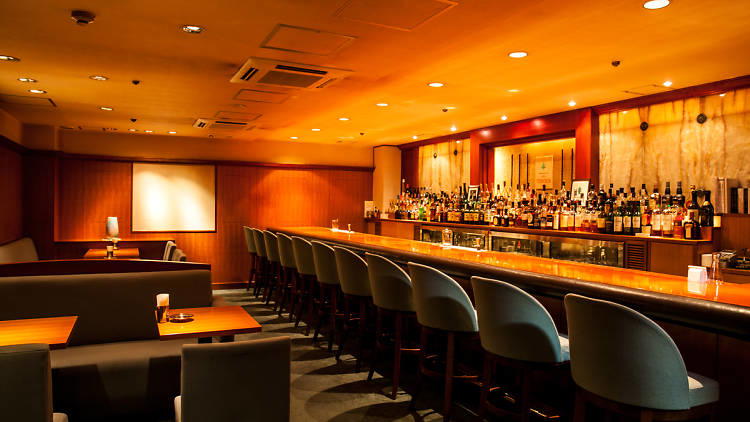
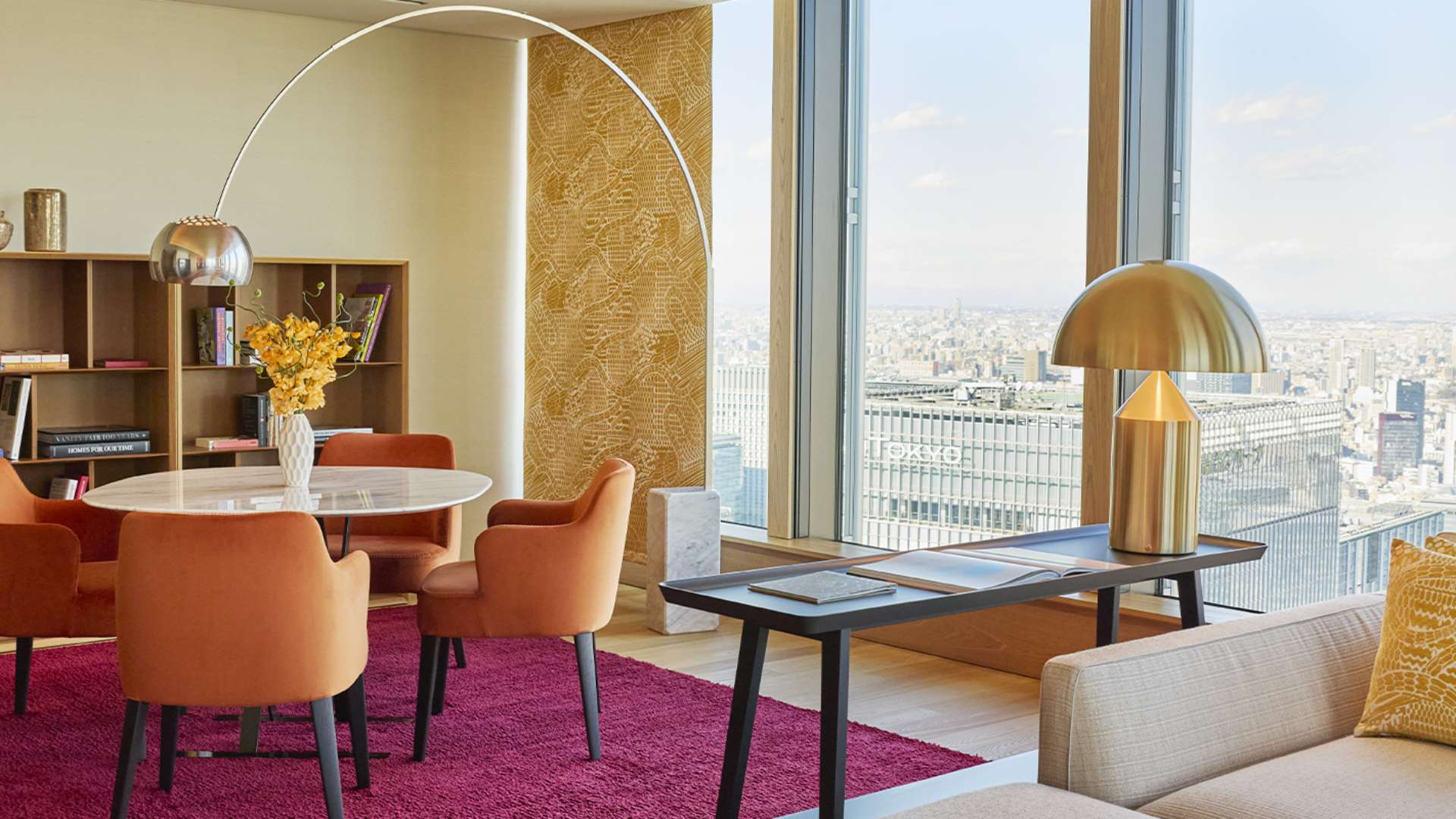
Elegant, modern interior within Ginza Six, with comfortable tables and sofa seating and a calm, refined atmosphere suited to business and special-occasion dining rather than a noisy banquet hall.