
Kyoto’s hot-pot culture is built around pacing: broth first, meat and vegetables in sequence, conversation held at the table rather than outsourced to spectacle. Agotsuyu Shabushabu Yamafuku sits in that ritual-led lane, with ago dashi shabu-shabu, pork shabu-shabu, izakaya range, English-language support, and selection for Tabelog 100 Hot Pot 2024.
Pearl is the En Primeur Club membership app — saves, bookings, and concierge access live there. Same editors, same standards.
- Address
- 187 Zaimokucho, Nakagyo Ward, Kyoto, 604-8017, Japan
- Phone
- +81 75-255-5015
- Website
- tablecheck.com
 Saves & bookings on Pearl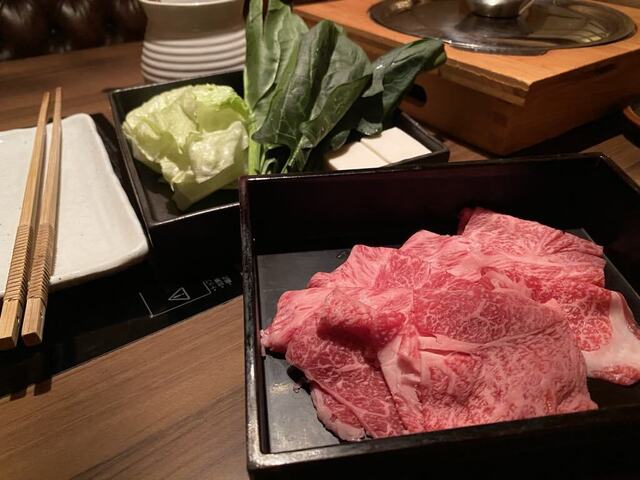
Kiyamachi’s restaurant rhythm changes after dark: river-adjacent lanes tighten, groups move between small dining rooms, and hot-pot houses shift from quick refuelling to controlled slowing down. Shabu-shabu suits Kyoto because it asks attention without turning dinner into ceremony. Broth, sliced meat, vegetables, dipping sauces and drinks share the table, with pacing partly in the guest’s hands. Agotsuyu Shabushabu Yamafuku belongs to this social, hands-on side of Kyoto dining rather than the hushed counter tradition that often defines the city for visitors.
Its recognition on Tabelog 100 Hot Pot 2024 matters because shabu-shabu and sukiyaki are crowded Japanese categories where reputation rests less on theatre than consistency: broth clarity, meat handling, table timing and room comfort. In Kyoto, the category sits between formal kaiseki and casual izakaya cooking: communal, warm and practical, yet technique-led. Agotsuyu Shabushabu Yamafuku’s position is clear: not a luxury-beef temple or tourist canteen, but a focused hot-pot address where ago dashi gives the format its difference.
Ago dashi gives the hot-pot ritual a sharper Kyoto night-out profile
Shabu-shabu is often explained through meat, but broth sets the meal’s tempo. Ago dashi, made from flying fish, has a firmer marine profile than neutral kombu, bringing definition before sauces and condiments enter. That matters in a city where refined restraint can become bland in the wrong hands. Here, the attraction is structure: broth as foundation, pork shabu-shabu as core format, izakaya drinking culture as social frame.
The categories tell readers how to use the place. Shabu-shabu and pork shabu-shabu keep it squarely in the hot-pot lane, while the izakaya tag signals a more relaxed drinking table than a tasting-menu room. Sake, shochu, wine and cocktails are listed, making dinner closer to a shared evening out than a single-purpose meal. For travellers comparing Kyoto dinner modes, this sits apart from French formality at MUNI ALAIN DUCASSE, the obanzai rhythm of Pontocho Masuda, or the cocktail-first polish of KYOTO STAR BAR. The better comparison is evening to evening: controlled simmering at the table versus composed plates, counter service or bar technique.
Hot pot also works for mixed groups. One diner can focus on broth and pork, another on drinks, another on the room’s social ease. The format creates conversation without demanding culinary fluency. Kyoto has many meals that ask visitors to decode seasonality, ceramics or chef lineage; shabu-shabu asks simpler competence: cook briefly, do not crowd the pot, let the sequence breathe.
The townhouse setting keeps the meal social rather than theatrical
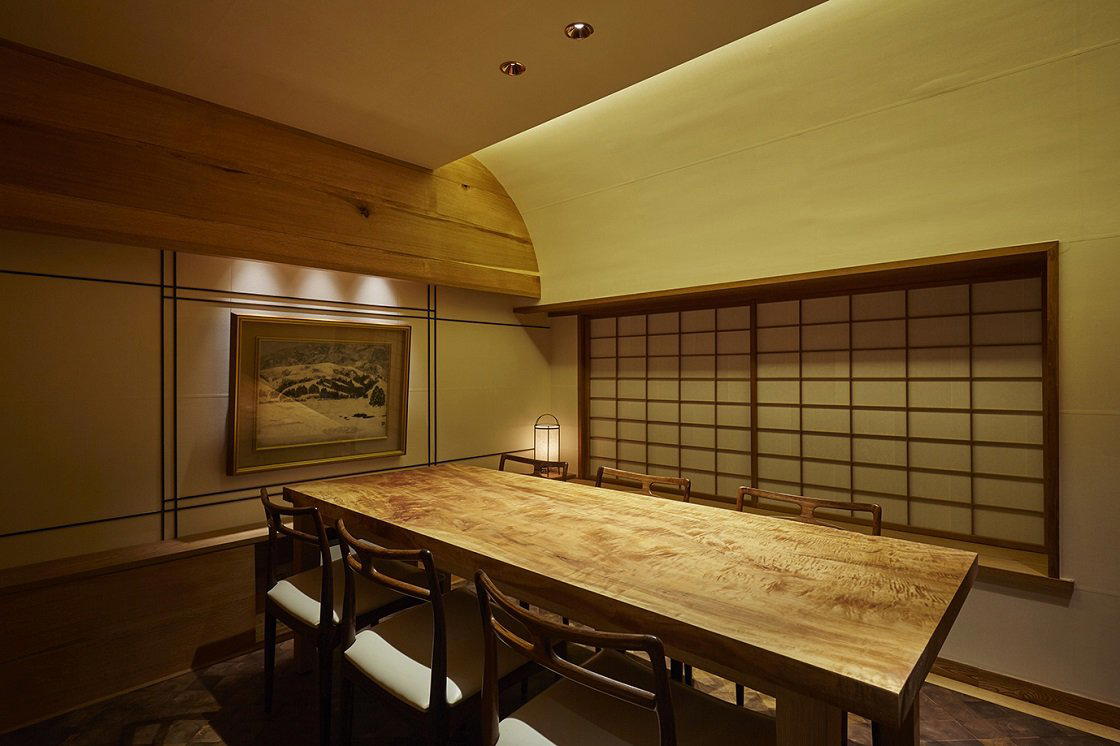
Kyoto machiya dining can become costume if the room carries too much burden. The useful version is modest: a house-like setting where seating, privacy and table comfort support the meal. Agotsuyu Shabushabu Yamafuku lists counter seating, sofa seating, tatami and sunken seating, plus private rooms for four and private use for larger groups. Those details suit several nights: family dinner, date, friends around one pot, or a contained gathering.
The 36-seat scale is important: large enough to avoid eight-seat-counter preciousness, small enough for hot pot to stay intimate. Non-smoking status and English menu and staff support also change the practical calculation for international diners. Kyoto can be punishing when a restaurant expects every convention to be understood before sitting down; a multilingual setup lowers friction without flattening the local format.
The restaurant opened in 2012, giving it a longer operating history than many tourism-era concepts in central Kyoto. Longevity is not proof of quality, but in a category dependent on repeat local use, it is useful. The Tabelog score of 3.52 adds another measured reference point alongside the 2024 Hot Pot selection. Neither should be read like a Western star system. In Japan, category lists and user scores tend to reward reliability inside a narrow lane; for shabu-shabu, that narrowness is the point.
How it fits into a Kyoto dining itinerary
Strongest use case is an evening when a traveller wants Kyoto atmosphere without formal-restaurant stiffness. Hot pot is forgiving after temples, shopping or bar-hopping because it has warmth, repetition and a natural arc. It is also a counterweight to more composed dining elsewhere in the city. A Kyoto plan might put sweets or casual local staples earlier, then save hot pot for dinner when the group wants to sit longer and talk.
For broader planning, compare the city through formats, not only cuisines. 3TOKU6MI Shijo karasuma ten, 551蓬莱, [ki:], Abbesses and Aburi Mochi Honke Nemoto Kazariya show how wide Kyoto’s restaurant map becomes beyond temple-district set pieces. For the full city edit, use Our full Kyoto restaurants guide, then match dinner with Our full Kyoto hotels guide, Our full Kyoto bars guide, Our full Kyoto wineries guide and Our full Kyoto experiences guide.
Readers building a Japan-wide hot-pot and casual-dining thread can also look outside Kyoto: -Grilled beef Sukiyaki- KAMAKURA TANUKIAN 鎌倉 たぬき庵 in Kamakura for sukiyaki contrast. 鮪と炭火焼き うお炭 秋葉原店 in Tokyo for charcoal and tuna in a capital-city register.cafe in Osaka.know in Kumamoto, (Shoku) Vietnam in Kawasaki, [Curry Senmon Ten] Maruyama Kyoju. in Sapporo, Jōdo Saké Bar in Los Angeles and Onigiri Time in Pasadena. The through-line is not sameness, but how Japanese dining formats travel from specialised local rooms to broader casual culture.
The editorial verdict is practical: choose the restaurant when the desired Kyoto dinner is participatory, warm and group-friendly, with enough recognition to justify planning but not the formality of a chef-counter splurge. The appeal lies in tending the pot, the ago dashi identity, and a room built for conversation.
Cuisine Lens
Comparable venues at a glance for context.
| Venue | Cuisine | Price | Notes |
|---|---|---|---|
| Agotsuyu Shabushabu YamafukuThis venue — the venue you are viewing | Kyoto-Style Shabu-Shabu | $$$ | Not listed |
| Sukiyaki Iroha Kita ten | Traditional Kyoto sukiyaki | $$$ | Nakagyō |
| Charcoal fire izakaya Julia Wagyu specialty store | Charcoal Fire Izakaya with Wagyu Specialty | $$$ | Shimogyō |
| KANEGURA | Wagyu-focused Japanese Izakaya & Hot Pot | $$$ | Shimogyō |
| Sakaba Ikura Mokuzai | Japanese stand-up izakaya bar | $$$ | Kamigyō |
| Teuchi Soba Sushi Imafuku | Japanese Soba and Sushi | $$$ | Fushimi |
Recognition history
Dated appearances from independent guides and award organizations, with the underlying list record or original source where available.
Tabelog 100 #39 · No. 39
Tabelog · Tabelog 100 - Hot Pot - 2024
Continue exploring
More in Kyoto
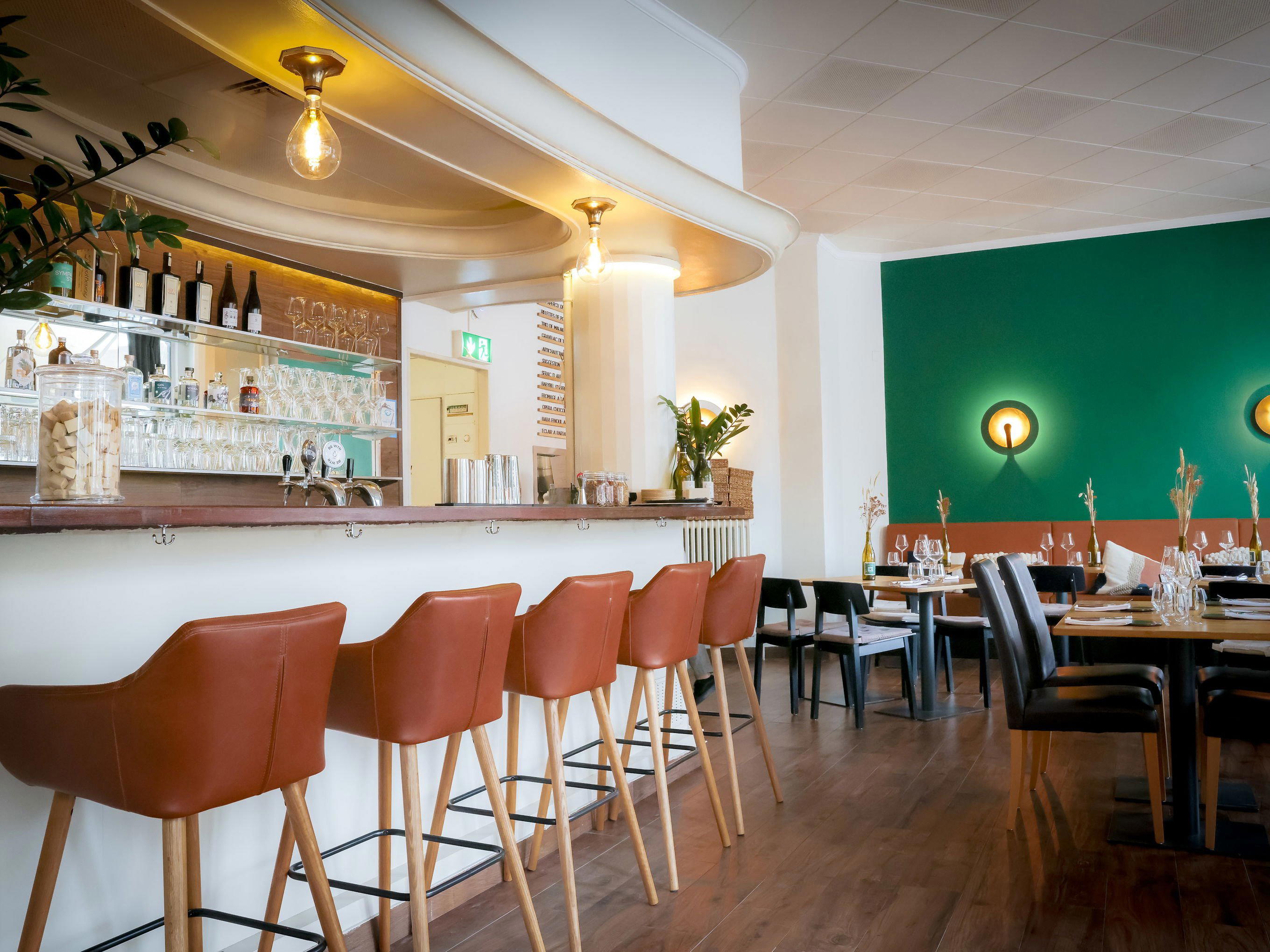
Restaurants in Kyoto
Browse all →
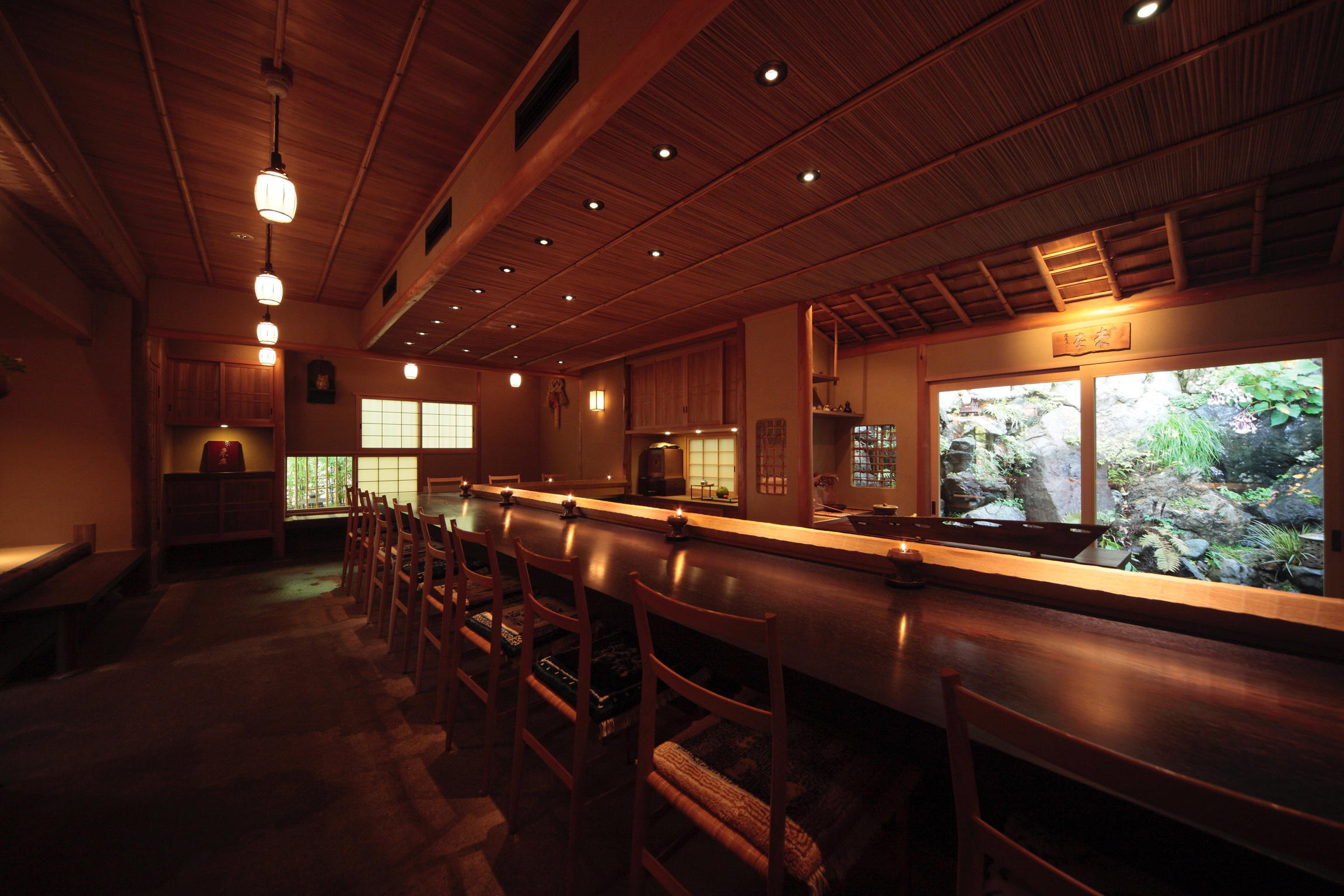
Bars in Kyoto
Browse all →
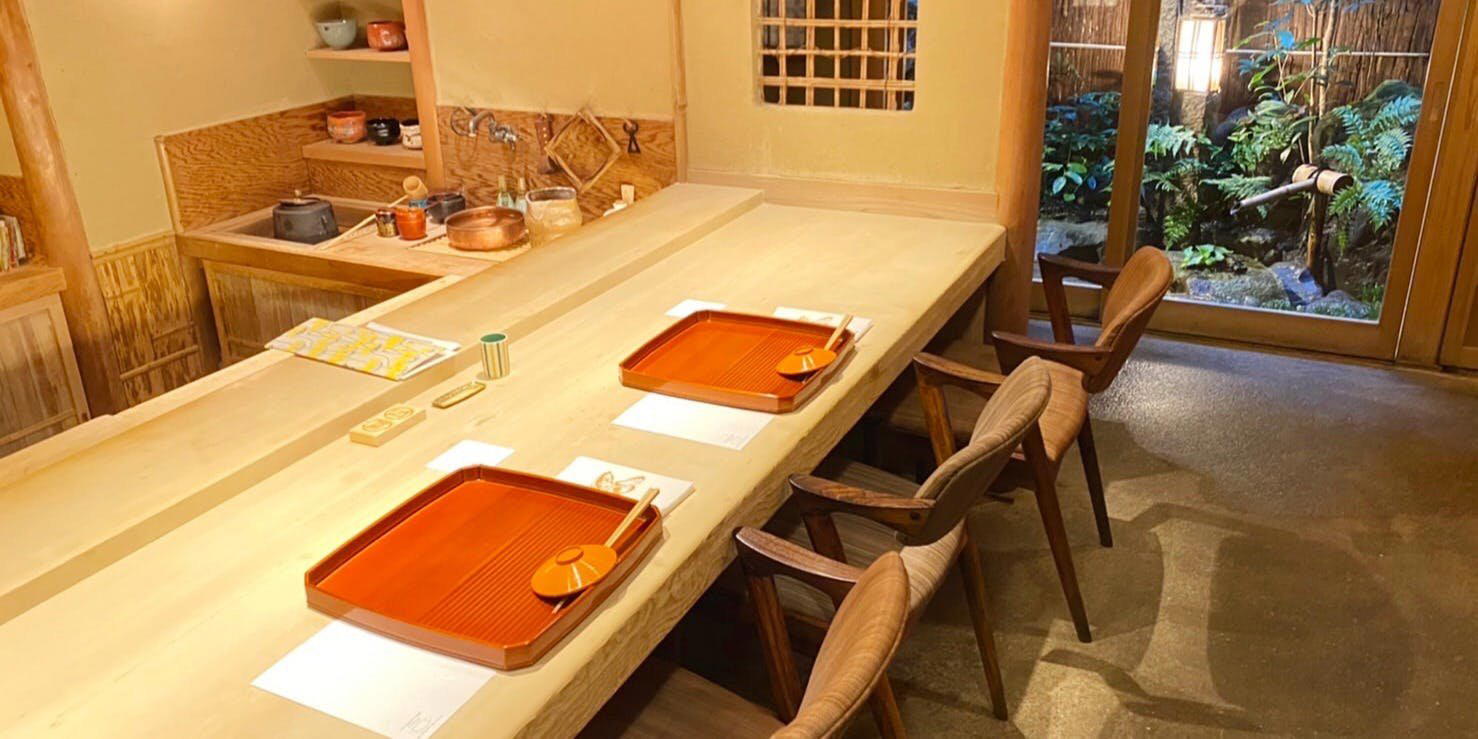
Hotels in Kyoto
Browse all →
Wineries in Kyoto
Browse all →
At a Glance
- Cozy
- Classic
- Intimate
- Group Dining
- Family
- Special Occasion
- Casual Hangout
- Standalone
- Beer Program
- Sake Program
- Local Sourcing
- Street Scene
Current opening hours
- Monday
- 5 PM–12 AM
- Tuesday
- 5 PM–12 AM
- Wednesday
- 5 PM–12 AM
- Thursday
- 5 PM–12 AM
- Friday
- 5 PM–12 AM
- Saturday
- 5 PM–12 AM
- Sunday
- 5 PM–12 AM
Hours can change for holidays and private events. Last verified .
A traditional Kyoto machiya-style hotpot restaurant with an elegant, tucked-away feel and a warm, intimate dining atmosphere.