Located in Kyoto's Shimogyo Ward, 五乃井 鮎屋 occupies the intersection of deep seasonal tradition and technical discipline that defines the city's serious dining tier. The address alone, on Karasuma-dori, places it within a neighbourhood where culinary expectations are high and competition among committed kitchens is tighter than it appears from the outside. For visitors who read the city's food culture before arriving, this is the kind of address worth tracking down.
 Discover on Pearl
Pearl is the En Primeur Club membership app — saves, bookings, and concierge access live there. Same editors, same standards.
- Address
- Japan, 〒600-8012 Kyoto, Shimogyo Ward, 四条下る斎藤町118
- Phone
- +81753615580
- Website
- kikunoi.jp
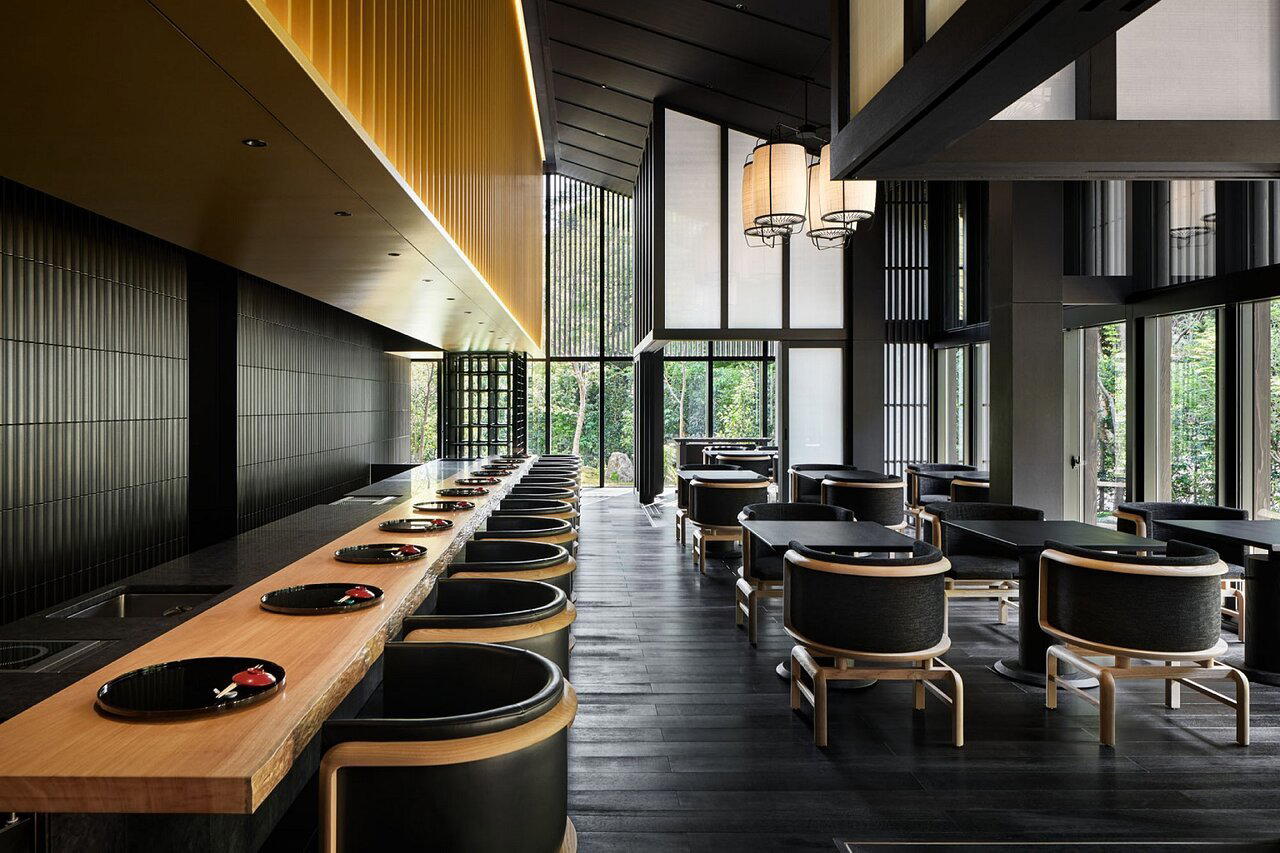
Shimogyo Ward and the Quiet Density of Kyoto's Dining Interior
菊乃井 露庵 is a Kyoto restaurant in Shimogyo Ward serving Traditional Kaiseki Omakase, with an average spend of about US$180 per person.
Kyoto's reputation for refined dining tends to cluster in visitor consciousness around Gion and the eastern foothills, where the traditional machiya architecture does half the atmospheric work. Shimogyo Ward, by contrast, is a working district, and its restaurants operate in a context where local regulars outnumber tourists and the room has to earn its keep on the plate rather than the postcard. This is the part of the city where, as a diner, you start to feel the real weight of Kyoto's culinary culture: less theatrical, more committed.
菊乃井 露庵, addressed to Japan, 〒600-8012 Kyoto, Shimogyo Ward, 四条下る斎藤町118, sits inside that quieter gravitational field. The ayu, or sweetfish, implicit in the name signals a kitchen aligned with seasonal product rather than a generalised kaiseki canon. Ayu is one of Japan's most time-sensitive ingredients, its availability and character shifting week by week through summer into early autumn, and a restaurant that foregrounds it in its identity is making a particular bet on freshness, sourcing discipline, and a clientele willing to follow the calendar rather than impose their own expectations upon it.
The Logic of Ayu: Indigenous Product Meets Technical Precision
Among Japan's river fish, ayu occupies a category of its own. Its flavour profile, faintly herbaceous in peak season due to the algae it feeds on, resists overcooking more decisively than most freshwater species. The techniques used to prepare it range from salt-grilling over bincho charcoal to more delicate preparations that preserve the texture of the flesh without masking the watermelon-like fragrance the fish develops at its seasonal height. When kitchens operating at a serious level apply continental-influenced technical discipline to a product this fragile, the results can be revelatory, but only when the sourcing is clean and the timing is exact.
This is the intersection that makes the editorial angle around 五乃井 鮎屋 worth establishing: the use of indigenous Japanese product, one as deeply local as any ingredient in the nation's kitchen vocabulary, within a framework that may draw on technical registers beyond the strictly traditional. Kyoto has demonstrated, particularly over the last two decades, that this is not a contradiction. Restaurants like HAJIME in Osaka have made the case at the highest level that Japanese produce and global culinary method can coexist without either element losing coherence. Closer to home, the Kyoto dining tier produces its own version of this dialogue, most visibly at the kaiseki end of the spectrum but increasingly across smaller, more focused addresses.
Kyoto's Competitive Context: Where This Address Sits
Kyoto's serious restaurant tier has, over the past decade, sorted itself into a legible hierarchy. At the leading, multi-Michelin addresses like Kikunoi Honten, Hyotei, and Gion Sasaki command advance reservations months ahead and price at the upper bracket of kaiseki. A tier below, focused single-product or kaiseki-adjacent restaurants operate with smaller room counts, tighter seasonal programs, and a clientele that tends to return rather than arrive once on a trip. Mizai and Isshisoden Nakamura represent the kind of depth this second tier can achieve.
五乃井 鮎屋 reads as a kitchen operating in this committed mid-register, where the focus is on one ingredient's seasonal arc rather than the full kaiseki architecture. That narrowing of scope is not a limitation; it is a declaration of intent. Compare this to the model at akordu in Nara, where Spanish technique is applied to Yamato regional produce, or at Goh in Fukuoka, where similar conversations between local seafood and refined technique take place at a high level. The pattern across Japan's serious mid-scale dining is consistent: deep knowledge of a specific product, disciplined sourcing, and a kitchen willing to restrict its menu to what it can actually do well.
Comparable single-product or focused seasonal addresses elsewhere in Japan include Aji Arai in Oita, Abon in Ashiya, and aki nagao in Sapporo. For those building a wider Japan itinerary, Harutaka in Tokyo, affetto akita in Akita, Ajidocoro in Yubari District, and Akakichi in Imabari each represent points of reference at different price tiers and regional traditions. For readers drawing comparative reference across global technique-and-product kitchens, Le Bernardin in New York City and Lazy Bear in San Francisco offer useful transatlantic benchmarks for what focused, product-led cooking can achieve at the highest levels of execution.
Recognition Snapshot
Comparable venues nearby, for context on price, style, and recognition.
| Venue | Cuisine | Price | Awards | Notes |
|---|---|---|---|---|
| 菊乃井 露庵This venue — the venue you are viewing | Traditional Kaiseki Omakase | $$$ | , | |
| 半々 | 肉割烹 | $$$ | , | 聖護院 |
| Teuchi Soba Sushi Imafuku | Japanese Soba and Sushi | $$$ | , | Fushimi |
| 食堂みやざき | Traditional Japanese Omakase | $$$ | , | Kawaramachi, Kiyamachi, Ponto-cho |
| Agotsuyu Shabushabu Yamafuku | Kyoto-Style Shabu-Shabu | $$$ | , | Nakagyō |
| Okuniya Manbei Unagi | Kansai-Style Unagi Kabayaki | $$$ | , | Nakagyo-Ku |
Continue exploring
More in Kyoto
Restaurants in Kyoto
Browse all →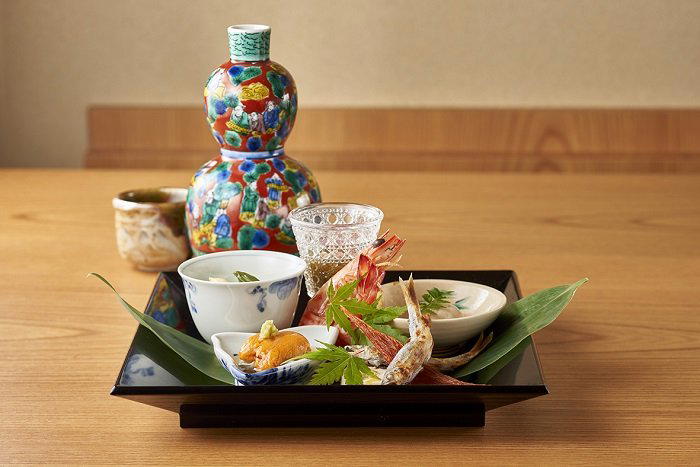
Bars in Kyoto
Browse all →
Hotels in Kyoto
Browse all →
Wineries in Kyoto
Browse all →
At a Glance
- Elegant
- Intimate
- Classic
- Quiet
- Date Night
- Special Occasion
- Celebration
- Chefs Counter
- Garden
- Open Kitchen
- Historic Building
- Sake Program
- Sommelier Led
- Local Sourcing
- Garden
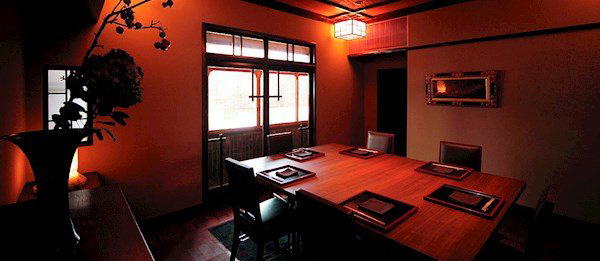
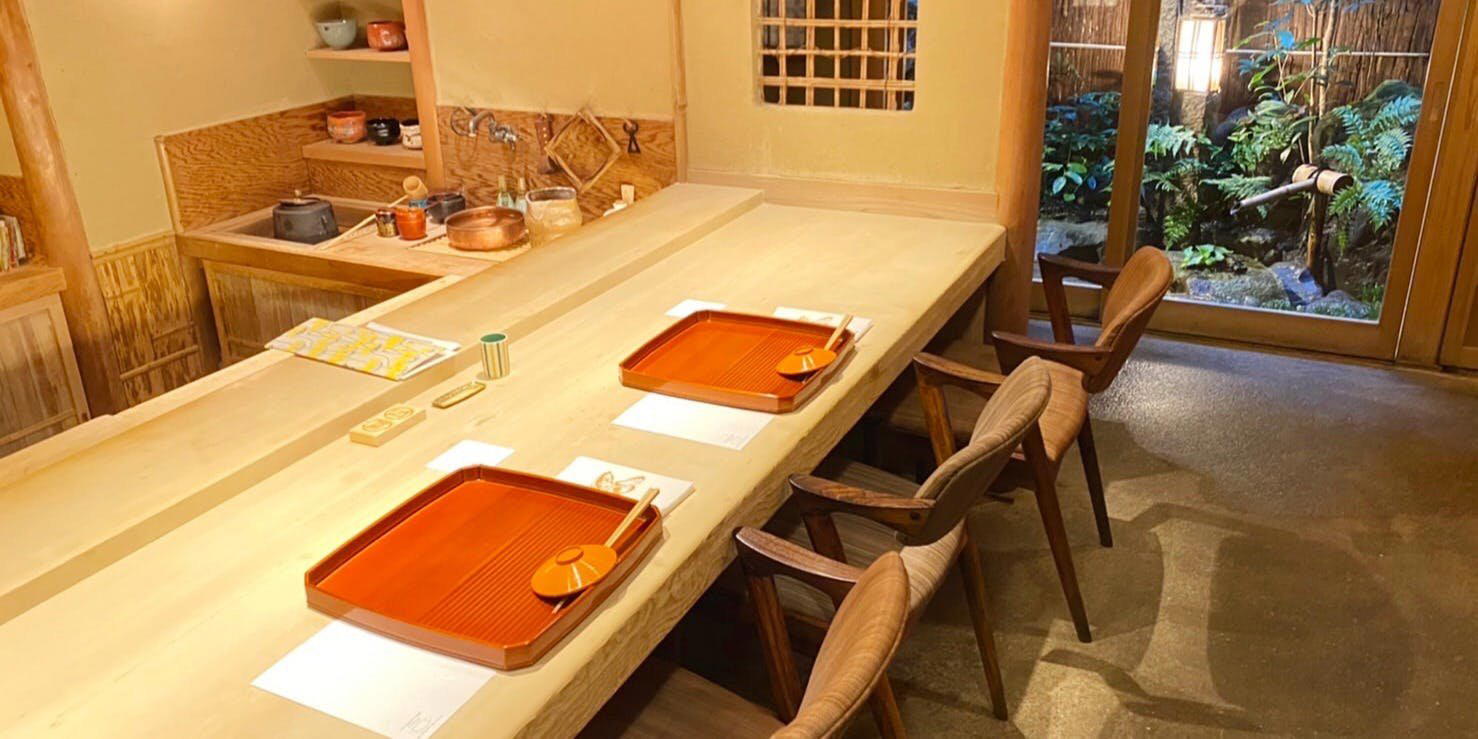
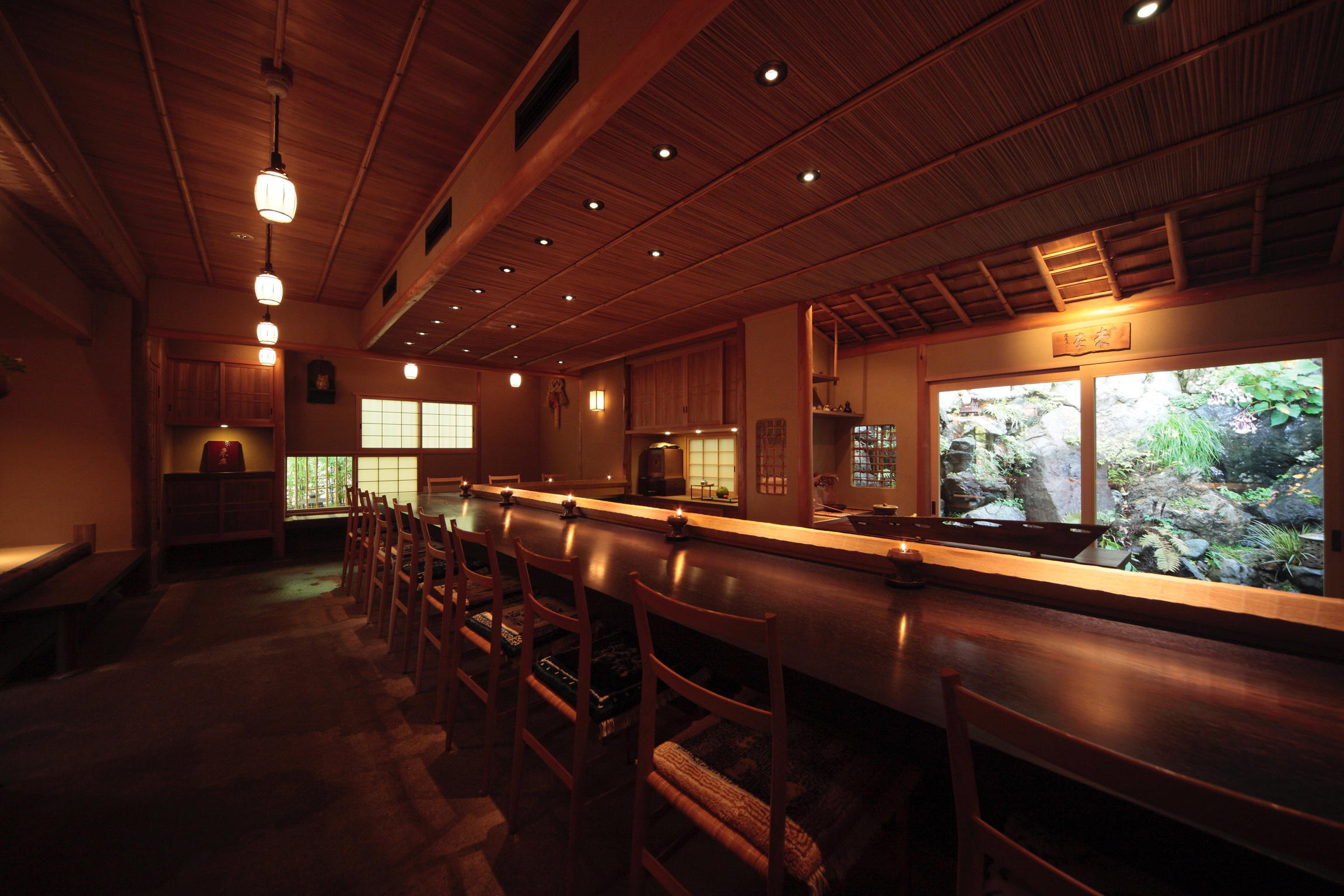
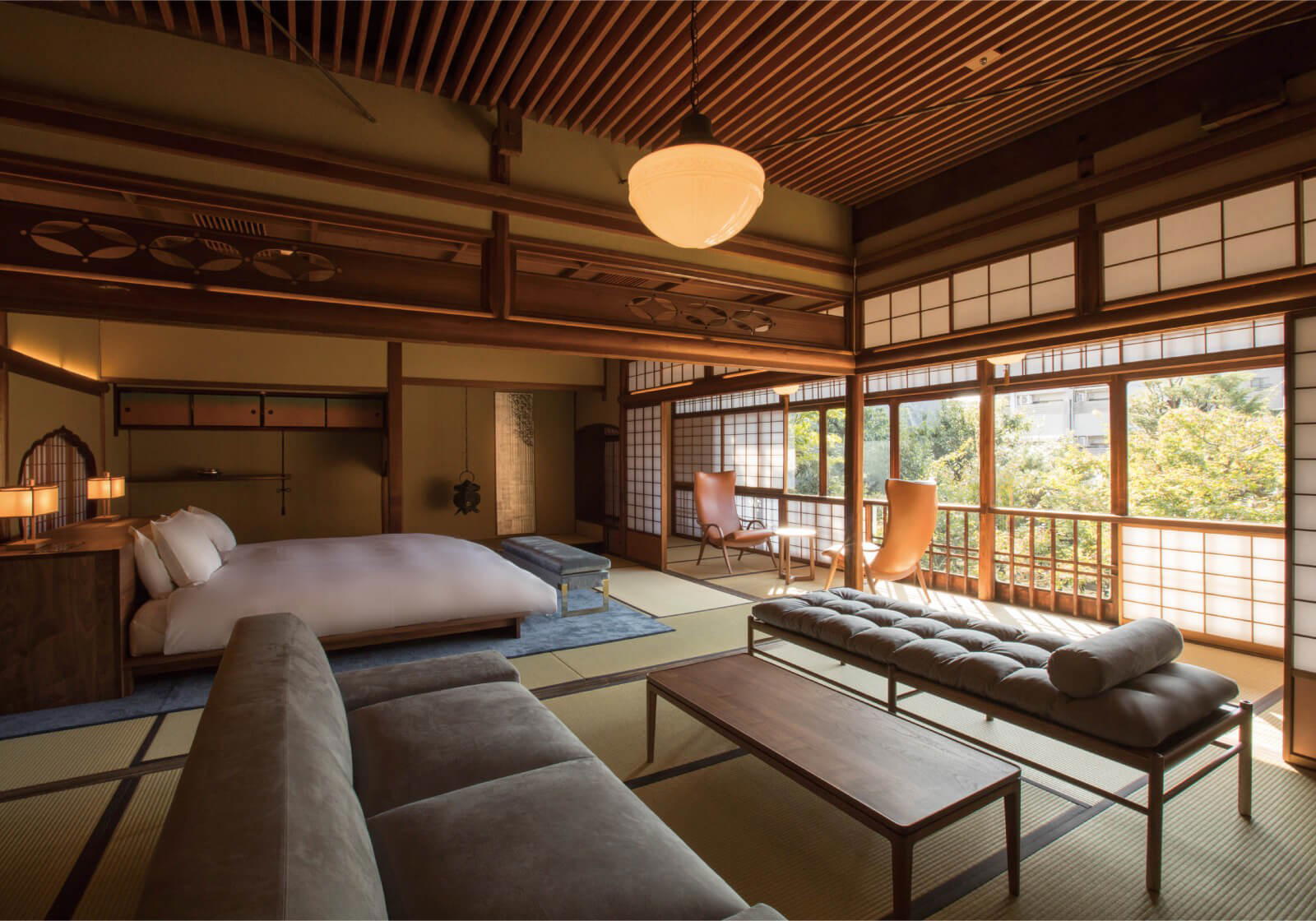
Soft, warm lighting in a traditional wooden interior with tatami rooms overlooking a private garden; intimate and meditative atmosphere.