In Kyoto's Teramachi Kyogoku shopping arcade, GYUKATSU Kyoto Katsugyu represents one strand of Japan's katsu tradition where beef, not pork, takes the lead. The format is hands-on: lightly seared gyukatsu arrives tableside with a personal stone grill for finishing, placing the cook in the diner's hands. It sits in the accessible mid-range tier that runs parallel to Kyoto's kaiseki-heavy dining scene.
Pearl is the En Primeur Club membership app — saves, bookings, and concierge access live there. Same editors, same standards.
- Address
- Japan, 〒604-8046 Kyoto, Nakagyo Ward, Higashigawacho, 529-2
- Phone
- +81757441418
- Website
- gyukatsu-kyotokatsugyu.com
- Directions
- Get directions
 Saves & bookings on Pearl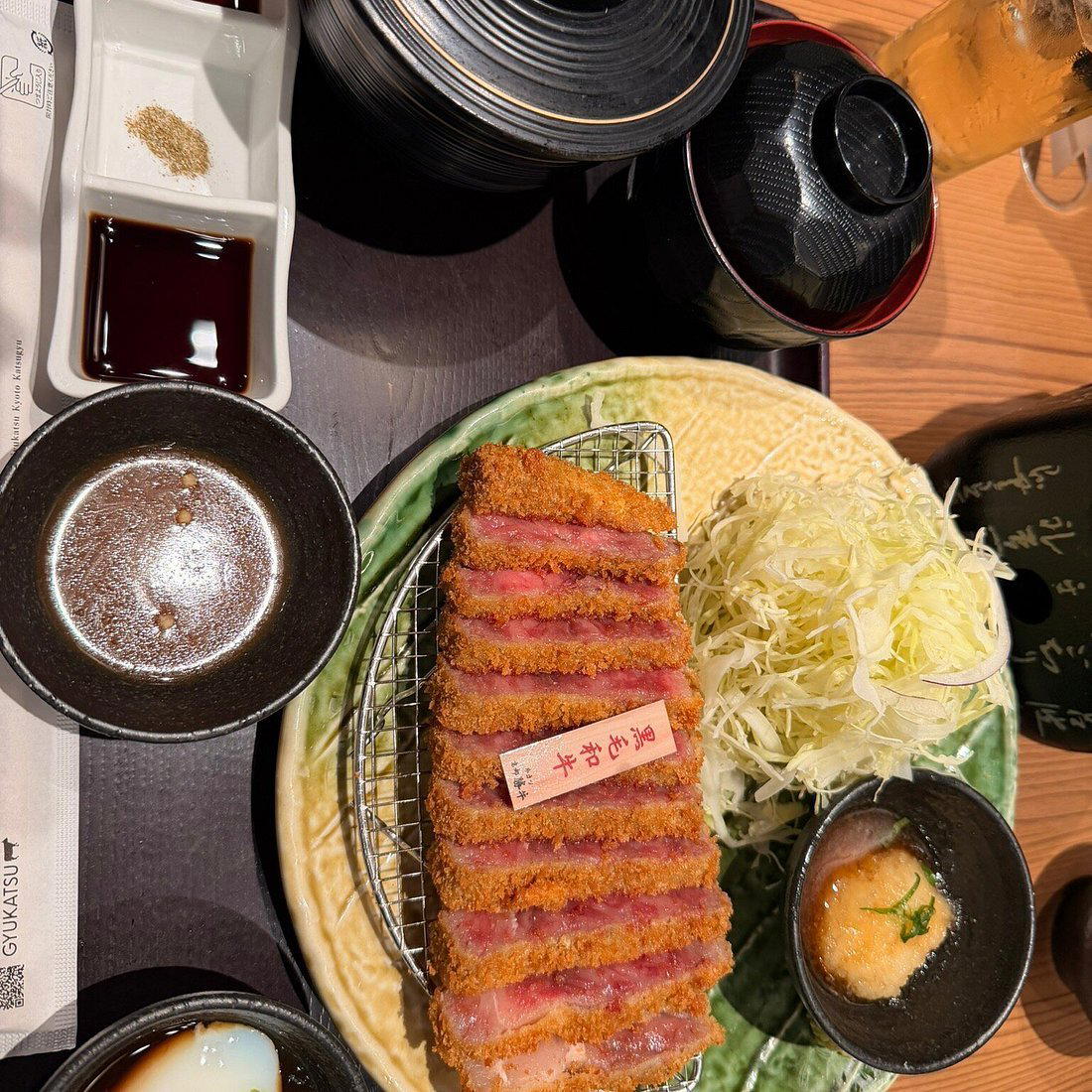
Where Beef Katsu Meets the Arcade
Teramachi Kyogoku is one of Kyoto's covered shopping arcades, a long, roofed corridor running north from Shijo-dori through Nakagyo Ward, lined with everything from century-old confectioners to fast-fashion outlets. The dining options here tend toward the accessible and high-volume, serving the steady foot traffic that moves between Nishiki Market to the south and the quieter temple streets to the north. Within that context, GYUKATSU Kyoto Katsugyu occupies a position that is less about the arcade's commercial energy and more about a specific culinary argument: that Japan's katsu tradition, so long dominated by tonkatsu (pork cutlet), has an equally compelling case to make with beef.
Gyukatsu, breaded, deep-fried beef cutlet, has become its own subgenre in Japanese casual dining over the past decade, with dedicated chains and independent counters spreading from Osaka and Tokyo into Kyoto's mid-range scene. The format at Katsugyu follows the template that has made the category legible to first-time visitors and regulars alike: the cutlet arrives lightly fried, deliberately rare at the centre, with a small hot stone grill at the table for diners to finish slices to their preferred doneness. That interaction shifts the experience from passive consumption to something more deliberate, which is part of why the category has found traction with an international audience accustomed to izakaya-style participation.
The Sourcing Argument Behind Beef Katsu
The ingredient question sits at the heart of what separates gyukatsu counters from one another. Breaded and fried preparations are, by definition, partially obscuring, the crust absorbs oil, the coating adds texture, and the precise character of the beef beneath is harder to read than in, say, a yakiniku grill or a sukiyaki pot. That means the sourcing decision carries more weight than it might appear to. Japanese beef grading runs from A1 to A5, with A4 and A5 wagyu commanding significant premiums due to marbling scores assessed by the Japan Meat Grading Association. At the accessible price tier where gyukatsu chains typically operate, the beef specification tends toward the mid-grade range, enough marbling to reward the tableside finishing process without pricing the format out of its everyday-dining position.
The Teramachi Kyogoku location places this sourcing calculation in an interesting geographic context. Kyoto sits at the edge of Kansai's beef-producing corridor: Kobe to the west produces the internationally recognised Japanese beef designation, while Kyoto beef (Kyoto-gyu) is a smaller protected designation drawing from the Tamba and Ayabe areas of Kyoto Prefecture. The category logic points toward mid-grade domestic beef as the baseline assumption, a reasonable starting point for a format that competes on execution and accessibility rather than on ingredient rarity.
For a sense of where ingredient sourcing reaches its most meticulous expression in Kyoto, the city's kaiseki tradition sets the reference point. Restaurants like Gion Sasaki, Hyotei, and Kikunoi Honten build entire menus around hyper-seasonal Kyoto produce, with sourcing relationships that span decades. Mizai and Isshisoden Nakamura operate in the same register, where the provenance of each component is part of the formal presentation. Gyukatsu sits in an entirely different category, casual, repeatable, affordable, but the underlying question of where the protein comes from is no less relevant, even if the format does not foreground it in the same way.
The Format and What It Demands of the Diner
The tableside stone grill is the defining mechanic of the gyukatsu experience, and it rewards a certain attentiveness. The cutlet is sliced before it reaches the table, and diners place individual pieces on the hot stone surface for ten to twenty seconds per side, watching the rare interior shift from deep red to pink. The optimal window is narrow, overcook it and the point of using high-quality beef is largely lost; undercook it and the breaded exterior dominates. Accompanying condiments typically include soy-based dipping sauces, wasabi, and sometimes a small portion of Kyoto-style pickles (tsukemono), which cut against the richness of the fried coating. Barley rice (mugi-gohan) is a common pairing in the gyukatsu format, adding a slightly nutty, chewier base than plain white rice.
This is casual dining that asks something of its participants, which distinguishes it from most fast-food-adjacent options in the arcade. It is also quick by design, the format does not stretch toward long table times, and the throughput at popular gyukatsu counters tends to be high. Expect queues during peak lunch and dinner windows, particularly on weekends and during Kyoto's two major tourist seasons: late March to early May (cherry blossom) and mid-October to late November (autumn foliage). Arriving outside those windows, or targeting the gap between the lunch rush and evening service, is the direct way to minimise waiting time.
Kyoto's Mid-Range Dining Tier in Context
Kyoto's dining reputation rests disproportionately on its kaiseki tradition and its Michelin-starred upper tier. The city holds a significant concentration of starred restaurants relative to its size, our full Kyoto restaurants guide maps the range from accessible neighbourhood spots to the reservation-only upper bracket. But the mid-range tier, where gyukatsu, ramen, and tofu-centred set meals operate, absorbs the majority of daily foot traffic and represents the eating pattern of most visitors and many residents. Within that tier, beef katsu has carved a distinct identity from tonkatsu: the ingredient is more expensive at baseline, the tableside element adds a layer of interaction, and the format positions itself slightly above the basic counter-service experience.
Across Japan, the same format appears in different regional contexts. HAJIME in Osaka operates at the opposite end of the formality spectrum, illustrating how wide the range of serious eating runs in Kansai. Harutaka in Tokyo shows the same breadth in the capital's sushi tier. At the casual accessible end, where Katsugyu competes, the relevant comparable set is other gyukatsu specialists rather than Michelin-tracked establishments. Further afield, akordu in Nara and Goh in Fukuoka represent the kind of chef-driven serious dining that occupies a different conversation entirely.
Planning a Visit
The Teramachi Kyogoku location sits at 529-2 Higashigawacho, Nakagyo Ward, Kyoto, accessible on foot from Karasuma-Oike or Shijo stations on the Karasuma Subway Line, both within a ten-minute walk. Walk-in is the standard approach. Budget for about $25 per person, where a beef cutlet set with rice and soup typically falls well below the threshold of the city's kaiseki restaurants. The format suits solo diners and small groups equally; the tableside grill works for one or two just as well as for a table of four. For visitors moving between Kyoto and other Kansai or further destinations, the arcade location makes it a practical stop before or after touring the central shopping and temple districts, Bistro Ange in Toyohashi and Birdland in Sakai mark other accessible mid-range options in the wider region for those extending their itinerary.
Credentials Lens
Comparable venues nearby, for context on price, style, and recognition.
| Venue | Cuisine | Price | Notes |
|---|---|---|---|
| GYUKATSU Kyoto Katsugyu Teramachi KyogokuThis venue — the venue you are viewing | Gyukatsu (Breaded Beef Cutlet) | $$$ | Not listed |
| Morita Ya JR kyoto isetan ten | Traditional Kyoto beef sukiyaki & shabu-shabu | $$$ | Shimogyō |
| Hachikian Marutacho (八起庵 丸太町本店) | Traditional Kyoto Chicken Kaiseki | $$$ | Sakyo-ku |
| 麩屋町 久らく | Japanese Kappo Izakaya | $$$ | 京都市役所前 |
| Sakaba Ikura Mokuzai | Japanese stand-up izakaya bar | $$$ | Kamigyō |
| Hatsuda | Kyoto-style Yakiniku & Wagyu Bento | $$$ | Sakyō |
Continue exploring
More in Kyoto
Restaurants in Kyoto
Browse all →

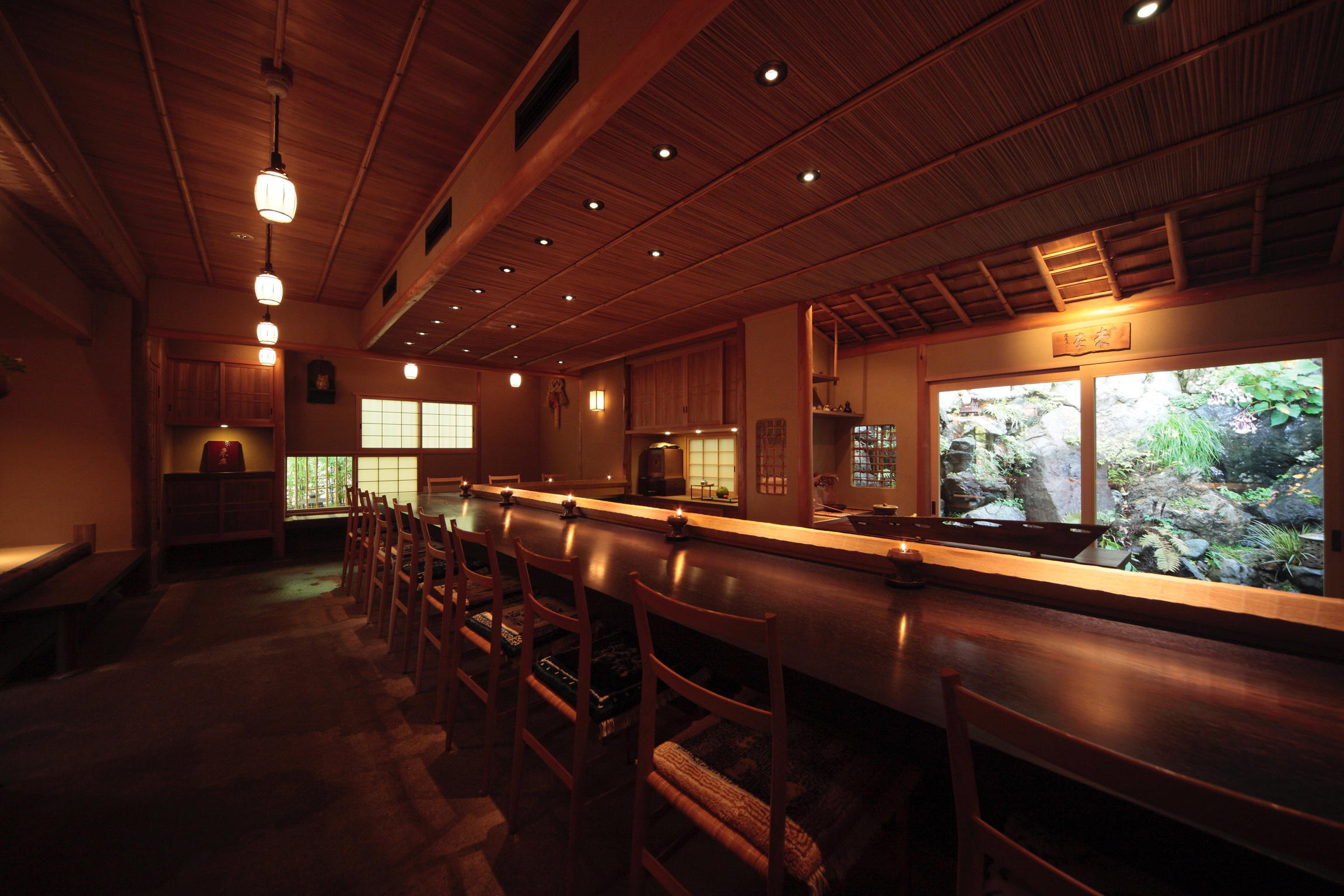
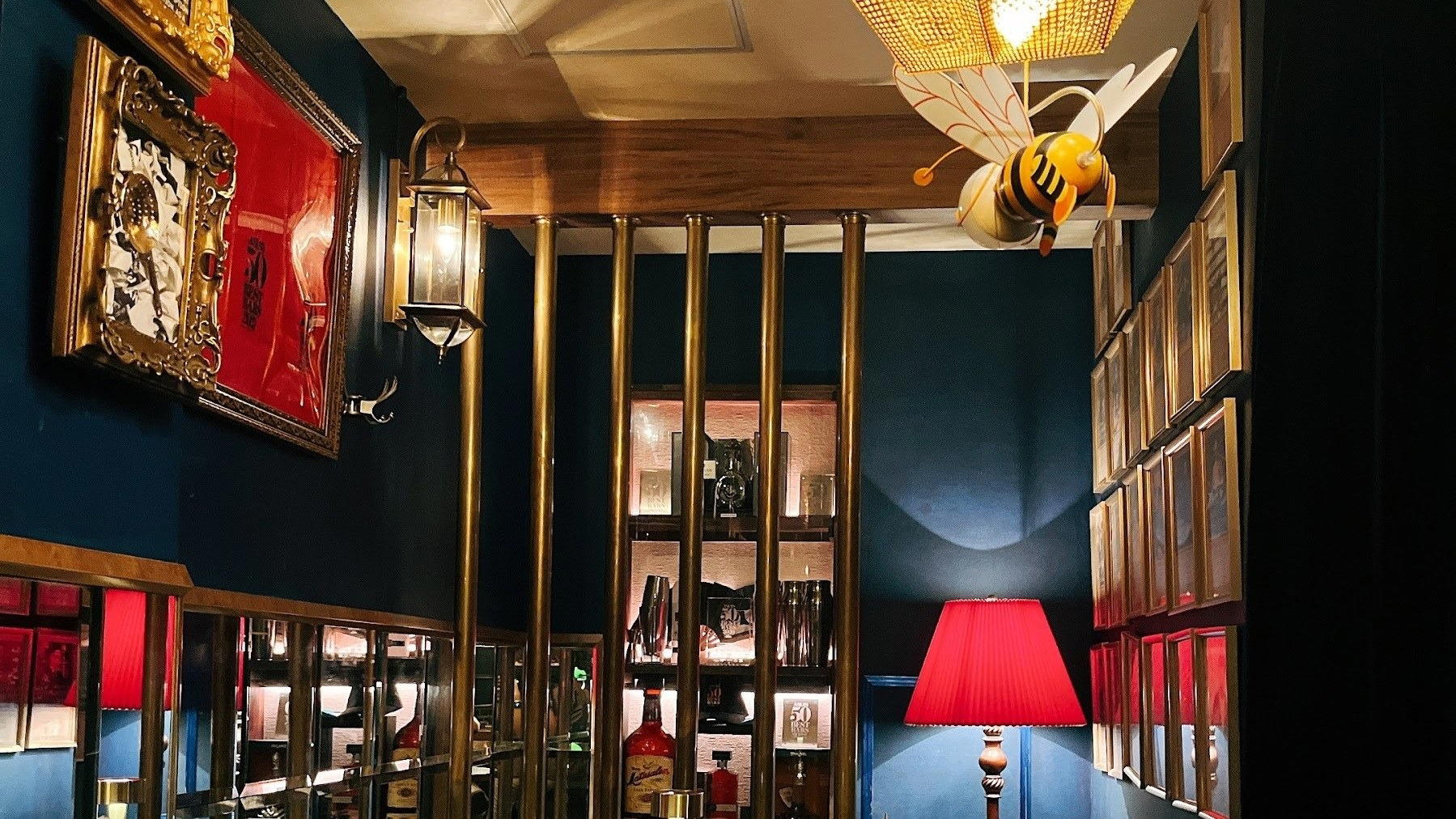
Bars in Kyoto
Browse all →


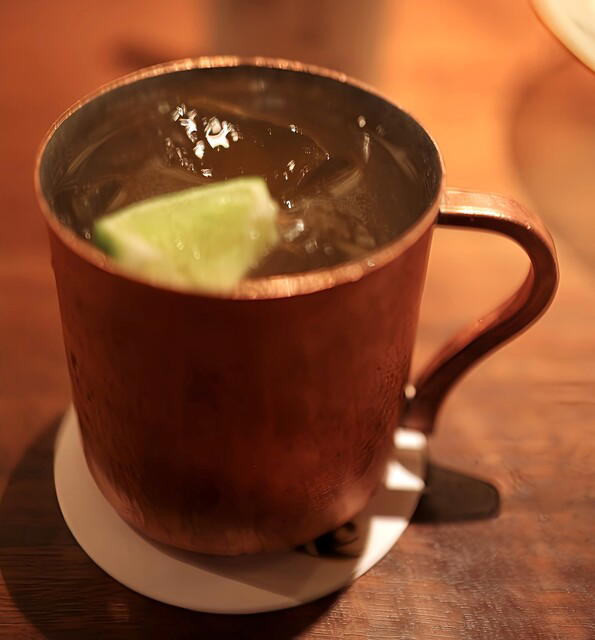
Hotels in Kyoto
Browse all →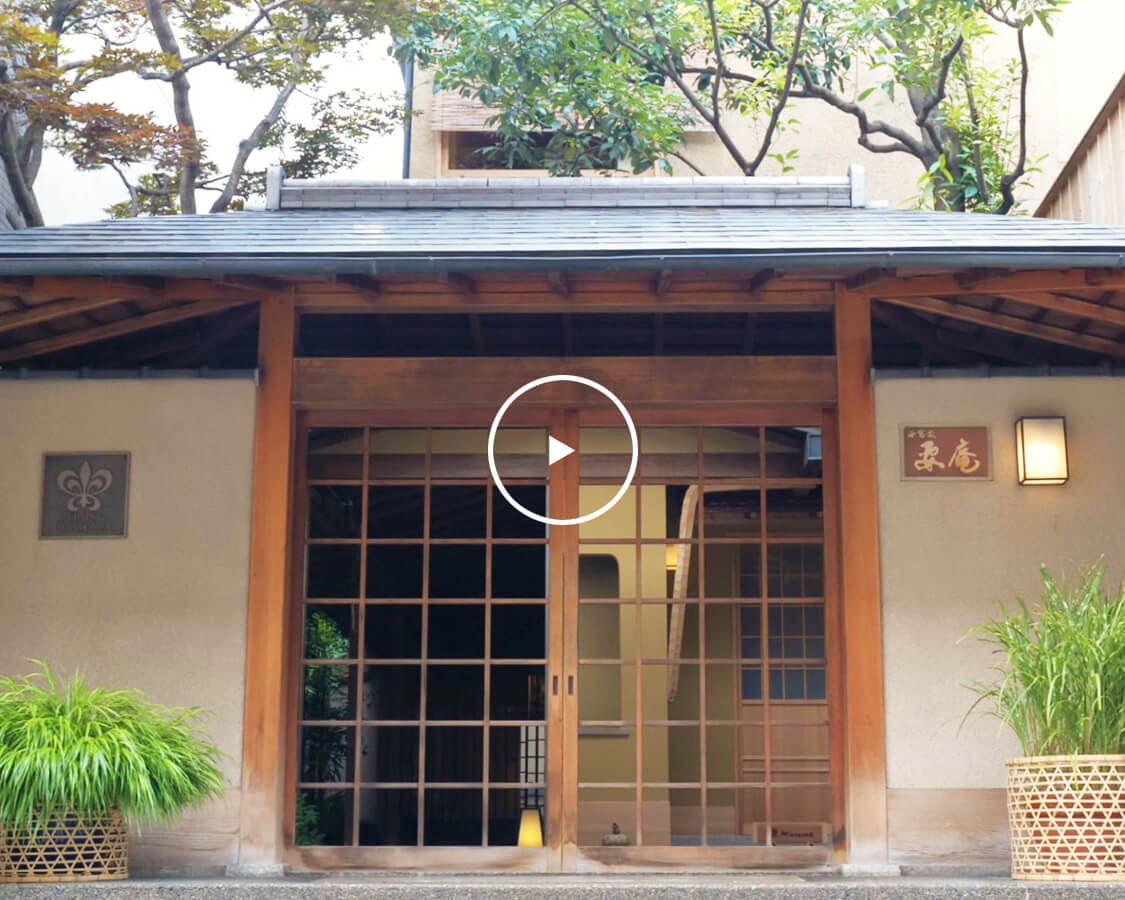

Wineries in Kyoto
Browse all →
At a Glance
- Cozy
- Trendy
- Modern
- Casual Hangout
- Group Dining
- Family
- Open Kitchen
- Sake Program
- Beer Program
Current opening hours
- Monday
- 10 AM–10:30 PM
- Tuesday
- 10 AM–10:30 PM
- Wednesday
- 10 AM–10:30 PM
- Thursday
- 10 AM–10:30 PM
- Friday
- 10 AM–10:30 PM
- Saturday
- 10 AM–10:30 PM
- Sunday
- 10 AM–10:30 PM
Hours can change for holidays and private events. Last verified .
Calm and relaxing atmosphere with Kyoto-inspired interior motifs reminiscent of a traditional kaiseki restaurant and lively energy from interactive cooking.