荒木町たつや occupies a first-floor address in Arakicho, one of Shinjuku's quieter residential bar quarters. The venue sits in a neighbourhood known for intimate, counter-led dining rather than spectacle, making it representative of a Tokyo dining mode that prizes proximity and restraint over scale.
Pearl is the En Primeur Club membership app — saves, bookings, and concierge access live there. Same editors, same standards.
- Address
- Japan, 〒160-0007 Tokyo, Shinjuku City, Arakicho, タウンコート七海 「タウンコート七海/1F」
- Phone
- +81367098087
- Website
- arakicho.com
- Directions
- Get directions
 Saves & bookings on Pearl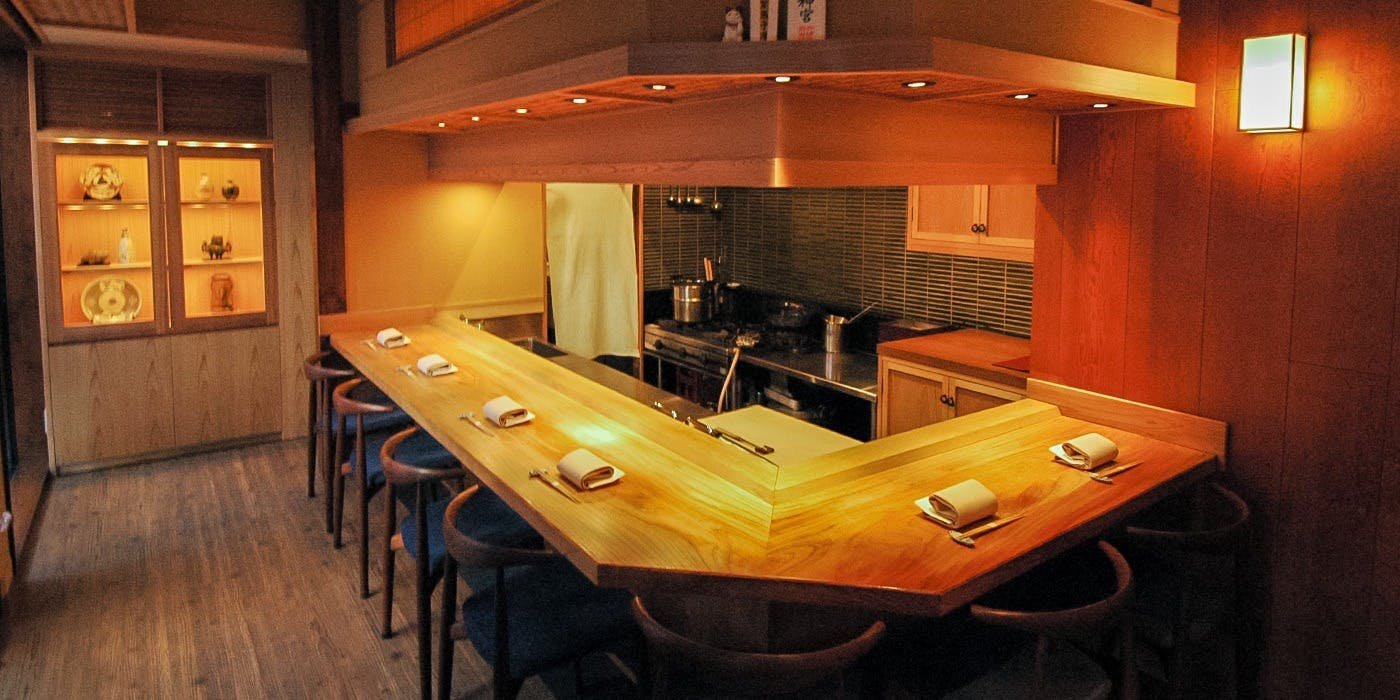
Arakicho and the Counter Tradition It Preserves
荒木町たつや is a Michelin-Starred Kaiseki restaurant in Tokyo's Arakicho district, with a price tier of about $75 per person. Tucked into the southwestern edge of Shinjuku City, the neighbourhood developed its hospitality character across several decades as a cluster of small bars, kappo counters, and izakayas serving a local rather than tourist circuit. The streets here are narrow enough that a restaurant with a dozen seats qualifies as a significant operation. That spatial compression is not incidental, it is the defining condition of how places in this quarter cook, serve, and source.
荒木町たつや sits within this context, on the first floor of Tauncourt Nanami in Arakicho. Understanding the venue means understanding the neighbourhood first: Arakicho operates as one of Tokyo's more self-contained dining ecosystems, where repeat clientele and word-of-mouth matter more than digital visibility. For comparison, counter-format operations that define the area's upper tier contrast sharply with the high-profile dining destinations of Ginza or Roppongi. Venues like Harutaka (Sushi) or RyuGin (Kaiseki) command high price tiers and long reservation queues. Arakicho's proposition is structurally different: proximity, informality, and a certain deliberate obscurity.
The Sustainability Logic of Small-Scale Dining
Across Japan, the argument for small-format restaurant operations has increasingly aligned with environmental thinking, even when operators do not use that language explicitly. A counter that seats twelve generates less food waste than a dining room of sixty. Shorter menus, sourced more deliberately, allow for tighter stock rotation and fewer cosmetically rejected ingredients. The kappo and izakaya traditions, which depend on the chef reading the room and adjusting portions, pacing, and emphasis in real time, produce structurally lower waste than fixed multi-course formats where every table receives identical preparations regardless of appetite.
Arakicho's dining character fits this broader pattern. The neighbourhood's small operators are not, as a rule, running sustainability programs in any formal sense. What they are doing is practicing a set of habits, local sourcing from trusted suppliers, daily buying from nearby markets, whole-ingredient use across multiple dishes, that predates the sustainability vocabulary now common in Western fine dining. Japan's culinary philosophy of mottainai (roughly, the ethic of avoiding waste) shapes kitchen practice in ways that the contemporary Western sustainability movement often attempts to replicate through formal certification. For context, operations like L'Effervescence in Nishiazabu have made ethical sourcing a stated program. In Arakicho, the same principles tend to operate quietly, embedded in practice rather than declared in press materials.
The same logic applies to restaurants across Japan. HAJIME in Osaka has positioned sustainability as a conscious design principle; Gion Sasaki in Kyoto operates within kaiseki traditions that are inherently seasonal and regionally bounded. akordu in Nara draws on local agricultural relationships in a way that mirrors what good neighbourhood restaurants in Arakicho have done for years without labelling it. The difference is scale and articulation, not underlying practice.
What Arakicho Asks of the Visitor
Dining in Arakicho requires a different orientation than booking at a destination restaurant. The neighbourhood rewards visitors who arrive without a fixed agenda, who can read a handwritten menu board, and who understand that the omakase mode, letting the kitchen decide, is often the implicit default even when not formally offered. It is a circuit that rewards visitors who are comfortable with a local rhythm rather than a destination model.
For context on what Tokyo's higher-profile French and innovative dining looks like, Sézanne and Crony represent the city's contemporary French tier, with structured tasting formats, documented sourcing programs, and accessible booking infrastructure. Arakicho's operators tend to function without that infrastructure, a feature of the neighbourhood's dining model.
For those planning a broader Japan itinerary, the small-counter dining tradition extends well beyond Tokyo. Goh in Fukuoka operates in a comparable register, as does 一本杉 川嶋 in Nanao and 古仁屋山乃 in Sapporo. Regional venues like 湖畔廚房 in Takashima and 庄羽屋 in Nishikawa Machi reflect the same neighbourhood-counter logic at work outside the major cities. For those whose Japan trip includes grilled-meat formats, Birdland in Sakai is worth noting as a reference point for yakitori done at a high level. And for visitors travelling with a Franco-Japanese itinerary, Bistro Ange in Toyohashi occupies a French bistro register in a regional Japanese city, a useful comparison for understanding how European formats adapt to local conditions.
Internationally, the small-counter sustainability argument has parallels in New York's upper-tier Korean-influenced tasting format at Atomix, and in the seafood sourcing philosophy maintained by Le Bernardin, both of which use provenance and restraint as organising principles, even at much larger price points. See our full Tokyo restaurants guide for a broader mapping of where 荒木町たつや sits within the city's dining tiers.
Planning a Visit
Arakicho is accessible from Yotsuya-Sanchome Station on the Tokyo Metro Marunouchi Line, placing it within easy reach of central Shinjuku and Yotsuya without sitting on the main tourist circuit. Given the neighbourhood's small-seat operations, arriving without a confirmed reservation is a risk, particularly on weekday evenings when local clientele fill counters early.
Visitors planning around seasonal Japanese produce should note that autumn and winter are periods when many Arakicho operators adjust their sourcing, shifting toward root vegetables, preserved ingredients, and cold-weather fish. Spring brings new-harvest vegetables and lighter preparations. These seasonal rhythms are not formal menu changes, they reflect the market availability that shapes daily buying in a neighbourhood where rigid menus are the exception.
Quick reference: 荒木町たつや, Tauncourt Nanami 1F, Arakicho, Shinjuku City, Tokyo 160-0007. Nearest station: Yotsuya-Sanchome (Tokyo Metro Marunouchi Line). Booking: appointment only.
Accolades, Compared
Comparable venues nearby, for context on price, style, and recognition.
| Venue | Cuisine | Price | Notes |
|---|---|---|---|
| 荒木町たつやThis venue — the venue you are viewing | Michelin-Starred Kaiseki | $$$ | Not listed |
| はなぶさ 麻布十番店 | Kansai-Style Charcoal-Grilled Unagi | $$$ | Azabu-Juban |
| Yakitori Toge | Modern Yakitori Omakase | $$$ | Shinjuku |
| Seiyo Oryouri Touyou Ken | Historic Yoshoku & Matsusaka Beef Fine Dining | $$$ | Minato |
| 麻布 幸村 | Traditional Japanese Kaiseki | $$$ | Minato |
| Halal Wagyu Yakiniku Gyumon Shibuya | Halal Wagyu Yakiniku | $$$ | Shibuya |












At a Glance
- Intimate
- Elegant
- Sophisticated
- Date Night
- Special Occasion
- Solo
- Chefs Counter
- Open Kitchen
- Sake Program
Current opening hours
- Monday
- 5:30 PM–12 AM
- Tuesday
- 5:30 PM–12 AM
- Wednesday
- Closed
- Thursday
- 5:30 PM–12 AM
- Friday
- 5:30 PM–12 AM
- Saturday
- 5:30 PM–12 AM
- Sunday
- 5:30–10 PM
Hours can change for holidays and private events. Last verified .
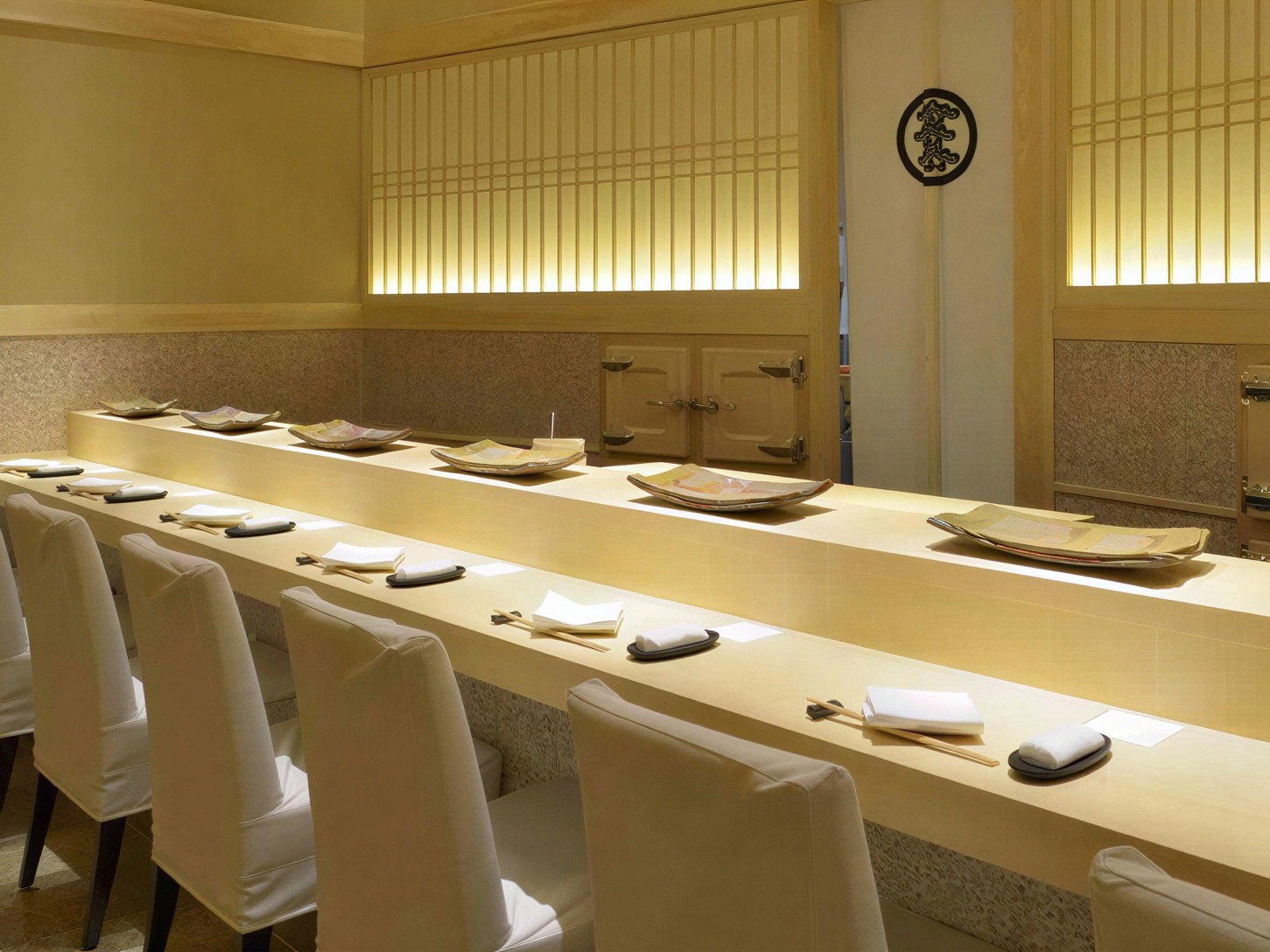
Intimate counter setting with open kitchen allowing diners to observe the chef's precise technique; minimalist aesthetic with subtle lighting reflecting the restaurant's focus on the food and delicate service.