饭田 occupies a quiet address in Nakagyo Ward, Kyoto, placing it within the city's broader tradition of intimate, counter-led dining that prizes restraint over spectacle. A reservation here requires research, patience, and an understanding of how Kyoto's leading dining actually works.
Pearl is the En Primeur Club membership app — saves, bookings, and concierge access live there. Same editors, same standards.
- Address
- 120-1 Fukunagacho, Nakagyo Ward, Kyoto, 604-8084, Japan
- Phone
- +81752316355
- Website
- kccu700.gorp.jp
- Directions
- Get directions
 Saves & bookings on Pearl
A Counter in Nakagyo: How Kyoto's Quietest Tables Operate
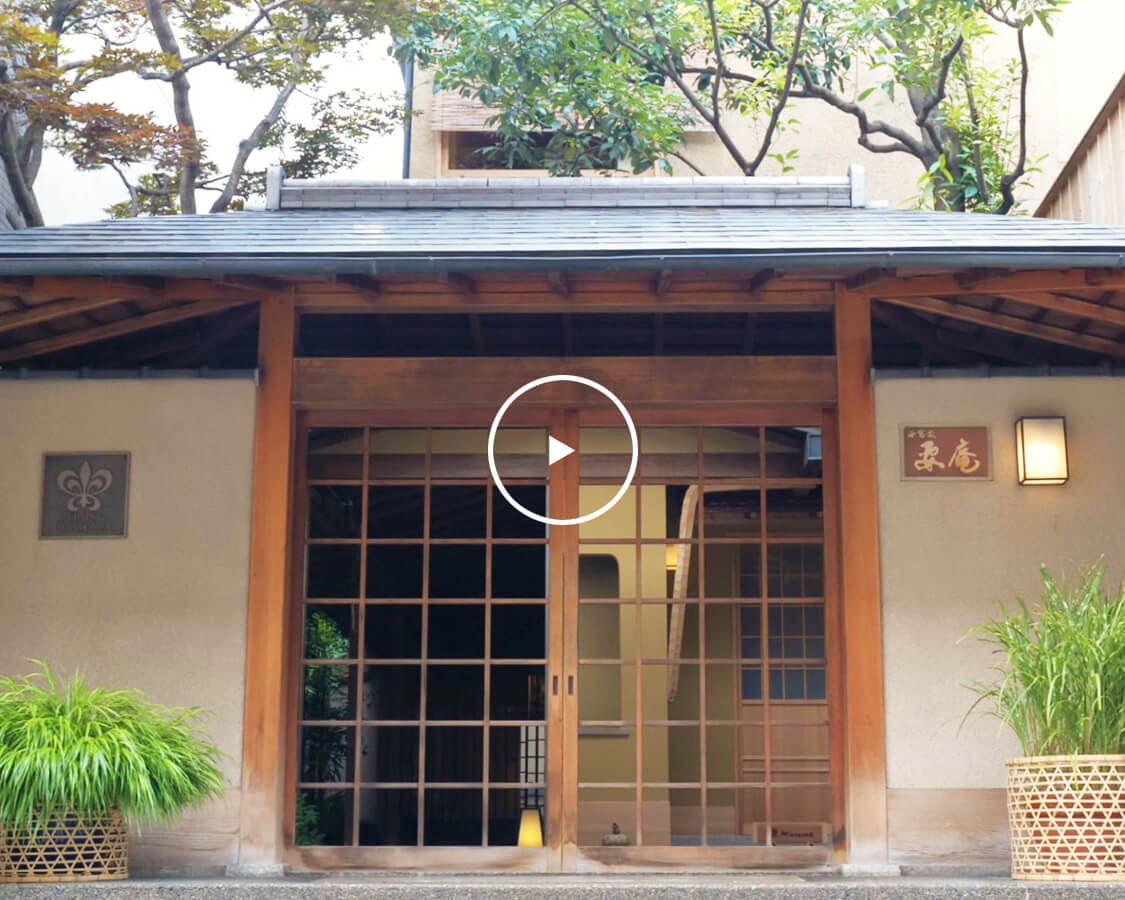
There is a particular quality to the streets around Nakagyo Ward in central Kyoto, the kind of quietude that signals something deliberate. The neighbourhood sits between the commercial density of Shijo and the more tourist-trafficked corridors to the north, and it is in precisely this interstitial zone that some of Kyoto's most serious dining addresses have chosen to settle. 饭田, at 120-1 Fukunagacho, belongs to this category of restaurant that does not announce itself. No illuminated signage, no sidewalk menu stand, no digital footprint designed to surface the place to passing trade. The address exists for people who already know where they are going.
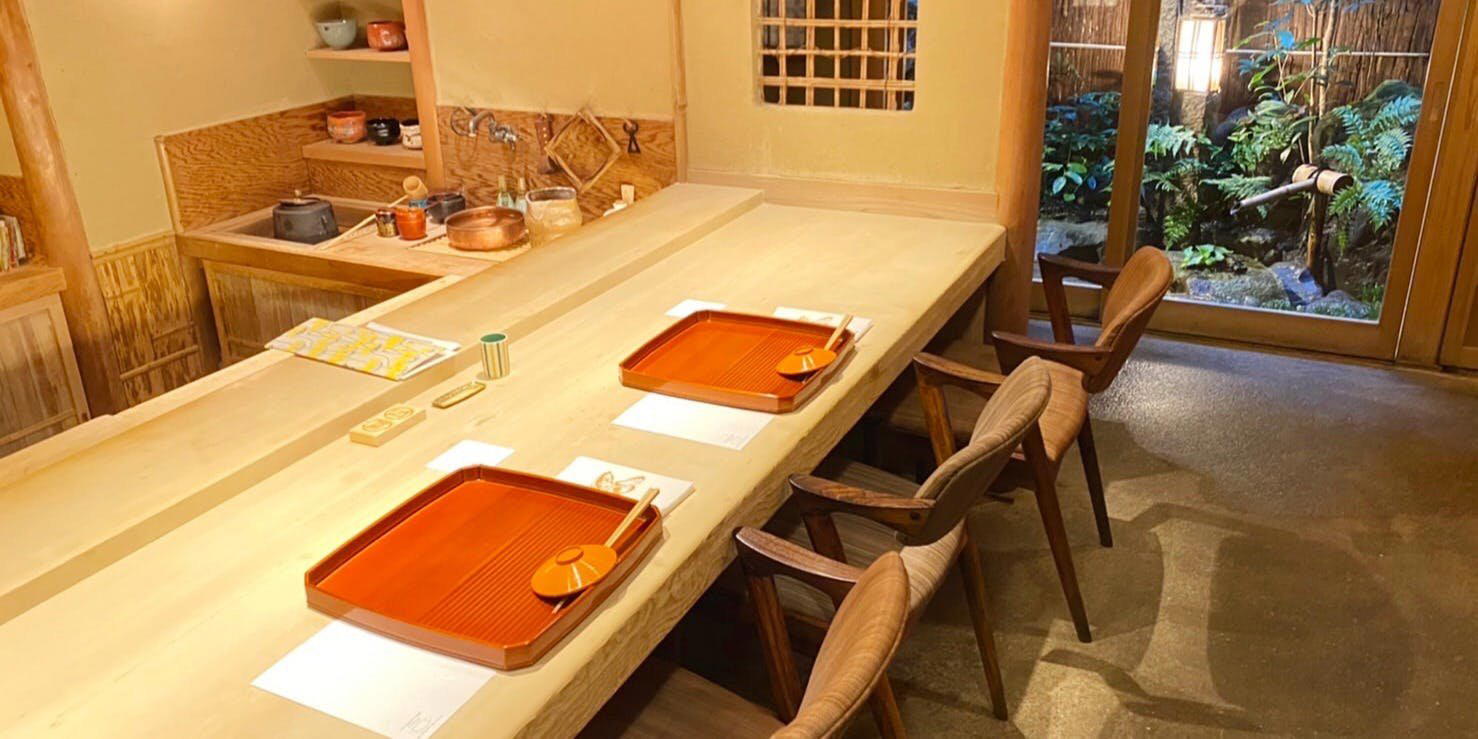
This pattern is not accidental. Kyoto's premium dining culture has long operated on the assumption that the guest does the work of discovery, and that the restaurant's responsibility begins only once you are inside. The physical container, the room, the counter, the materials, carries meaning before a single course arrives. Understanding 饭田 requires starting there, with the space itself, before moving to anything else.
The Architecture of Restraint: What the Room Communicates
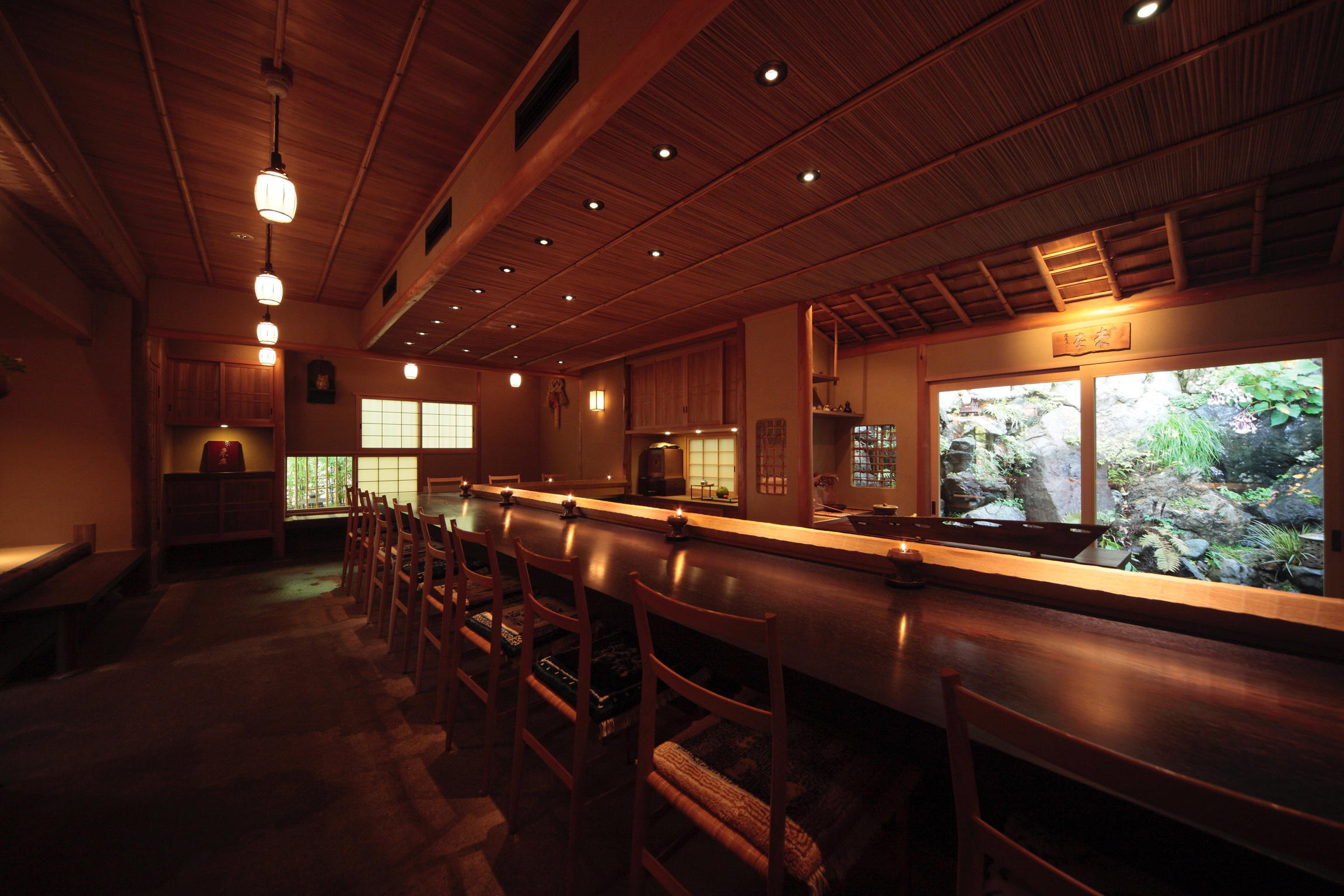
In Kyoto's kaiseki tradition, interior architecture is rarely incidental. The relationship between the physical environment and the food served within it is treated as compositional, the room is part of the meal. Across the city's most regarded counters, from the intimate settings at Gion Sasaki to the storied rooms at Hyotei, the design language tends toward natural materials, reduced ornamentation, and a deliberate management of light. The effect is that attention contracts inward, toward the plate and the counter, rather than dispersing across a busy room.
Fukunagacho's residential character suggests that 饭田 sits within this same design tradition. Restaurants that occupy converted townhouse structures in Kyoto's interior wards typically work with low ceilings, sliding panel divisions, and the kind of proportional intimacy that turns a counter into something closer to a private dining table. The spatial arrangement at venues of this type places the kitchen as both working environment and performance space, the chef's movements are part of what the guest observes. This is a fundamentally different contract from Western fine dining, where the kitchen is deliberately hidden, and it shapes everything about how an evening unfolds.
Counter seating of this kind, common across Kyoto's upper-tier restaurants, also determines the pace and structure of service. There is no ambient noise from adjacent tables to absorb. Each course arrives into attentive silence. The physical design enforces a mode of attention that a larger, more diffuse room cannot produce.
Kyoto's Premium Tier: Where 饭田 Sits
Kyoto's serious dining scene divides, broadly, into two registers. The first is the established kaiseki houses with multi-generational histories and documented Michelin recognition, venues like Kikunoi Honten, Mizai, and Isshisoden Nakamura, each of which carries the weight of public record, press documentation, and international recognition. The second register is the city's quieter tables: smaller, less publicly documented, operating on the assumption that their guest already understands the context.
飯田 is a Kyoto Kaiseki restaurant in Nakagyo Ward, Kyoto, and reservations are essential. In Kyoto, this is not necessarily a signal of obscurity, it can equally be a signal of the opposite, of a table so embedded in local networks that outward-facing marketing is simply unnecessary. The city's most demanding guests, both domestic and international, have long understood that the absence of a visible online presence at a Nakagyo address is worth investigating rather than dismissing.
For comparison within the broader Kansai premium dining scene, venues like HAJIME in Osaka operate at the intersection of international recognition and Japanese culinary discipline, while akordu in Nara represents a different approach to regional fine dining that places Western technique alongside local ingredients. 饭田's positioning in central Kyoto, by contrast, suggests it draws from the city's own internal culinary logic rather than reaching toward cross-cultural hybridity.
The Seasonal Frame: Timing a Visit
Kyoto's dining calendar is inseparable from its seasonal calendar. The city's kaiseki tradition was built around the principle that each course should reflect what is available at that precise moment in the agricultural and climatic year, not as a stylistic choice but as a structural one. Spring brings bamboo shoots and cherry-season produce. Summer pivots toward lighter preparations suited to the city's intense humidity. Autumn marks a shift toward mushrooms, chestnuts, and the fish that move into their leading condition as water temperatures drop. Winter in Kyoto, particularly the crab season running from November through March, represents the period when the city's most serious tables attract their most committed visitors.
Timing a visit to any Kyoto counter around these seasonal peaks matters. The gap between visiting in, say, mid-February, when crab and winter vegetables are at their height, and visiting in an off-season month is not subtle. This holds regardless of the specific venue. Goh in Fukuoka operates on a similar seasonal logic in Kyushu, and venues like aki nagao in Sapporo track Hokkaido's distinct seasonal produce calendar.
Planning a Visit: What to Know Before You Go
Reservations at small, low-profile Kyoto counters of this type are rarely available through international booking platforms. The standard approach is direct contact, by phone or through a hotel concierge with existing relationships in the local dining scene. Guests staying at properties with strong concierge networks in Nakagyo or Higashiyama have a meaningful practical advantage. Lead times at serious Kyoto tables can extend to several months during peak seasons, particularly cherry blossom in late March to early April and the autumn foliage period in November.
The address at 120-1 Fukunagacho, Nakagyo Ward puts 饭田 within walking distance of central Kyoto's main transport arteries, accessible from Karasuma-Oike station on the Karasuma and Tozai subway lines. The ward is compact and navigable on foot in the evening, though the specific street may require careful navigation, Nakagyo's interior blocks are not always clearly signed for visitors unfamiliar with the area.
Harutaka in Tokyo to Abon in Ashiya, affetto akita in Akita, Aji Arai in Oita, Ajidocoro in Yubari District, and Akakichi in Imabari, a spread that reflects how deeply Japan's serious dining culture extends beyond its three major cities. Le Bernardin in New York City and Lazy Bear in San Francisco, both of which operate in the same counter-led, tasting-format register that defines Kyoto's upper tier.
Style and Standing
Comparable venues nearby, for context on price, style, and recognition.
| Venue | Cuisine | Price | Notes |
|---|---|---|---|
| 飯ç°This venue — the venue you are viewing | Kyoto Kaiseki | $$$$ | Not listed |
| Restaurant MAEKAWA | Modern Japanese Ryoriya | $$$$ | Higashiyama |
| 大鵬 | Authentic Kyoto Kaiseki | $$$$ | Nakagyō |
| 浜作 | Traditional Kaiseki | $$$$ | Nakagyō |
| SUI Fine Dining Restaurant | Modern Japanese Omakase | $$$$ | Higashiyama |
| Kawano | Edomae Sushi Omakase | $$$$ | Sakyō |
Continue exploring
More in Kyoto
Restaurants in Kyoto
Browse all →
Bars in Kyoto
Browse all →
Hotels in Kyoto
Browse all →
Wineries in Kyoto
Browse all →
At a Glance
- Elegant
- Intimate
- Sophisticated
- Special Occasion
- Date Night
- Private Dining
- Sake Program
- Local Sourcing
Current opening hours
- Monday
- 6–8 PM
- Tuesday
- 6–8 PM
- Wednesday
- 6–8 PM
- Thursday
- 6–8 PM
- Friday
- 6–8 PM
- Saturday
- 6–8 PM
- Sunday
- 6–8 PM
Hours can change for holidays and private events. Last verified .
Traditional Japanese atmosphere with tea kaiseki hospitality emphasizing seasonal elegance.