大鵬 serves Authentic Kyoto Kaiseki in Kyoto’s Nakagyo Ward, with a chefs counter, garden view, formal service, an extended experience, and a sake program for dinner.
Pearl is the En Primeur Club membership app — saves, bookings, and concierge access live there. Same editors, same standards.
- Address
- 149 Nishinokyo Hoshigaikecho, Nakagyo Ward, Kyoto, 604-8416, Japan
- Phone
- +81758225598
- Website
- autoreserve.com
- Directions
- Get directions
 Saves & bookings on Pearl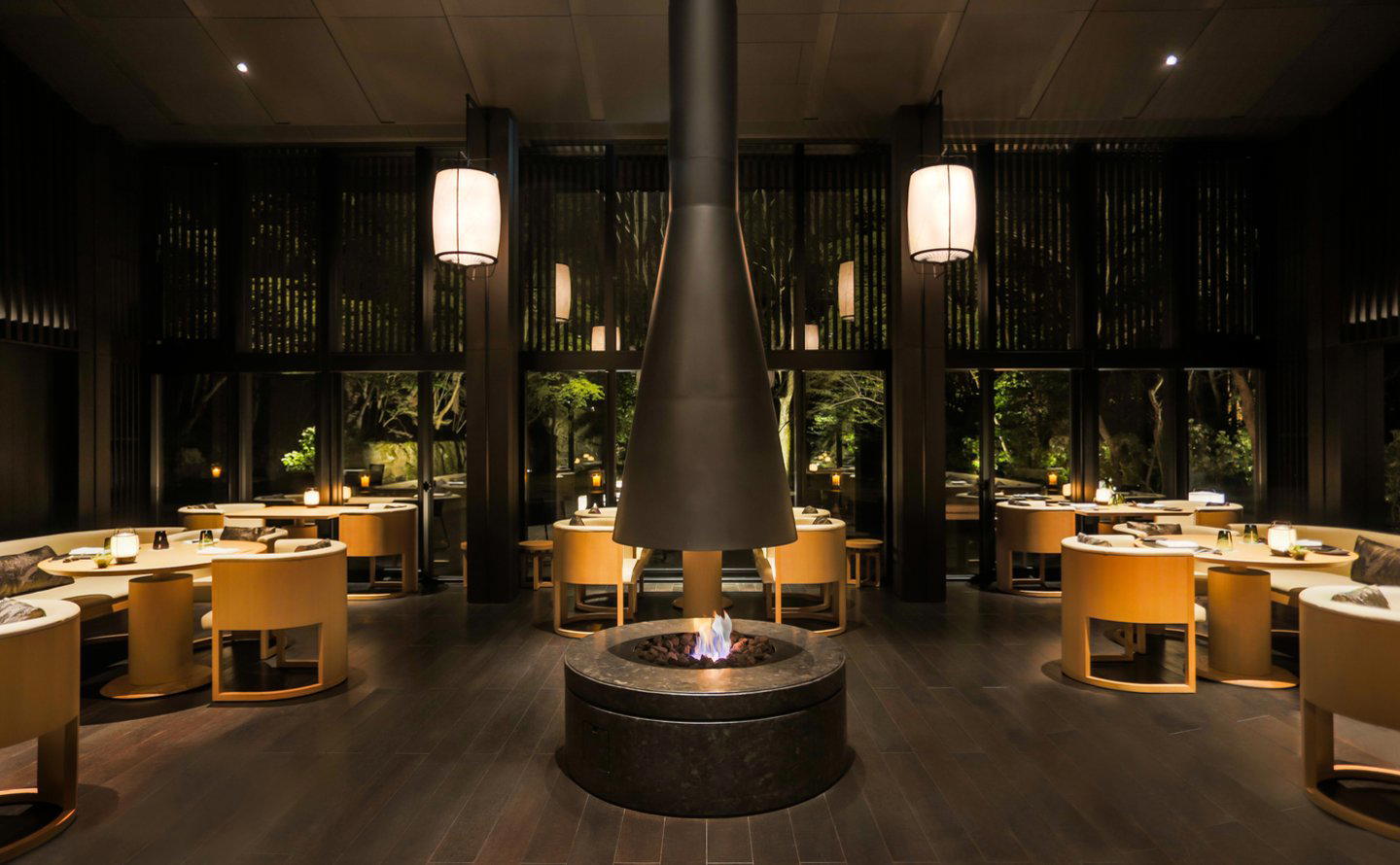
Nakagyo in Autumn: When Kyoto’s Middle Ward Earns Its Reputation
The stretch of Nakagyo Ward around Nishinokyo carries little of the tourist pressure that saturates Higashiyama or Arashiyama. The streets here run quieter, lined with residential blocks and the occasional craft workshop, and the dining rooms that occupy them tend to reflect that restraint. It is in this context that 大隼 sits at 149 Nishinokyo Hoshigaikecho, Autumn, when momiji colour the city’s temple gardens and seasonal ingredients reach their annual peak, is when this part of Kyoto makes the strongest case for itself.
The Intersection That Defines Contemporary Kyoto Dining
Kyoto’s dining identity has long been shaped by kyo-ryori, the city’s native culinary tradition, which prizes restraint, seasonality, and the careful handling of local produce from the Tanba highlands, Kyoto Basin farms, and coastal Maizuru. What has changed over the past two decades is the degree to which chefs trained in French or international kitchens have returned to that local ingredient base, applying different technical vocabularies to the same raw materials. This is not fusion in the decorative sense; it is a more considered negotiation between precision techniques and products that have been cultivated for centuries for Japanese palates.
At the other end, places such as akordu in Nara demonstrate how a Spanish-trained hand can work convincingly with Kinki-region ingredients. 大隼 occupies the Nakagyo stretch of this continuum, in a city where the question of how much foreign technique should be visible in the final dish remains genuinely open.
What the Nakagyo Address Signals
In Kyoto’s dining geography, address carries meaning beyond navigation. The central wards, particularly Nakagyo and Shimogyo, have historically housed merchants and craftspeople rather than aristocratic establishments, which gave their food culture a different character from the temple-adjacent kaiseki houses of the eastern hills. Restaurants here have tended toward directness: fewer courses of symbolic brevity, more attention to the plate’s immediate legibility. That sensibility persists, and it makes Nakagyo a sensible setting for a restaurant that works at the intersection of imported method and indigenous product.
Nakagyo sits between the Karasuma and Tozai subway lines, making it accessible from Kyoto Station and from the Gion corridor without requiring taxis or significant walking. The ward is also close enough to Nishiki Market, Kyoto’s covered food market, that an afternoon spent tracing the city’s raw-ingredient culture before dinner carries genuine thematic coherence.
Reading the comparable set
To place 大隼 usefully, it helps to map the broader field. Kyoto’s upper tier of Japanese dining is dense with Michelin-recognised kaiseki: Kikunoi Honten, Mizai, and Isshisoden Nakamura each represent a different strand of that tradition. Outside Kyoto, comparably positioned restaurants working at the technique-meets-terroir intersection include HAJIME in Osaka, where French structure meets Japanese ingredient logic with considerable formal rigour, and Goh in Fukuoka, which applies a looser interpretive frame to Kyushu produce. Internationally, the dynamic of applying globally-trained technique to hyper-local ingredients has produced particularly discussed restaurants of the past decade, from Le Bernardin in New York City to Atomix, which makes the Kyoto version of that conversation part of a wider global shift rather than a local curiosity.
Japan’s regional dining scene has also produced comparable exercises in technique-meets-place outside the major cities: 一本木川庄制 in Nanao draws on Noto Peninsula ingredients with a similarly focused approach, while 湖辺庄屋 in Takashima situates itself within Lake Biwa’s freshwater ingredient tradition. 大隼, by contrast, has access to the full depth of Kyoto’s agricultural and coastal supply lines, which represent among the more elaborately curated local food systems in Japan.
Seasonal Timing and the Case for Planning Ahead
Kyoto’s dining calendar is not evenly weighted across the year. Spring, when cherry blossom draws international visitor volumes to their annual peak, strains reservation availability across the city’s upper-tier restaurants. Autumn, by contrast, offers comparable ingredient quality, with matsutake mushrooms, early-season yuzu, and autumn sea bream at their most consistent, without the same reservation pressure as April. For visitors with flexibility, the October-to-November window represents a practical opening in a city where good tables become genuinely difficult to secure.
The broader lesson from Kyoto’s dining scene is that restaurants working with seasonal Japanese ingredients run menus that shift meaningfully by month, not just by season. A visit in early October will produce a different meal from one in late November, even if the structural format remains identical. That specificity rewards planning, and it makes 大隼, like most of its Nakagyo peers, a restaurant where the question of when to visit carries as much weight as whether to visit at all.
The pattern across Japan’s serious regional dining rooms is consistent: seasonal ingredient logic governs the menu, and the visitor who aligns their travel with that logic eats a more coherent meal.
The Wider Context: Global Technique, Local Fidelity
One interesting development in Japan’s serious dining rooms over the past decade has been the degree to which globally-trained chefs have chosen local fidelity over cosmopolitan range. The approach visible at venues like Harutaka in Tokyo or Bistro Ange in Toyohashi reflects a broader commitment to working within a defined ingredient geography rather than assembling menus from global supply chains. That commitment is now a recognisable signal of seriousness in Japanese fine dining, and it is the frame through which 大隼 reads most clearly, a Nakagyo address with access to one of Japan’s deepest local ingredient cultures, operating in a city where that access has been treated as a foundation rather than a marketing point for centuries. Birdland in Sakai offers a parallel exercise in ingredient specificity within the Kinki region, providing useful comparative context for visitors exploring the broader Osaka-Kyoto-Nara food corridor.
City Peers
Comparable venues nearby, for context on price, style, and recognition.
| Venue | Cuisine | Price | Notes |
|---|---|---|---|
| 大鵬This venue — the venue you are viewing | Authentic Kyoto Kaiseki | $$$$ | Not listed |
| Gion Kon | Kappo Japanese Cuisine | $$$$ | Gion |
| 鳥さき | Michelin-Starred Yakitori | $$$$ | Nakagyo Ward |
| 萬寿寺はくらん | Japanese with Nagasaki Gotō influences | $$$$ | 下京区 |
| 鮨よし田 | Edomae Sushi with Kyoto Influences | $$$$ | Higashiyama |
| さえ㐂 | Traditional Edomae Sushi Omakase | $$$$ | Nakagyo Ward |
Continue exploring
More in Kyoto
Restaurants in Kyoto
Browse all →
Bars in Kyoto
Browse all →
Hotels in Kyoto
Browse all →

Wineries in Kyoto
Browse all →
At a Glance
- Elegant
- Intimate
- Sophisticated
- Special Occasion
- Chefs Counter
- Sake Program
- Garden
Current opening hours
- Monday
- 11:30 AM–2:15 PM, 5:30–8:20 PM
- Tuesday
- Closed
- Wednesday
- Closed
- Thursday
- 11:30 AM–2:15 PM, 5:30–8:20 PM
- Friday
- 11:30 AM–2:15 PM, 5:30–8:20 PM
- Saturday
- 11:30 AM–2:15 PM, 5:30–8:20 PM
- Sunday
- 11:30 AM–2:15 PM, 5:30–8:20 PM
Hours can change for holidays and private events. Last verified .
Serene with garden view from counter seats.