Located in Yoyogi, Shibuya, Ostü sits at an address that rewards prior research over impulse. The venue operates in a neighbourhood better known for residential calm than restaurant density, which shapes both its clientele and its booking dynamics. For visitors planning a serious Tokyo dining itinerary, understanding the logistics here matters as much as the reservation itself.
 Discover on Pearl
Pearl is the En Primeur Club membership app — saves, bookings, and concierge access live there. Same editors, same standards.
- Address
- Japan, 〒151-0053 Tokyo, Shibuya, Yoyogi, 5 Chome−67−6 松浦ビル 1F
- Phone
- +81354548700
- Website
- savorjapan.com
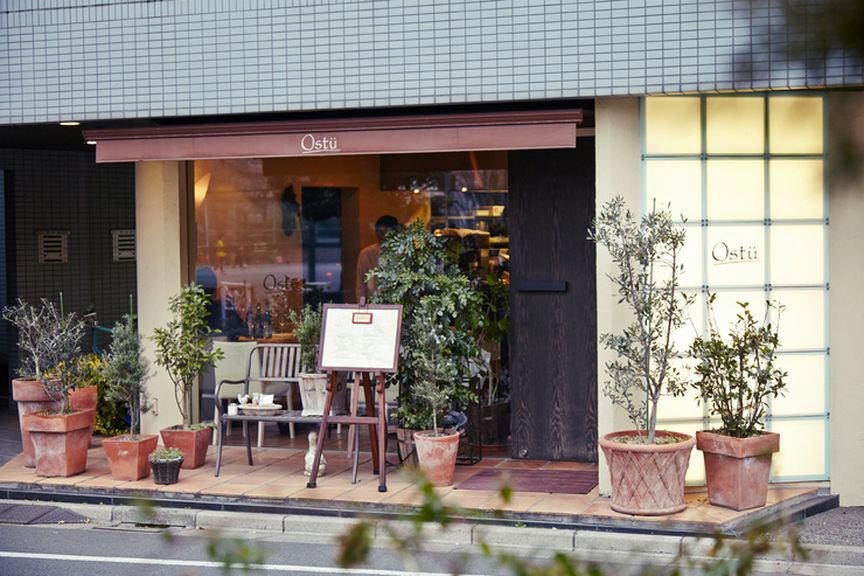
Before You Arrive: What the Address Tells You
Tokyo's serious dining scene has long sorted itself by neighbourhood logic. Ginza concentrates high-end omakase and French-inflected kaiseki. Minami-Aoyama and Omotesando draw the chef-driven French addresses. Shibuya's fringes, including the Yoyogi residential quarter, occupy a different register: quieter, less tourist-facing, and often selected by operators who want a deliberate, locally-anchored clientele. Ostü is an Authentic Piedmontese Italian restaurant in Tokyo's Yoyogi district, with a price point of about $75 per person. Ostü, at a first-floor address in the Matsuura Building on Yoyogi 5-chome, fits that pattern. The building type, the sub-neighbourhood, and the distance from major transit hubs all function as filters before a guest even rings the bell.
That geographic specificity matters when planning. Yoyogi sits between Shinjuku and Harajuku on the Yamanote Line, but the restaurant's address places it a walk from the main station drag, in the quieter residential grid south of the park. First-time visitors without a Japanese-language map app will want to locate the address carefully before the evening. This is not the kind of venue that announces itself with a signboard visible from the street.
The Booking Question: What to Expect
The editorial angle most useful to readers planning a Tokyo trip in the ¥¥¥¥ or specialist register is not which venues are hardest to access, but which ones require the most advance coordination and why. Tokyo's top-tier counters now operate reservation systems that range from same-day cancellation releases to multi-month queues managed entirely in Japanese. Ostü's booking policy is essential, so advance reservation is recommended.
For context, compare that to the city's more internationally legible addresses. Harutaka in Ginza books through standard channels and has an established international following. L'Effervescence in Nishi-Azabu maintains English-language reservation access. RyuGin in Roppongi operates a formal booking system with international reach. Ostü, by contrast, appears to operate closer to the model common among Tokyo neighbourhood specialists: reservation access is most reliably secured through a hotel concierge, a Japanese-speaking contact, or a specialist booking service with local relationships.
That is not a barrier unique to Ostü. Across Japan's regional dining circuit, from Gion Sasaki in Kyoto to HAJIME in Osaka to akordu in Nara, the most interesting mid-scale and specialist venues often have the thinnest English-language digital footprint. The absence of a website or listed phone number does not indicate closure or inaccessibility; it reflects a booking model built around repeat guests and word-of-mouth rather than search traffic.
Placing Ostü in the Shibuya Dining Context
Shibuya ward contains more dining range than its reputation as a youth and retail district suggests. The Yoyogi sub-area specifically has seen a quiet accumulation of operator-driven restaurants that sit outside the obvious tourist circuits. This pattern echoes what has happened in other mid-density Tokyo residential zones: a chef or small operator identifies a neighbourhood where rent is manageable, foot traffic is local rather than tourist, and the clientele self-selects through the inconvenience of getting there.
The result, in Yoyogi and similar pockets, is a dining tier that operates somewhere between the visible ¥¥¥¥ restaurant scene and the fully hidden counter. Ostü serves Authentic Piedmontese Italian cuisine. What can be said is that the address and the operational footprint align most closely with the city's smaller, format-specific venues rather than the large-format dining rooms that populate Roppongi and Ginza. For comparison, Crony in Minami-Aoyama operates a similarly format-focused approach at the ¥¥¥¥ tier, and Sézanne at Four Seasons Marunouchi represents the fully integrated luxury-hotel end of the same broad tier.
Planning Around Ostü: Practical Considerations
Because confirmed operational details (hours, price range, booking method, cuisine format) are not available through public records, the most responsible framing for this venue is logistical. If you are building a Tokyo itinerary that includes Ostü, the following sequence applies:
- Use your hotel concierge as the primary reservation channel. Tokyo's leading hotel concierge teams maintain direct relationships with neighbourhood specialists that bypass the need for a website or listed phone number.
- If travelling independently, a Japan-focused dining booking service or local fixer with restaurant access is the practical alternative.
- Build in flexibility on timing. Venues in this operational category often do not confirm reservations through automated systems, and response timelines can vary.
- The Yoyogi address requires navigation preparation. Use Google Maps with the specific building name (Matsuura Building, 5-67-6 Yoyogi, Shibuya) rather than a general street search.
How Ostü Compares on Logistics
| Venue | Area | Price Tier | Int'l Booking Access | English Presence |
|---|---|---|---|---|
| Ostü | Yoyogi, Shibuya | Not confirmed | Via concierge/local contact | Limited |
| Harutaka | Ginza | ¥¥¥¥ | Standard channels | Established |
| L'Effervescence | Nishi-Azabu | ¥¥¥¥ | Online reservation | Strong |
| RyuGin | Roppongi | ¥¥¥¥ | Formal booking system | Strong |
Tokyo's Wider Specialist Circuit
For readers building a Japan dining itinerary beyond the capital, the broader regional picture is worth mapping. Goh in Fukuoka operates in the same neighbourhood-specialist register as many of Tokyo's quieter addresses. In the Tohoku and Hokuriku regions, venues like 一本木 甚川制 in Nanao, 羽根屋 in Nishikawa Machi, and 湖隣荘 in Takashima represent the same logistical proposition: serious dining outside the major metro circuits, requiring deliberate pre-trip research. 夕杜山乃 in Sapporo adds Hokkaido's ingredient-driven cooking to the comparison set.
For those cross-referencing against international parallels: Atomix in New York offers a useful structural comparison, a small-format, reservation-intensive venue where the booking process itself signals the seriousness of the operation. Le Bernardin in New York sits at the opposite end of the spectrum, with full international booking infrastructure and high visibility. Birdland in Sakai and Bistro Ange in Toyohashi complete the picture of Japan's regional specialist tier, where modest exterior footprints and limited digital presence are consistent features rather than anomalies.
For the full Tokyo dining picture, including venues across all price tiers and neighbourhoods, see our Tokyo restaurants guide.
Accolades, Compared
Comparable venues nearby, for context on price, style, and recognition.
| Venue | Cuisine | Price | Awards | Notes |
|---|---|---|---|---|
| OstüThis venue — the venue you are viewing | Authentic Piedmontese Italian | $$$ | , | |
| unito | Italian Fusion | $$$ | , | Meguro |
| Kasai | Modern Italian | $$$ | , | Meguro |
| Kurodino | Italian-Japanese Fusion Fine Dining | $$$ | , | Chūō |
| Daikanyama ASO Celeste Nihonbashi ten | Modern Italian fine dining | $$$ | , | Chūō |
| Vincero | Regional Italian with Japanese Influences | $$$ | , | Shinjuku |










At a Glance
- Hidden Gem
- Intimate
- Elegant
- Cozy
- Date Night
- Special Occasion
- Standalone
- Extensive Wine List
- Local Sourcing
- Garden
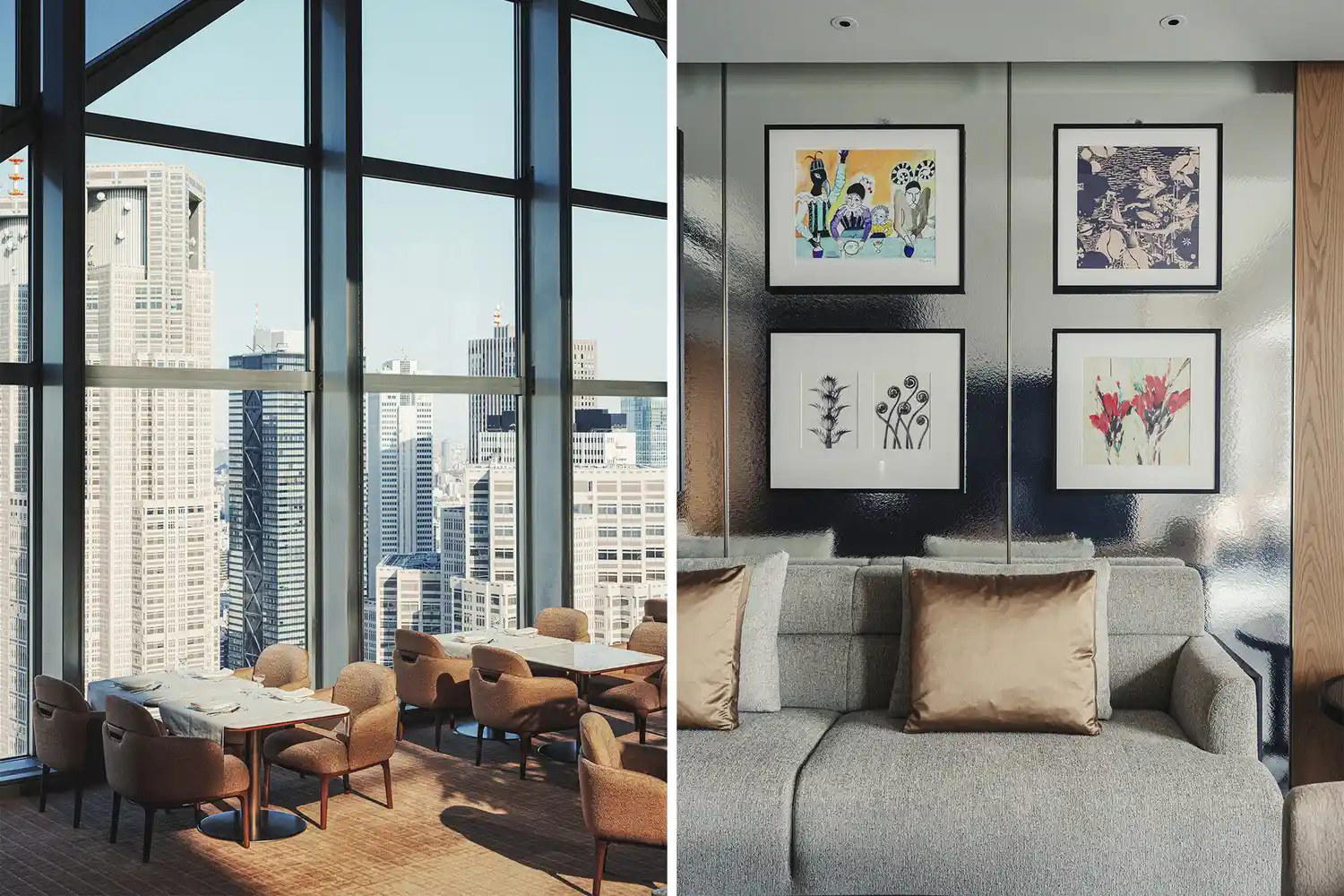
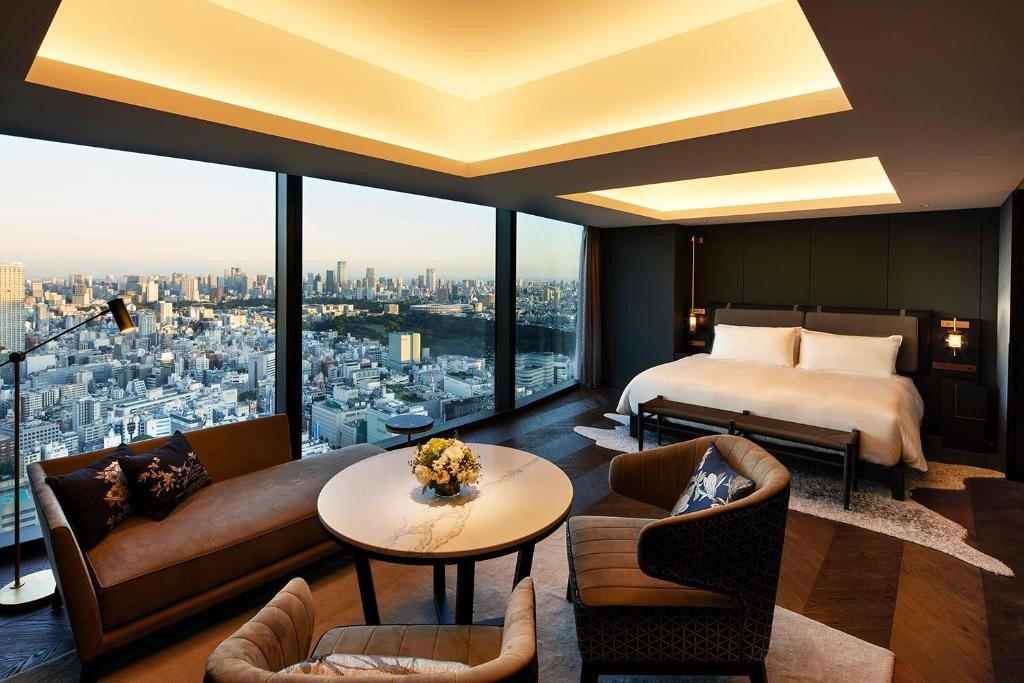
Warm, sunlit, and intimate with a charming, down-to-earth aesthetic reflecting the chef's personality; views of cherry blossoms from front window when in season.