Our verdict
Sapposentu di Aki occupies a low-profile address in Tsukiji, Chuo City, where Tokyo's appetite for cross-cultural precision dining runs alongside its deep tradition of counter service. The restaurant draws attention not through spectacle but through the coherence of its floor team, where kitchen, service, and drink programs appear to operate as a single, calibrated unit. For readers tracking where Tokyo's fine dining conversation is heading, this address is worth attention.

Pearl is the En Primeur Club membership app, where members save venues, book tables and use the concierge.
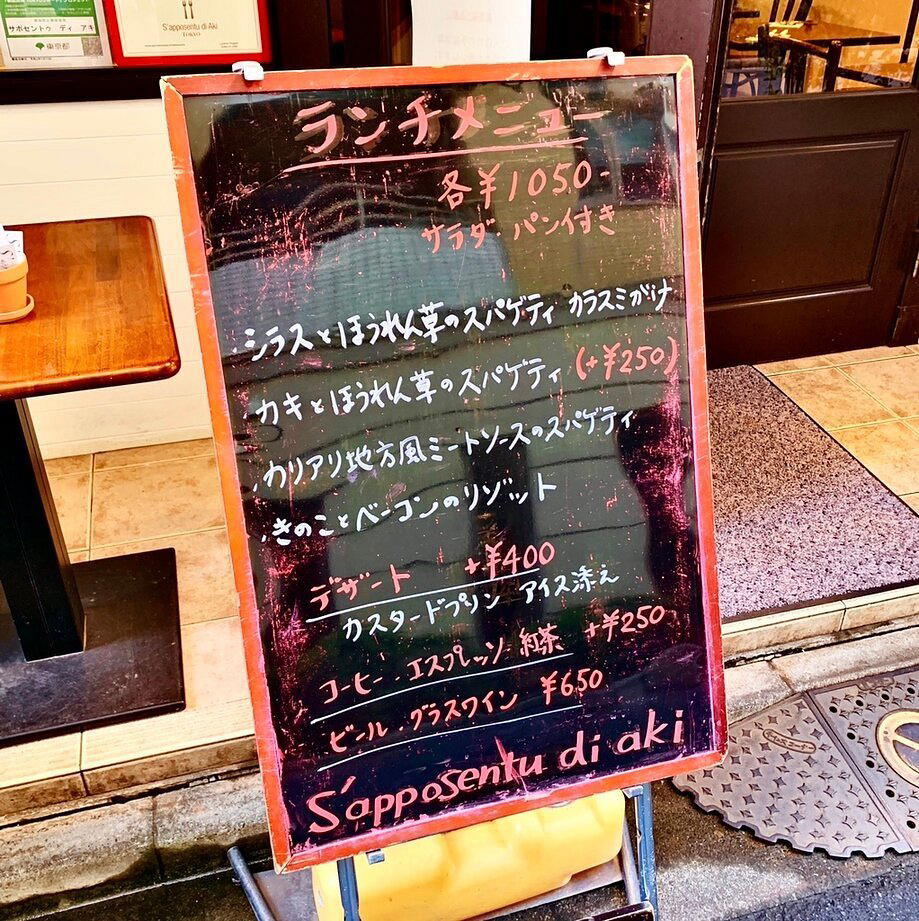
Tsukiji's Quieter Register
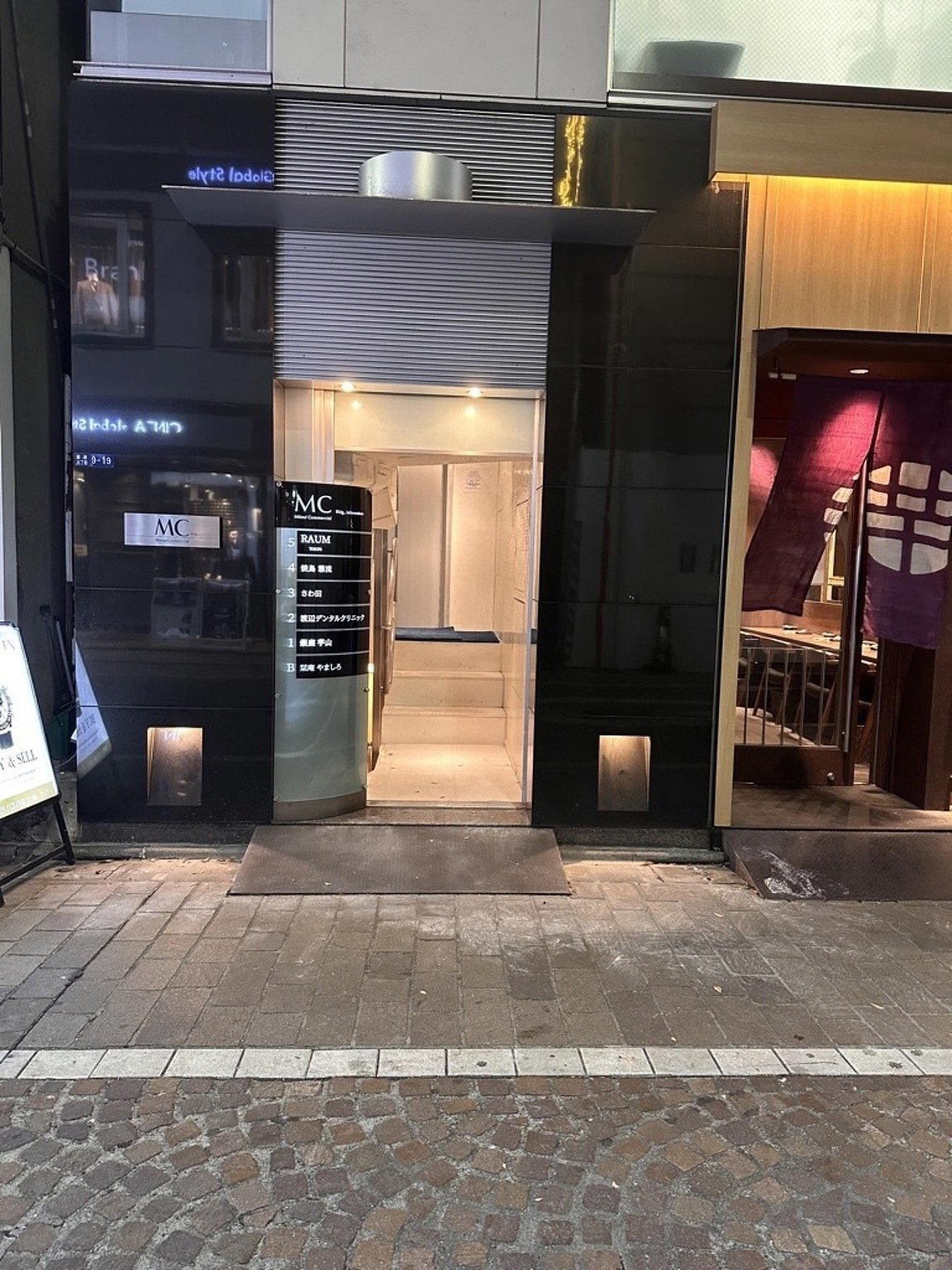
Tsukiji is not the address most visitors associate with Tokyo fine dining. The neighbourhood's public identity is market-adjacent, built around early-morning tuna auctions, street-side tamagoyaki, and the dense logistics of one of the world's most active wholesale fish economies. But that surface reading undersells what the area has become for a specific tier of restaurant: venues that draw on the proximity to exceptional produce without needing the Ginza postcode to announce their ambitions. Sapposentu di Aki sits on a ground floor in Chuo-ku's Tsukiji 1-chome, close enough to the former market site that the sourcing rationale writes itself, yet far enough from the tourist circuit to operate on its own terms.
Tokyo's broader fine dining geography has fragmented significantly over the past decade. The concentration of Michelin-starred addresses in Ginza and Minami-Aoyama remains, but a second tier of serious, often smaller venues has dispersed across the city's inner wards. This pattern mirrors what happened in Paris when serious cooking migrated from the 8th arrondissement toward less expensive arrondissements in the north and east. Tsukiji, with its supply-chain advantages and lower commercial rents relative to Ginza, fits that logic precisely. For comparison, the top-tier counters nearby, including Harutaka in Ginza, price at ¥¥¥¥ and operate within a competitive set defined largely by Michelin recognition. Sapposentu di Aki occupies the same geographic conversation from a different angle.
The Logic of a Coordinated Floor
In Tokyo's most deliberate restaurants, the relationship between the kitchen, the front-of-house, and whoever oversees the drink program is rarely incidental. At the leading counters and dining rooms in the city, those three functions are treated as a single designed experience rather than three departments running in parallel. This structural philosophy is particularly visible at venues like RyuGin, where kaiseki technique, seasonal awareness, and service choreography are visibly integrated, or at L'Effervescence, where French discipline and Japanese hosting sensibility produce a floor dynamic that feels authored rather than assembled.
Sapposentu di Aki reads as a venue where that coordination is the primary editorial interest. The name itself, an Italian phonetic construction grafted onto a Japanese context, signals a self-aware cross-cultural position. Whether that surfaces as a hybrid cooking register, a sake-meets-wine beverage program, or a particular service tempo is where the team dynamic becomes the story. In Tokyo's fine dining rooms, the sommelier's ability to move between Japanese sake, domestic wine, and international bottles has become a genuine differentiator, separating venues that treat drink as an afterthought from those where the pairing logic is as considered as the plating. Similarly, the rhythm of front-of-house, the pacing of courses, the decision about when to speak and when to step back, can define whether a meal feels curated or merely served.
Tokyo's most talked-about new addresses over the past three years have tended to share one characteristic: a visible investment in who carries the room, not just who cooks in it. Crony and Sézanne both built reputations that extend beyond kitchen output to include the quality of the broader dining experience. Sapposentu di Aki, operating from a Tsukiji address with no public awards record at this time, will be assessed by the same standard: whether the sum of its team's parts produces something more considered than any single element would suggest.
Locating This Address in the Wider Japan Conversation
Tokyo tends to absorb most of the oxygen in discussions about Japanese fine dining, but the country's broader restaurant culture has been producing serious work well outside the capital. HAJIME in Osaka operates at a different register entirely, with a three-Michelin-star kitchen and a well-documented philosophy of ecological sourcing. Gion Sasaki in Kyoto represents kaiseki at its most disciplined. Further afield, akordu in Nara makes a case for Spanish-Japanese fusion in one of the country's most historically loaded cities, while Goh in Fukuoka has built a reputation for innovative Japanese cuisine in a city more commonly associated with tonkotsu ramen than tasting menus.
Beyond major cities, venues like 一本杉川島 in Nanao, 夕然乃山乃 in Sapporo, 湖辺庵 in Takashima, and 庄羽屋 in Nishikawa Machi illustrate how seriously Japan's regional restaurant culture treats craft and sourcing, often at price points and with accessibility that Tokyo's central wards cannot match. Birdland in Sakai and Bistro Ange in Toyohashi round out a picture of Japanese dining that is far more dispersed than international rankings typically communicate.
Internationally, the team-dynamic model has clear reference points: Le Bernardin in New York City built its floor on the premise that service and kitchen speak the same language, while Atomix, also in New York, has pushed the integration of front-of-house narrative into the experience itself. These are not direct comparisons to a Tsukiji address in Chuo-ku, but they define the broader conversation that any serious urban restaurant is entering when it decides the floor is as important as the pass.
Planning a Visit
Sapposentu di Aki is located at Tsukiji 1-chome 3-6, Chuo City, Tokyo 104-0045. The address places it within walking distance of Tsukiji Station on the Tokyo Metro Hibiya Line and Shintomicho Station on the same line, with Tsukijishijo Station on the Oedo Line also nearby. Reservations: Budget: Dress: No dress code is formally documented; Tokyo's serious dining rooms at this scale tend toward smart-casual at minimum. For a broader view of where this address sits in the city's restaurant picture, see our full Tokyo restaurants guide.
Frequently asked questions
What should I order at Sapposentu di Aki?
Given the Tsukiji location's proximity to Tokyo's central seafood supply chains, a reasonable expectation is that fresh fish and seasonal produce feature prominently. Contacting the restaurant directly before your visit is the most reliable way to understand the current menu format and any set-course structure.
How hard is it to get a table at Sapposentu di Aki?
Booking availability data is not confirmed publicly at this stage. In Tokyo's mid-to-upper dining tier, venues operating with limited seating in inner-city neighbourhoods like Chuo-ku typically book one to four weeks out at minimum, with the most sought-after counters running three months or longer. Establishing a direct contact channel early is advisable. For comparison, leading Ginza counters such as Harutaka operate on similarly compressed availability.
What do critics highlight about Sapposentu di Aki?
No formal critical reviews or award citations appear in the current public record. That absence is not unusual for newer or deliberately low-profile addresses in Tokyo's inner wards, where some of the most considered cooking happens well outside the Michelin and 50 Best circuits. The name's cross-cultural construction and the Tsukiji location together suggest a kitchen working at the intersection of Japanese produce culture and an outside culinary reference, which is the kind of editorial angle that critics tend to follow when they do arrive.
Is Sapposentu di Aki connected to a specific culinary tradition or regional influence?
The name, phonetically Italian in structure, anchored in a Japanese context with the Aki suffix, points toward a hybrid culinary identity rather than a single-tradition kitchen. This cross-referencing approach has become a recognisable format in Tokyo's fine dining evolution, where chefs trained abroad or working with imported techniques apply them to Japanese seasonal produce and hospitality norms. Whether that plays out as Italian technique with Japanese ingredients, a fusion tasting menu, or something more subtle in its borrowings would require a direct visit or confirmation from the venue itself. Tokyo restaurants operating in this register often draw comparisons to Crony and L'Effervescence, where Western frameworks and Japanese material culture produce a dining register that resists easy categorisation.
Style and Standing
Comparable venues nearby, for context on price, style, and recognition.
| Venue | Cuisine | Price | Awards | Notes |
|---|---|---|---|---|
| Sapposentu di AkiThis venue (the venue you are viewing) | Authentic Sardinian Italian | $50–100 | Not listed | Not listed |
| Partenope (パルテノペ) | Authentic Neapolitan Pizza | Not listed | Tabelog 100 #62 | Ebisu |
| Daikanyama ASO Celeste Nihonbashi ten | Modern Italian fine dining | $50–100 | Tabelog 100 #2 | Chūō |
| Osteria Tramandare | Regional Italian Osteria with Rotating Tasting Courses | $50–100 | Tabelog 100 #54 | Chūō |
| タヴェルナマルコポーロ | Italian Trattoria | $50–100 | Not listed | Chūō |
| Piatti Castellina | Italian Course Dining | $30–50 | Tabelog 100 #33 | Shinjuku |
Continue exploring
More in Tokyo
Restaurants in Tokyo
All restaurants in Tokyo →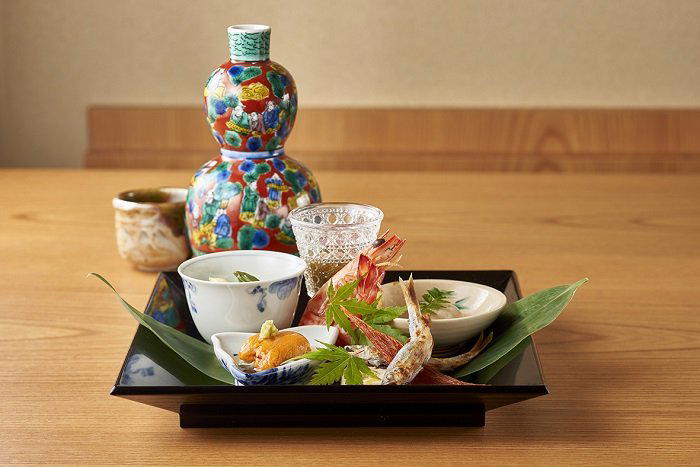
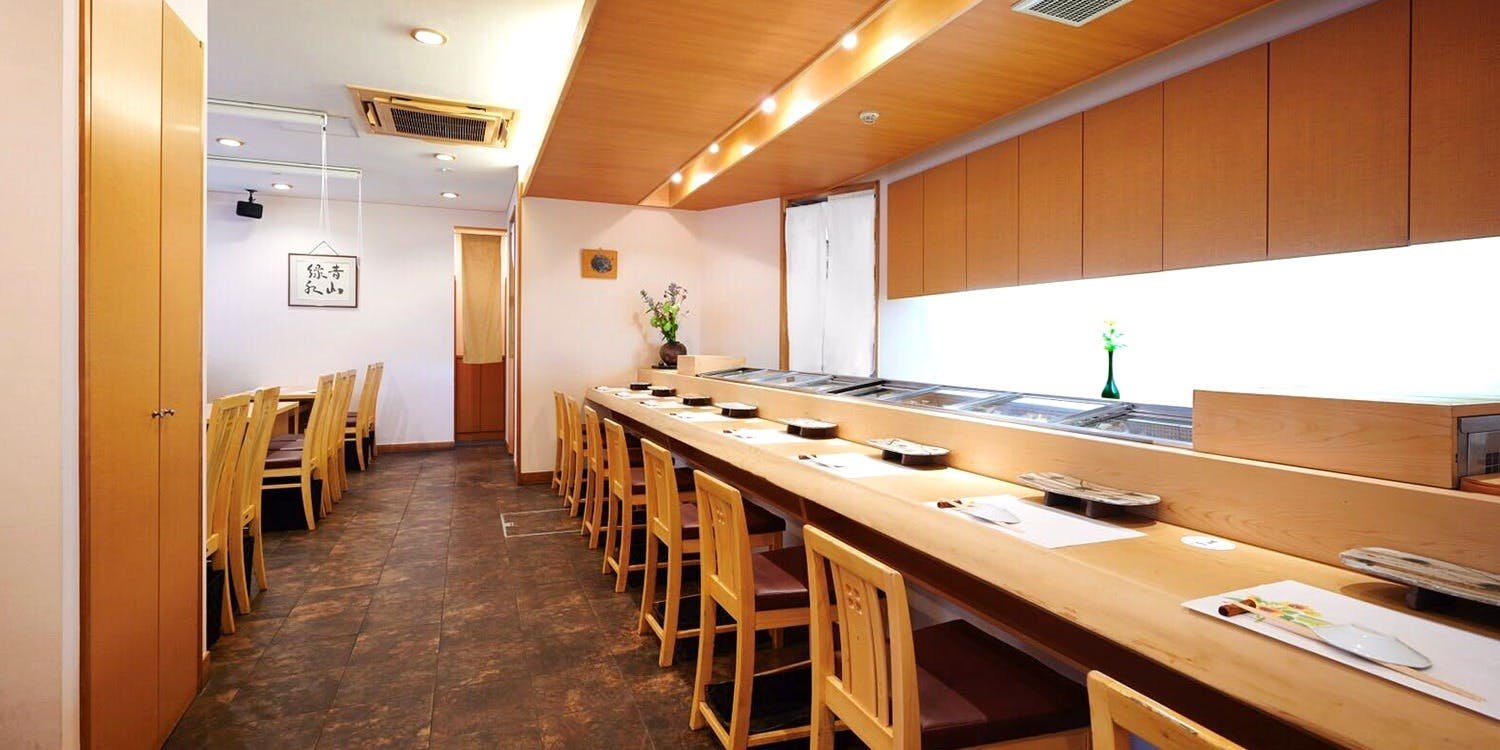
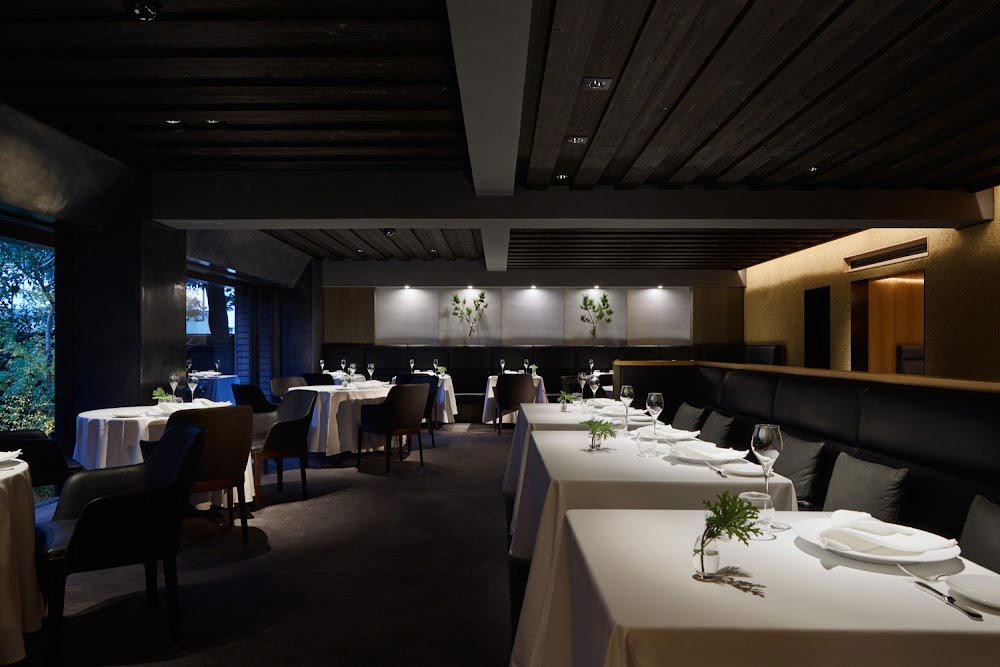





Details
- Cozy
- Intimate
- Elegant
- Rustic
- Date Night
- Special Occasion
- Standalone
- Extensive Wine List
- Set Menu
- Tasting Menu
Current opening hours
- Monday
- Closed
- Tuesday
- 11:30 AM–2:30 PM, 5:30–9 PM
- Wednesday
- 11:30 AM–2:30 PM, 5:30–9 PM
- Thursday
- 11:30 AM–2:30 PM, 5:30–9 PM
- Friday
- 11:30 AM–2:30 PM, 5:30–9 PM
- Saturday
- 11:30 AM–3 PM, 5:30–9 PM
- Sunday
- 11:30 AM–3 PM, 5:30–9 PM
Hours can change for holidays and private events. Hours as of .
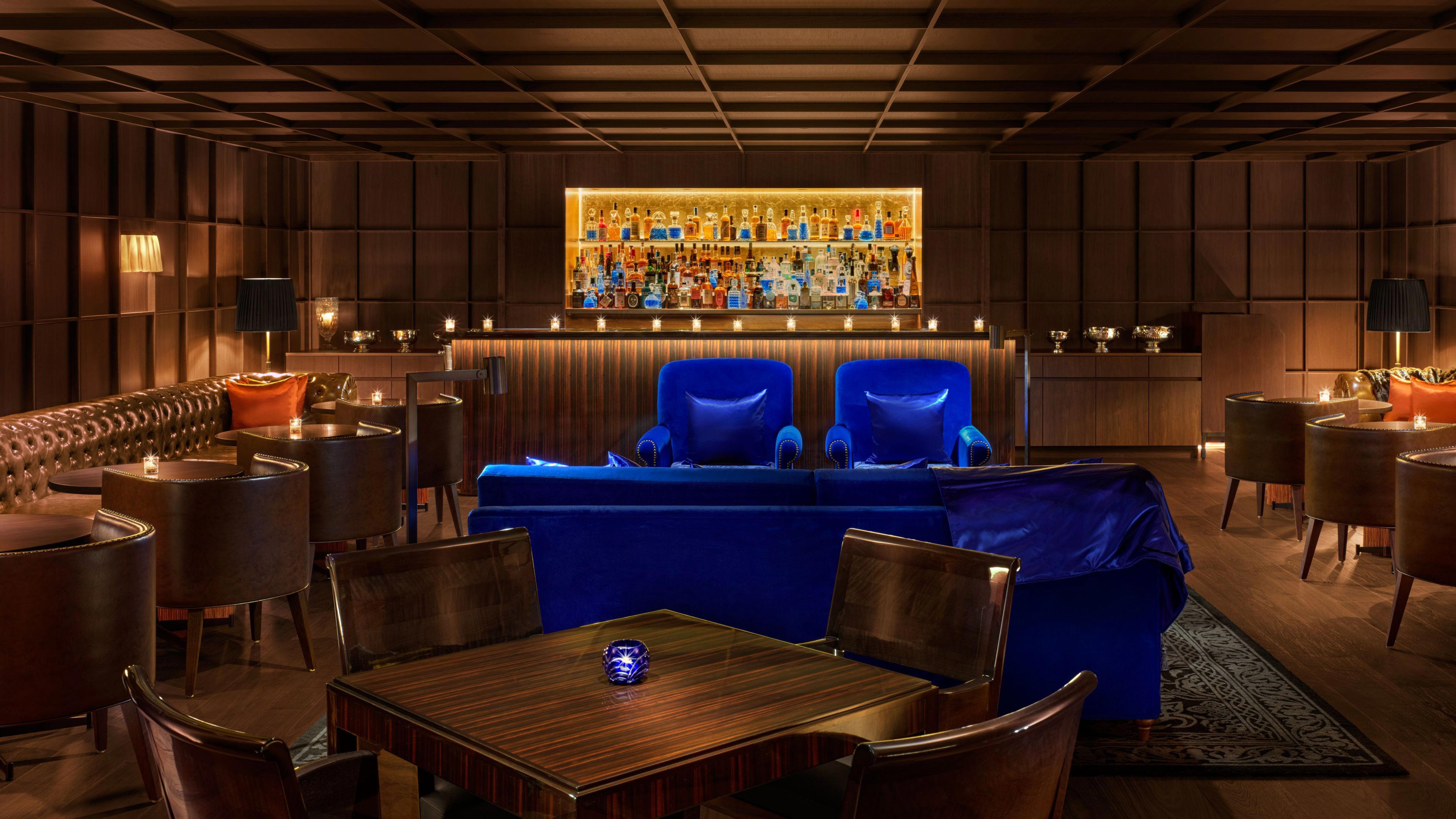
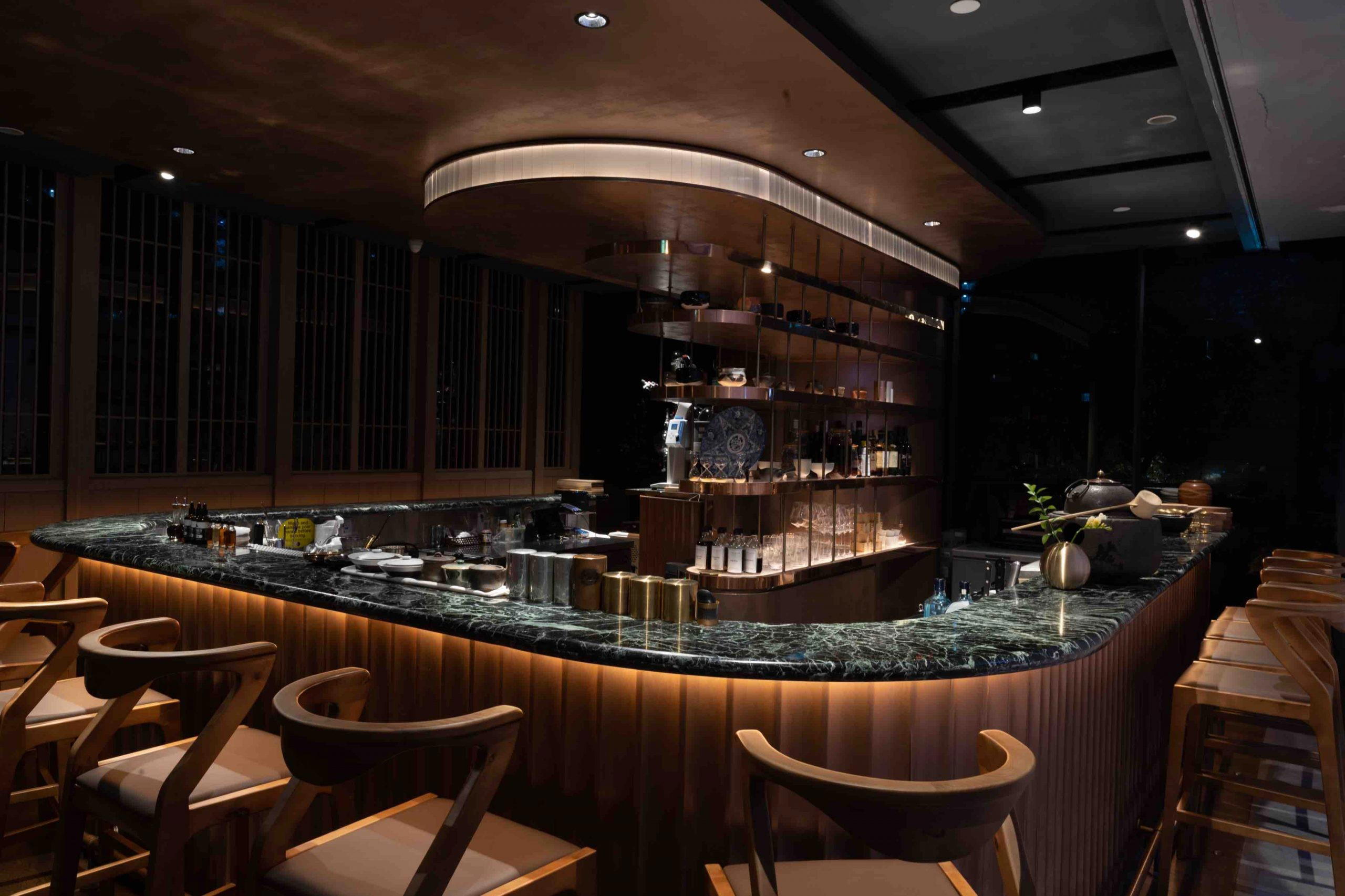
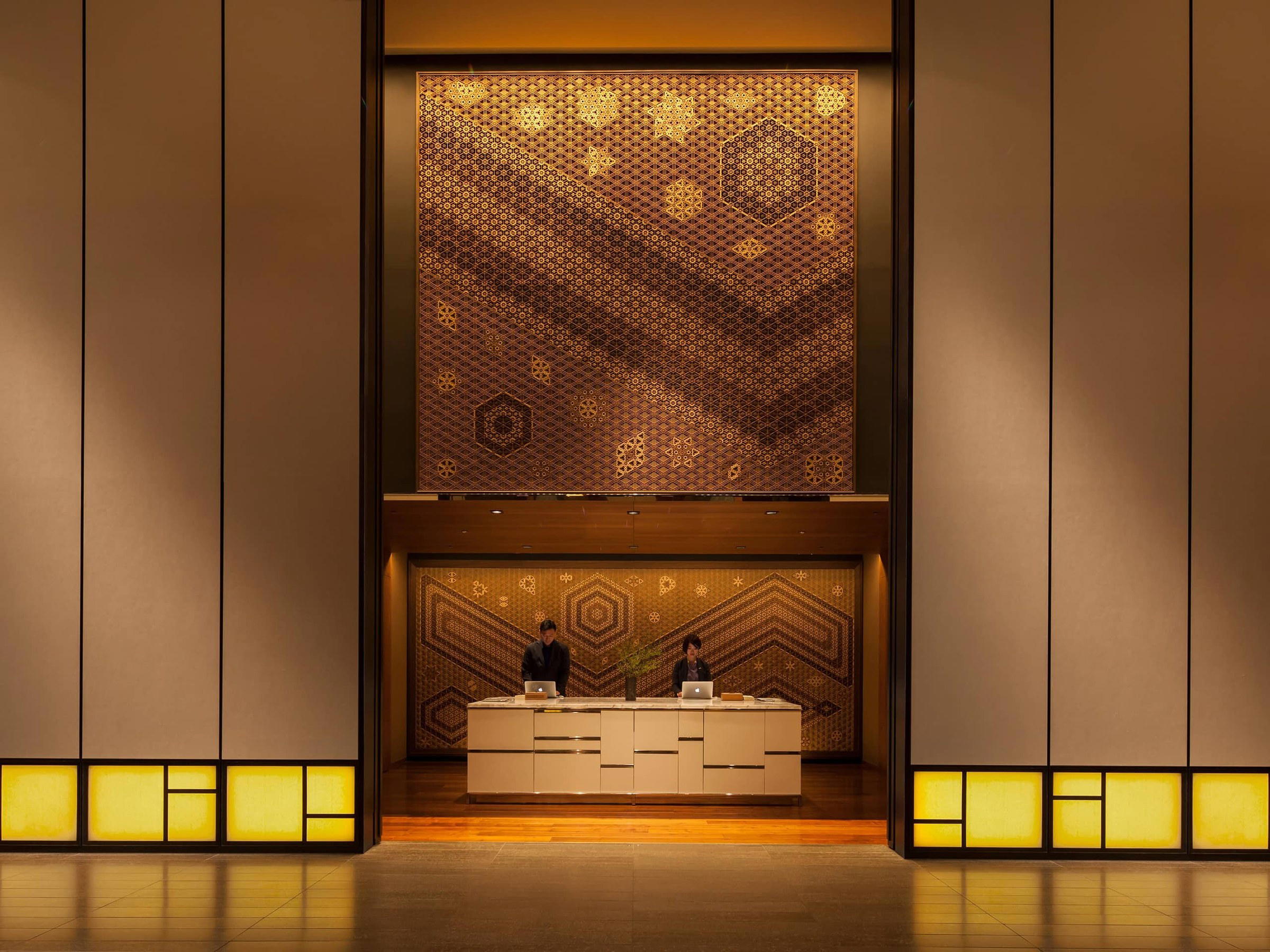
Warm, charming, and relaxing with a stylish, atmospheric interior.