
Our verdict
Kusunoki sits in Yotsuya, one of Tokyo's quieter inner-city neighbourhoods, where the dining tempo runs slower and more deliberate than Ginza or Minami-Aoyama. The address places it within a small-footprint ground-floor space, in keeping with the format that defines Tokyo's more considered restaurant tier. Booking ahead is advisable for this corner of Shinjuku City.

Pearl is the En Primeur Club membership app, where members save venues, book tables and use the concierge.
The menu
What to order
- Oil-free tempura
- Seasonal tempura tasting menu
The Yotsuya Approach to Dining Time
In Tokyo's denser dining districts, the meal is often an event measured in prestige signals: the starred address, the counter pedigree, the reservation lag. Yotsuya operates differently. The neighbourhood, folded into Shinjuku City's western edge and separated from the noise of Shinjuku Station by a stretch of quieter residential and government blocks, has long attracted restaurants whose appeal rests less on spectacle and more on the quality of attention inside the room. Kusunoki sits at 1 Chome-9-4 Yotsuya on the ground floor of a low-rise building, a format that reads as deliberate rather than circumstantial. In a city where basement counters and upper-floor atriums often signal ambition, a street-level room in a residential-leaning quarter signals something different: the meal is the occasion, not the building.
The Ritual Before the First Course
Dining customs in Tokyo's more considered restaurants follow a rhythm that rewards preparation. The pacing of a meal at this level typically begins before arrival: confirming the reservation, understanding the format, arriving on time in a city where lateness disrupts the kitchen's sequencing rather than just social convention. Ground-floor spaces in Yotsuya tend to be compact, which shapes everything from the interaction between kitchen and table to the acoustic register of the room. Quiet, close, and attentive describes the physical experience at venues of this type, where the distance between kitchen output and the guest is short enough that the temperature of a dish and the moment it arrives are in actual relationship with each other.
This matters because Tokyo's serious restaurant tier, whether kaiseki in the tradition of RyuGin or the French-inflected precision of L'Effervescence, treats the sequence of a meal as compositional. Each course arrives when the kitchen decides it should, not when the diner signals readiness. Understanding this is less about etiquette and more about allowing the meal to function as it was designed to. Visitors arriving from dining cultures where pacing is negotiated at the table will find the experience recalibrates quickly.
Where Kusunoki Sits in the Neighbourhood Pattern
Yotsuya's restaurant scene does not have the density or international profile of Ginza, Roppongi, or Nihonbashi, but that relative quietness is part of its character. Restaurants here attract a local clientele more consistently than venues that depend on tourist or expense-account traffic, and that shapes the room: fewer cameras, less performative dining, more repeat visitors who know the pace. For comparison, Tokyo's highest-profile sushi counters such as Harutaka operate in areas where the neighbourhood itself functions as a trust signal. In Yotsuya, the venue has to carry more of that weight independently.
Japan's broader dining geography reflects a similar pattern at scale. Destination restaurants in cities like Osaka (HAJIME), Kyoto (Gion Sasaki), and Fukuoka (Goh) have each built identity independent of the capital's gravity. Even smaller city addresses like akordu in Nara demonstrate that serious cooking in Japan is not geographically confined to the largest centres. Tokyo's outer neighbourhoods follow this logic at a micro-level: serious cooking can happen anywhere, and Yotsuya's quieter blocks have housed it for decades.
Format and the Dining Sequence
The ground-floor, small-footprint format of a venue like Kusunoki places it in a specific tier of Tokyo dining, distinct from the high-capacity restaurants that occupy hotel dining rooms or the multi-floor operations of busier districts. At this scale, the kitchen-to-table ratio allows for a level of attention that larger operations cannot replicate: timing is tighter, the number of concurrent dishes in production is lower, and the margin for error on each plate narrows accordingly. The chef's decisions about sequencing, temperature, and presentation are felt more directly by the diner than in a room seating sixty.
This format logic applies across the serious end of Tokyo's restaurant spectrum. At Crony, where French technique and an innovative approach are compressed into a focused menu format, or at Sézanne, where a smaller tasting menu structure drives the experience, the physical constraints of the room are inseparable from the culinary philosophy. Smaller rooms force clarity: you cannot hide behind volume or variety when the menu is short and the kitchen is close.
Planning a Visit to Kusunoki
The venue's address in Yotsuya places it within Shinjuku City, accessible from Yotsuya Station on the JR Chuo Line and the Tokyo Metro Marunouchi and Nansen-to lines, making it direct to reach from most central Tokyo points without transfers. The neighbourhood is calm by Tokyo standards at most hours, which affects arrival: unlike Ginza or Roppongi, there is no ambient density of other diners or evening foot traffic to absorb a late arrival or a wrong turn. Confirming the booking and arriving on time is a practical necessity rather than a social nicety.
For international reference points at a similar level of ambition, Le Bernardin in New York and Atomix illustrate how small-format, high-attention dining translates across different culinary traditions. Japan-wide, restaurants from Nanao to Sapporo demonstrate the geographic spread of this format discipline. See our full Tokyo restaurants guide for broader city context.
| Venue | Neighbourhood | Cuisine | Price Tier | Booking Lead Time |
|---|---|---|---|---|
| Kusunoki | Yotsuya, Shinjuku City | Not confirmed | Not confirmed | Not confirmed |
| Harutaka | Ginza | Sushi | ¥¥¥¥ | Several months |
| RyuGin | Roppongi | Kaiseki | ¥¥¥¥ | 1-2 months |
| L'Effervescence | Nishi-Azabu | French | ¥¥¥¥ | 1-2 months |
| Crony | Minami-Aoyama | Innovative French | ¥¥¥¥ | Weeks to months |
Frequently asked questions
How do I find Kusunoki?
Kusunoki is located at Japan, 〒160-0004 Tokyo, Shinjuku City, Yotsuya, 1 Chome−9−4 フローラ 1F, Tokyo.
How do I get to Kusunoki in Yotsuya, and which train lines serve it?
Kusunoki is located at 1-chome 9-4 Yotsuya, Shinjuku City, Tokyo, a 1F address accessible from Yotsuya Station, which is served by the JR Chuo Line and the Tokyo Metro Marunouchi and Nanboku lines. That station access makes the venue straightforwardly reachable from central Tokyo without requiring a transfer-heavy journey, which partly explains why Yotsuya has sustained a quiet but consistent restaurant presence despite lower international profile than neighbouring districts.
What's the must-try dish at Kusunoki?
What the venue's Yotsuya address and ground-floor small-footprint format do suggest is a focused menu rather than a broad one, the kind of restaurant where the entire offering rewards attention rather than selective ordering.
Do they take walk-ins at Kusunoki?
Kusunoki's ground-floor, small-footprint format in Yotsuya places it in a tier of Tokyo dining where seating capacity is limited by design. Walk-in availability at venues of this size in Tokyo is typically low, particularly on weekends. Contacting the restaurant directly via its Yotsuya address is the practical route for current booking policy.
What's the standout thing about Kusunoki?
Kusunoki's position in Yotsuya, within Shinjuku City, sets it apart from Tokyo's more heavily trafficked dining corridors like Ginza or Nihonbashi. That relative quietness is structural, the neighbourhood attracts restaurants that rely on repeat custom and word of mouth rather than foot traffic or international press cycles. The small ground-floor format reinforces that positioning.
Do they accommodate allergies at Kusunoki?
No allergy or dietary accommodation policy is publicly documented for Kusunoki. At small-format Tokyo restaurants operating at this level of deliberateness, communicating dietary requirements at the time of booking, rather than on arrival, is standard practice and gives the kitchen the best chance of adjusting.
Should I splurge on Kusunoki?
Pricing data for Kusunoki is published details are limited, so a direct cost-versus-value comparison cannot be made. What the venue's Yotsuya location and small ground-floor format indicate is a restaurant built around restraint rather than spectacle, a different proposition from a Ginza counter where the setting itself is part of what you are paying for. Check the venue's official channels for the latest details.
Style and Standing
Comparable venues nearby, for context on price, style, and recognition.
| Venue | Cuisine | Price | Awards | Notes |
|---|---|---|---|---|
| KusunokiThis venue (the venue you are viewing) | Oil-Free Tempura Omakase | $150–200 | Not listed | Not listed |
| 3110NZ By LDH Kitchen | Modern Omakase Sushi with Art Gallery | $300–500 | Not listed | Naka-Meguro |
| きよ田 離れ | High-end Edomae Sushi Omakase | $500+ | Black Pearl 1 Diamond · Tabelog 100 #11 | Ginza |
| すし匠 | Sushi Sho-style Edomae Omakase | $300–500 | Tabelog 100 #49 | Shinjuku |
| 懐石 辻留 | Traditional Kaiseki Tea Ceremony Cuisine | $200–300 | La Liste Top Restaurants | Minato |
| Mudai | Japanese Omakase / Kaiseki | $300–500 | Tabelog 100 #47 | Minato |
Recognition history
Dated appearances from independent guides and award organizations, with the underlying list record or original source where available.
Opinionated About Dining Top Restaurants in Japan Ranked #26
Opinionated About Dining
Continue exploring
More in Tokyo
Restaurants in Tokyo
All restaurants in Tokyo →
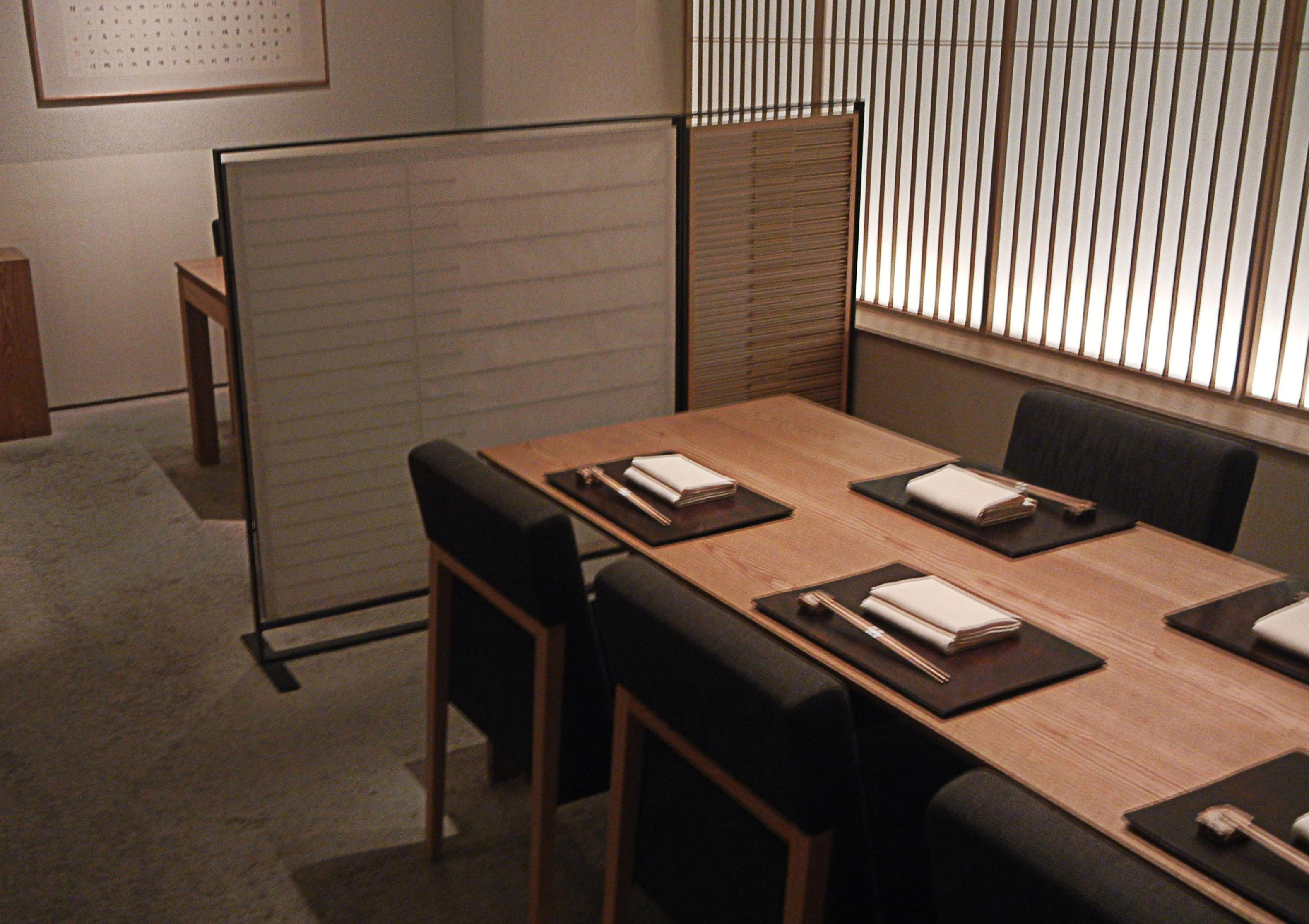
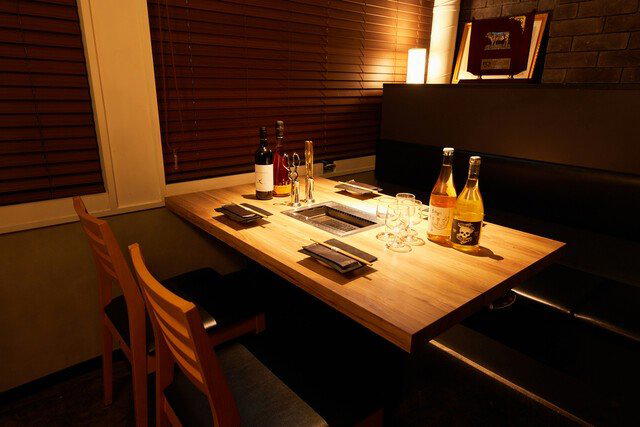
Bars in Tokyo
All bars in Tokyo →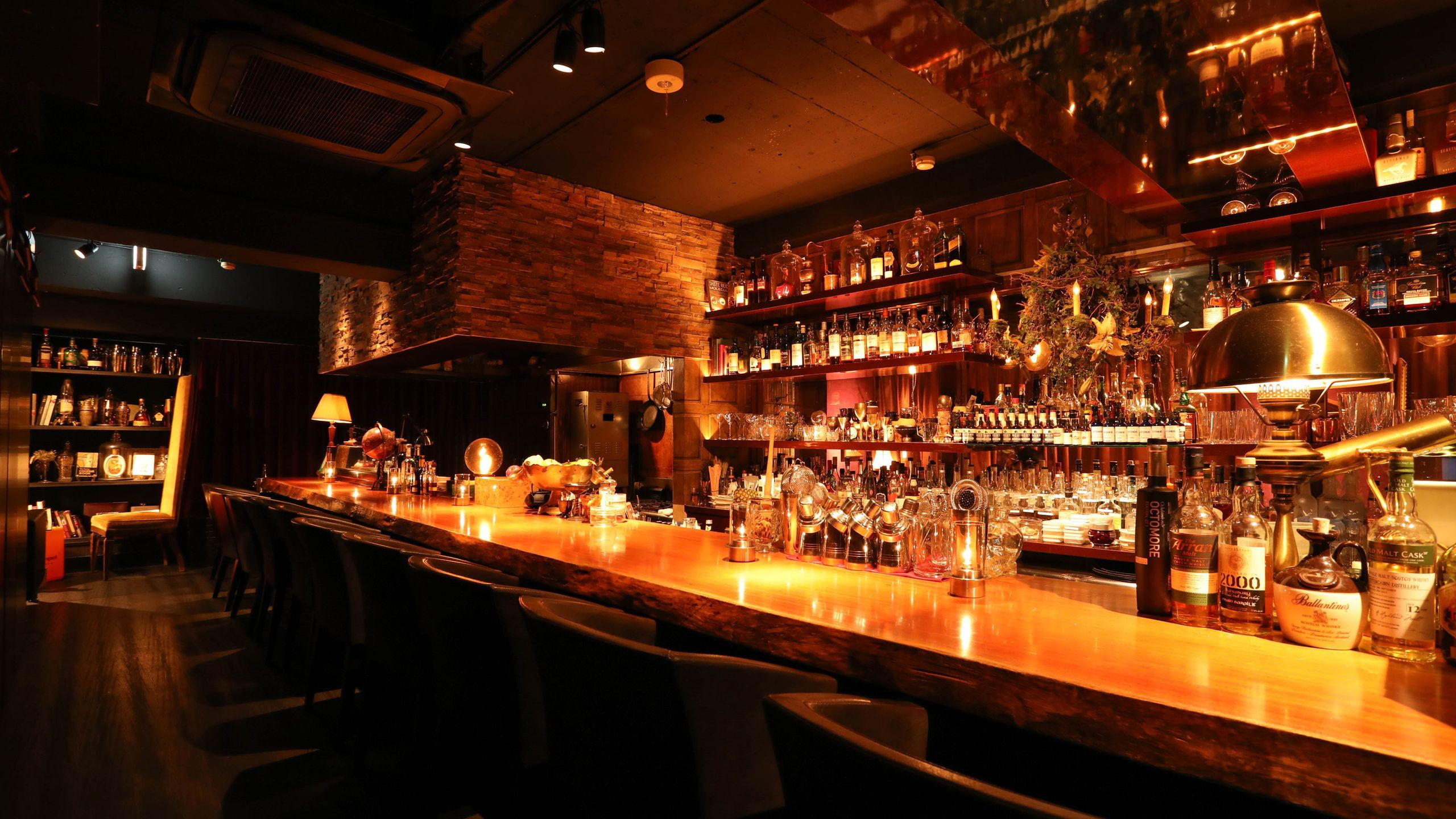
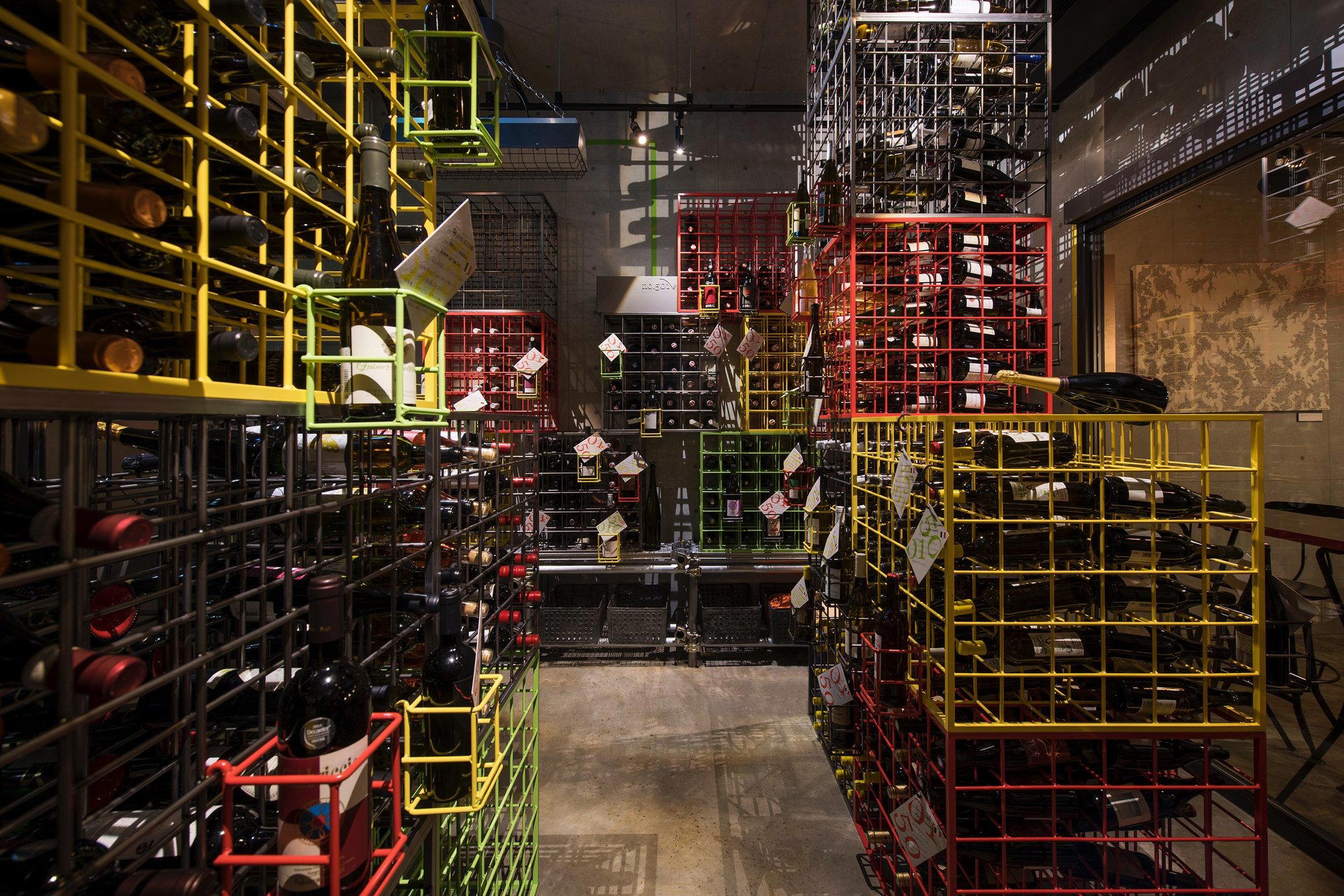




Details
- Intimate
- Elegant
- Sophisticated
- Special Occasion
- Date Night
- Chefs Counter
- Open Kitchen
- Sake Program
- Counter Dining
- Tasting Menu
- Sake
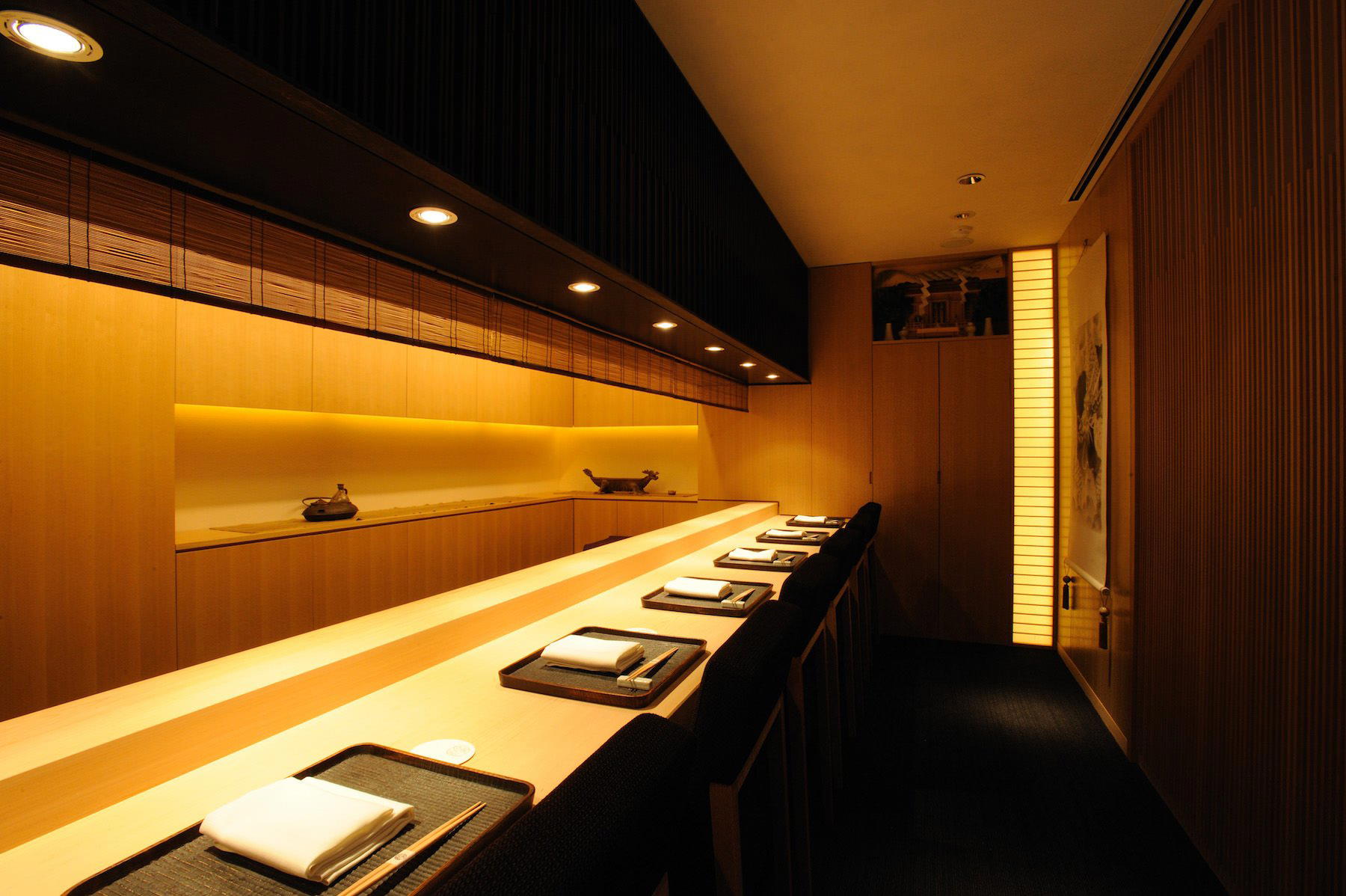
Intimate, reverent atmosphere with theatrical presentation; minimalist sanctuary focused entirely on the tempura artistry unfolding before guests.