Our verdict
交箸 occupies a quiet address in Kobe's Nakayamatedori district, a neighbourhood that has long hosted the city's more considered dining rooms. With sparse public data, the restaurant carries the kind of low profile that in Kobe's premium dining tier often signals deliberate restraint over visibility. Travellers planning milestone meals in the city should factor it into their research alongside the established names on Kitanozaka.

Pearl is the En Primeur Club membership app, where members save venues, book tables and use the concierge.
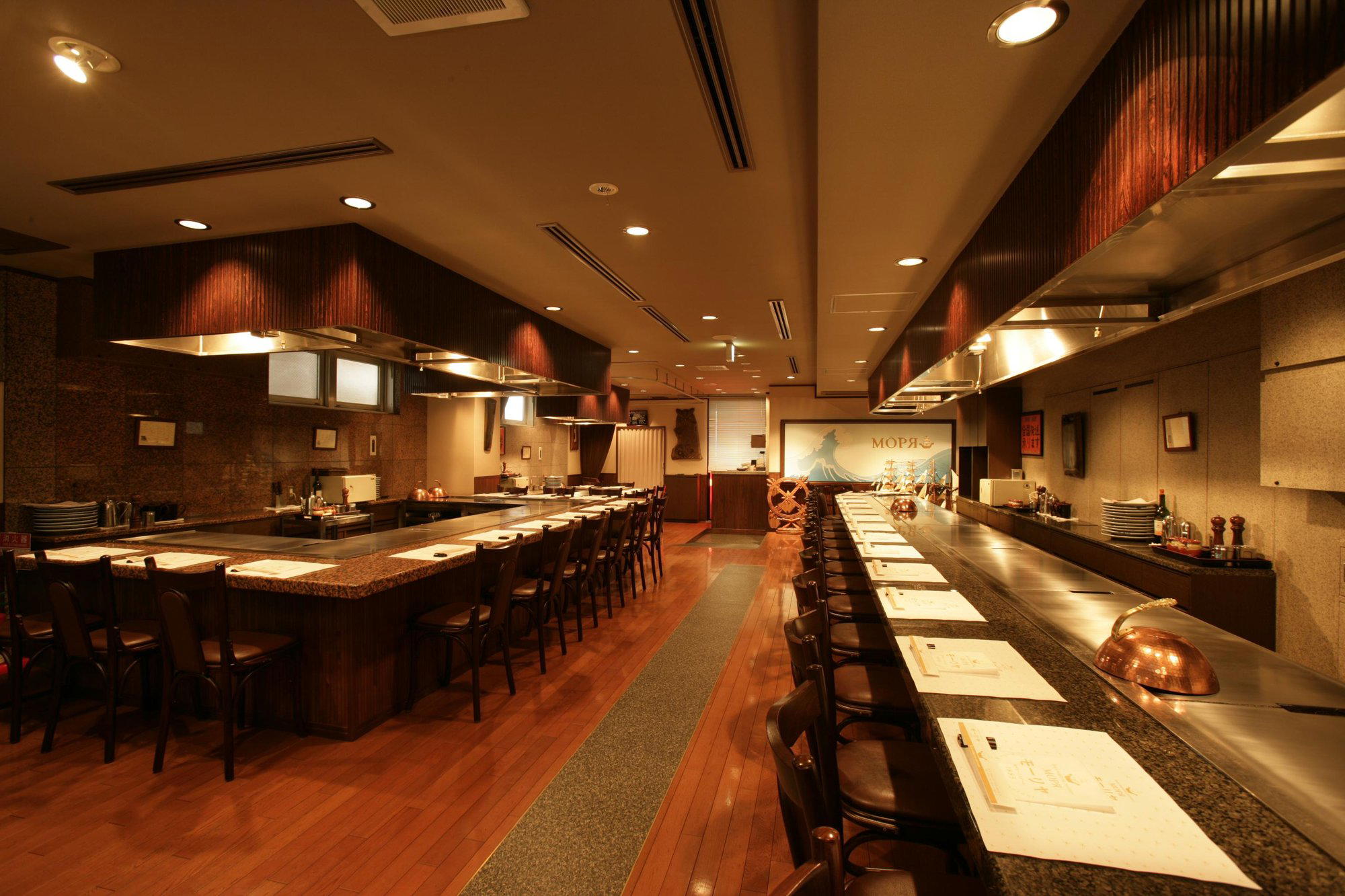
Dining for Occasions in Kobe's Nakayamatedori
Kobe's premium dining tier has always operated somewhat apart from the Osaka and Kyoto circuits that attract most of the regional attention. The city built its culinary reputation on beef, on foreign-influenced cuisine absorbed through the port, and on a particular kind of quiet formality that suits milestone meals. Nakayamatedori, the address where 交箸 sits, is a residential-commercial strip in Chuo Ward that has historically housed the kind of restaurants whose clientele returns for anniversaries and private celebrations rather than for social media content. That pattern, low public profile combined with consistent local patronage, is characteristic of Kobe's most enduring dining rooms.
The name 交箸 carries a meaning rooted in the act of sharing at table, a concept that in Japanese dining culture implies deliberate hospitality rather than casual informality. In a city where occasion dining tends toward the ceremonial, that framing matters. It positions the experience within a long tradition of meals that mark time, whether the kaiseki formats common across Kansai or the teppanyaki counter dinners that Kobe helped shape into a premium format. For comparison, restaurants such as Aragawa built their reputations on exactly this kind of controlled, occasion-calibrated atmosphere, and that model remains the reference point for Kobe's upper dining bracket.
Where Kobe's Occasion Restaurants Sit
Across Kansai, the architecture of special-occasion dining varies meaningfully by city. Kyoto's model runs through multi-course kaiseki at rooms like Gion Sasaki, where seasonal discipline and ceremony define the experience. Osaka's version, represented by rooms like HAJIME, leans into tasting-menu ambition and international reference. Kobe sits between those poles: more formal than Osaka's contemporary register, less codified than Kyoto's kaiseki tradition, and with a distinct identity shaped by its role as a port city where Western techniques and Japanese precision were folded together across generations.
Nara offers another point of comparison. akordu in Nara represents the model of a smaller city's premium dining room that draws destination visitors alongside local celebrants. Kobe's Nakayamatedori occupies a similar niche geographically: close enough to Osaka and Kyoto to attract visitors making a deliberate detour, but rooted enough in local identity to function as a neighbourhood anchor for the city's own occasion-dining occasions.
Within Kobe itself, the dining scene at the premium end splits between restaurants oriented toward international visitors, those on Kitanozaka hill, and quieter addresses in Chuo Ward that serve local clientele marking significant events. Ash Restaurant and Ca Sento represent the more visible end of that range. The Fushin and fuxing addresses occupy different points along the same spectrum. 交箸 appears to operate in the quieter, locally anchored segment of that map.
The Logic of the Low-Profile Occasion Room
In Japan's premium dining tier, limited public information about a restaurant is not automatically a warning sign. Some of the country's most carefully run rooms maintain minimal digital presence by design, relying instead on referrals and repeat clientele. The same pattern appears at places like Harutaka in Tokyo, where the counter operates at a level of deliberate privacy that filters for serious guests. In Kobe, where the dining culture has historically valued discretion, this mode is even more common.
That constraint itself signals something about the likely format: restaurants that operate without prominent online booking infrastructure tend to run at smaller scale, with formats calibrated for guests who have already made an informed choice to seek them out. Comparable rooms across Japan, from Goh in Fukuoka to smaller kaiseki addresses in regional cities like 一本木 in Nanao or 湖隣庵 in Takashima, often follow this same model of earned access over open availability.
Planning a Meal at 交箸
The address places 交箸 in Nakayamatedori, Chuo Ward, a neighbourhood accessible from central Kobe by foot or a short taxi ride from Sannomiya Station. Beyond the address, confirmed operational details including hours, pricing, reservation method, and current format are not publicly available in a form that allows reliable reporting. For occasion dining where precision matters, that means building in lead time for research: reaching out to Kobe-based concierge services or consulting sources with direct local knowledge before fixing the date.
The broader Kobe occasion-dining category prices at a significant premium relative to casual dining, with multi-course formats at the city's established rooms typically requiring advance booking of several weeks. Travellers who have built occasion meal itineraries around rooms like Birdland in Sakai or high-precision counters in other Japanese cities will recognise that window. The same applies here: the later you move on a specific date, the narrower the options become, particularly around national holidays and the cherry blossom and autumn foliage seasons when the Kansai region operates at maximum capacity.
For a broader view of where 交箸 fits within Kobe's dining range, the full Kobe restaurants guide maps the city's options across cuisine types and price tiers. Travellers comparing the Kobe occasion-dining tier against international reference points might also consider how New York's most precise special-occasion rooms, such as Le Bernardin or Atomix, manage the same calibration between format, price, and selectivity. The logic is consistent even across different culinary traditions: rooms designed for milestone meals tend to protect that atmosphere through limited capacity and deliberate access controls.
Frequently asked questions
What's the address for 麤�
éº¤ç® is located at 2 Chome-15-18 Nakayamatedori, Chuo Ward, Kobe, Hyogo 650-0004, Japan, Kobe.
What's the best thing to order at 交箸?
No menu details are publicly documented for 交箸 at this time. Given the restaurant's placement in Kobe's Nakayamatedori, a neighbourhood associated with the city's more considered dining tier, the format is likely built around a set course rather than à la carte selection. Contacting the restaurant directly before visiting is the practical approach for understanding what's on offer.
Is éº¤ç® reservation-only?
Reservations are recommended for éº¤ç® in Kobe. Confirm current policy via the venue's official channels.
What's the defining dish or idea at 麤�
éº¤ç® is best approached by focusing on the core concept and signature offerings.
Can éº¤ç® handle vegetarian requests?
Dietary accommodations can vary. Flag restrictions in advance via the venue's official channels.
Budget Reality Check
| Venue | Cuisine | Price | Awards |
|---|---|---|---|
| 麤ç®This venue (the venue you are viewing) | Traditional Japanese Kaiseki | Not listed | Not listed |
| Ca Sento | Modern Spanish with Japanese Ingredients | $150–200 | Tabelog Bronze #39 |
| Kitanozaka Kinoshita | Seasonal Italian Tasting Menu | $150–200 | La Liste Top Restaurants |
| Uemura | Modern Kaiseki | $200–300 | La Liste Top Restaurants · Tabelog Bronze #496 |
| Setsugekka | Kobe Beef Teppanyaki | $100–150 | Not listed |
| Sushi Ueda | Traditional Omakase Sushi | $300–500 | Tabelog Bronze #494 |
Continue exploring
More in Kobe
Restaurants in Kobe
All restaurants in Kobe →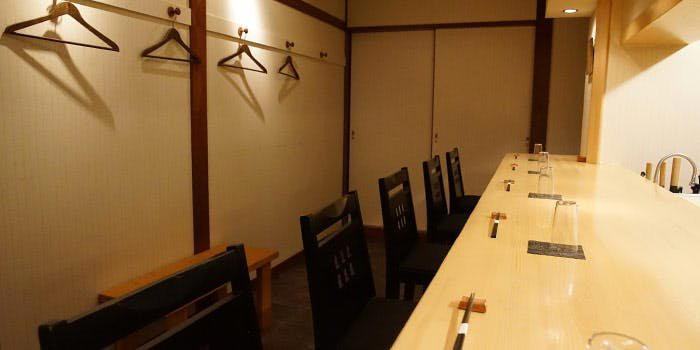
Bars in Kobe
Browse all →


Details
- Elegant
- Sophisticated
- Date Night
- Special Occasion
- Business Dinner
- Open Kitchen
- Sake Program
- Local Sourcing
- Set Menu
- Sake
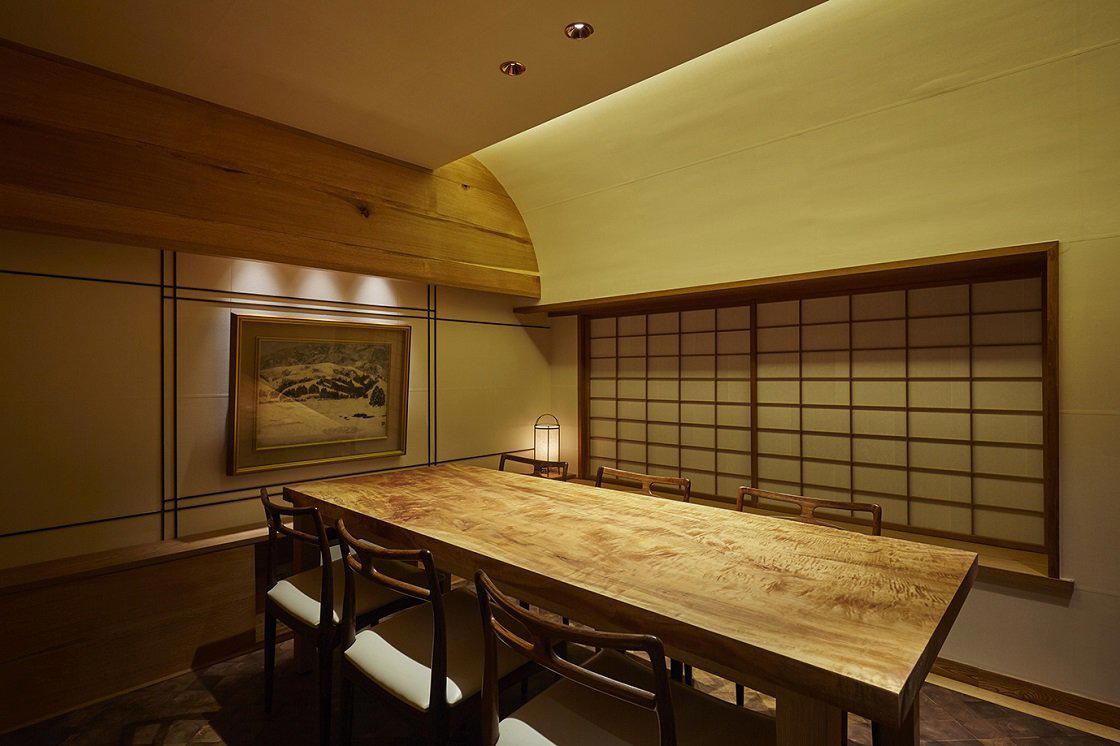
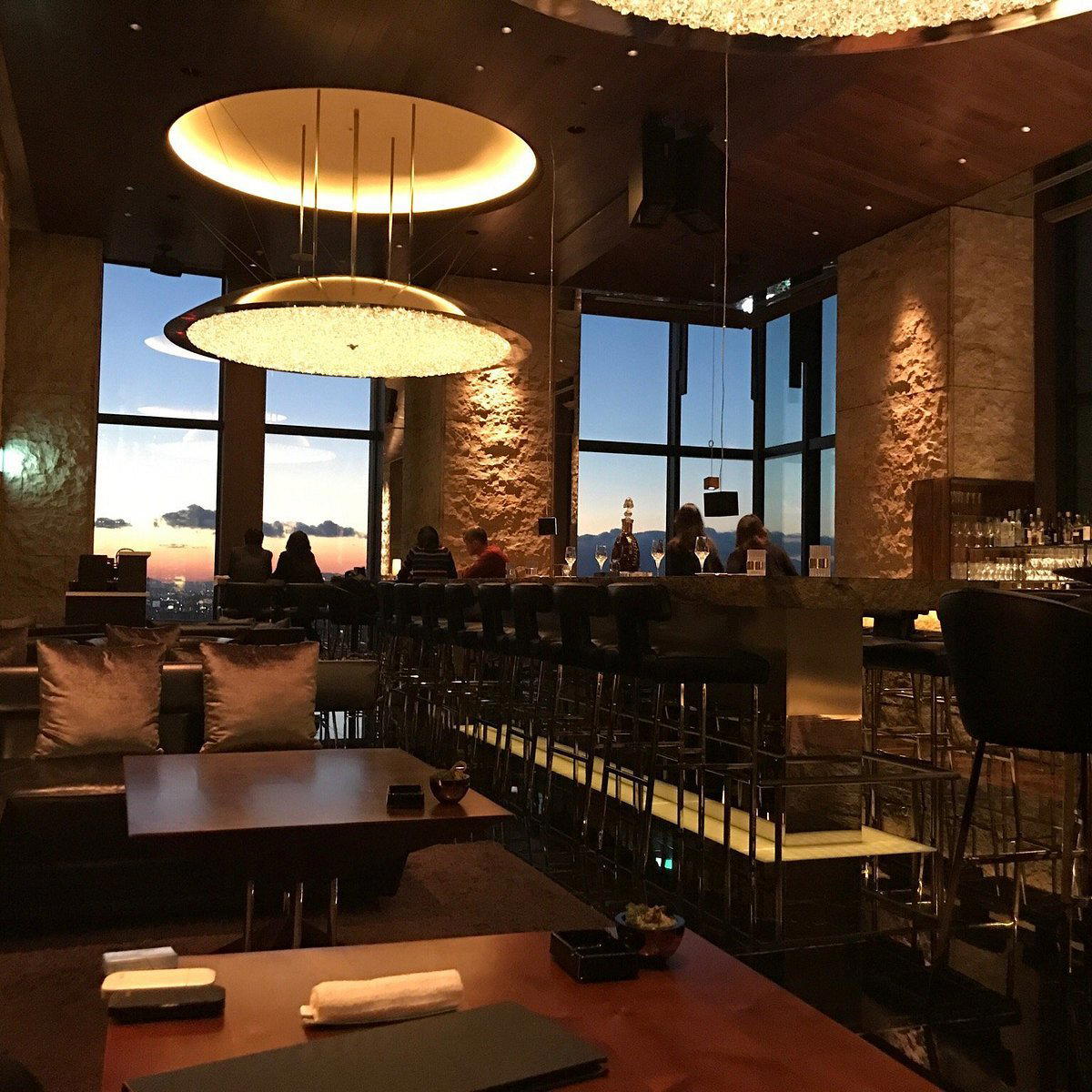
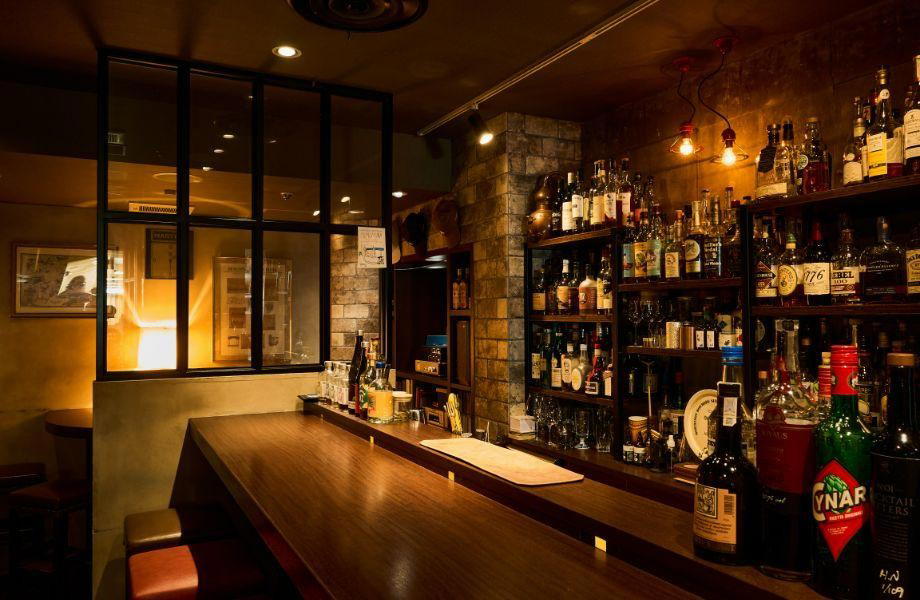
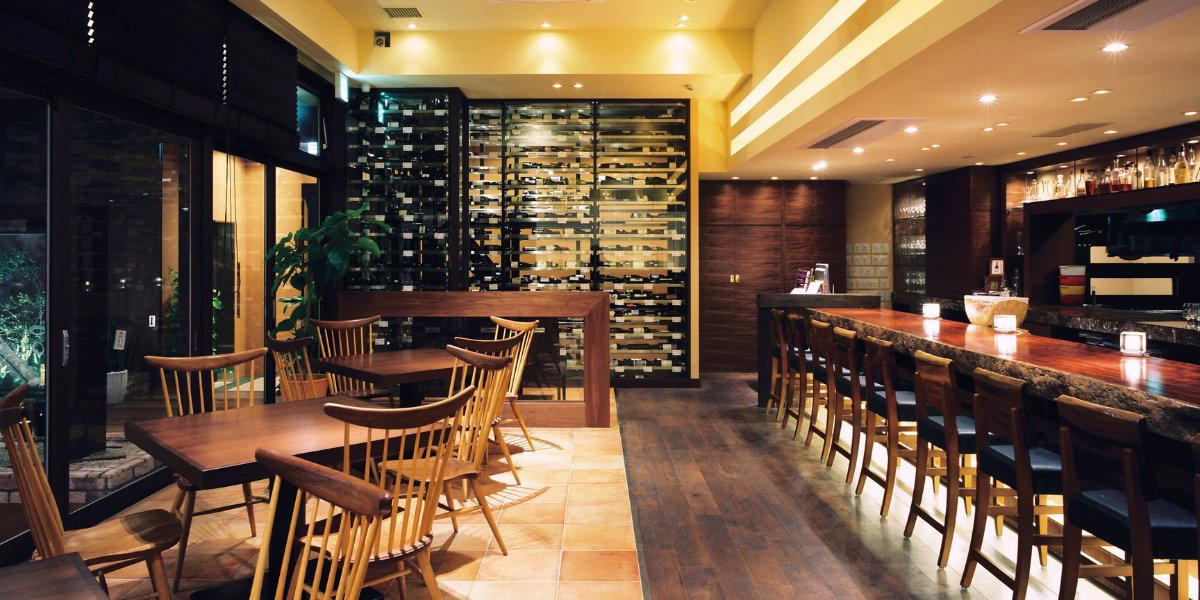
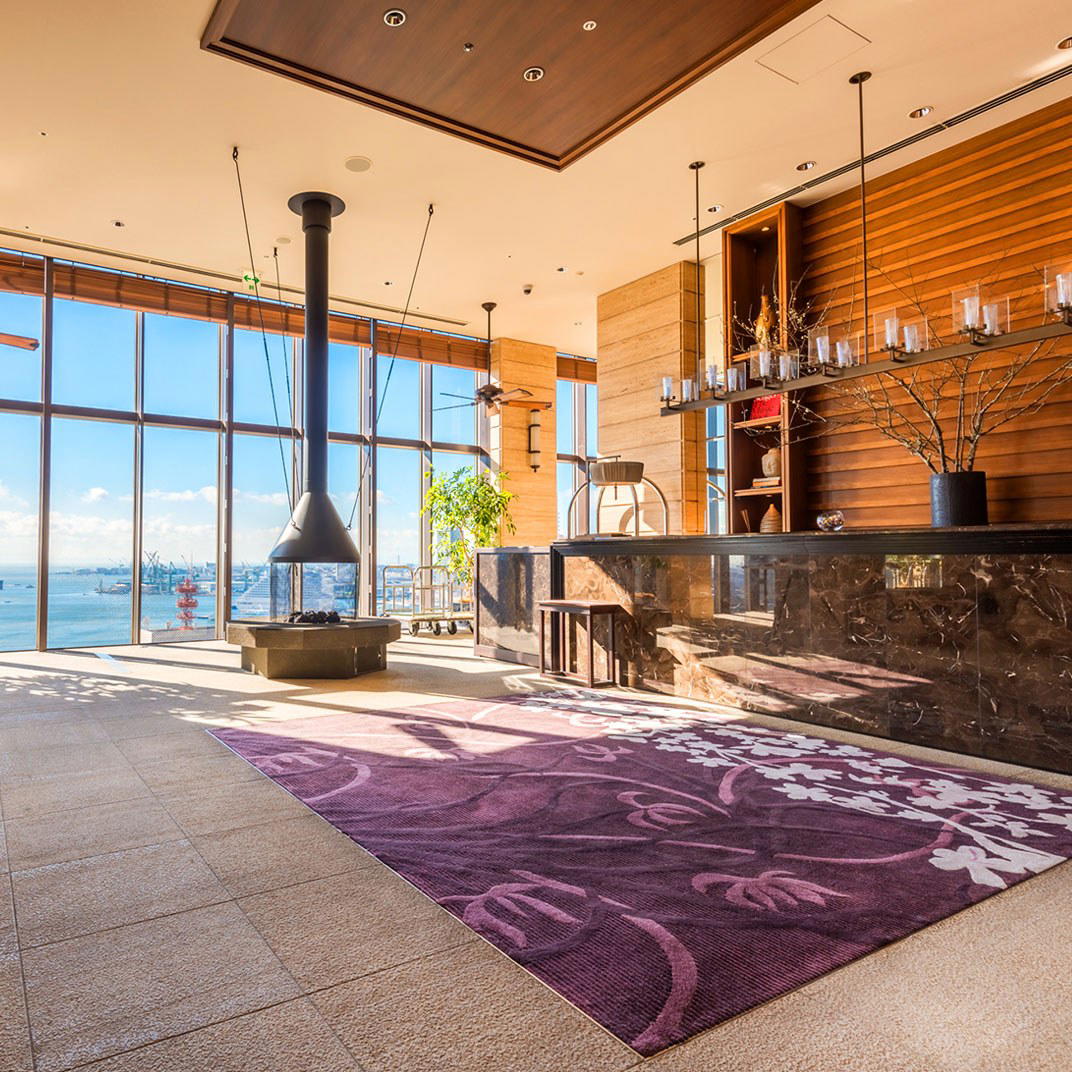
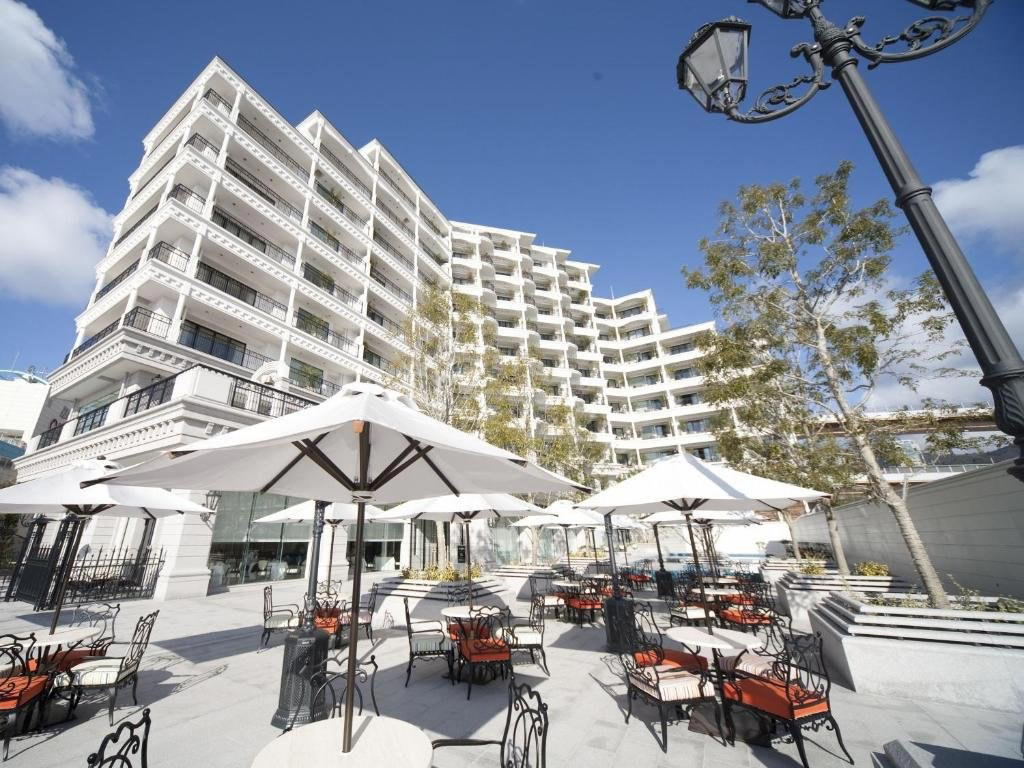
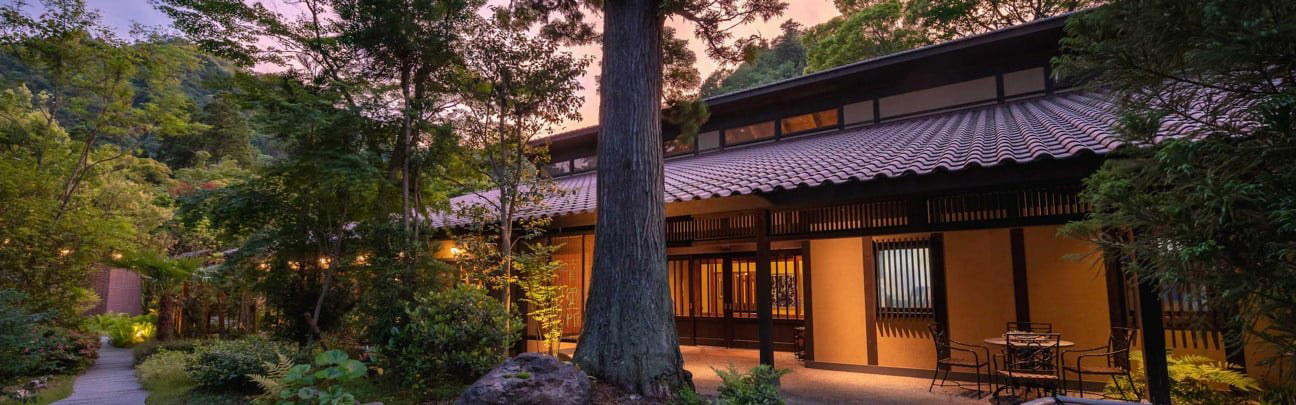
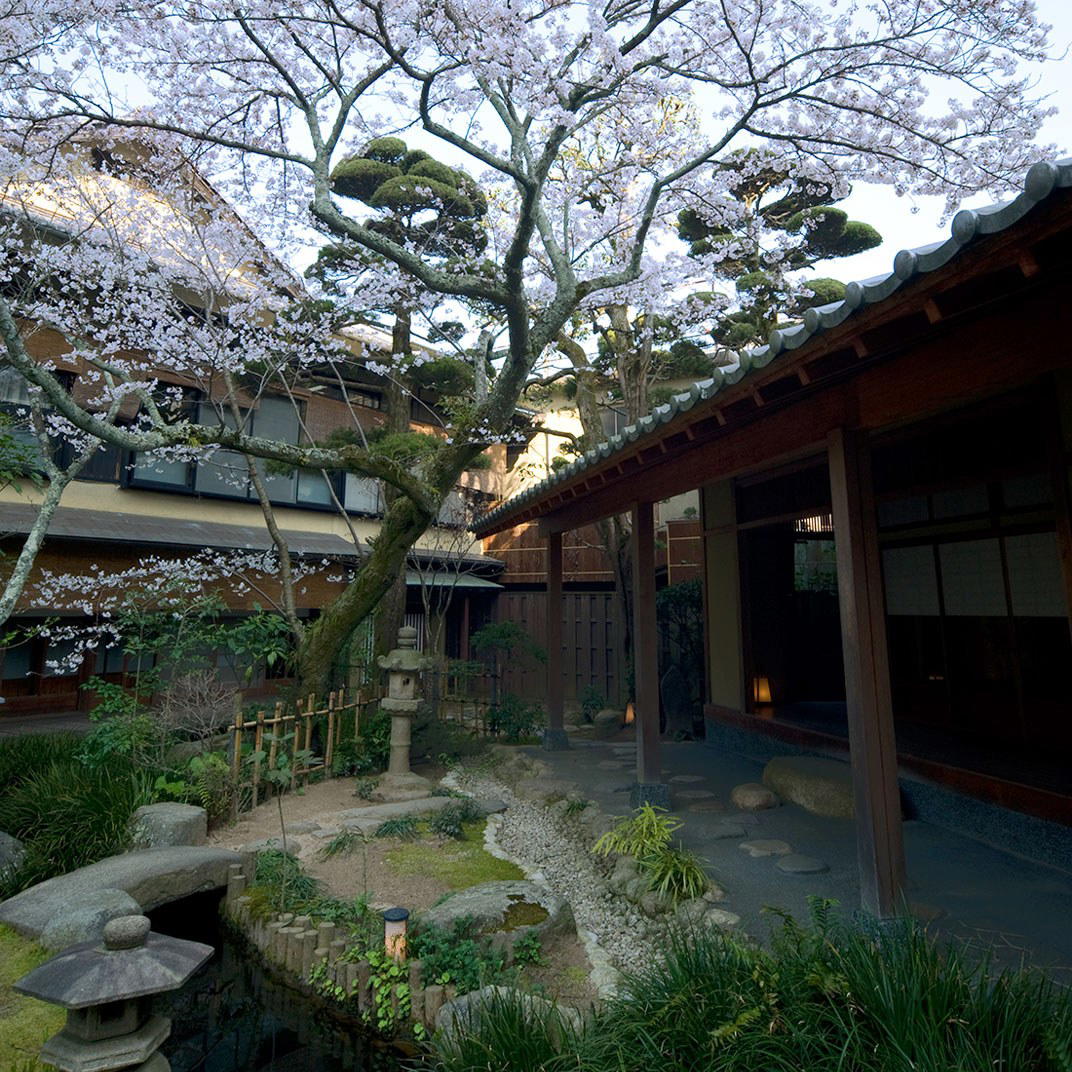
Refined and minimalist with warm lighting and traditional Japanese design elements creating an intimate dining atmosphere.