

Sushi Ueda occupies the 11th floor of The Kobe Tower in Nakayamatedori, positioning it inside Kobe's compact tier of counter-format sushi that draws comparison to the serious omakase rooms of Osaka and Kyoto. The address places it among Chuo Ward's more considered dining options, where format discipline and sourcing consistency matter more than scale.
Pearl is the En Primeur Club membership app — saves, bookings, and concierge access live there. Same editors, same standards.
- Address
- Japan, 〒650-0004 Hyogo, Kobe, Chuo Ward, Nakayamatedori, 3 Chome−2−1 ザ・神戸タワー 112
- Phone
- +81785156655
- Website
- asiamapi.com
- Directions
- Get directions
 Saves & bookings on Pearl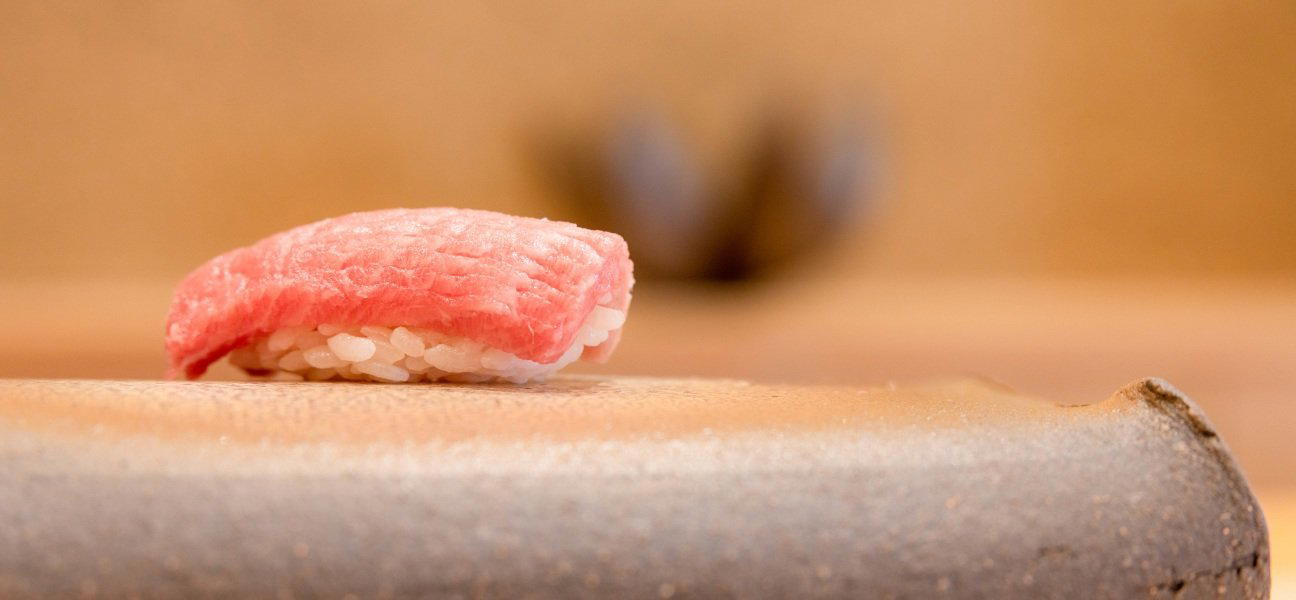
Counter Sushi in Kobe's Upper Tier
Kobe's fine-dining scene has always operated in the shadow of Osaka's volume and Kyoto's prestige, which has, paradoxically, worked in its favour. The city's leading restaurants compete in a smaller, more informed pool, and the serious counter-format sushi rooms here tend to attract guests who have already covered the obvious ground in Tokyo and want something less rehearsed. すし うえだ (Sushi Ueda) sits inside that Kobe tier, operating from the 11th floor of The Kobe Tower in Nakayamatedori, a central Chuo Ward address that places it alongside the city's other destination-grade rooms rather than its casual neighbourhood counters.
The tower setting matters in a way that isn't purely cosmetic. Counter sushi at this address level in Kobe signals a particular kind of operation: not a low-key neighbourhood spot built on walk-in trade, but a room that expects guests to have made a decision before they arrive. That framework shapes the entire experience, from the deliberateness of the service pace to the way courses accumulate rather than simply appear.
The Scene: What You Encounter on Arrival
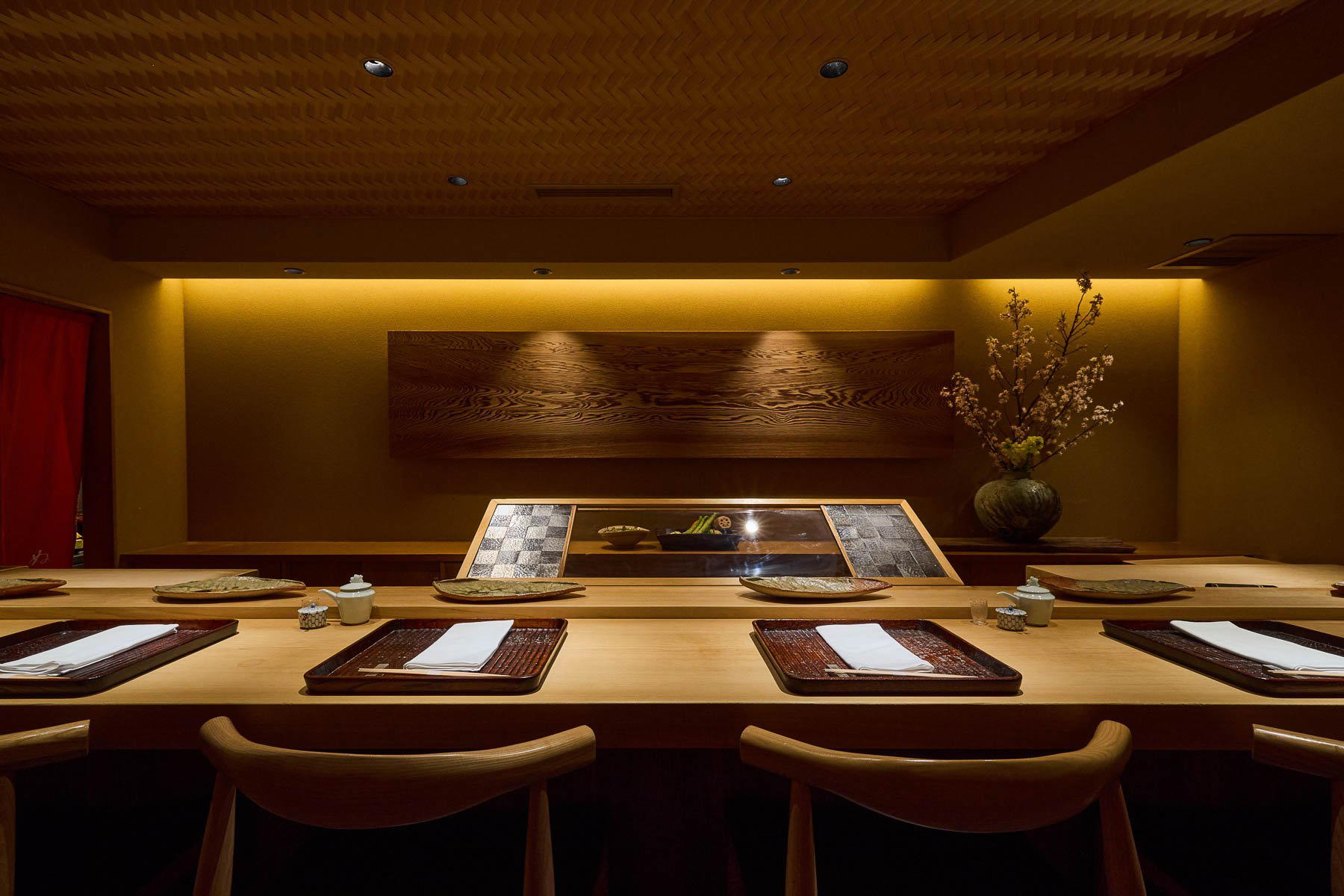
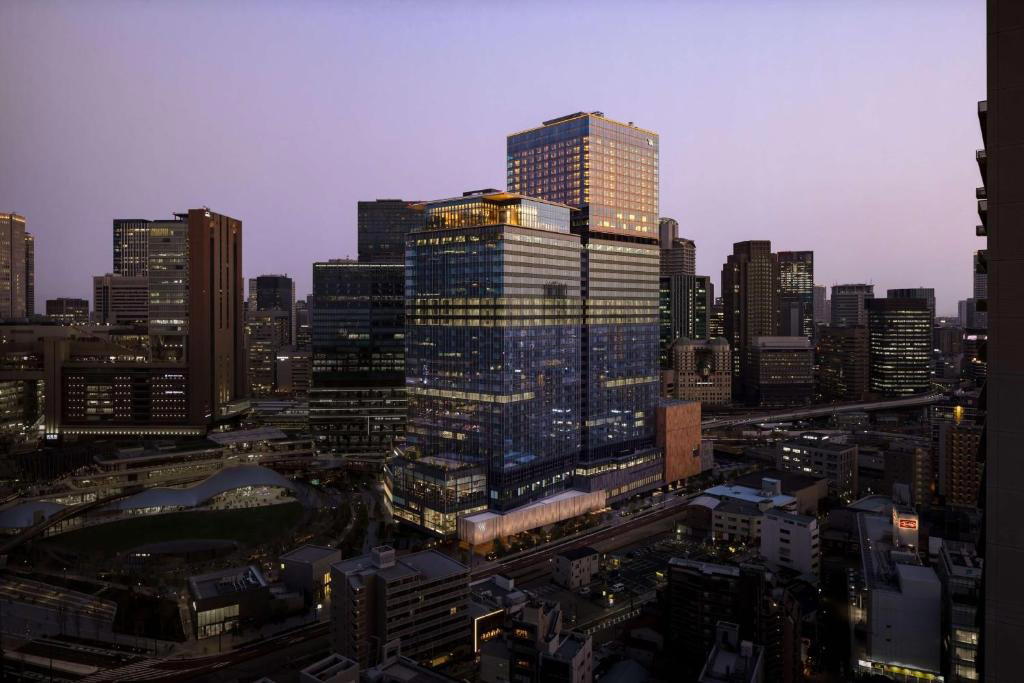
Approaching the 11th floor of The Kobe Tower, the physical remove from street level does something concrete to the atmosphere. The ambient noise of Nakayamatedori drops away. What remains is the counter itself, the quiet choreography of preparation, and whatever view the tower position affords over Chuo Ward. In Japan's counter sushi tradition, this kind of spatial compression is a feature rather than a limitation. The room is the instrument, and the team's coordination within it is the performance.
That coordination between chef, service staff, and whoever manages the drinks program is where Kobe's upper-tier sushi counters either earn their position or reveal their ceiling. The leading rooms in this format operate as a single unit: the pacing of nigiri responds to how quickly guests are eating, the beverage choices are proposed rather than recited from a laminated list, and the front-of-house reads the table without requiring explicit instruction. These are learned behaviours, not natural ones, and they distinguish a room with genuine team depth from one where the kitchen is doing all the work alone.
Kobe's Counter Sushi in Regional Context
To understand where すし うえだ sits, it helps to map the broader Kansai sushi picture. Osaka carries the region's volume of starred rooms, and Kyoto operates with an inherited prestige that inflates expectations before you've sat down. Kobe's version of serious dining is more lateral: the city has its own sourcing identity, shaped by the port's historical role in bringing ingredients from further afield and a local palate that has always leaned toward quality over ceremony.
Counter sushi in this context competes not just against peer sushi rooms but against Kobe's strong Western-influence dining strand, its beef-focused restaurants, and the kaiseki tradition. Fushin, Ca Sento, and Ash Restaurant represent the range of what serious guests are weighing when they plan a Kobe meal. A counter sushi room here has to justify the omakase format against that breadth of competition, which means the team dynamic, the sourcing story, and the consistency of execution all carry extra weight.
Beyond Kobe, Japan's serious sushi rooms in secondary cities have developed particular strengths. Fukuoka's counter rooms emphasise local seafood proximity; Nara's fine dining leans into the ryokan-adjacent quiet of its setting. Kobe's version has historically benefited from the Seto Inland Sea's supply lines and a cosmopolitan guest base that expects service to match the kitchen, not lag behind it.
Team Coordination as the Distinguishing Variable
In omakase format, the distance between a technically competent experience and a genuinely memorable one almost always comes down to the room's non-kitchen half. The chef controls the fish, the temperature, the progression. But the service team controls the rhythm of the evening: how questions are answered, how the beverage program is integrated into the meal's arc, and whether guests feel like observers at a demonstration or participants in something designed specifically for them.
Japan's sushi counter tradition has a deep vocabulary for this. The concept of ma, the deliberate pause between actions, applies as much to how a sommelier or drink lead times a recommendation as to how the chef rests between pieces. Rooms that understand this produce evenings where the whole team seems to breathe together. Those that don't produce technically correct food served in an atmosphere that never quite coheres. Sushi Ueda's Kobe Tower address, and the operational commitment that kind of location implies, points toward a room where this coordination is taken seriously.
Comparing Kobe's Sushi Tier to National Peers
For context on what a serious counter sushi room in a Japanese regional city typically delivers, the reference points worth holding in mind include Japan's dedicated omakase counters in smaller prefectural capitals, where rooms like those in Nanao and Takashima have built reputations around local seafood sourcing and tight seat counts that force quality over volume. Sapporo's counter rooms draw from Hokkaido's cold-water supply with a directness that Kobe can't replicate but compensates for with the Seto Inland Sea's different seasonal variety.
At the international comparison level, the shift toward tightly controlled counter formats with coordinated team structures is visible in rooms like Atomix in New York, where the service program is treated as a creative discipline equal to the kitchen. The logic is the same: at a certain price and format tier, the meal's quality ceiling is set by the weakest link in the team, not by the strongest dish.
Planning a Visit
すし うえだ is located at 3 Chome-2-1 Nakayamatedori, Chuo Ward, Kobe, on the 11th floor of The Kobe Tower (ザ・神戸タワー 112). Nakayamatedori is accessible from central Kobe, within reasonable distance of the main Sannomiya transport hub. Given the tower address and format type, advance reservation is the expected approach; walk-in access at counter sushi rooms in this tier is rarely practical, and Kobe's upper-tier rooms tend to fill on shorter cycles than their Osaka or Tokyo equivalents. Aragawa and fuxing. regional counter rooms and Sakai for a complete picture of what the region's non-Osaka dining tier offers. For comparison at the international level, Le Bernardin in New York illustrates how team-led service programs operate at the highest tier outside Japan.
At-a-Glance Comparison
Comparable venues nearby, for context on price, style, and recognition.
| Venue | Cuisine | Price | Notes |
|---|---|---|---|
| すし うえだThis venue — the venue you are viewing | Traditional Omakase Sushi | $$$$ | Not listed |
| Tsuki Usagi | Halal Kobe Beef Japanese | $$$$ | Chūō |
| Kobe Beef TANRYU | Kobe Beef Teppanyaki | $$$$ | Chūō |
| kobe-Beef Steak Ishida.sannomiya-Shop | Kobe Beef Teppanyaki | $$$$ | Chūō |
| Kobe Beef Yakiniku Yazawa Nankinmachi Branch | Kobe Beef Yakiniku | $$$$ | Chūō |
| Teppanyaki Sogo | Teppanyaki Steakhouse | $$$$ | Chūō |
Recognition history
Dated appearances from independent guides and award organizations, with the underlying list record or original source where available.
Tabelog Bronze #494
Tabelog
Opinionated About Dining Top Restaurants in Japan Ranked #312
Opinionated About Dining
Tabelog Bronze
Tabelog
Tabelog 100 #33 · No. 33
Tabelog · Tabelog 100 - Sushi - WEST - 2025
Continue exploring
More in Kobe
Restaurants in Kobe
Browse all →
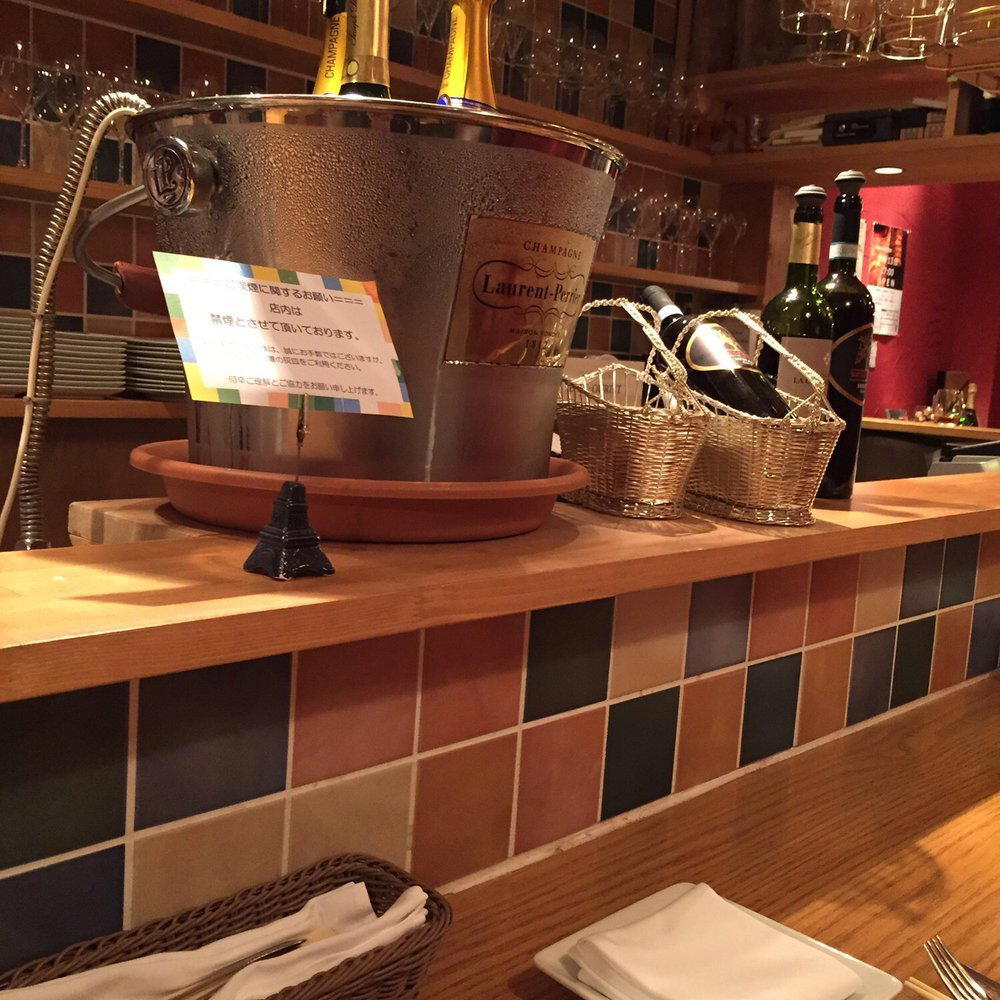
Bars in Kobe
Browse all →
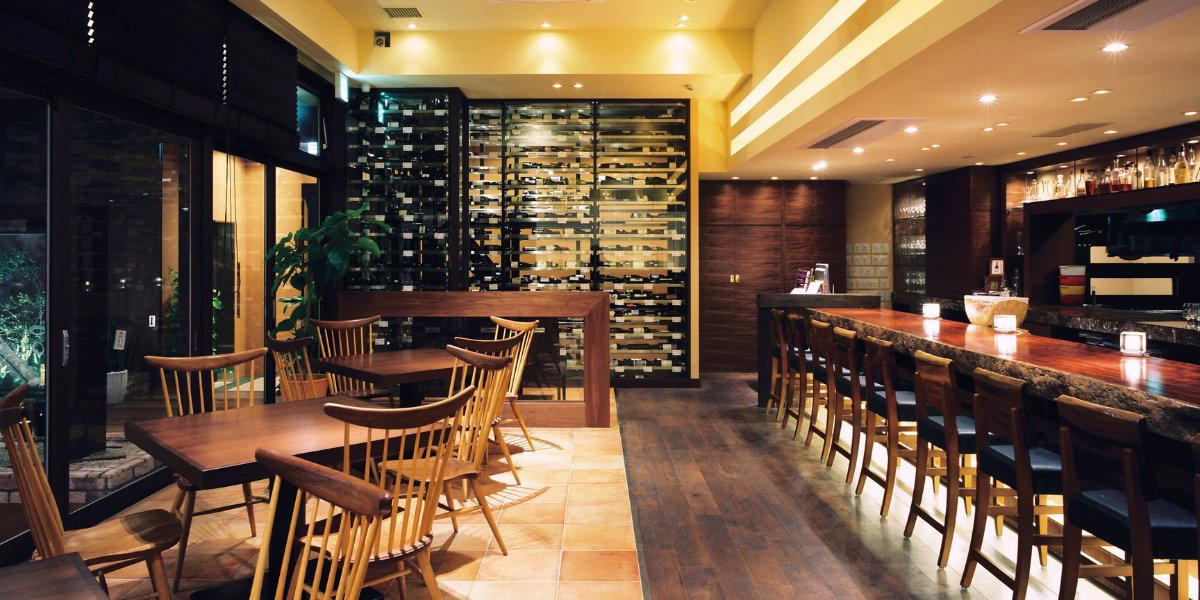
Hotels in Kobe
Browse all →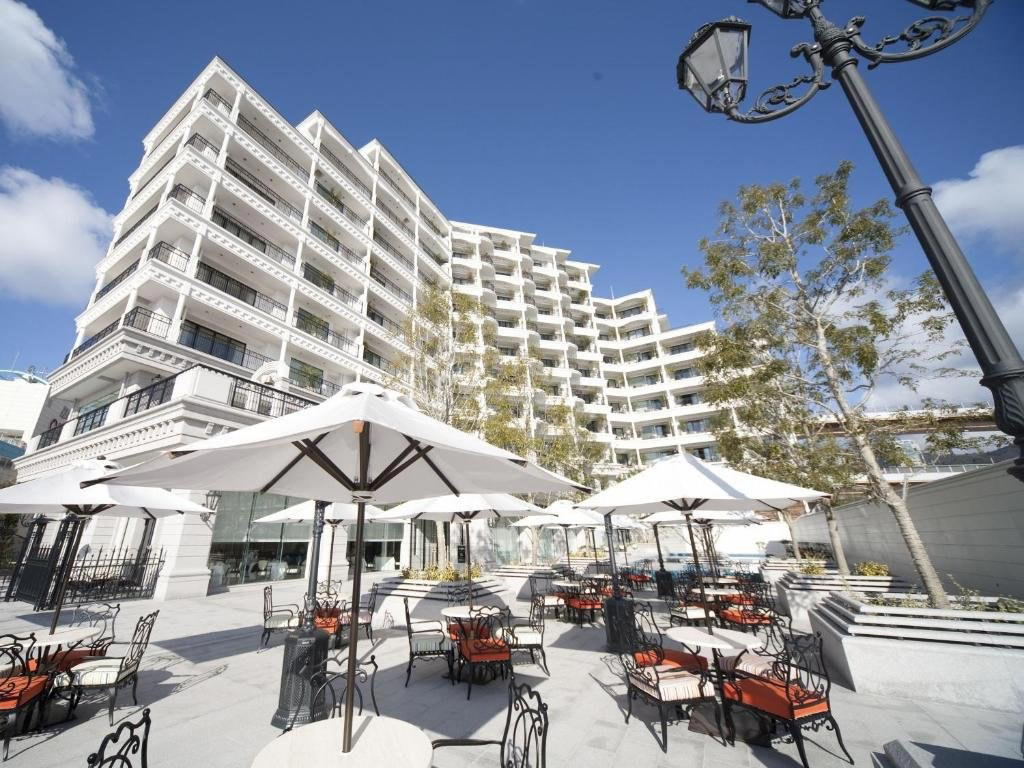


At a Glance
- Intimate
- Elegant
- Classic
- Special Occasion
- Date Night
- Chefs Counter
- Open Kitchen
- Local Sourcing
- Sustainable Seafood
Current opening hours
- Monday
- 11:30 AM–2 PM, 5–9 PM
- Tuesday
- 11:30 AM–2 PM, 5–9 PM
- Wednesday
- 11:30 AM–2:30 PM, 5–9 PM
- Thursday
- 11:30 AM–2:30 PM, 5–9 PM
- Friday
- 11:30 AM–2:30 PM, 5–9 PM
- Saturday
- 11:30 AM–2:30 PM, 5–9 PM
- Sunday
- 11:30 AM–2:30 PM, 5–9 PM
Hours can change for holidays and private events. Last verified .
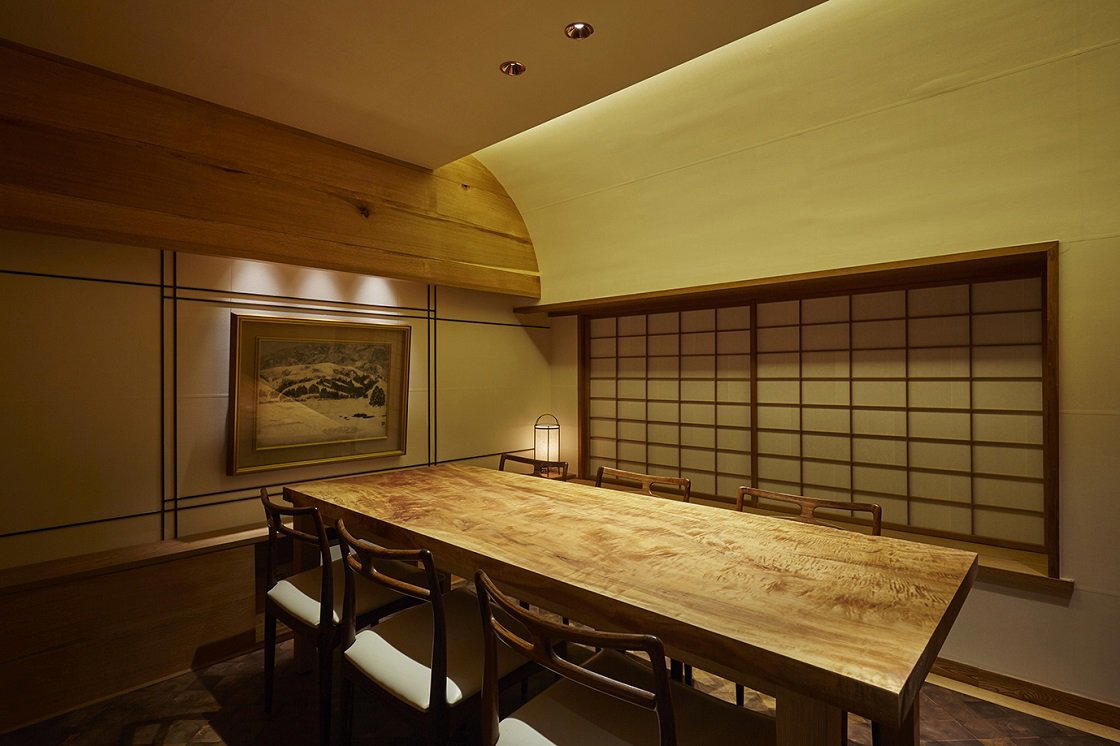
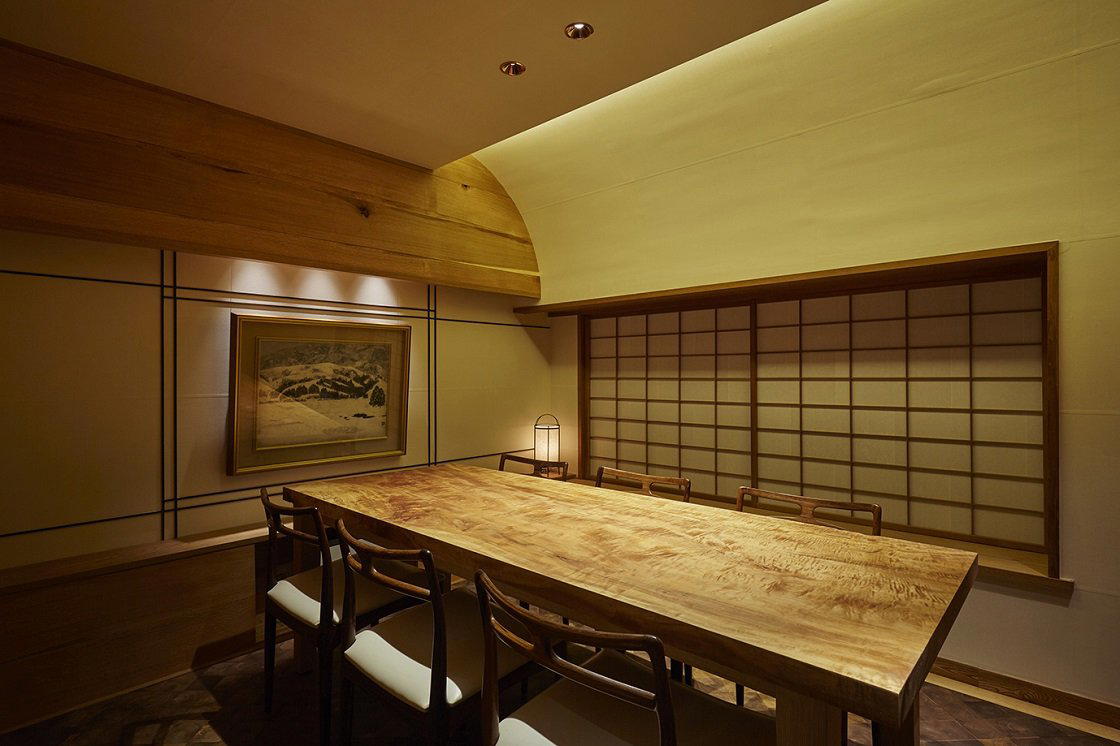
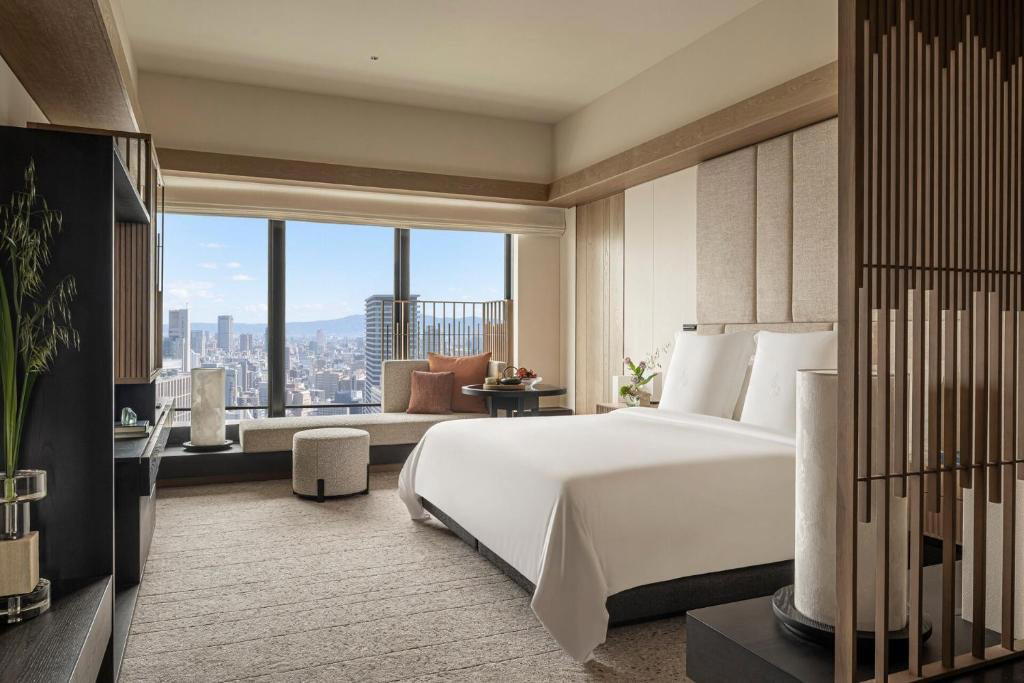
Zen-inspired Japanese decor in a traditional-style setting with antique tableware collected by the chef and his wife, creating a rich and refined atmosphere.