
Gambero Rosso 1 Forchetta
Our verdict
AURELIO occupies a quietly considered address in Shibuya's Maruyamacho district, where the dining ritual carries as much weight as what arrives on the plate. The room sits within one of Tokyo's more deliberately paced neighbourhoods, drawing a crowd that treats dinner as an extended exercise in attention. For visitors mapping Tokyo's serious dining tier, it belongs on the same circuit as the city's most deliberate tables.

Pearl is the En Primeur Club membership app, where members save venues, book tables and use the concierge.
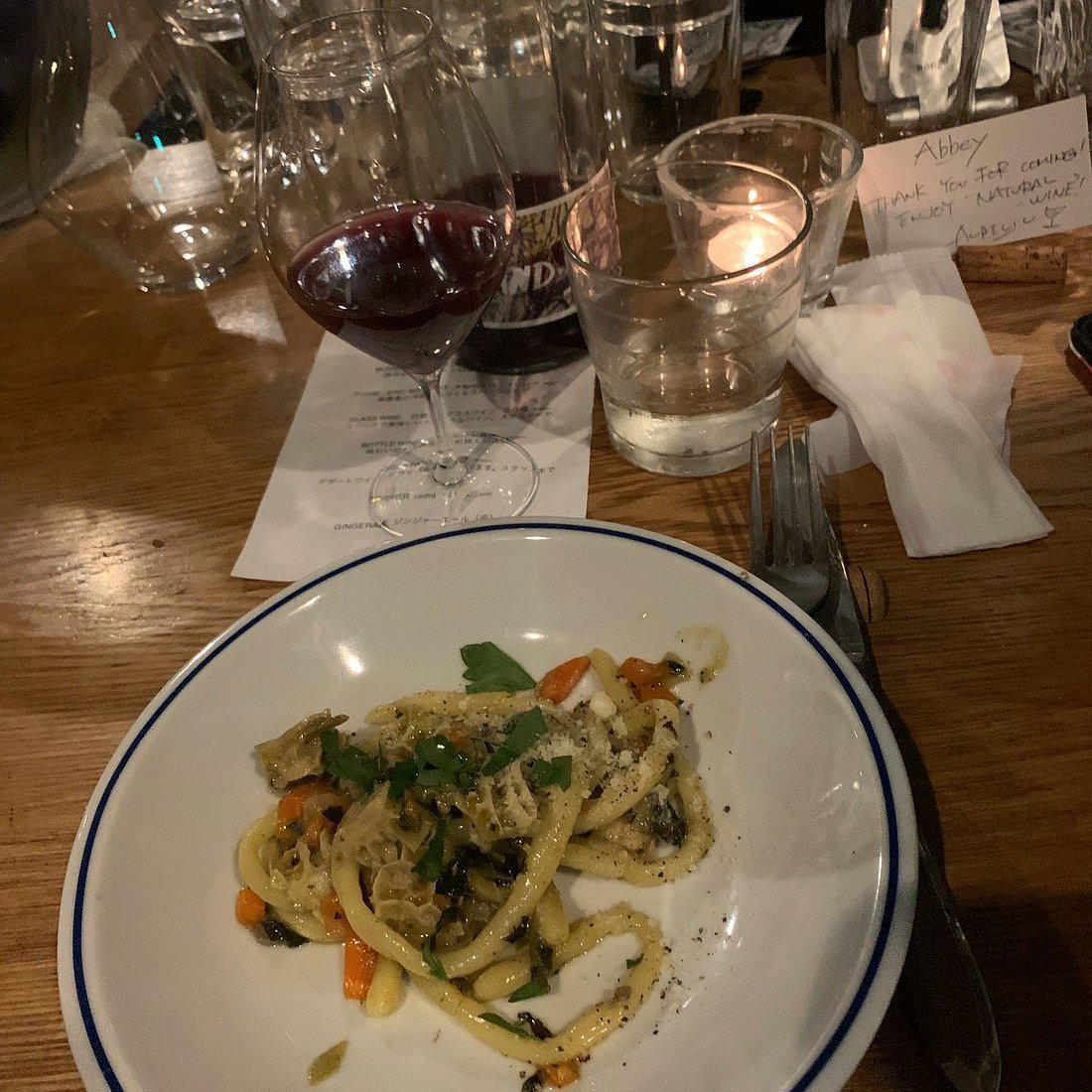
The menu
What to order
- Burrata with potato purée
- Asparagus with fried egg
- Handmade pasta
The Ritual Before the First Course
Maruyamacho, the pocket of Shibuya that sits just uphill from the main scramble, has a different rhythm from the district's busier arteries. The streets narrow, the signage quiets, and the restaurants that occupy this part of the neighbourhood tend to attract guests who have planned their evening rather than stumbled into it. AURELIO, at 16-1 Maruyamacho, sits within this context: a Shibuya address that reads less like a nightlife district than a serious dining one, where arriving is already part of the experience.
Tokyo has developed a particular grammar around the high-commitment dinner. The reservation is made weeks or months ahead. The arrival time is precise. The meal unfolds at a pace set by the kitchen, not the diner. This is not merely cultural custom, it is the architecture of how the city's most considered restaurants operate, and AURELIO occupies that world. Guests who approach the evening with the same deliberateness the kitchen brings to its work will extract the most from it.
Where Shibuya's Dining Tier Actually Sits
Shibuya as a dining destination is often underestimated relative to Ginza or Minami-Aoyama, but the neighbourhood's upper tier has quietly deepened over the past decade. The Maruyamacho and Dogenzaka slopes in particular have attracted restaurants that operate with the precision and ambition more commonly associated with Roppongi or the Marunouchi corridor. AURELIO's address places it inside this quieter, more residential-feeling pocket of a ward most visitors associate with the crossing and the crowds below.
The relevant comparison set for a restaurant at this level in Tokyo is not geographic so much as operational. Tables like L'Effervescence in Nishi-Azabu and Sézanne in the Four Seasons at Marunouchi have established that Tokyo's appetite for technically demanding, produce-driven cooking extends well beyond traditional Japanese formats. Crony in Shinjuku represents a younger, more informal expression of the same instinct. AURELIO enters this conversation from a Shibuya base, which gives it a neighbourhood character distinct from the hotel-adjacent or gallery-district tables it might otherwise be grouped with.
The Dining Ritual: Pacing, Attention, and What the Room Asks of You
The customs that govern a serious dinner in Tokyo are worth understanding before you arrive. Counter seating, where it exists, is not incidental: it positions the diner as witness to the kitchen's process, collapsing the distance between preparation and consumption that most Western restaurant formats maintain. Even at tables, the expectation in this tier is that the meal proceeds in stages, that conversation with staff is substantive rather than transactional, and that the kitchen's sequencing is accepted rather than negotiated.
This is a city where the ten-course progression and the twenty-course omakase coexist, and where the distinction between them is less about volume than about intention. At the level AURELIO occupies in Maruyamacho, the pacing of the meal is itself an editorial statement. Courses arrive when the kitchen judges them ready. The rhythm is unhurried in a way that requires a corresponding unhurriedness from the guest. Diners who have spent an evening at RyuGin in Roppongi or at Harutaka in Ginza will recognise this mode immediately.
The same dining culture is visible across Japan's other serious restaurant cities. HAJIME in Osaka applies it within a French framework of considerable technical ambition. Gion Sasaki in Kyoto holds it within kaiseki's seasonal logic. akordu in Nara works with it across a format that draws on both European and Japanese sensibilities. What links these rooms is not cuisine type but the shared understanding that the meal is a duration, not a transaction.
Tokyo's Broader Dining Intelligence
For those constructing a serious eating itinerary across Japan, the discipline of booking ahead is non-negotiable at this tier. Tokyo's leading tables routinely require reservations placed two to three months in advance, and Shibuya's more considered restaurants are no exception to that pattern. The city's dining scene has also shifted in recent years toward slightly smaller operations: fewer grand rooms, more focused counters and intimate dining formats where the host-to-guest ratio is high and the experience is correspondingly personal.
Beyond Tokyo, the same appetite for committed, produce-led dining extends to less-covered addresses. Goh in Fukuoka works in this register from a city that rewards the detour. Abon in Ashiya and affetto akita in Akita represent the reach of serious cooking into prefectures that most international visitors skip entirely. Aji Arai in Oita, Ajidocoro in Yubari District, and Akakichi in Imabari each make a case for extending the itinerary beyond the obvious cities. aki nagao in Sapporo does the same for Hokkaido's capital, where the produce argument for serious cooking is particularly compelling given the island's agricultural depth.
For the international traveller calibrating expectations, it is worth noting how Tokyo's dining ritual compares to equivalents elsewhere. The tasting menu format that defines rooms like Le Bernardin in New York City or Lazy Bear in San Francisco shares structural DNA with what Tokyo's leading tables do, but the cultural context differs in ways that affect the guest experience. In Tokyo, silence at the counter is not awkward; it is attentive. The tempo of service is slower by design. The assumption is that the guest has come to pay attention, not to be entertained.
For the full picture of where AURELIO sits within Tokyo's current restaurant generation, our full Tokyo restaurants guide maps the city's dining tiers by neighbourhood and format.
Know Before You Go
- Address: 16-1 Maruyamacho, Shibuya, Tokyo 150-0044, Japan
- Neighbourhood: Maruyamacho, Shibuya, quieter upper section of the ward, above the main scramble
- Nearest Station: Shibuya Station (multiple lines), short walk uphill toward Maruyamacho
Frequently asked questions
Where is AURELIO in Tokyo?
AURELIO is located at 16-1 Maruyamacho, Shibuya, Tokyo 150-0044, Japan, Tokyo.
Where exactly is AURELIO in Shibuya, and how does the location affect the experience?
AURELIO is at 16-1 Maruyamacho, Shibuya, a street that sits uphill from the main scramble and carries a noticeably slower rhythm than the district's commercial centre. That physical remove from the Shibuya station corridor is relevant: restaurants that choose Maruyamacho tend to rely on intent rather than foot traffic, which shapes the clientele and, by extension, the atmosphere inside. Plan your route before you go; the address is specific and the neighbourhood does not announce itself.
What do regulars order at AURELIO?
At this tier in Tokyo's Shibuya dining scene, the kitchen typically dictates the direction rather than the guest. Arriving without a fixed expectation is the more useful posture.
Do they take walk-ins at AURELIO?
Serious Tokyo counters at this address level in Maruyamacho routinely require advance reservation, often weeks out. Contacting the venue directly before you arrive is the only reliable approach.
What's the defining dish or idea at AURELIO?
What the Maruyamacho address establishes is context: this pocket of Shibuya draws restaurants that prioritise precision over volume. The venue's positioning within that neighbourhood suggests a focused, considered format rather than a broad menu.
Is AURELIO good for vegetarians?
In Tokyo's higher-end dining tier, vegetarian requirements are best communicated at the point of reservation, kitchens at this level in Shibuya generally prefer advance notice rather than in-service adaptation.
Should I splurge on AURELIO?
What the Maruyamacho location does confirm is that AURELIO operates within one of Shibuya's more deliberate dining pockets, where the room-to-table ratio is typically small and the experience structured. If that format aligns with your priorities for a Tokyo dinner, the geography alone filters out casual visits.
Comparable Options
| Venue | Cuisine | Price | Awards | Notes |
|---|---|---|---|---|
| AURELIOThis venue (the venue you are viewing) | Modern Italian Handmade Pasta & Wine Bar | $50–100 | Gambero Rosso 1 Forchetta | Not listed |
| Harutaka | Edo-Style Omakase Sushi | $200–300 | 3 Michelin Stars · World's 50 Best #76 | Sushi |
| L'Effervescence | Modern French with Japanese Influences | $200–300 | 3 Michelin Stars · World's 50 Best #69 | French |
| RyuGin | Modern Kaiseki | $500+ | 3 Michelin Stars · World's 50 Best #41 | Kaiseki, Japanese |
| Crony | Modern French with Japanese Influences | $150–200 | 2 Michelin Stars · World's 50 Best #34 | Innovative, French |
| Den | Modern Japanese Kaiseki | $150–200 | 2 Michelin Stars · World's 50 Best #51 | Innovative, Japanese |
Recognition history
Dated appearances from independent guides and award organizations, with the underlying list record or original source where available.
Gambero Rosso 1 Forchetta
Gambero Rosso
Continue exploring
More in Tokyo
Restaurants in Tokyo
All restaurants in Tokyo →



Bars in Tokyo
All bars in Tokyo →





Details
- Intimate
- Sophisticated
- Elegant
- Date Night
- Special Occasion
- Casual Hangout
- Standalone
- Open Kitchen
- Extensive Wine List
- Sommelier Led
- Local Sourcing
- A La Carte
- Counter Dining
- Wine
- Natural Wine
- Allergy Accommodating
Current opening hours
- Monday
- 3–11 PM
- Tuesday
- Closed
- Wednesday
- Closed
- Thursday
- 3–11 PM
- Friday
- 3–11 PM
- Saturday
- 3–11 PM
- Sunday
- 3–11 PM
Hours can change for holidays and private events. Hours as of .
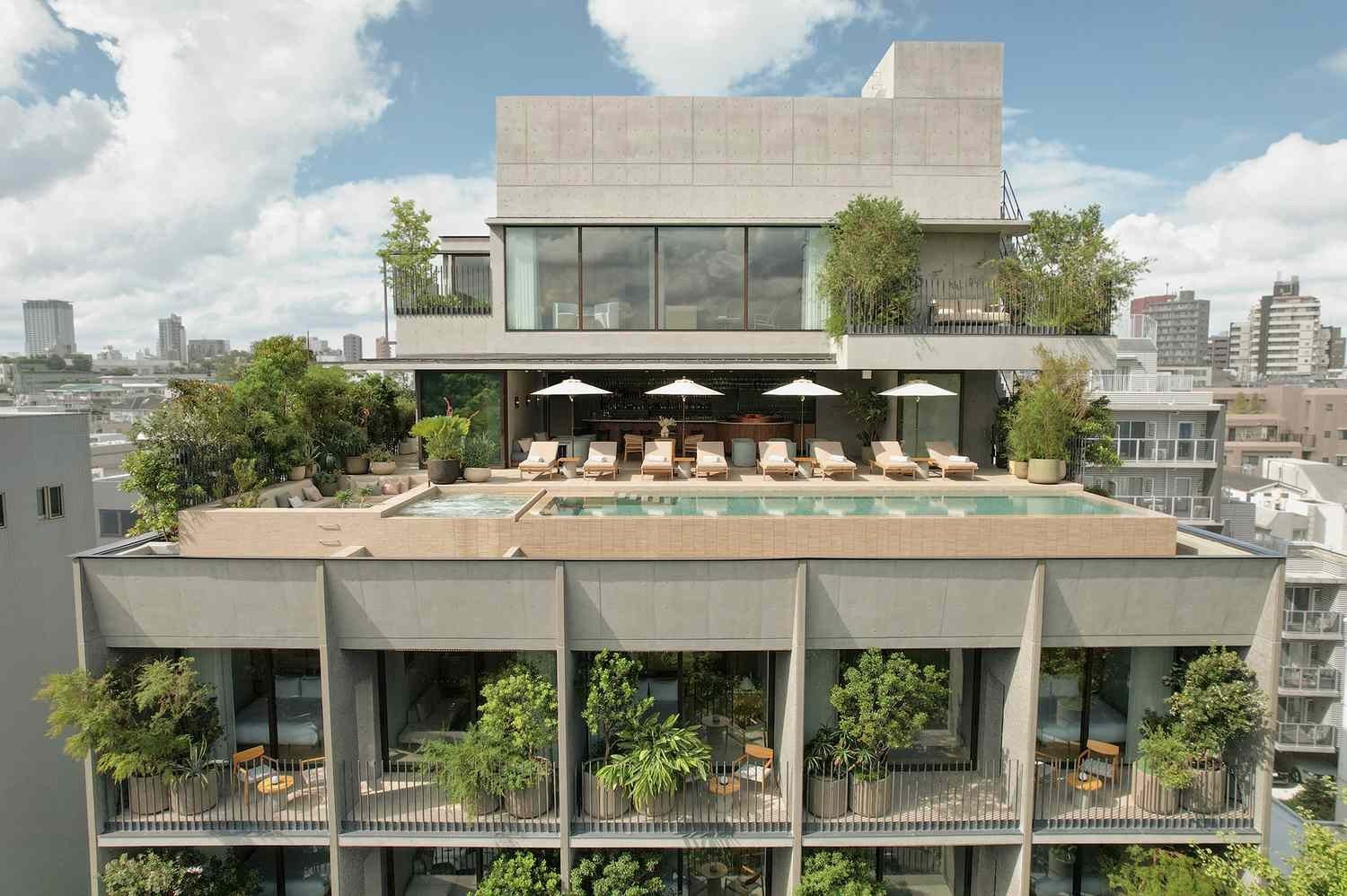
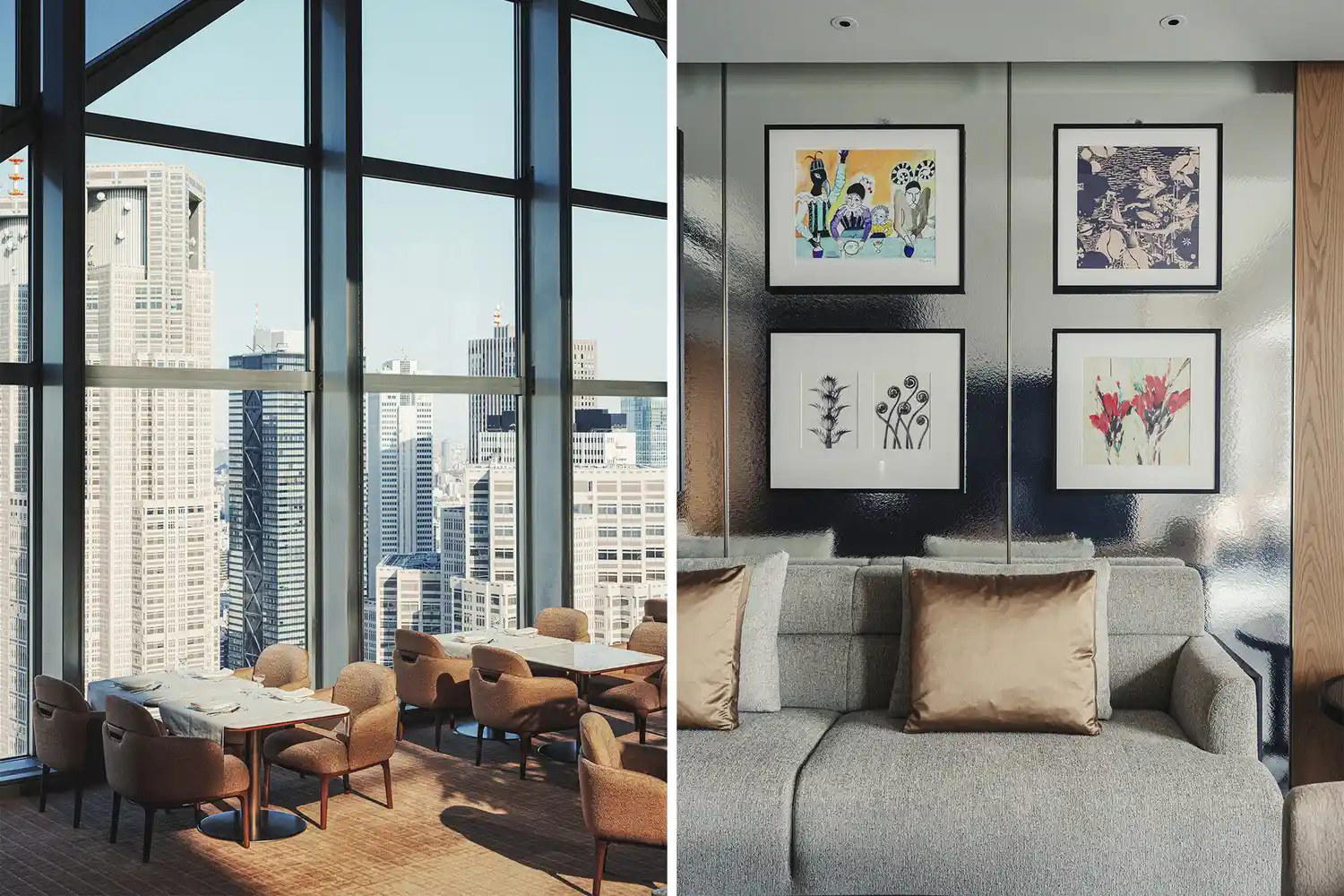
Intimate, understated setting in a residential pocket of Shibuya away from the main station chaos; designed for attentive, unhurried dining with emphasis on the dining ritual itself.