Trattoria Buca Massimo sits in Tomioka, Koto City, a neighbourhood better known for its proximity to the old Fukagawa district than for Italian dining. The address alone signals a deliberate departure from Tokyo's restaurant-dense corridors, placing this trattoria in a quieter residential pocket where the cooking, rather than the postcode, does the work.
Pearl is the En Primeur Club membership app — saves, bookings, and concierge access live there. Same editors, same standards.
- Address
- 1 Chome-24-11 Tomioka, Koto City, Tokyo 135-0047, Japan
- Phone
- +81358099022
- Website
- bucamassimo.jp
- Directions
- Get directions
 Saves & bookings on Pearl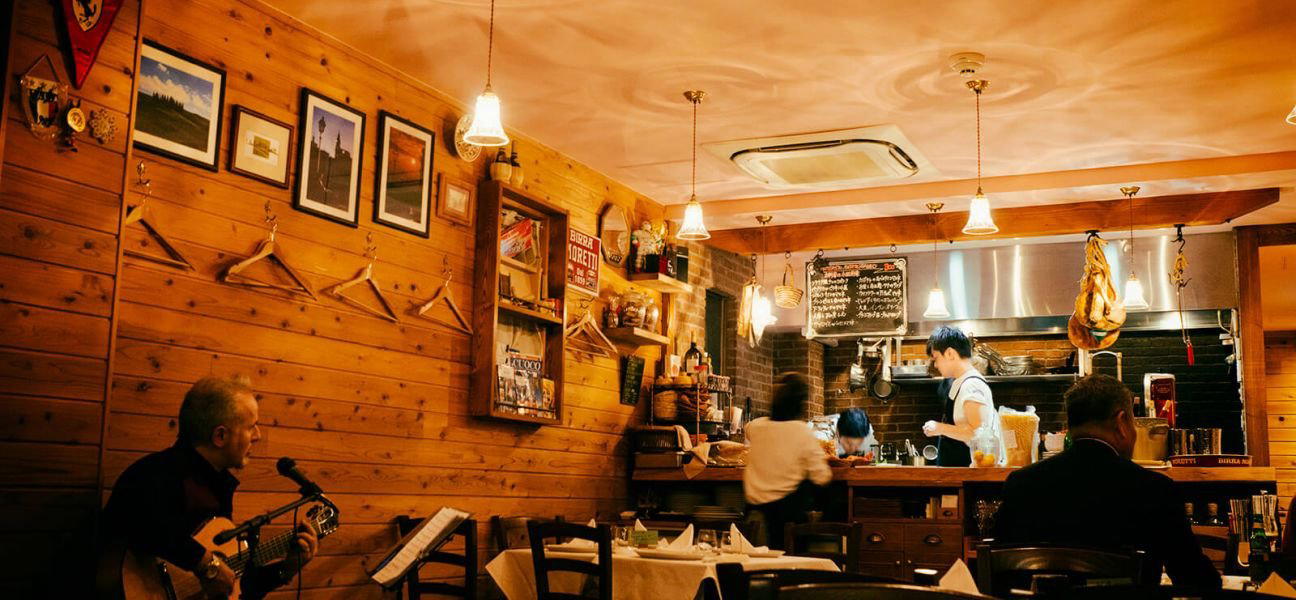
Koto City and the Logic of Eating Off-Centre
Tokyo's Italian dining scene has consolidated, over the past two decades, around a handful of predictable corridors: Minami-Aoyama, Nishi-Azabu, Ginza's mid-blocks. Trattoria Buca Massimo is an authentic Tuscan trattoria in Tomioka, Koto City, Tokyo, priced at about $70 per person. Premium tratorrie and ristoranti cluster where money and foot traffic intersect, which means the address of Trattoria Buca Massimo, 1 Chome-24-11 Tomioka, Koto City, registers as a deliberate act of positioning. Koto City sits east of the Sumida River, in a part of Tokyo that retains the texture of older shitamachi without the self-consciousness that now attaches to places like Yanaka. Tomioka, in particular, borders the Fukagawa area, a district with deep Edo-period roots in craftwork, river trade, and working-class pragmatism. Restaurants that open here are not trading on neighbourhood cachet; they are making a bet on the food itself.
That east-of-the-river geography has real consequences for the dining experience. It draws repeat visitors rather than first-timers, locals rather than hotel concierge referrals, and regulars who have made a conscious decision to cross the river. In Italian dining specifically, a category where hospitality warmth and return-visit familiarity matter as much as technique, this geography tends to produce a particular kind of room: quieter, more settled, less performative than the same cuisine offered in a higher-visibility district.
Italian Cooking in the Tokyo Framework
Italy's regional cooking traditions have found serious, technically literate practitioners in Japan, particularly in Tokyo, where the concentration of Michelin-starred Italian restaurants rivals any European city outside Italy itself. The city now sustains a full spectrum from fine-dining Italian to neighbourhood trattorie where pasta is made daily and the wine list runs to three pages rather than thirty. Buca Massimo, by its name and format, trattoria, not ristorante, signals a positioning within that spectrum that prioritises informality and directness over ceremony.
The trattoria model in Italy sits below the ristorante in formality and above the osteria in menu breadth, though those distinctions have blurred considerably since the 1990s. In Tokyo, the term carries specific weight: a trattoria label tends to signal a shorter, more seasonal menu, table-service without the choreography of fine dining, and a price point that makes weekly visits viable rather than occasional. It is the format that has produced some of Tokyo's most consistent Italian cooking, precisely because it demands that the kitchen perform well on fundamentals rather than rely on theatrical presentation to carry the room.
The Neighbourhood as Dining Context
Arriving at Tomioka from central Tokyo requires either a direct ride on the Tōzai Line to Monzen-Nakacho or a short walk from adjacent stations depending on the starting point. Monzen-Nakacho itself is one of Tokyo's more characterful residential hubs, dense with izakayas, small bars, and old-school ramen shops that serve the neighbourhood rather than the guidebook circuit. The contrast between that local eating culture and a trattoria bearing an Italian name is part of what makes the address interesting: it is a European restaurant format operating in an environment that applies Japanese standards of craft, precision, and hospitality consistency.
That combination, European culinary tradition executed within a Japanese service culture, has produced some of Tokyo's most quietly impressive restaurants across multiple categories. The discipline applied to sourcing, preparation, and consistency in a mid-tier Tokyo trattoria frequently exceeds what the equivalent price point delivers in European cities. Arriving on time and trusting the kitchen's seasonal choices remain the baseline expectations for dining in this part of the city.
Placing Buca Massimo in Its Competitive Set
Tokyo's Italian dining tier spans from the internationally recognised formal houses to neighbourhood-level tratorrie where the model is about daily cooking and regular clientele. At the formal end, venues like L'Effervescence and Sézanne operate at the high-ceremony level of international fine dining. RyuGin represents the kaiseki end of Tokyo's high-commitment dining, while Harutaka anchors the premium sushi tier. Crony occupies an innovative French position at the ¥¥¥¥ bracket.
A trattoria in Koto City operates in a different register entirely, closer in spirit to the neighbourhood-level dining that sustains daily eating culture across Tokyo's residential wards. The comparison that matters is not with Michelin three-star French or kaiseki, but with the city's broader population of serious mid-level Italian restaurants that have built reputations through consistency, seasonal sourcing, and a room that rewards return visits. For readers exploring the wider Japanese restaurant circuit, comparable seriousness at the neighbourhood level appears at destinations like Bistro Ange in Toyohashi and Birdland in Sakai, both of which demonstrate how Japan's regional cities sustain committed European-format cooking outside the metropolitan spotlight.
Internationally, the standard of execution that Tokyo applies to the trattoria format invites comparison with serious neighbourhood Italian across other major cities. Le Bernardin in New York City operates at the opposite end of the formality scale, while Atomix represents the kind of tasting-menu precision that Tokyo's own high-end Korean and fusion kitchens also pursue. The trattoria sits deliberately apart from those reference points, making its case through daily repetition rather than singular set-piece dining.
Japan Beyond Tokyo
Readers with time to extend beyond the capital will find the same commitment to European culinary traditions executed with Japanese precision at a handful of regional addresses. HAJIME in Osaka represents the high end of that regional spectrum. Gion Sasaki in Kyoto and akordu in Nara demonstrate how smaller cities have developed serious dining identities. Further afield, Goh in Fukuoka anchors the Kyushu end of Japan's restaurant circuit, while regional addresses like 一本木 恵川製 in Nanao, 夕仙山乃 in Sapporo, 湖畔庵 in Takashima, and 嵐羽庵 in Nishikawa Machi show the depth of serious cooking that exists far outside the Tokyo-Kyoto axis.
Planning a Visit
| Detail | Buca Massimo (Tomioka, Koto) | Typical Minami-Aoyama Italian | Typical Ginza Italian (¥¥¥¥) |
|---|---|---|---|
| Neighbourhood character | Residential east Tokyo, shitamachi-adjacent | High-visibility fashion district | Luxury retail corridor |
| Format | Trattoria (informal) | Varies: trattoria to ristorante | Predominantly ristorante/omakase |
| Typical advance booking needed | Recommended | 1-3 weeks | 1-3 months |
| Transit access | Tōzai Line, Monzen-Nakacho is the nearest practical access point | Ginza/Omotesando lines | Ginza/Hibiya lines |
Comparable Venues
Comparable venues nearby, for context on price, style, and recognition.
| Venue | Cuisine | Price | Notes |
|---|---|---|---|
| トラットリア ブカ・マッシモThis venue — the venue you are viewing | Authentic Tuscan Trattoria | $$$ | Not listed |
| Alporto | Italian Kaiseki | $$$ | Minato |
| LA BISBOCCIA | Authentic High-End Italian Trattoria | $$$ | Shibuya |
| リナシメント | Modern Italian Fine Dining | $$$ | Meguro |
| AURELIO | Modern Italian Handmade Pasta & Wine Bar | $$$ | Shibuya |
| PEGASO | Modern Italian with Japanese influences | $$$ | Minato |

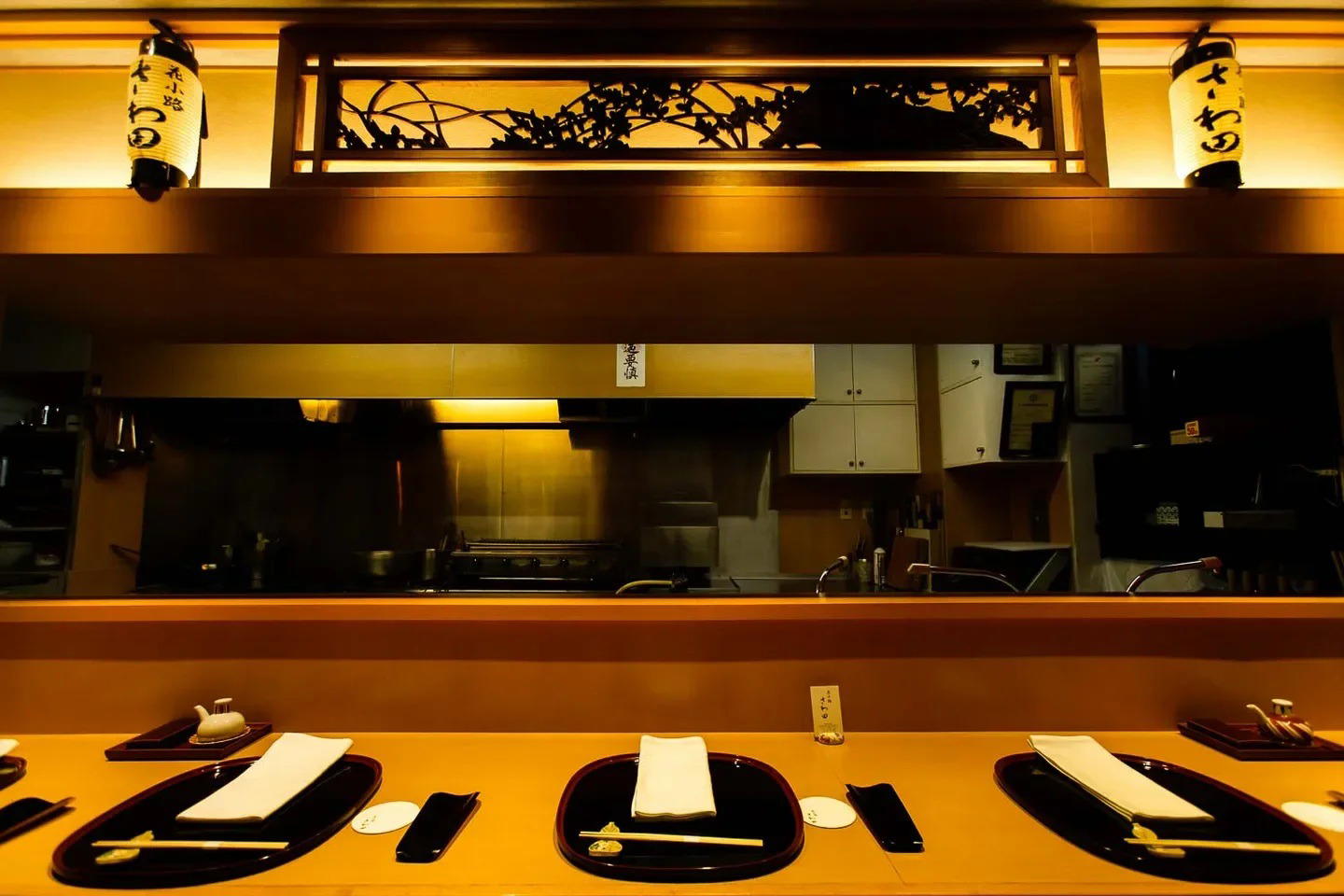

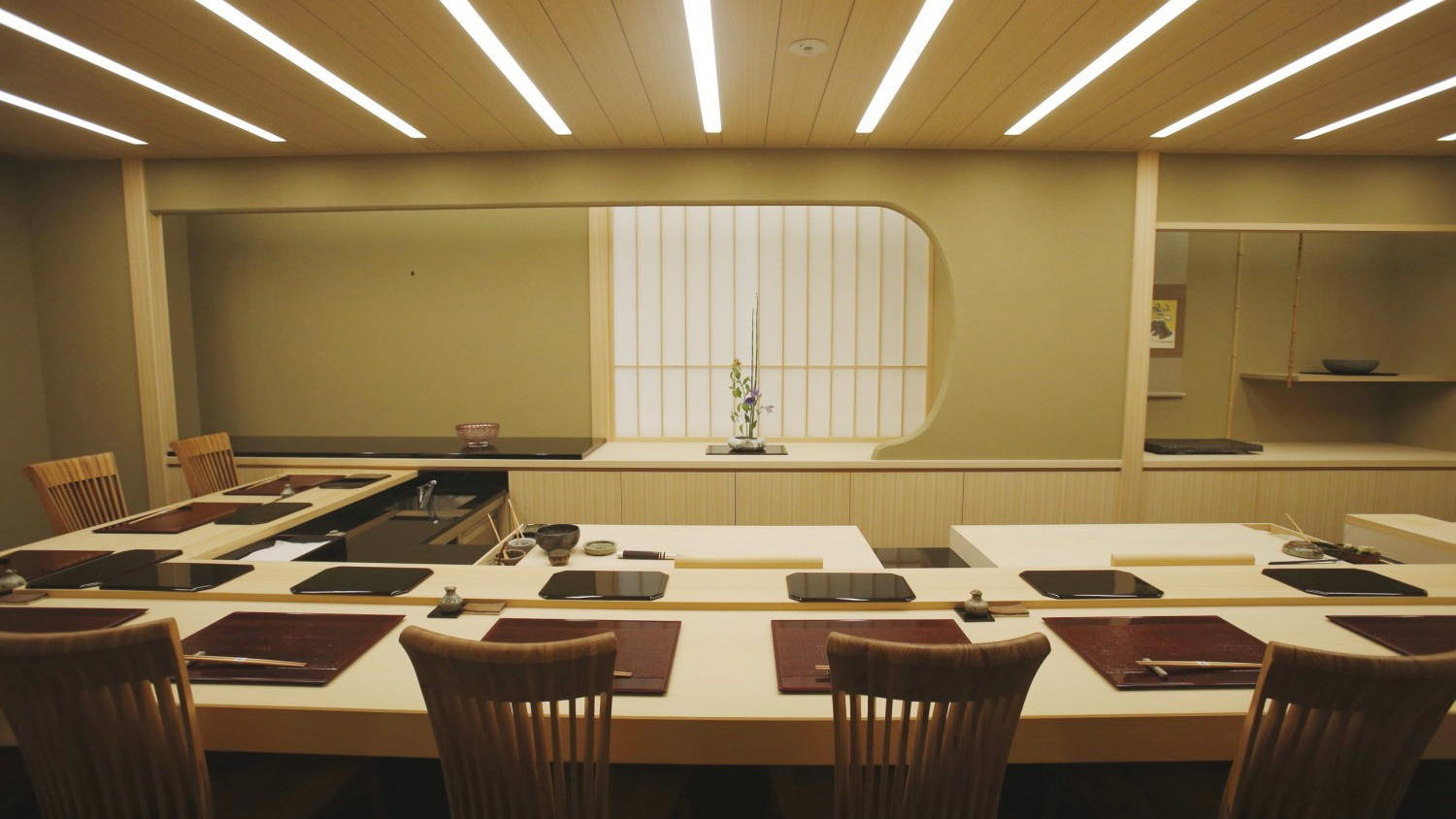
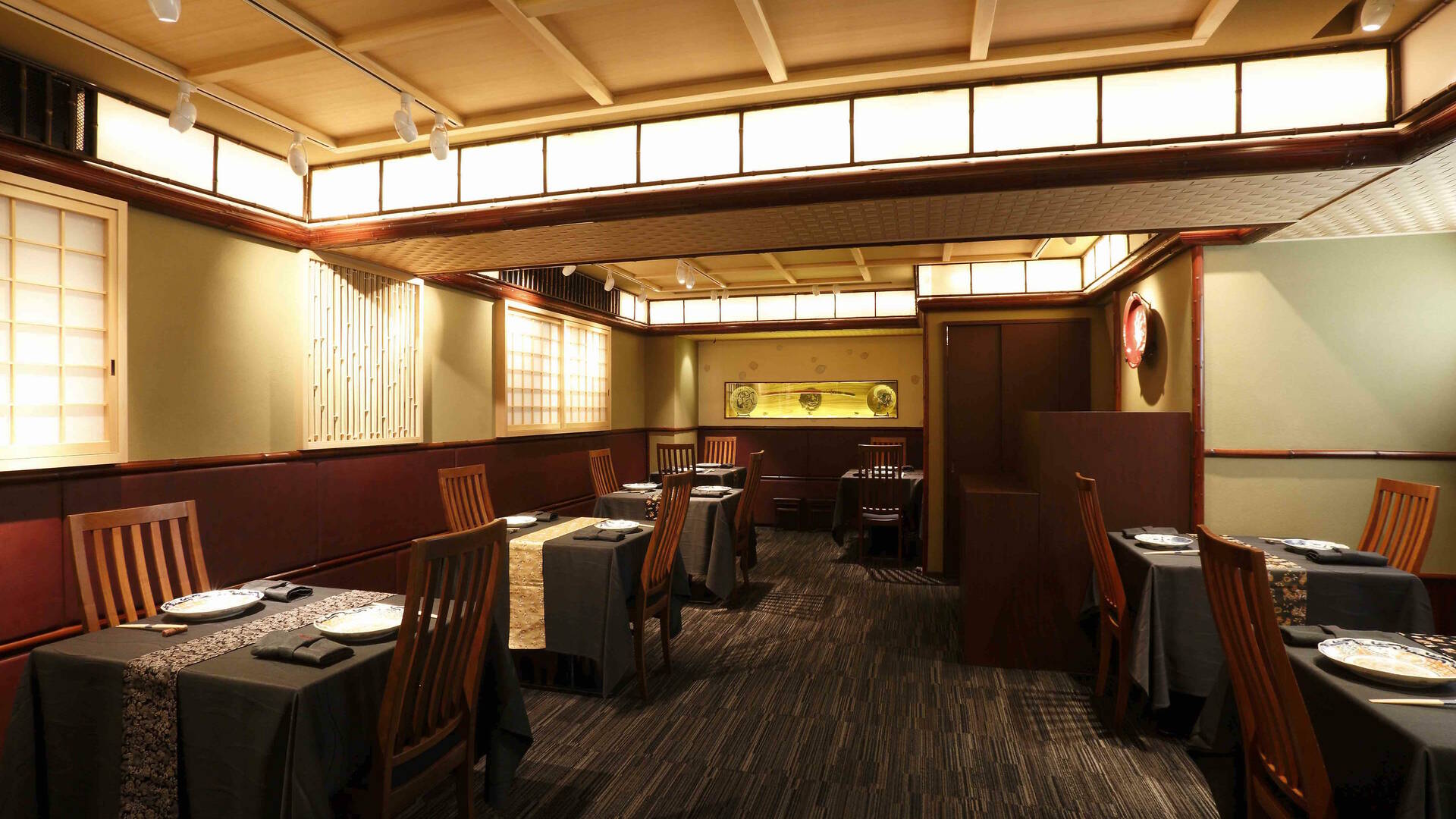


At a Glance
- Cozy
- Intimate
- Rustic
- Classic
- Date Night
- Special Occasion
- Open Kitchen
- Local Sourcing
Current opening hours
- Monday
- Closed
- Tuesday
- Closed
- Wednesday
- 5:30–8:30 PM
- Thursday
- 5:30–8:30 PM
- Friday
- 5:30–8:30 PM
- Saturday
- 12–3 PM, 5:30–7:30 PM
- Sunday
- 12–3 PM, 5:30–7:30 PM
Hours can change for holidays and private events. Last verified .
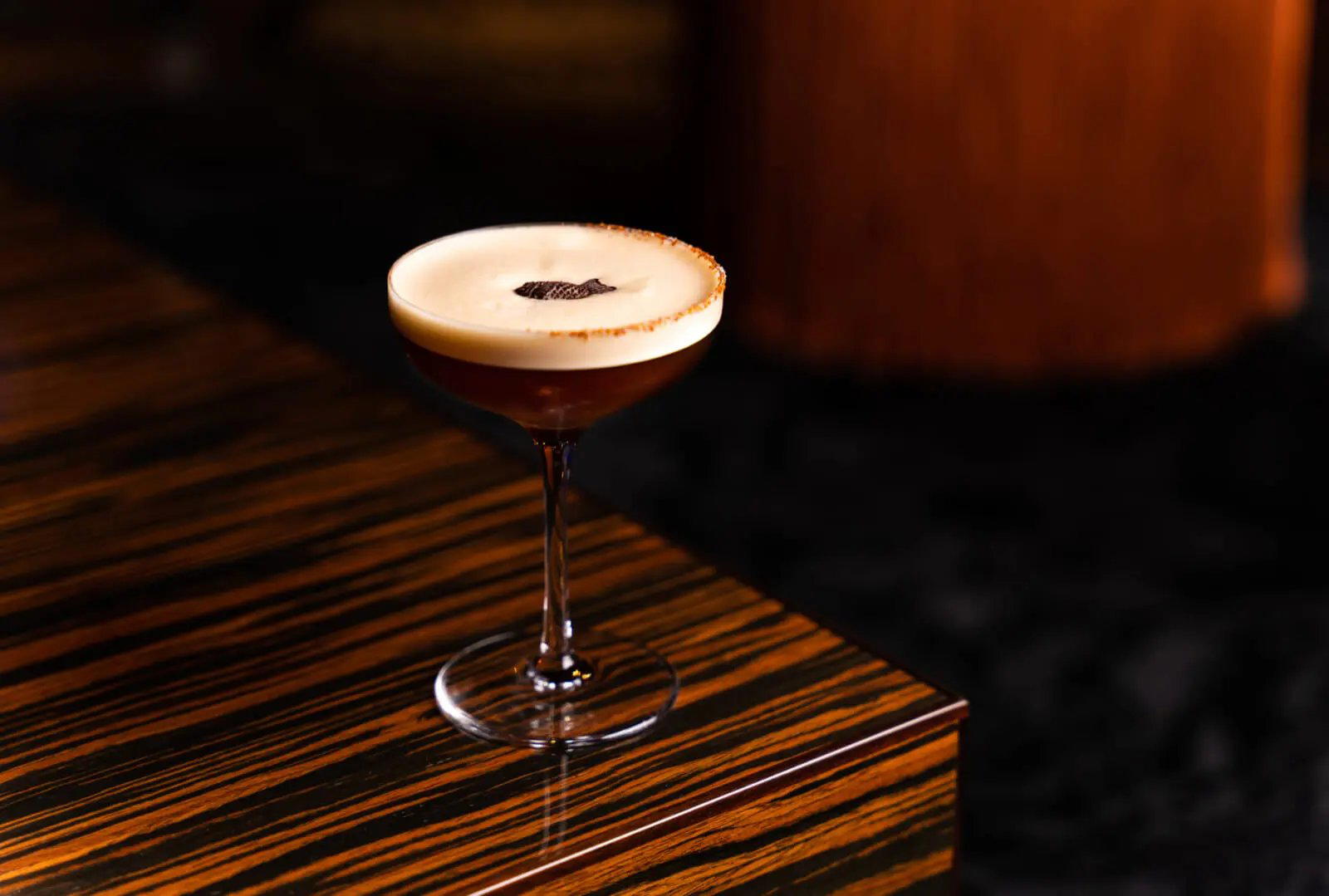
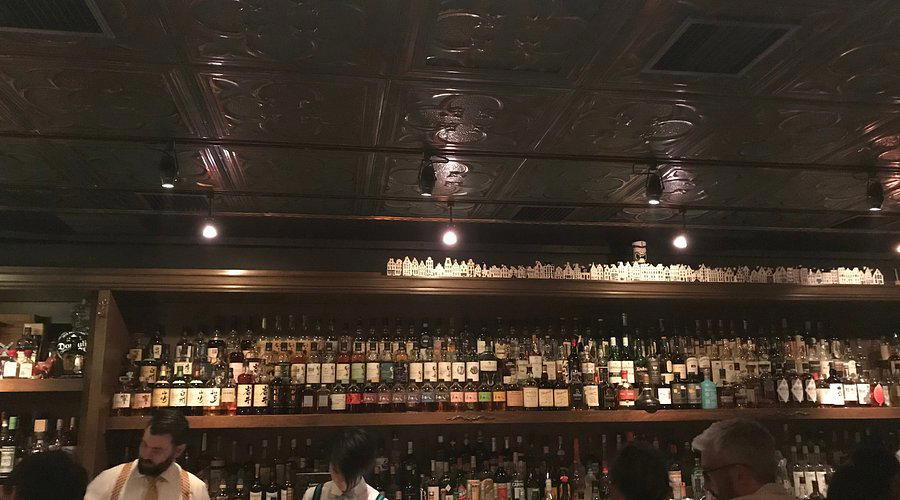
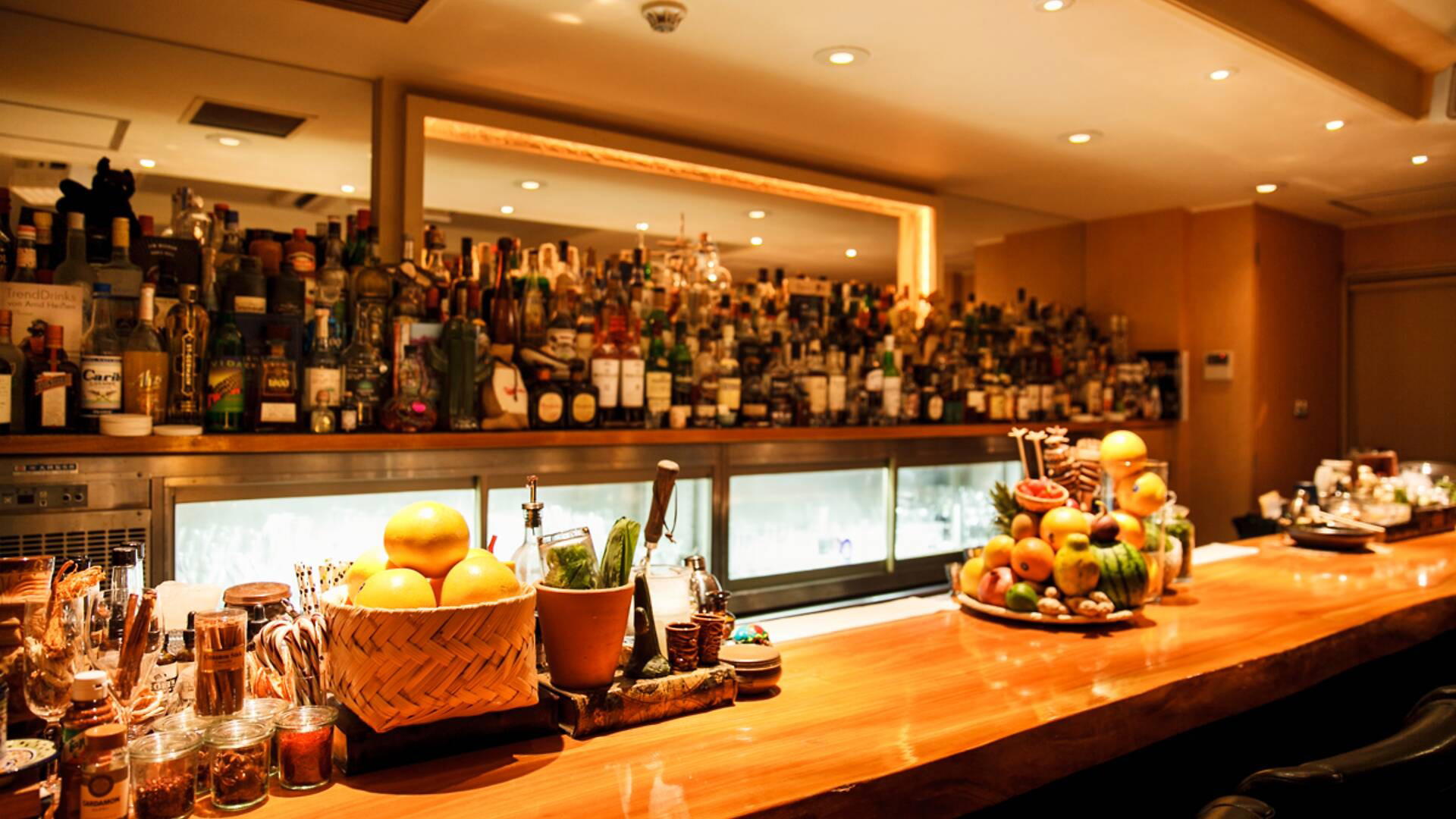
Warm, inviting, and cozy atmosphere resembling an Italian backstreet trattoria with an at-home casual feel.