
LA MARGHERITA puts Tokyo’s Italian cooking conversation in a quieter register: wine-led, reservation-only, and rooted in Ota rather than the central luxury districts. Its Tabelog Italian TOKYO 100 selections in 2023 and 2025 place it among the city’s serious Italian addresses, with a format that asks diners to treat wine as part of the meal rather than an optional extra.
Pearl is the En Primeur Club membership app — saves, bookings, and concierge access live there. Same editors, same standards.
- Address
- 2 Chome-39-5 Nishirokugo, Ota City, Tokyo 144-0056, Japan
- Phone
- +81 3-3737-7877
- Website
- tabelog.com
- Directions
- Get directions
 Saves & bookings on Pearl
Approaching Nishirokugo changes the terms of a Tokyo Italian dinner. The city’s louder dining mythology usually gathers around Ginza counters, Aoyama dining rooms, or Ebisu wine bars, but this pocket of Ota works at a different tempo: residential streets, local station rhythms, and restaurants that depend less on spectacle than on repeat trust. LA MARGHERITA belongs to that smaller Tokyo category where Italian technique is filtered through Japanese expectations of season, restraint, and product discipline, then anchored by wine rather than by a chef’s public persona.
Tokyo has spent decades absorbing Italian cooking with unusual seriousness. Pasta, wood-fired pizza, regional trattoria cooking, and tasting-menu Italian all have deep audiences here, but the more interesting tier is not simply “Italian in Japan.” It is the point where imported culinary grammar meets Japanese sourcing habits and service precision. LA MARGHERITA’s recognition in Tabelog Italian TOKYO 100 in both 2023 and 2025 matters because that list is local and category-specific; it places the restaurant within Tokyo’s Italian conversation rather than in a generic fine-dining bracket.
Italian technique, Japanese dining discipline, and wine as the structure
The useful way to read this restaurant is as a wine restaurant first and an Italian restaurant second, not because the cooking is secondary, but because the format frames the meal around drinking as a condition of participation. That detail separates it from the city’s casual pasta rooms and pizza counters. In Tokyo, wine-led Italian dining often carries a different social code: slower pacing, greater attention to sequence, and a menu that has to make sense with bottles rather than stand alone as a parade of dishes.
The local-ingredient, global-technique angle is where Tokyo’s Italian scene has real force. Japanese kitchens tend to treat produce, seafood, and seasonality with a precision that can sharpen Italian formats rather than dilute them. The result, at this level, is not imitation of Rome, Naples, or Piedmont. It is a Tokyo dining language using Italian structure: acidity, grain, olive oil, cheese, broth, char, pasta craft, and wine pairing logic, disciplined by Japanese expectations around balance and timing.
That makes LA MARGHERITA a useful counterpoint to lower-priced neighborhood specialists in and around Ota and Kawasaki. Tonkatsu Aoki Kamata honten and Tonkatsu Aoki no Curry Ya Ippekoppe Kamata honten operate in the everyday comfort-food lane, while Ramen Jiro Keikyu kawasaki ten and Shinjiko Shijimi Chukasoba Kohaku sit in ramen’s faster, narrower format culture. Namake occupies another local price tier altogether. The contrast is not about hierarchy; it is about intent. This room asks for an evening built around wine, while those peers answer a more immediate appetite.
Why Ota changes the reading of the meal
Location matters here because Tokyo diners read geography fluently. A serious Italian address outside the central luxury circuit has to earn attention without the signaling power of a polished hotel lobby or a fashionable shopping street. Ota gives the meal a different frame: less destination theatre, more local conviction. For travelers, that means the restaurant should be understood as part of Tokyo’s broader dining depth, not as a convenient add-on between central sightseeing stops.
The Tabelog score of 3.73 adds another signal. In Tokyo’s user-review culture, numbers in this range, paired with a Hyakumeiten selection, often point toward restaurants with a committed audience rather than broad tourist visibility. The more meaningful credential is the Tabelog Italian TOKYO 100 selection itself, announced for 2025, with prior selection in 2023. It is category recognition in a city where Italian cooking is crowded, competitive, and unusually mature.
The restaurant also sits in a Japanese hospitality context that is stricter than many visitors expect. Non-smoking dining, no private rooms, no private use, no parking, and a no-family note all point toward a narrow adult dining format. Payment limitations also matter in Japan, where small restaurants can remain cash-oriented even at serious price points. Those details are not decorative; they shape who should plan the evening and how much flexibility the table allows.
How it fits into a Tokyo dining itinerary
For a food-focused Tokyo trip, the restaurant makes sense as a contrast dinner rather than as a first-night overview. It is better placed after the traveler has already seen the city’s faster formats: ramen counters, curry shops, yakitori rooms, and casual cafés. EP Club’s wider Tokyo restaurant coverage can help build that contrast, from . 鮪と炭火焼き うお炭 秋葉原店, 12/10 Shinjuku ten, and 124. KAGURAZAKA (Yakitori) to 2D Cafe and 3 Chome no Curry Ya San.
Readers planning beyond one dinner should use the city by category rather than by checklist. Our full Tokyo restaurants guide gives the strongest base for meal planning, while Our full Tokyo hotels guide, Our full Tokyo bars guide, Our full Tokyo wineries guide, and Our full Tokyo experiences guide help set the rest of the trip around where the eating will actually happen.
The broader Japan map also helps clarify what Tokyo Italian is not. It is not the beef-focused comfort of -Grilled beef Sukiyaki- KAMAKURA TANUKIAN 鎌倉 たぬき庵 in Kamakura, the café culture of.cafe in Osaka, the regional pull of.know in Kumamoto, or the focused Vietnamese cooking at (Shoku) Vietnam in Kawasaki. Nor does it share the casual specialist logic of [Curry Senmon Ten] Maruyama Kyoju. in Sapporo or the Kyoto register of [ki:] in Kyoto. Even Japanese dining abroad, from Jōdo Saké Bar in Los Angeles to Onigiri Time in Pasadena, works from a different cultural premise.
The editorial case is clear: this is a narrow-format Tokyo Italian restaurant with local recognition, adult pacing, and wine at the center of the meal. It will not suit diners looking for maximal flexibility or a broad family dinner. It will make more sense to travelers who already understand that Tokyo’s dining strength lies in specialization, and that some of its more revealing meals happen away from the districts that usually dominate international itineraries.
A Tight Comparison
Side-by-side context: comparable cuisine and price.
| Venue | Cuisine | Price | Notes |
|---|---|---|---|
| LA MARGHERITAThis venue — the venue you are viewing | Ōta, Wine-focused Italian restaurant | $$$ | Not listed |
| Partenope Ebisu | Ebisu, Authentic Neapolitan Pizza | $$$ | Not listed |
| Melograno | Not listed | $$$ | Shibuya, Seasonal Italian with Japanese ingredients |
| PST Higashi Azabu | Minato, Modern Neapolitan Pizza | $$$ | Not listed |
| ビオディナミコ | Shibuya, Modern Italian Ristorante | $$$ | Not listed |
| Fakalo pizza gallery | Not listed | $$$ | Taitō, Neapolitan-style Pizza & Seasonal Course Menu |
Recognition history
Dated appearances from independent guides and award organizations, with the underlying list record or original source where available.
Tabelog 100 #12 · No. 12
Tabelog · Tabelog 100 - Italian - TOKYO - 2025









At a Glance
- Intimate
- Cozy
- Classic
- Sophisticated
- Date Night
- Special Occasion
- Business Dinner
- Group Dining
- After Work
- Wine Cellar
- Standalone
- Extensive Wine List
- Sommelier Led
- Natural Wine
Current opening hours
- Monday
- Closed
- Tuesday
- Closed
- Wednesday
- 6–9 PM
- Thursday
- Closed
- Friday
- 6–9 PM
- Saturday
- 6–9 PM
- Sunday
- Closed
Hours can change for holidays and private events. Last verified .
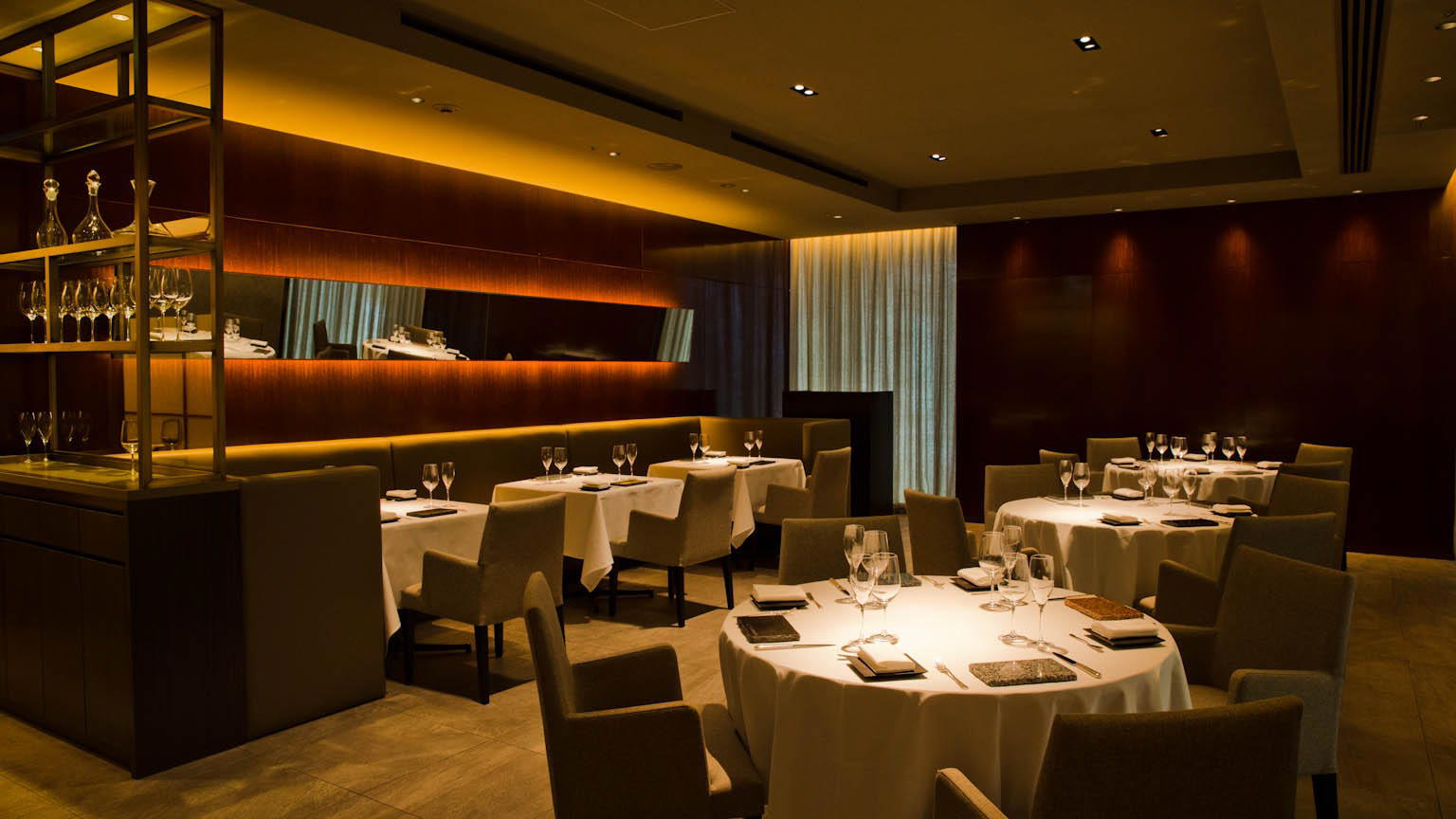
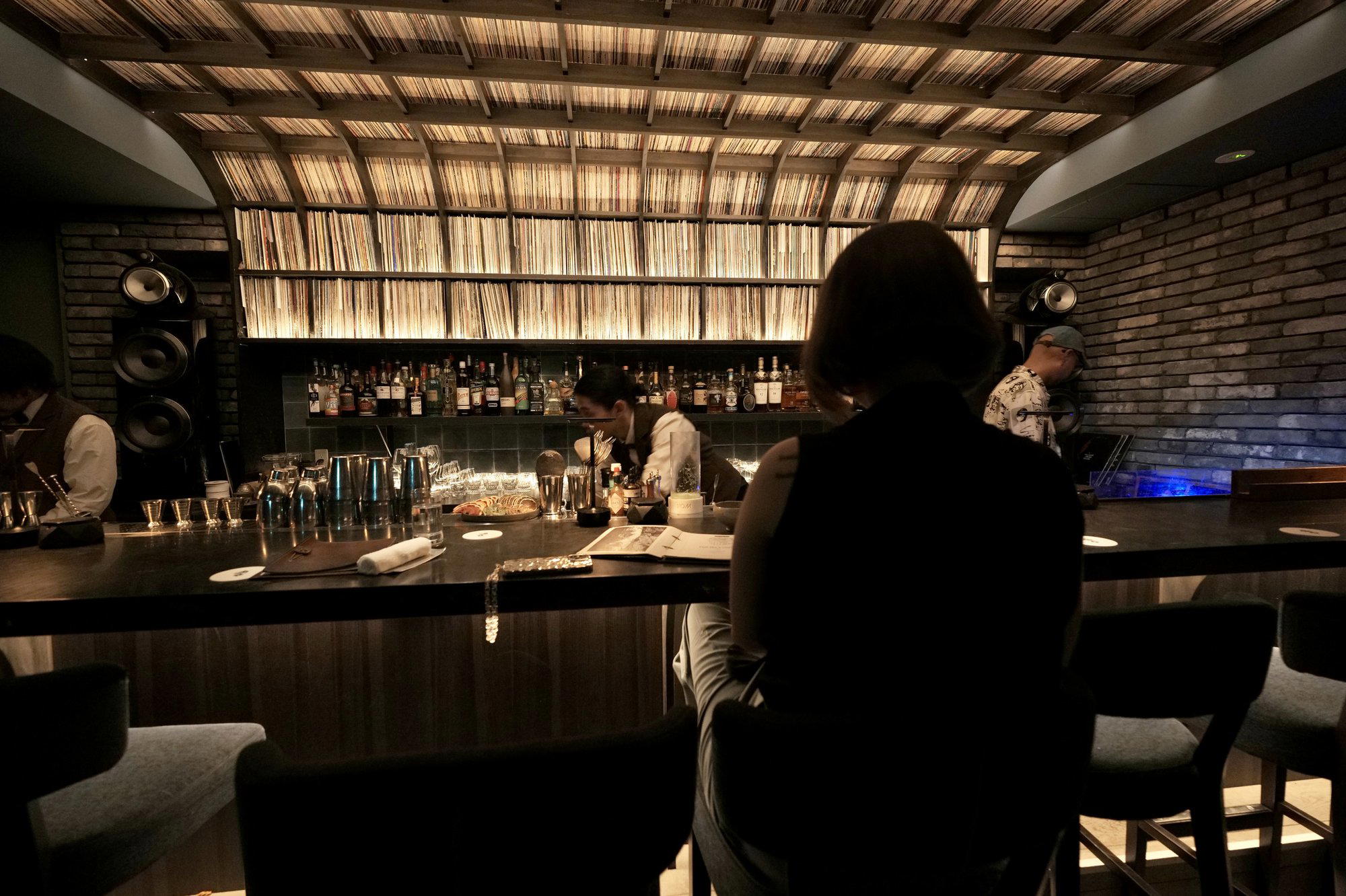
A quiet, residential-area hideaway with limited seating, non-smoking and reservation-only, drawing serious wine lovers for relaxed, conversation-friendly dinners centered on carefully paired Italian dishes and wines.