
Tabelog 100 #19
Our verdict
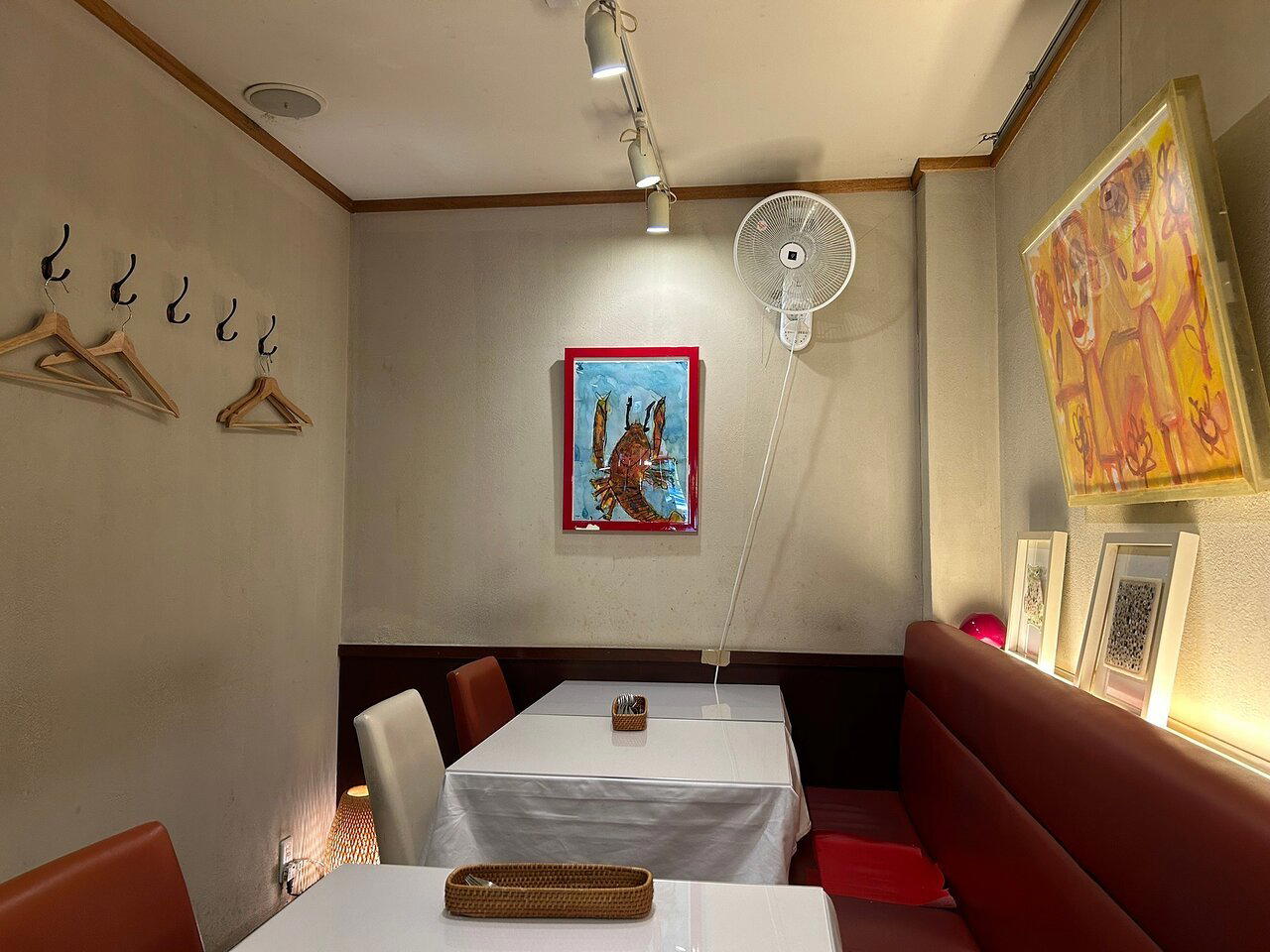
ANTICA OSTERIA CARNEYA focuses on Italian Steak Osteria cooking in Tokyo, with an open kitchen, a sake program, and leisurely pacing that suits lunch or dinner.

Pearl is the En Primeur Club membership app, where members save venues, book tables and use the concierge.
The menu
What to order
- Charcoal-grilled steak platter (5 meats)
- 200 Day-Aged Steak Tartare
Italian Roots in Shinjuku: How a Neighbourhood Osteria Holds Its Ground in Tokyo
The walk into Minamiyamabushicho, one of Shinjuku City's quieter residential arteries, feels less like approaching a destination restaurant and more like arriving somewhere accidental and correct. The ground-floor entrance of the building that houses Antica Osteria Carneya sits away from the Shinjuku nightlife circuit, in a part of the ward where neighbourhood rhythm takes over from commercial noise. That physical positioning is not incidental. It tells you something about what kind of Italian restaurant this is, and what kind of Italian restaurant Tokyo is capable of sustaining.
Tokyo's Italian dining category has undergone significant compression and reinvention over the past two decades. The city once ran on a model of broad-spectrum Italian hospitality: large menus, modest price points, and a strong emphasis on accessibility over precision. That model still exists, but it has been joined by a distinctly different tier, one in which small-room trattorias and osterie operate with the focus and ingredient discipline more commonly associated with Japanese fine dining formats. Antica Osteria Carneya sits in that evolved category, where the osteria format itself has been quietly renegotiated to meet the expectations of a Tokyo dining public that applies serious criteria across cuisines.
The Osteria Format in a City That Rewrites Everything
In its original Italian context, an osteria is defined by informality, seasonal simplicity, and a cooking register that prioritises the local and the handmade over the elaborate. Tokyo has taken that framework and refined it through the lens of Japanese ingredient culture and technical precision. The result, in the venues that execute it well, is a format that retains the warmth and directness of Italian neighbourhood cooking while operating at a level of produce sourcing and preparation that the original format never demanded.
This evolution mirrors what has happened across Tokyo's broader European dining scene. Properties like L'Effervescence and Sézanne have demonstrated that French fine dining in the city can absorb Japanese culinary logic without losing its European identity. The Italian register has followed a similar path, though typically at a less theatrical price point and with fewer tasting-menu constraints. Antica Osteria Carneya's placement in the Shinjuku residential zone rather than the Ginza or Marunouchi fine-dining corridors reflects that positioning: Italian in spirit, precise in execution, and priced against a neighbourhood clientele rather than expense-account traffic.
For comparative reference, Tokyo's upper Italian tier now operates at price points that approach or overlap with the city's French addresses, including venues like Crony. An osteria operating below that ceiling, with the ingredient quality and kitchen discipline the format requires in this city, occupies a specific and competitive niche.
Location as an Editorial Clue
Minamiyamabushicho is not a restaurant district in any conventional sense. It sits within Shinjuku City but draws none of the foot traffic that defines the areas around Shinjuku Station or the izakaya-dense stretches further east. Restaurants that establish themselves here are either neighbourhood institutions built on local loyalty or deliberate choices by operators who have decided that the room and the rent structure matter more than the address's fame. Both scenarios tend to produce a different kind of dining experience than destination-district venues, where table churn and visibility are part of the economics.
That Carneya occupies a ground-floor space in this area suggests a service model oriented around regulars and repeat visitors rather than passing trade. In Tokyo's Italian category, that pattern correlates strongly with a cooking style that changes with the seasons and rewards guests who return at different points in the year. Spring vegetable preparations give way to summer fish and autumn fungi without the menu needing to declare itself seasonal, because the sourcing does that work implicitly.
What Tokyo Demands from Its Italian Kitchens
Any Italian kitchen that has operated in Tokyo long enough to build a neighbourhood identity has had to make decisions about how it positions itself within the city's expectations. Tokyo diners do not apply different standards to non-Japanese cuisines. The same scrutiny directed at a kaiseki counter at RyuGin or a sushi bar at Harutaka flows, in modified form, toward Italian restaurants that want to be taken seriously. Ingredient provenance, portion logic, and cooking timing are not assumed to be secondary concerns in the European register. They are evaluated.
The restaurants that have navigated that pressure most successfully tend to be smaller, format-disciplined, and resistant to menu sprawl. The osteria model accommodates that discipline naturally: fewer dishes, better sourced, cooked with more attention. This is the direction that Tokyo's Italian category has moved most confidently over the past decade, and it is the direction that Antica Osteria Carneya's address and format signal it belongs to.
For readers who follow how Italian cooking has evolved across Japan, comparable approaches appear in the regional dining circuit as well. Akordu in Nara applies a similar localist rigour to European technique in a very different setting. Internationally, the discipline of a kitchen that prioritises produce sourcing over menu complexity has parallels at venues like Lazy Bear in San Francisco and Le Bernardin in New York City, though in entirely different idioms. See our full Tokyo restaurants guide for more on how European dining sits within the city's broader food structure.
Planning Your Visit
Antica Osteria Carneya's address in Shinjuku City puts it within reasonable reach of the central Shinjuku transport hub, though the residential character of Minamiyamabushicho means you should navigate by the specific address rather than relying on district recognition. For those building a wider Japan itinerary, the city's Italian category is one part of a much larger picture: HAJIME in Osaka, Gion Sasaki in Kyoto, Goh in Fukuoka, Abon in Ashiya, affetto akita in Akita, Aji Arai in Oita, Ajidocoro in Yubari District, Akakichi in Imabari, and aki nagao in Sapporo each represent the regional range of serious cooking across the country.
Neighbourhood Italian restaurants in Tokyo at this tier frequently operate dinner-only schedules and may close one or two days per week, with seating that fills on short notice among local regulars. Contacting the restaurant directly, in Japanese where possible, remains the standard approach for securing a table at venues of this type.
Frequently Asked Questions
- What should I order at Antica Osteria Carneya?
- As a general orientation: osterie at this tier in Tokyo tend to organise their menus around a small number of seasonal options, with pasta and secondi that reflect what is in supply rather than a fixed carte. Asking the kitchen directly what is fresh that evening is both appropriate to the format and likely to produce the most useful answer. For a broader picture of how Tokyo's leading restaurants approach ingredient-driven menus, venues like L'Effervescence and Crony offer useful reference points on the European side of the city's dining scene.
- What is the ideal way to book Antica Osteria Carneya?
- If the venue does not appear on major English-language reservation platforms, a Japanese-speaking contact or hotel concierge can significantly improve response rates. Smaller osterie in Shinjuku City's residential zones often allocate tables informally and may not maintain a high-volume online booking presence, which reflects the local-regular model rather than a barrier to access.
- Is Antica Osteria Carneya suited to visitors who do not speak Japanese?
- As a practical matter, Tokyo's Italian restaurants in this tier often have at least partial English menus given the cuisine's international framing, but communication around booking and reservations typically benefits from Japanese-language assistance. A hotel concierge or translation app at the point of inquiry will reduce friction considerably, particularly for guests arriving without a local contact.
Style and Standing
Comparable venues nearby, for context on price, style, and recognition.
| Venue | Cuisine | Price | Awards | Notes |
|---|---|---|---|---|
| ANTICA OSTERIA CARNEYAThis venue (the venue you are viewing) | Italian Steak Osteria | $50–100 | Tabelog 100 #19 | Not listed |
| Yoshokudo Budo Kagurazaka Kagurazaka | Italian-influenced Yoshoku & Wine Bar in a Traditional House | $50–100 | Tabelog 100 #39 | Shinjuku |
| PIZZERIA ROMANA IL PENTITO | Roman Pizza | $100–150 | Tabelog 100 #87 | Shibuya |
| Napule | Authentic Neapolitan Pizza & Southern Italian Trattoria | $30–50 | Not listed | Minato |
| Ristorante La ciau | Piedmont-influenced Modern Italian | $50–100 | Tabelog 100 #91 | Minato |
| Ristorantino Rubero | Modern Italian in a Meguro vintage house | $50–100 | Tabelog 100 #37 | Shinagawa |
Recognition history
Dated appearances from independent guides and award organizations, with the underlying list record or original source where available.
Tabelog 100 #19 · No. 19
Tabelog · Tabelog 100 - Italian - TOKYO - 2025
Continue exploring
More in Tokyo
Restaurants in Tokyo
All restaurants in Tokyo →



Bars in Tokyo
All bars in Tokyo →





Details
- Cozy
- Rustic
- Intimate
- Date Night
- Business Dinner
- Special Occasion
- Open Kitchen
- Sake Program
- Local Sourcing
- A La Carte
Current opening hours
- Monday
- 12–2 PM, 6–10 PM
- Tuesday
- 12–2 PM, 6–10 PM
- Wednesday
- 12–2 PM, 6–10 PM
- Thursday
- 12–2 PM, 6–10 PM
- Friday
- 12–2 PM, 6–10 PM
- Saturday
- 12–2 PM, 6–10 PM
- Sunday
- Closed
Hours can change for holidays and private events. Hours as of .
Cozy and welcoming atmosphere ideal for savoring high-quality meats in an informal Italian setting.