A regional Italian osteria on the second floor of a quiet Soshigaya address in Setagaya, ズッペリア・オステリア・ピティリアーノ draws its name from the ancient Etruscan hill town of Pitigliano in southern Tuscany. For Tokyo diners seeking occasion meals grounded in a specific Italian regional tradition rather than generic trattoria fare, this neighbourhood address offers an alternative to the city's more visible Italian dining tier.
 Discover on Pearl
Pearl is the En Primeur Club membership app — saves, bookings, and concierge access live there. Same editors, same standards.
- Address
- Japan, 〒157-0072 Tokyo, Setagaya City, Soshigaya, 3 Chome−4−9 2F
- Phone
- +81337890017
- Website
- zo-pitigliano.com
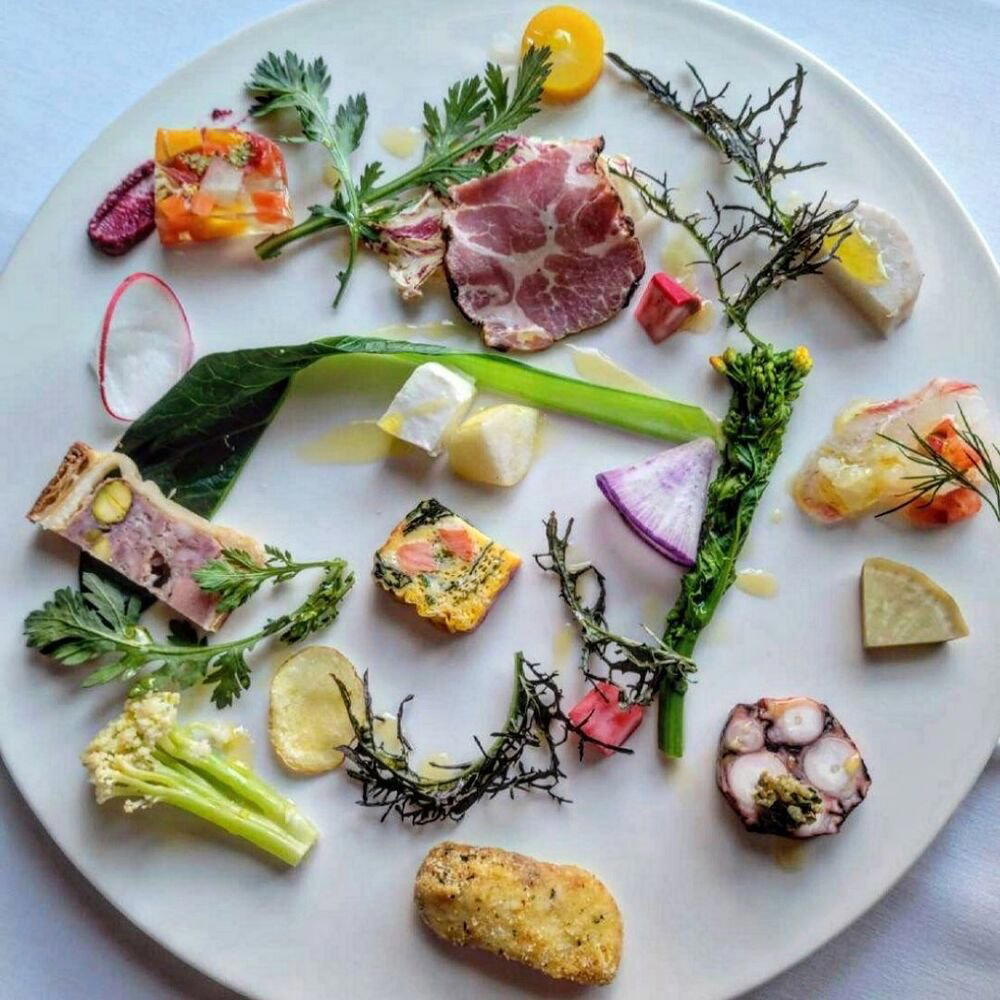
Setagaya's Quieter Italian Orbit
Tokyo's Italian restaurant scene has long divided along predictable lines: the Michelin-chasing fine-dining tier in Minato and Shinjuku, and the neighbourhood trattoria circuit that fills the residential wards to the west and south. Setagaya sits firmly in the latter geography, and within that ward, the Soshigaya pocket around Soshigaya-Okura station has quietly accumulated a small cluster of serious, owner-run restaurants that serve a local clientele with higher expectations than the average suburban diner. ズッペリア・オステリア・ピティリアーノ occupies a second-floor address on Soshigaya 3-chome, Tokyo, and serves Tuscan Regional Italian Osteria cuisine at about $120 per person.
The name itself is the first editorial signal. Pitigliano is a hill town in the Maremma region of southern Tuscany, built on volcanic tufa rock and known historically as la piccola Gerusalemme for its medieval Jewish community. It is not a reference point that appears in mainstream Italian restaurant naming in Tokyo. Choosing it as an anchor suggests a specificity of regional Italian focus that places this venue in a different category from the generalist Italian operations that dominate Tokyo's mid-market.
The Occasion Meal in a Residential Setting
Across Japan, the occasion meal, birthday dinners, anniversaries, quiet celebrations that call for something more considered than a chain restaurant, has traditionally belonged to the hotel dining room or the Michelin-listed counter. But a parallel tradition exists in the residential neighbourhoods of every major Japanese city: the small, owner-operated European restaurant that a neighbourhood treats as its own, where the occasion meal is intimate rather than ceremonial, and the dining room is small enough that a table feels genuinely reserved rather than allocated.
This format has European antecedents in the French bistro and the Italian osteria, and Tokyo has absorbed both. The osteria model, in particular, suits occasion dining in a specific way: it implies a kitchen with a point of view, a wine list with some depth, and a service register that is attentive without being formal. For a milestone meal where the conversation should lead rather than the spectacle, that register is often preferable to the production values of a ¥¥¥¥ counter.
The Soshigaya address reinforces this positioning. Dining here requires intention: you travel to Setagaya because this is where you are going, not because you were passing. That kind of deliberate choice tends to set the tone for the meal before the first course arrives.
Regional Italian in Tokyo: The Narrower the Focus, the Harder the Execution
Italian regional cooking in Tokyo has deepened considerably over the past two decades. The earlier wave of Italian restaurants in the city leaned on the canonical north-Italian template: risotto, hand-cut pasta, Piedmontese-adjacent wine lists. The more recent cohort has moved toward specific regional identities: Sicilian, Emilian, Venetian, and in rarer cases, the cooking of central Italy's interior, Umbria, Lazio, the southern Maremma. Executing that specificity in Tokyo requires supply-chain discipline and a kitchen willing to work with less obvious ingredients. A reference to Pitigliano and the Maremma points toward the latter category: slow-cooked legumes, chestnut preparations, pork traditions from the Sienese hills, and the volcanic-soil wines of the surrounding area including Morellino di Scansano.
For Tokyo diners who have moved through the generalist Italian tier and are looking for cooking with a tighter regional argument, a venue operating under this kind of named geographical commitment offers a different proposition.
Where This Fits in the Broader Japanese Dining Picture
Setagaya's dining scene is part of a wider pattern across Japan's secondary and tertiary restaurant zones: serious, owner-run European restaurants that operate outside the award circuit but sustain high standards through a committed local clientele. The pattern is visible in other cities: HAJIME in Osaka, Gion Sasaki in Kyoto, and akordu in Nara each anchor their respective cities' serious dining offer in different ways. The neighbourhood osteria operates at a different scale and with different ambitions, but serves an analogous function: it is where a city's residents go when they want to eat well without the apparatus of fine dining.
At the national level, Japan's regional restaurant culture extends further: Goh in Fukuoka and addresses like 一本木なか川制 in Nanao and 湖籟荘 in Takashima demonstrate that Japan's serious dining is not concentrated in its three largest cities. The principle that the most considered cooking often happens away from the highest-visibility addresses applies to Tokyo's own internal geography as much as it does nationally.
For context on how Tokyo's most decorated restaurants position themselves relative to each other, Harutaka and RyuGin represent the upper tier of the city's Japanese-cuisine offer, while venues across the price spectrum, from Bistro Ange in Toyohashi to Le Bernardin in New York, illustrate how the bistro and osteria format scales across different markets and ambition levels.
Know Before You Go
- Address: 3 Chome-4-9 Soshigaya, Setagaya City, Tokyo 157-0072 (2F)
- Nearest Station: Soshigaya-Okura (Odakyu Odawara Line), the restaurant is within walking distance
- Format: Second-floor osteria; expect an intimate room consistent with owner-run neighbourhood dining
- Booking: Reservations recommended.
- Price Range: About $120 per person.
- Occasion Suitability: The second-floor, residential-neighbourhood setting is well-suited to quiet, intimate celebrations; less so for large groups or high-energy evenings
Comparable Venues
Comparable venues nearby, for context on price, style, and recognition.
| Venue | Cuisine | Price | Notes |
|---|---|---|---|
| ズッペリア・オステリア・ピティリアーノThis venue — the venue you are viewing | Tuscan Regional Italian Osteria | $$$ | |
| Ristorantino Rubero | Modern Italian in a Meguro vintage house | $$$ | Shinagawa |
| ダオルモ | Northern Italian Regional (Trentino-Alto Adige) | $$$ | Minato |
| Piatti Castellina | Italian Course Dining | $$$ | Shinjuku |
| Ostü | Authentic Piedmontese Italian | $$$ | Shibuya |
| ビオディナミコ | Modern Italian Ristorante | $$$ | Shibuya |
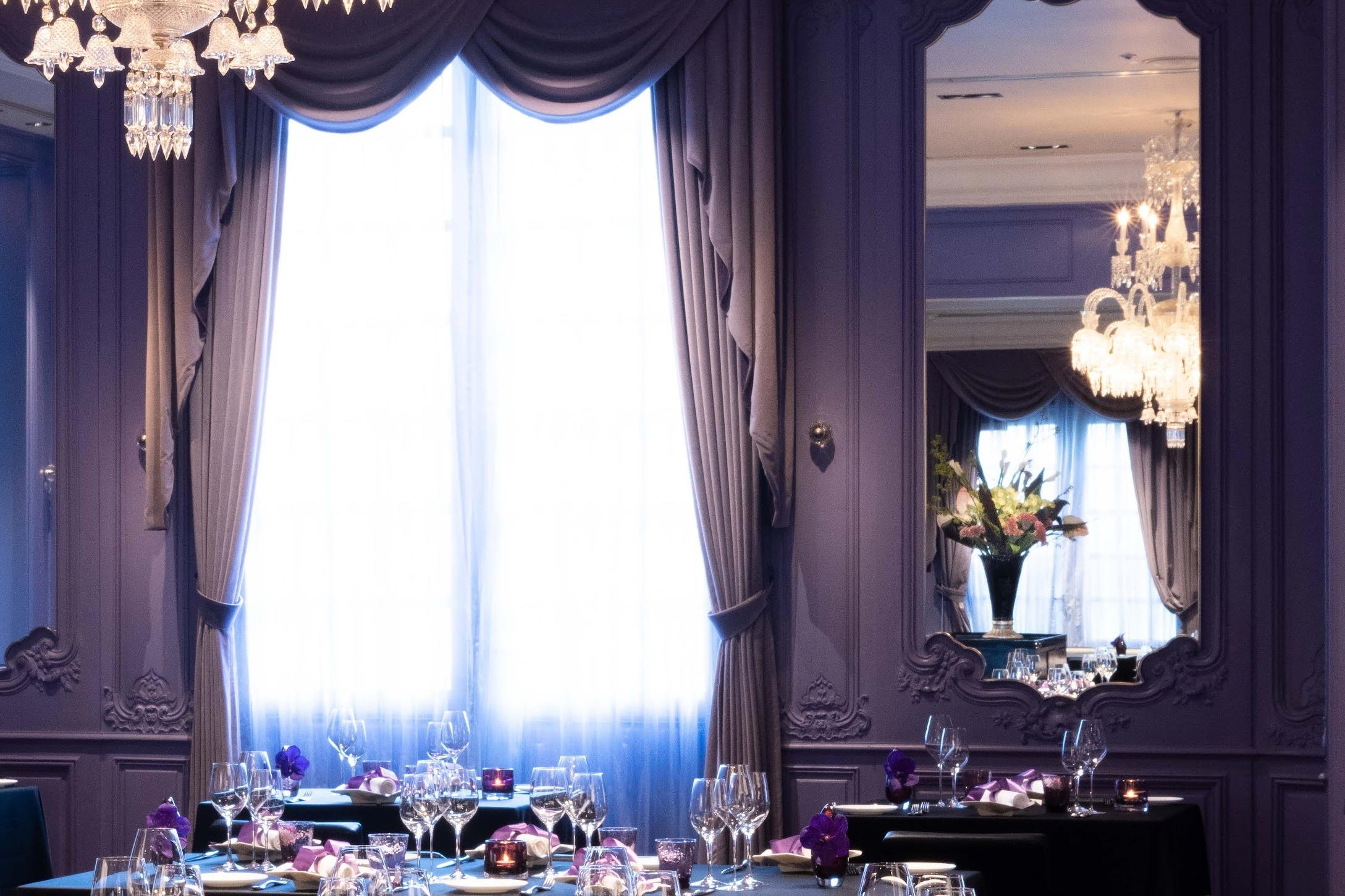


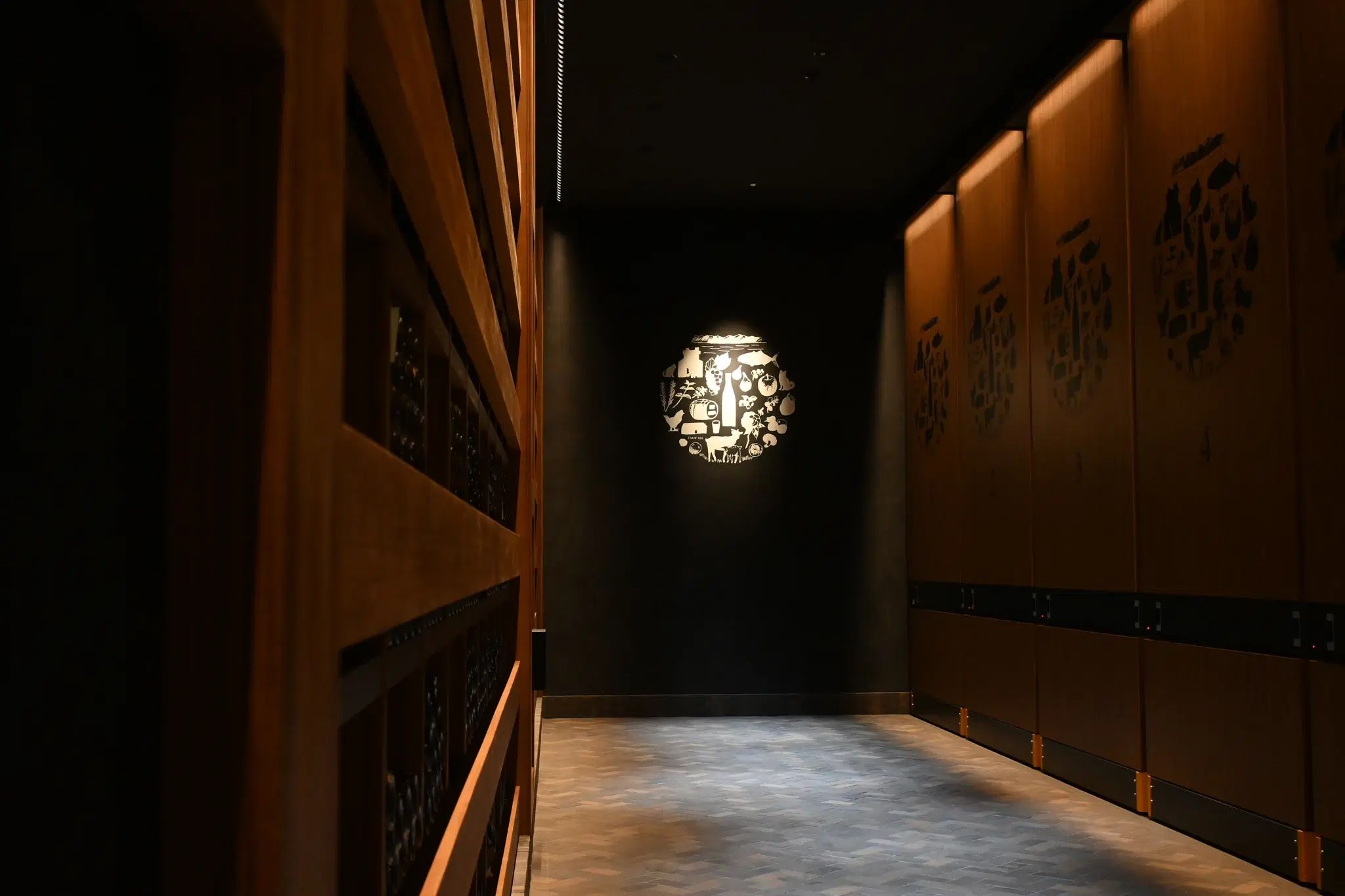

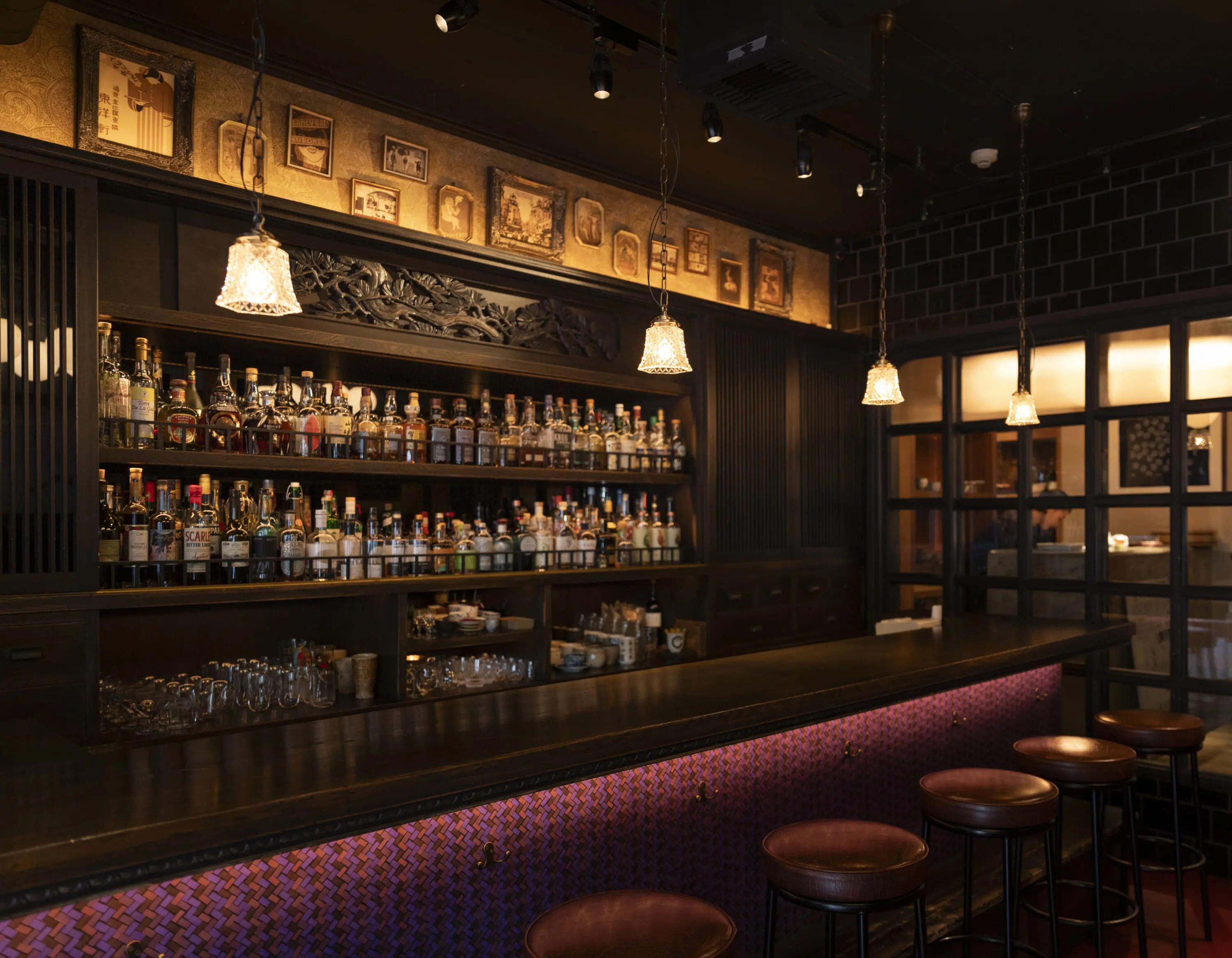






At a Glance
- Cozy
- Rustic
- Intimate
- Elegant
- Date Night
- Special Occasion
- Group Dining
- Open Kitchen
- Extensive Wine List
- Local Sourcing
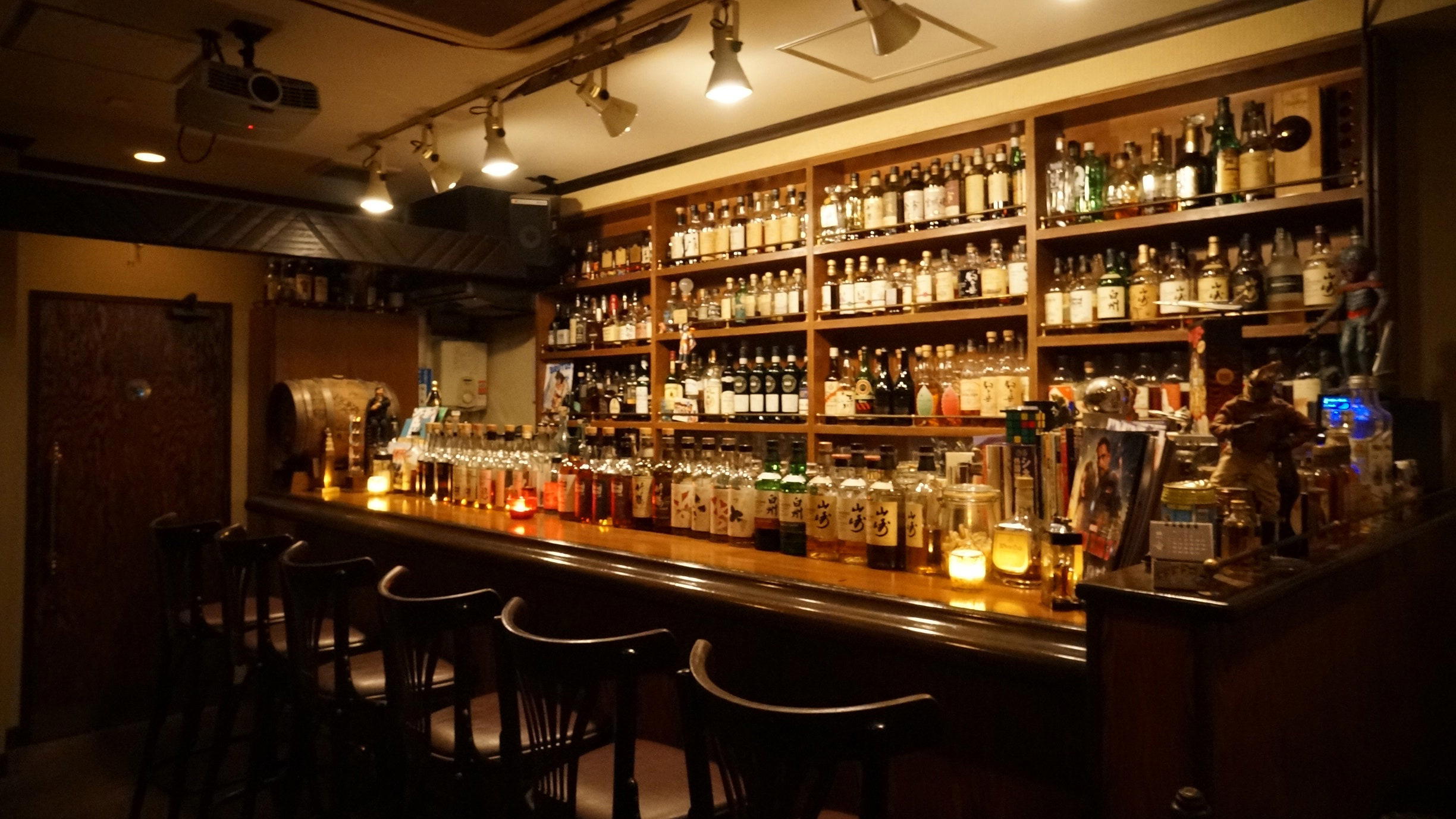
Warm and inviting atmosphere reminiscent of a quaint Italian countryside with a calm, unpretentious feel.