
Tabelog 100 #22
Our verdict
ARMONICO occupies a compact address in Daikanyama, one of Tokyo's most considered dining neighbourhoods, where Western technique and Japanese ingredient discipline have long coexisted at serious price points. The restaurant sits within a residential pocket of Shibuya ward, positioning it closer to the neighbourhood's quieter bistro tradition than the high-decibel dining corridors of central Tokyo.

Pearl is the En Primeur Club membership app, where members save venues, book tables and use the concierge.
This is a meaningful distinction.enprimeurclub.
Internationally, the model of small European-inspired rooms operating at serious craft levels in residential urban pockets finds parallels in places like Lazy Bear in San Francisco and, in a different culinary register, Le Bernardin in New York City, both of which demonstrate how format discipline and neighbourhood positioning can define a restaurant's identity as much as its menu.enprimeurclub.com/restaurants/gion-sasaki-kyoto-restaurant">Gion Sasaki in Kyoto, Abon in Ashiya, Aji Arai in Oita, Ajidocoro in Yubari District, Akakichi in Imabari, and Given the Italian-derived name and Daikanyama context, the kitchen likely operates around a defined menu format rather than an a la carte selection, but any ordering strategy should be confirmed directly with the restaurant. Small Daikanyama restaurants in this format category frequently operate by reservation, particularly for dinner service. If you are planning a visit without an advance booking, confirming by phone or direct contact is advisable before travelling to the address.Do they take walk-ins at ARMONICO?
What makes ARMONICO worth seeking out? Daikanyama has historically attracted chefs who prioritise a consistent local clientele, which tends to produce a different quality of hospitality than high-volume tourist-facing rooms.
Is ARMONICO good for vegetarians?
The most reliable approach is to contact the restaurant directly before booking.
Is ARMONICO associated with a specific regional Italian cuisine tradition?
The name ARMONICO does not narrow the regional frame on its own. Confirming the kitchen's specific culinary orientation directly with the restaurant will give the clearest picture of what style of Italian cooking is on offer.
Frequently asked questions
Where is ARMONICO in Tokyo?
ARMONICO is located at Japan, 〒150-0034 Tokyo, Shibuya, Daikanyamacho, 12−16 シンフォニー代官山 102, Tokyo.
How does ARMONICO fit into Daikanyama's Italian dining scene compared to other Tokyo neighbourhoods?
Daikanyama has historically attracted a quieter, design-conscious crowd compared to the denser European dining clusters in Hiroo or Minami-Aoyama, and Italian restaurants here tend to reflect that, smaller, less performative, and less reliant on visibility than equivalents in central Tokyo. ARMONICO's address at Daikanyamacho 12-16 places it within that tradition: an Italian-named venue in a neighbourhood where the dining culture rewards specificity over spectacle. It is a different proposition from the Italian counters competing for attention in the award-tracked districts further west.
What's the best thing to order at ARMONICO?
The venue's Italian-derived name and its Daikanyama address both point toward a kitchen oriented around European technique applied with Japanese precision, the format common to this neighbourhood's more considered small restaurants. Visiting with an open approach to a set or chef-led menu is the safest assumption until the kitchen's current programme is confirmed directly.
Do they take walk-ins at ARMONICO?
Arriving without a booking carries real risk; reaching out through the venue directly before visiting is the practical course.
What makes ARMONICO worth seeking out?
ARMONICO occupies a category of Tokyo dining that sits deliberately outside the Michelin queue and omakase circuit, the kind of address in Daikanyama that circulates through recommendation rather than review aggregators. The Italian orientation signals a kitchen aligned with the generation of Japanese chefs who trained in Europe and returned to practise European technique on their own terms. That combination of neighbourhood and culinary frame is not common at this end of Shibuya.
Is ARMONICO good for vegetarians?
Italian and European-influenced kitchens in Tokyo vary considerably, some offer genuine flexibility, others are structured entirely around protein-centred courses. Given the absence of a published menu or contact details, confirming vegetarian options directly with the venue before booking is the only reliable approach.
Reputation First
| Venue | Cuisine | Price | Awards | Notes |
|---|---|---|---|---|
| ARMONICOThis venue (the venue you are viewing) | Modern Italian with Japanese Ingredients | $100–150 | Tabelog 100 #22 | Not listed |
| Harutaka | Edo-Style Omakase Sushi | $200–300 | 3 Michelin Stars · World's 50 Best #76 | Sushi |
| L'Effervescence | Modern French with Japanese Influences | $200–300 | 3 Michelin Stars · World's 50 Best #69 | French |
| RyuGin | Modern Kaiseki | $500+ | 3 Michelin Stars · World's 50 Best #41 | Kaiseki, Japanese |
| Crony | Modern French with Japanese Influences | $150–200 | 2 Michelin Stars · World's 50 Best #34 | Innovative, French |
| Den | Modern Japanese Kaiseki | $150–200 | 2 Michelin Stars · World's 50 Best #51 | Innovative, Japanese |
Recognition history
Dated appearances from independent guides and award organizations, with the underlying list record or original source where available.
Tabelog 100 #22 · No. 22
Tabelog · Tabelog 100 - Italian - TOKYO - 2025
Continue exploring
More in Tokyo
Restaurants in Tokyo
All restaurants in Tokyo →


Bars in Tokyo
All bars in Tokyo →




Details
- Elegant
- Sophisticated
- Intimate
- Trendy
- Date Night
- Special Occasion
- Business Dinner
- Open Kitchen
- Standalone
- Local Sourcing
- Prix Fixe
- Tasting Menu
- Vegetarian Friendly
Current opening hours
- Monday
- 7–11 PM
- Tuesday
- 7–11 PM
- Wednesday
- 12–2 PM, 7–11 PM
- Thursday
- 7–11 PM
- Friday
- 5–11 PM
- Saturday
- 12–2 PM, 7–11 PM
- Sunday
- Closed
Hours can change for holidays and private events. Hours as of .
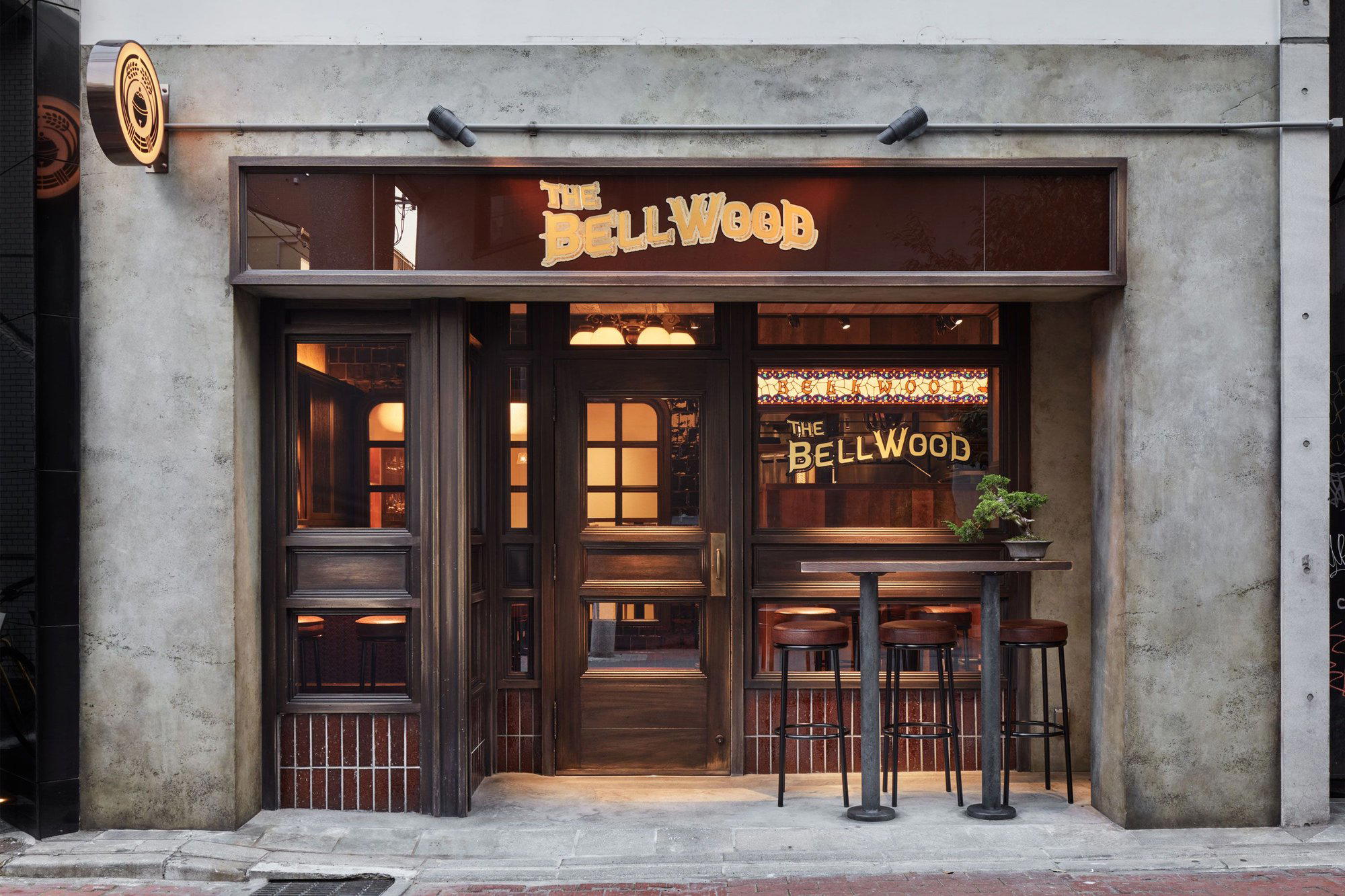
Intimate and sophisticated dining experience in a small, charming space accessed through a quiet alleyway entrance in Daikanyama.