
La Sfoglina brings Italian cooking into Roppongi’s quieter Nogizaka edge, with a fish-aware kitchen, wine focus, counter seats, terrace seats, and recognition in Tabelog Italian TOKYO 100 for 2021, 2023, and 2025. It suits diners looking for Tokyo’s ingredient-led Italian category rather than a maximal tasting-menu performance.
Pearl is the En Primeur Club membership app — saves, bookings, and concierge access live there. Same editors, same standards.
- Address
- 7 Chome-3-22 Roppongi, Minato City, Tokyo 106-0032, Japan
- Phone
- +81 3-6432-9452
- Website
- laboilnido.com
 Saves & bookings on Pearl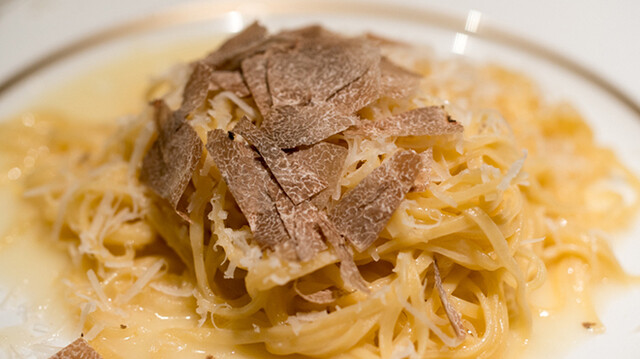
Roppongi’s restaurant map changes as it slopes toward Nogizaka: late-night glare softens, embassy backstreets and museum traffic replace clubland, and Italian dining becomes less spectacle than calibration, pasta, fish, wine, pacing, and confidence in ingredients. La Sfoglina belongs to that quieter Tokyo-Italian lane, where the kitchen’s interest in fish matters as much as the pasta craft implied by its name.
Tokyo has long treated Italian food as a serious local language, not an imported category. Its better Italian rooms tend to split between polished celebratory dining with elaborate courses and smaller neighbourhood restaurants where sourcing, wine, and handwork carry the meal. This restaurant sits closer to the latter, with enough recognition to enter the city’s competitive Italian conversation, without grand-hotel ceremony.
Tokyo-Italian cooking reads through fish, pasta, and restraint
Ingredient sourcing is the useful lens. Italian restaurants in Tokyo often gain force when they stop imitating Italy too literally and use Japanese market access within Italian structure. Fish is a natural bridge: crudo, grilled seafood, shellfish sauces, and lighter pasta all fit the Japanese appetite for seasonality while staying recognisably Italian. La Sfoglina is explicitly marked by a focus on fish, placing it in a Tokyo tradition shaped by seafood access rather than heavy regional nostalgia.
That matters for travellers. A Tokyo Italian meal can break from sushi counters and kaiseki formality without abandoning the city’s sourcing intelligence. The better version is not red-sauce comfort food or imported luxury theatre; it uses Italian grammar to frame Japanese produce. In Roppongi and Nogizaka, that also makes social sense. The area draws business dinners, museum-adjacent meals, neighbourhood regulars, and international visitors, so successful restaurants tend to be flexible rather than doctrinaire.
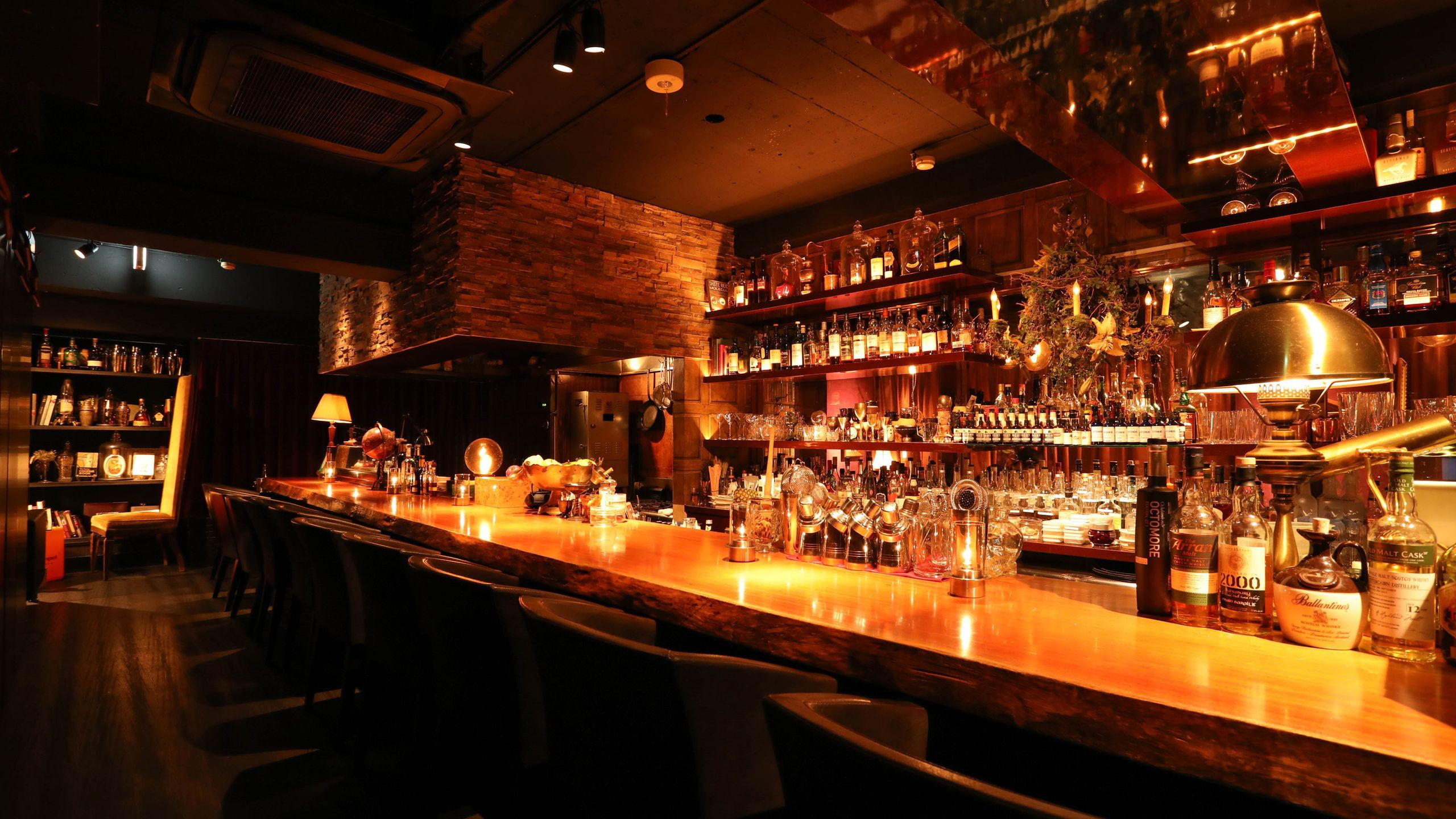
The wine emphasis strengthens that reading. Tokyo’s Italian dining culture is increasingly serious about bottles, but not every room performs cellar grandeur. Cocktails and stated attention to wine place this in the middle register: dinner can stay casual, while the beverage program supports fish, pasta, and longer tables. That is often where Tokyo Italian persuades most, with composed meals that do not demand a rigid tasting sequence.
Recognition adds context, not the whole story. Selection for Tabelog Italian TOKYO 100 in 2021, 2023, and 2025, plus Tabelog Award Bronze recognition in 2017 and 2018, signals durability in a category crowded with technically sharp restaurants. Tabelog’s Japanese user base can be demanding in ways unlike international guides: repeat consistency, peer-relative value, and real social use matter. A 3.71 score there is meaningful for a mid-sized Italian restaurant, not a destination counter built on scarcity.
The room suits Roppongi's mixed dining rhythm
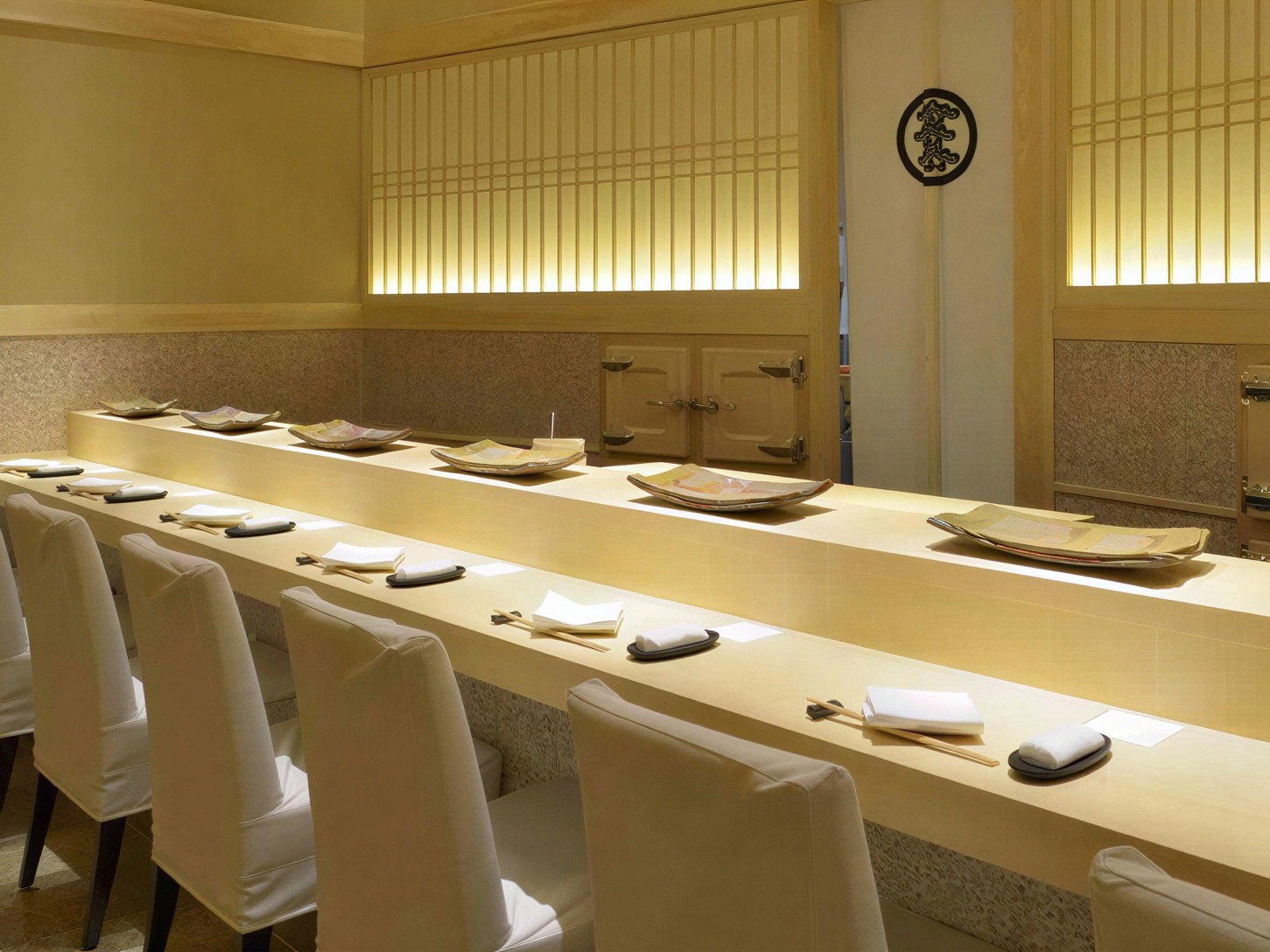
The format is part of the appeal. Forty seats across tables, a small counter, and terrace seating give more range than a chef-counter room but less anonymity than a large dining hall. That suits Roppongi, where dinner may be a catch-up with friends, a small celebration, or a meal before moving elsewhere in Minato. Semi-private seating and private-use capability point to a restaurant designed for actual Tokyo social life, not only visiting diners chasing a list.
Counter seats matter differently here than at sushi or yakitori restaurants. In Italian dining, a counter can soften formality and refocus pace: pasta leaving the kitchen, wine service timed to courses, and a direct sense of room movement. Terrace seating adds a seasonal register unusual for many compact Tokyo dining rooms. None of this turns the meal into theatre; it makes the format adaptable.
The comparison set reinforces the point. Tokyo diners can move from sushi at Hikarimono to creative Japanese cooking at Kukuku, Thai-Japanese ideas at Bia, or poultry-led formats such as Toriyaki to Torinabe Kakoi. Against that spread, Italian must justify itself through sourcing and execution rather than novelty. La Sfoglina’s case is strongest as part of Tokyo’s mature non-Japanese dining culture: restaurants local in ingredients and rhythm, even when the culinary vocabulary comes from elsewhere.
For broader planning, the city rewards category hopping. Nearby meals can be balanced with casual or specialist stops such as . 鮪と炭火焼き うお炭 秋葉原店, 12/10 Shinjuku ten, 124. KAGURAZAKA (Yakitori), 2D Cafe, and 3 Chome no Curry Ya San. Use Our full Tokyo restaurants guide for dining context, with Our full Tokyo hotels guide, Our full Tokyo bars guide, Our full Tokyo wineries guide, and Our full Tokyo experiences guide for the rest of the trip.
Who should choose this style of Italian in Tokyo
This is the right register for diners who want Tokyo precision without a formal Japanese genre. It suits groups that value wine, seafood-leaning Italian cooking, and a room able to handle relaxed lunches and more deliberate dinners. It is less suited to anyone seeking a chef-biography narrative, a rarefied counter ritual, or a trophy reservation whose value depends on scarcity.
There is a practical family distinction in the restaurant’s own positioning: younger children are directed toward lunch rather than dinner. That reflects a wider Tokyo pattern, where evening dining rooms protect adult pacing while daytime services absorb a broader range of guests. It is not unusual, but useful before building a Minato itinerary.
Tokyo’s wider food map can pull travellers into hyper-specialisation, from curry counters to sake bars and regional cooking. For contrast beyond the city, EP Club also tracks -Grilled beef Sukiyaki- KAMAKURA TANUKIAN 鎌倉 たぬき庵 in Kamakura.cafe in Osaka.know in Kumamoto, (Shoku) Vietnam in Kawasaki, [Curry Senmon Ten] Maruyama Kyoju. in Sapporo, [ki:] in Kyoto, Jōdo Saké Bar in Los Angeles, and Onigiri Time in Pasadena. Seen against that range, the restaurant’s appeal is clear: a Tokyo Italian address where sourcing, format, and neighbourhood cadence do the work without excess explanation.
Booking and Cost Snapshot
Comparable venues by category and price.
| Venue | Cuisine | Price | Notes |
|---|---|---|---|
| La SfoglinaThis venue — the venue you are viewing | Minato, Italian Pasta Restaurant | $$$ | Not listed |
| ANTICA OSTERIA CARNEYA | Shinjuku, Italian Steak Osteria | $$$ | Not listed |
| トラットリア ブカ・マッシモ | Kōtō, Authentic Tuscan Trattoria | $$$ | Not listed |
| Don Ciccio | Minato, Sicilian Trattoria | $$$ | Not listed |
| SAVOY Azabujuban | Minato, Modern Neapolitan Pizza | $$$ | Not listed |
| オステリア スプレンディド | Not listed | $$$ | Minato, Authentic Northern Italian Trattoria |
Recognition history
Dated appearances from independent guides and award organizations, with the underlying list record or original source where available.
Tabelog 100 #80 · No. 80
Tabelog · Tabelog 100 - Italian - TOKYO - 2025











At a Glance
- Cozy
- Classic
- Intimate
- Sophisticated
- Date Night
- Business Dinner
- Group Dining
- Casual Hangout
- Standalone
- Local Sourcing
Current opening hours
- Monday
- 11:30 AM–2:30 PM, 5:30–9 PM
- Tuesday
- Closed
- Wednesday
- Closed
- Thursday
- 11:30 AM–2:30 PM, 5:30–9 PM
- Friday
- 11:30 AM–2:30 PM, 5:30–9 PM
- Saturday
- 11:30 AM–2:30 PM, 5:30–9 PM
- Sunday
- 11:30 AM–2:30 PM, 5:30–9 PM
Hours can change for holidays and private events. Last verified .
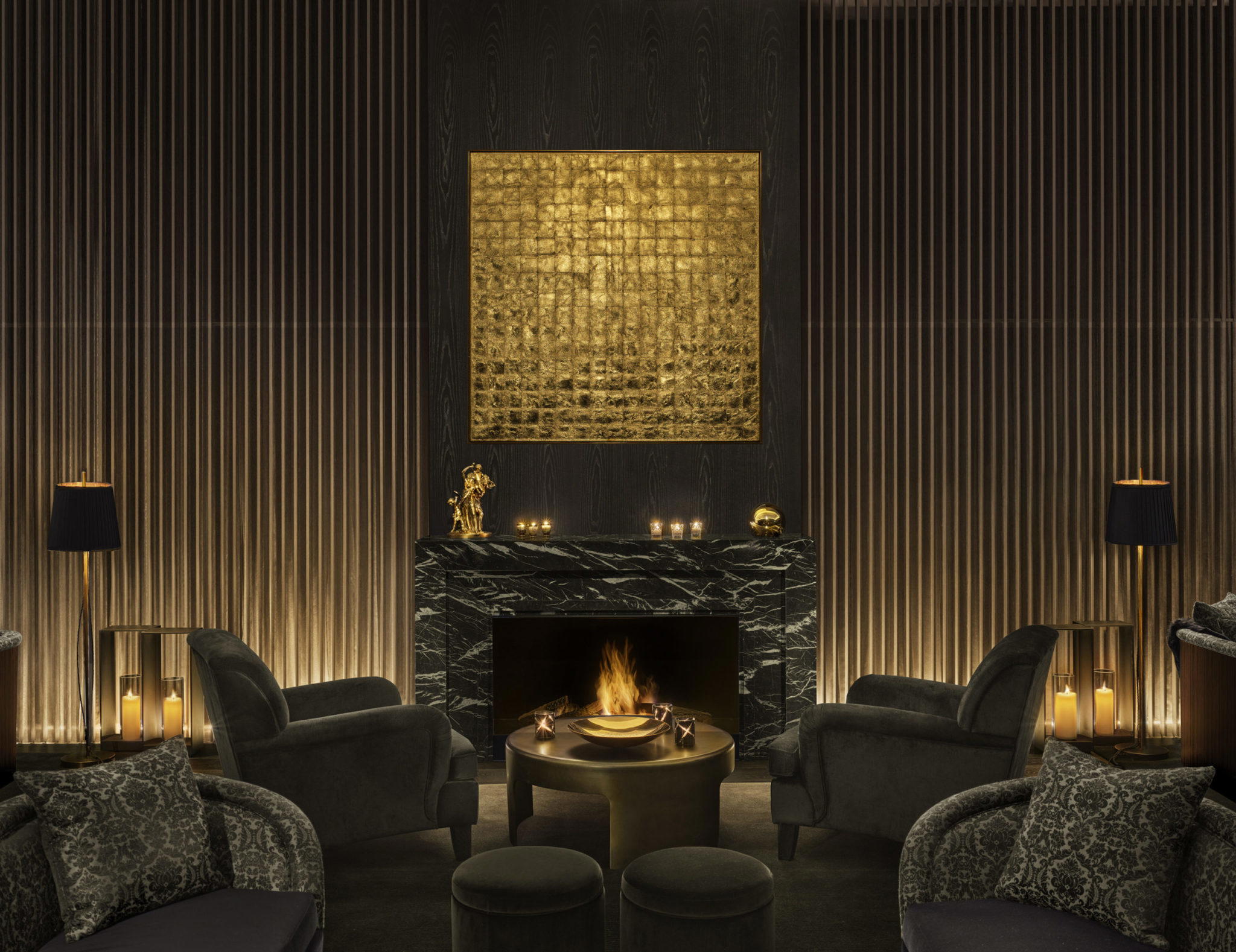
Relaxed, cozy, and house-style with a casual dining room atmosphere that feels polished rather than formal.