
luogo brings Tokyo’s small-counter Italian conversation to Jiyugaoka, with an eight-seat format, fish-leaning cooking, wine service, and selection for Tabelog Italian TOKYO 100 in 2025. It suits diners who follow the city’s quieter, reservation-led rooms rather than only central Tokyo’s trophy addresses.
Pearl is the En Primeur Club membership app — saves, bookings, and concierge access live there. Same editors, same standards.
- Address
- 東京都目黒区自由が丘1-23-2 DEAR自由が丘 1F
- Phone
- +81366856485
- Website
- luogo-jiyugaoka.com
 Saves & bookings on Pearl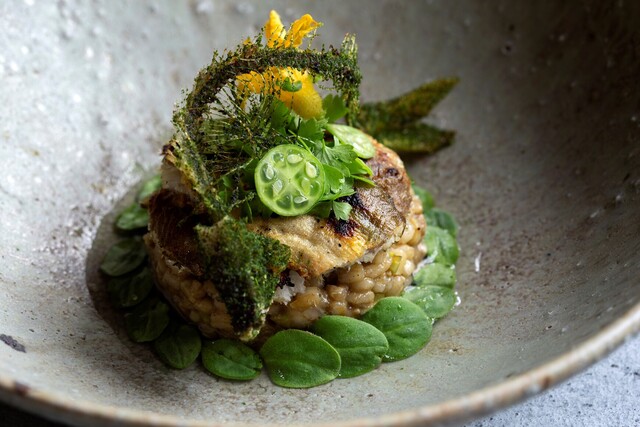
Jiyugaoka slows the tempo before dinner. Around the station, the bakery-and-boutique polish of Tokyo’s western residential wards gives way to side streets and smaller rooms where regulars know the evening they are booking. Here, the eight-seat counter is not a gimmick but the format: close enough to watch the cooking, small enough for repeat diners to read the room, and serious enough to sit within Tokyo’s competitive Italian category without Ginza formality.
Tokyo Italian has moved beyond the old split between trattoria comfort and French-influenced luxury. The sharper rooms now work in a Japanese register: fewer seats, more counter contact, seasonal produce, fish handled with the confidence of a seafood-logistics city, and wine lists that support pasta and charcoal-grilled courses. luogo belongs to that current. Its public positioning is Italian, restaurants, and pasta, but the more telling signals are fish, wellness-minded menus, charcoal grilling, wine, cocktails, and sommelier service. That points to a regulars’ restaurant rather than a spectacle restaurant.
Small-counter Italian in a neighbourhood that rewards repeat diners
Jiyugaoka is rich in European references, but its dining character differs from the central business districts. It favours places that join a weekly or monthly circuit: bakeries in the morning, cafés in the afternoon, compact restaurants at night. Nearby, baguette rabbit Jiyuugaoka ten and GELATERIA VITALI sit at the casual end, while L'Escalier, バッボ アンジェロ, and アンティカ トラットリア チーボ show the area’s long foothold in Italian and French-Italian habits. The distinction is scale. An eight-seat counter competes less on convenience than on whether diners want to return to the same conversation between pasta, seafood, grill, and wine.
The 2025 Tabelog Italian TOKYO 100 selection gives the room external weight in a crowded city category. Tokyo’s Italian field is dense, uneven, and full of competent places that never become destination tables. A Tabelog score of 4.10 places it above the casual neighbourhood baseline, while the source display order should not be read as an official rank. The meaningful editorial read is that a small Jiyugaoka counter has entered the citywide Italian conversation, where repeat custom and specialist attention matter more than theatrical dining-room scale.
For regulars, the attraction is likely the lack of over-explanation. Strong Tokyo counter formats often work through repetition: the guest learns the pacing, the room learns the guest, and the menu’s unwritten logic becomes clearer. Here, public signals suggest a kitchen moving between fish, pasta, charcoal, and wine without forcing each course into a rigid fine-dining script. It is not the pleasure of a grand tasting-menu restaurant, but of watching a compact team keep proportion: enough technique to justify the booking, enough neighbourhood ease to make returning feel natural.
Fish, pasta, charcoal, and wine form the house grammar
Italian tradition in Tokyo is strongest when it stops imitating Italy literally and translates it through local supply. Fish-led cooking makes sense in a city where seafood quality is not a luxury add-on but everyday vocabulary. Pasta gives structure; charcoal adds a Japanese cooking reference without becoming a fusion slogan; wine and sommelier service give the counter adult pacing. Cocktails broaden the opening move, but wine is the serious spine.
Nothing useful is gained by pretending to know a signature dish when none is publicly named. Read the restaurant by format and category: Italian cooking with pasta at its core, stated attention to fish, and a grill element that moves the meal beyond sauce-and-noodle comfort. That makes it especially logical for diners who know Tokyo’s omakase and counter culture but want it expressed through Italian grammar rather than sushi, tempura, or yakitori.
The family-friendly signals are notable at this tier. Children are welcomed, including babies, preschoolers, and school-age children, with a kids menu and stroller accommodation listed. In Tokyo, that is not automatic at small counters. It changes the reading: compact and reservation-led, but not only for hushed adult ceremony. For regulars in a residential district, that matters. A restaurant that can handle birthdays, BYO drinks, and sommelier service while remaining open to families occupies a practical niche central fine-dining rooms often ignore.
How to place it within a Tokyo dining itinerary
This is not a crash course in Tokyo nightlife, nor the place to schedule between three other high-intensity stops. It works better as a west-side dinner built around Jiyugaoka: arrive early enough to let the neighbourhood reset the pace, then treat the counter as the evening, not a prelude. The small scale and reservation-first posture make spontaneity a poor strategy, especially for short Tokyo stays.
Within a broader itinerary, the contrast is useful. Tokyo’s dining range can run from charcoal seafood at . 鮪と炭火焼き うお炭 秋葉原店 to Shinjuku specificity at 12/10 Shinjuku ten, yakitori focus at 124. KAGURAZAKA (Yakitori), graphic café culture at 2D Cafe, and curry devotion at 3 Chome no Curry Ya San. For wider city planning, use Our full Tokyo restaurants guide, alongside Our full Tokyo hotels guide, Our full Tokyo bars guide, Our full Tokyo wineries guide, and Our full Tokyo experiences guide. Travellers extending the trip can compare regional dining instincts at -Grilled beef Sukiyaki- KAMAKURA TANUKIAN 鎌倉 たぬき庵 in Kamakura.cafe in Osaka.know in Kumamoto, (Shoku) Vietnam in Kawasaki, [Curry Senmon Ten] Maruyama Kyoju. in Sapporo, and [ki:] in Kyoto. For a transpacific sake-and-Japanese-food comparison, Jōdo Saké Bar in Los Angeles and Onigiri Time in Pasadena show how different the same reference points can feel outside Japan.
The case for luogo is not that it offers Tokyo’s loudest Italian dining. It is that a small Jiyugaoka counter, selected for Tabelog Italian TOKYO 100 in 2025, reflects a durable pattern: regulars returning for a room where pasta, fish, charcoal, and wine carry the evening without excess theatre.
Peers Worth Knowing
Nearby venues at a similar price tier for orientation.
| Venue | Cuisine | Price | Notes |
|---|---|---|---|
| luogoThis venue — the venue you are viewing | Innovative Japanese-inflected Italian | $$$ | Not listed |
| Cuore Azzurro | Authentic Regional Italian | $$$ | Meguro |
| ristorante scintilla | Modern Italian Fine Dining | $$$ | Meguro |
| Alporto | Italian Kaiseki | $$$ | Minato |
| Kurodino | Italian-Japanese Fusion Fine Dining | $$$ | Chūō |
| Partenope (パルテノペ) | Authentic Neapolitan Pizza | $$$ | Ebisu |
Recognition history
Dated appearances from independent guides and award organizations, with the underlying list record or original source where available.
Tabelog 100 #61 · No. 61
Tabelog · Tabelog 100 - Italian - TOKYO - 2025













At a Glance
- Intimate
- Cozy
- Modern
- Date Night
- Special Occasion
- Celebration
- Solo
- Chefs Counter
- Standalone
- Design Destination
- Extensive Wine List
- Local Sourcing
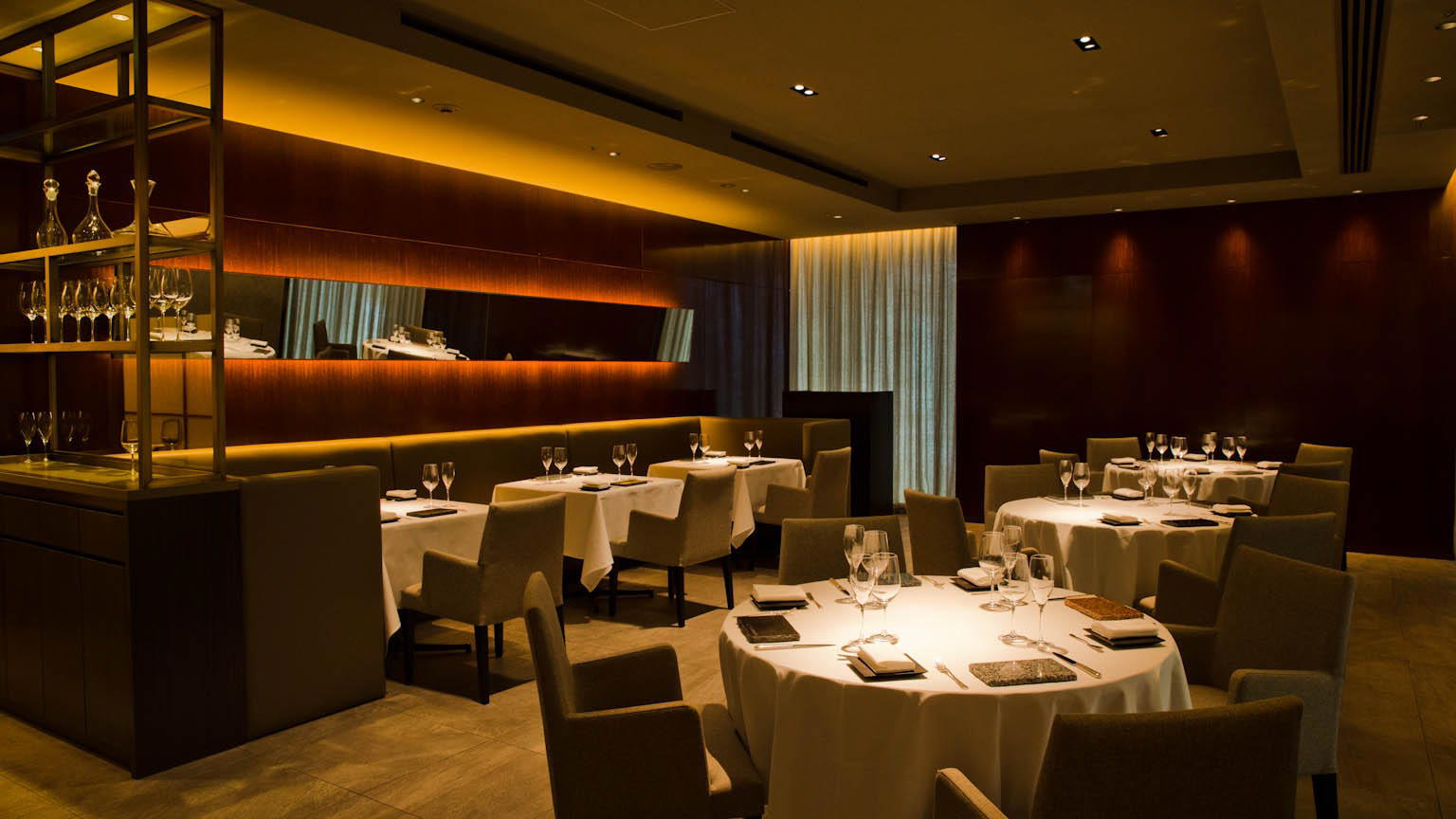
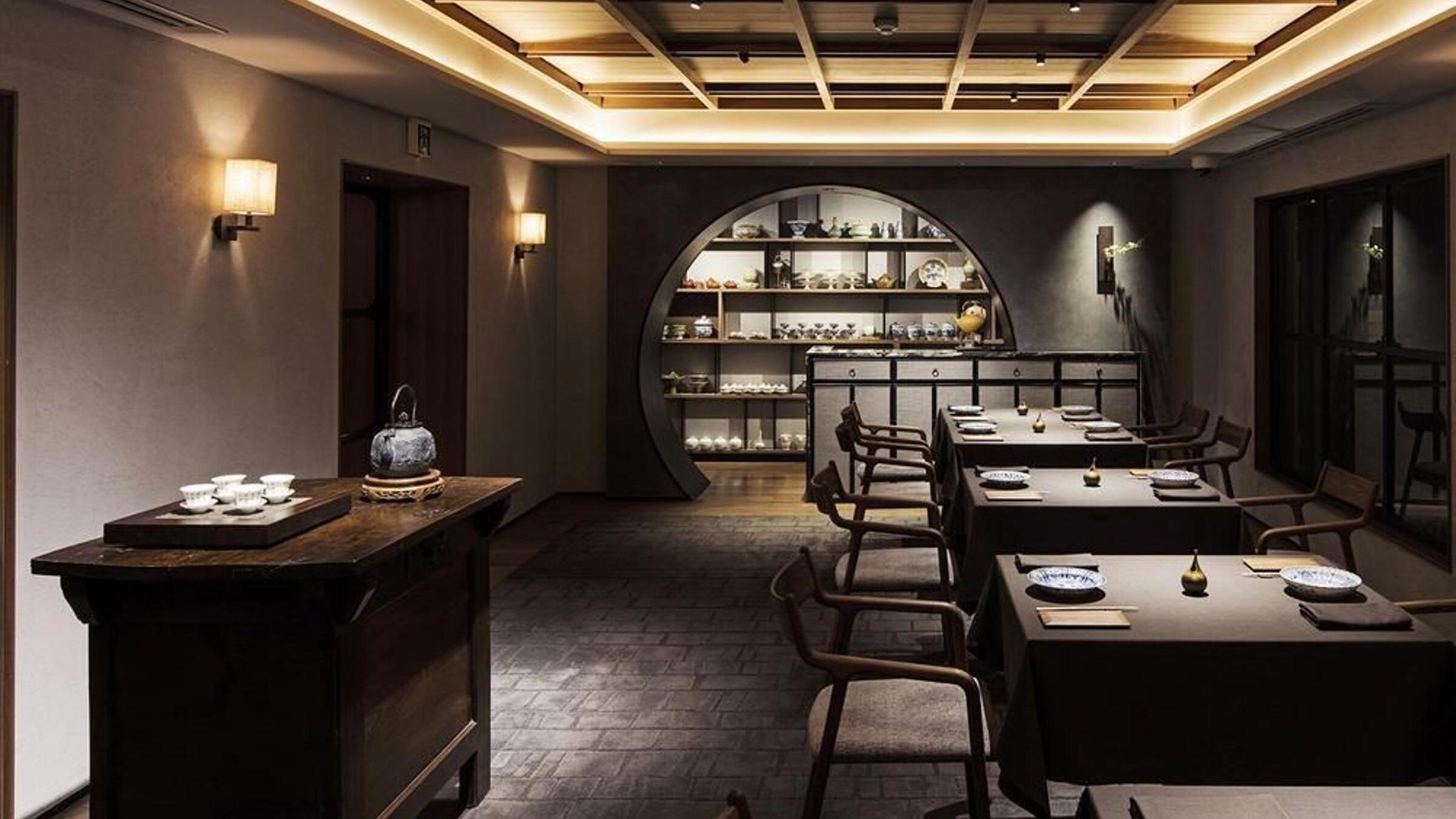
A small, counter-only space with a modern yet cozy feel, softly lit and designed for an intimate, chef-focused dining experience rather than a bustling group atmosphere.