
Kikunoi Mugesambo holds consecutive Michelin Bib Gourmand recognition (2024 and 2025) for its tea ceremony-influenced kaiseki bento format in Kyoto's Shimogyo Ward. The house speciality, Shiguremeshi, pairs sea bream sashimi with sesame sauce over rice, served alongside seasonal grilled and simmered dishes. Serving-ware shifts across the seasons, and a moss-covered garden provides the backdrop.
Pearl is the En Primeur Club membership app — saves, bookings, and concierge access live there. Same editors, same standards.
- Address
- Japan, 〒600-8520 Kyoto, Shimogyo Ward, Shincho, 52
- Phone
- +81 75-561-0015
- Website
- kikunoi.jp
- Directions
- Get directions
 Saves & bookings on Pearl
Where the Bento Format Meets Kaiseki Discipline
In Kyoto's mid-range dining tier, the gap between casual teishoku restaurants and full ryotei kaiseki is wide enough to feel like a different economy. Kikunoi Mugesambo occupies a specific position in that gap: a format built around tea ceremony food culture, priced at the ¥¥ bracket, and recognised by Michelin's Bib Gourmand in both 2024 and 2025. That consecutive recognition places it inside a select tier of Kyoto restaurants that consistently deliver precision at accessible price points, a harder trick to sustain in a city where ingredient costs are high and expectations are shaped by the kaiseki tradition.
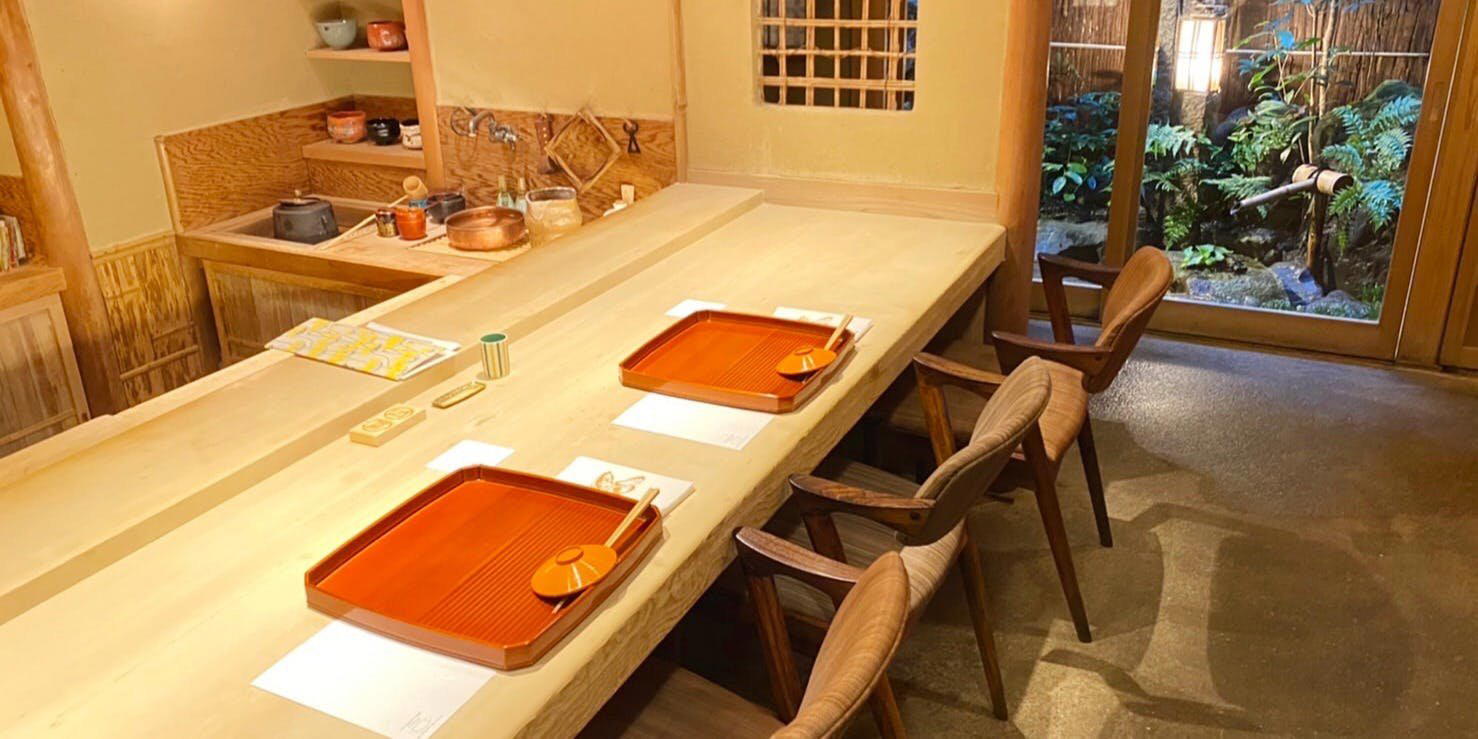
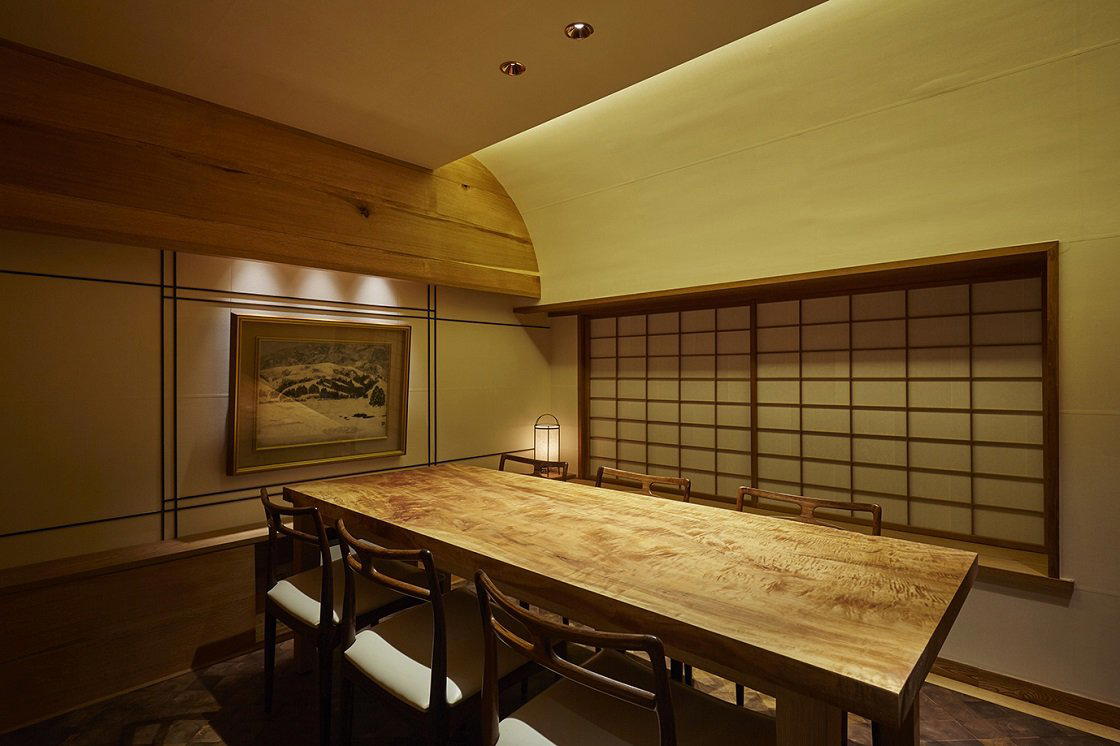
The physical setting reinforces the point. Seated guests look out over a moss-covered garden whose stillness is the intended counterweight to the meal's complexity. That relationship between the table and the garden is not incidental, it is part of Kyoto's long-standing idea that a meal should be experienced as an environment, not just a sequence of dishes. The serving-ware changes with the seasons: baskets, lacquer, and glass appear in configurations tied to the time of year, each carrying the particular colours and textures that mark where Kyoto sits in the calendar.
Two Bib Gourmands and What They Signal
Michelin's Bib Gourmand category functions differently from its starred tiers. Where stars evaluate the full arc of haute dining, technique, originality, consistency at high price points, the Bib recognises cooking that achieves quality within a price ceiling. Earning it once is a credential. Earning it in consecutive years, as Kikunoi Mugesambo did in 2024 and 2025, signals that the kitchen is not coasting on a single strong inspection cycle. In Kyoto specifically, where the density of Michelin-recognised restaurants is among the highest in Japan, holding two successive Bib Gourmands places Mugesambo in a competitive comparable set that includes houses operating at ¥¥¥ and above.
Kyoto's broader recognition landscape offers useful calibration. At the summit of the local hierarchy sit kaiseki houses like Gion Matayoshi and three-starred operations such as Gion Sasaki (¥¥¥¥). Establishments like Kikunoi Roan and Isshisoden Nakamura anchor the ¥¥¥ middle tier. Mugesambo's positioning below that bracket, while carrying Michelin recognition, makes it one of the more accessible entry points into the Kikunoi family's cooking philosophy. For comparison beyond Kyoto, Bib Gourmand-tier Japanese restaurants in other cities, including Myojaku in Tokyo and Azabu Kadowaki, operate in a similar critical register, though their formats differ considerably from Mugesambo's tea ceremony bento approach.
The Menu Structure: Ryotei Logic at Bento Scale
The format at Mugesambo draws deliberately from tea ceremony food culture, a tradition with its own internal logic distinct from standard kaiseki progression. The meal opens with appetisers, then moves through stewed bowls served ryotei-style, before arriving at grilled and simmered items arranged across seasonal serving-ware. The structure mirrors the pacing of a formal kaiseki sequence but compresses it into a bento-adjacent format, a deliberate editorial choice that keeps costs accessible without abandoning the compositional discipline that kaiseki demands.
The house speciality, Shiguremeshi, anchors the meal: rice topped with sea bream sashimi and finished with sesame sauce. The combination sits within Kyoto's preference for restrained but layered flavour profiles, where the emphasis falls on how components interact rather than on any single dominant ingredient. Dishes of this kind, where rice functions as a vehicle for composed, seasonal toppings, appear across Kyoto's mid-range dining culture, but the Shiguremeshi gives Mugesambo a signature that distinguishes it within its format tier. Comparable precision at this price point is relatively rare; similar discipline tends to appear at restaurants operating a category higher, such as Kenninji Gion Maruyama or Kodaiji Jugyuan.
Kyoto's Mid-Tier and Where Mugesambo Sits
¥¥ tier in Kyoto is not a monolith. It spans everything from tourist-facing set menus to quietly serious kitchens working within tight cost structures. What separates Mugesambo from the broader mid-tier is the formal framework: the tea ceremony influence, the seasonal serving-ware programme, the garden-facing dining room. These are not decorative choices, they are the structural commitments that informed two Michelin Bib Gourmand assessments.
For visitors who want a reference point further afield, the Kikunoi name extends beyond Mugesambo. The main Kikunoi Honten in Kyoto holds three Michelin stars, making the Mugesambo branch one of the more accessible ways to encounter the house's aesthetic sensibility without the commitment of a full multi-course dinner at the highest price tier. Across the broader Kansai region, comparable mid-range precision appears at restaurants such as HAJIME in Osaka, though operating in an entirely different format and cuisine register. For those extending a Japan itinerary beyond Kyoto, akordu in Nara, Goh in Fukuoka, Harutaka in Tokyo, 1000 in Yokohama, and 6 in Okinawa each represent the critical tier in their respective cities.
Planning Your Visit
Mugesambo is located in Shimogyo Ward, Kyoto's central commercial and transit district, at Shincho 52. The ward sits between Kyoto Station to the south and the Gion entertainment district to the northeast, placing the restaurant within reach of most central accommodation. Shimogyo lacks the visual drama of Higashiyama's stone-paved lanes, but it carries its own quiet residential and merchant character that suits a restaurant of this format.
Know Before You Go
- Price tier: ¥¥ (mid-range by Kyoto standards)
- Recognition: Michelin Bib Gourmand 2024 and 2025
- Format: Tea ceremony bento, ryotei-style progression
- House speciality: Shiguremeshi (sea bream sashimi with sesame sauce over rice)
- Setting: Moss-covered garden view; seasonal serving-ware
- Address: Shincho 52, Shimogyo Ward, Kyoto 600-8520
- Booking: Reservation recommended 0 from 169 reviews
Pricing, Compared
Comparable venues nearby, for context on price, style, and recognition.
| Venue | Cuisine | Price | Awards | Notes |
|---|---|---|---|---|
| Kikunoi MugesamboThis venue — the venue you are viewing | Shimogyō, Kaiseki Bento Cafe | $$$ | Bib Gourmand | Not listed |
| Sambongi Shoten | Kamigyō, Char-grill Izakaya | $$$ | Bib Gourmand | Not listed |
| Tan | Not listed | $$$ | Bib Gourmand | Higashiyama, Traditional Japanese Kaiseki with Tango Peninsula Ingredients |
| Sumiyakisosaitoriya Hitomi | Sakyō, Traditional Yakitori | $$ | Bib Gourmand | Not listed |
| Juu-go | Not listed | $$$ | Bib Gourmand | Sakyō, Handmade 100% Buckwheat Soba |
| KASHIWAI | Kita, Traditional Kyoto Sushi | $$ | Bib Gourmand | Not listed |
Recognition history
Dated appearances from independent guides and award organizations, with the underlying list record or original source where available.
Michelin Bib Gourmand
Michelin
Michelin Bib Gourmand
Michelin
Michelin Bib Gourmand
Michelin
Continue exploring
More in Kyoto
Restaurants in Kyoto
Browse all →

Bars in Kyoto
Browse all →


Hotels in Kyoto
Browse all →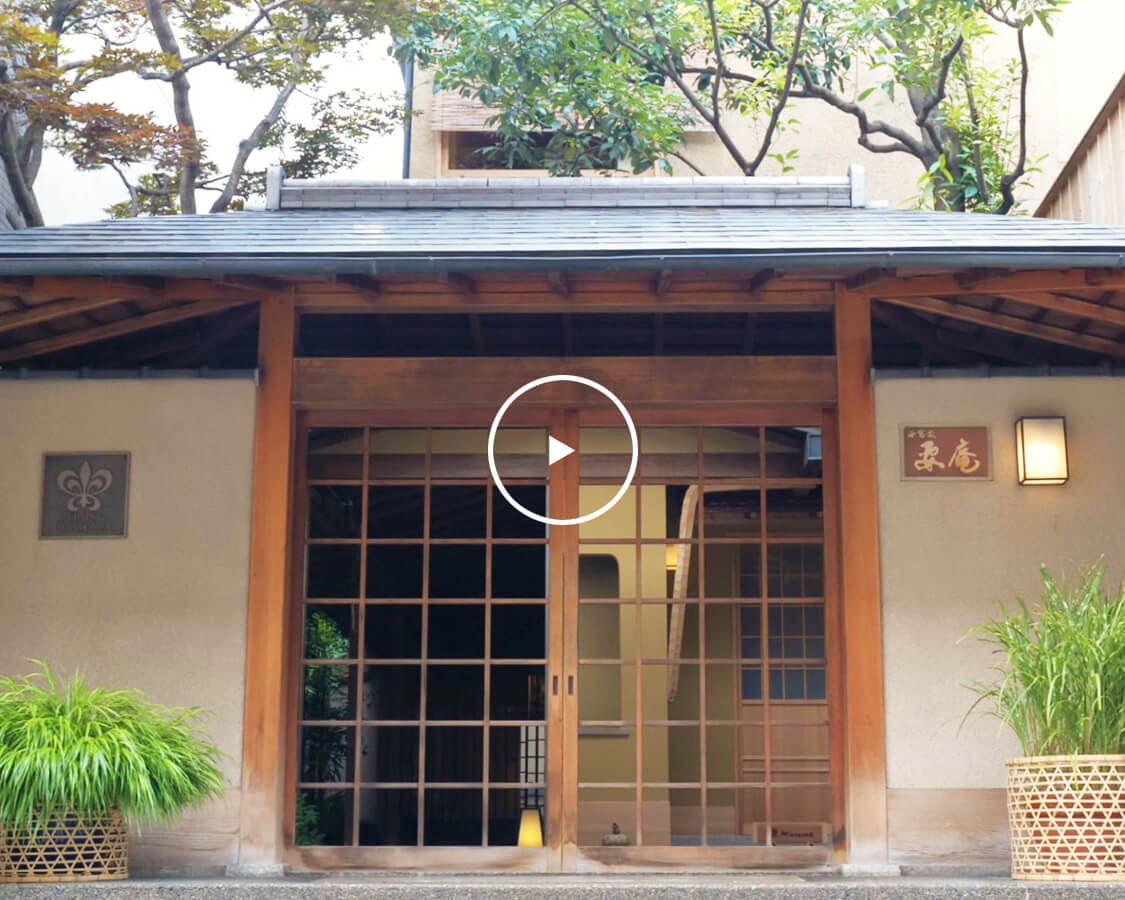

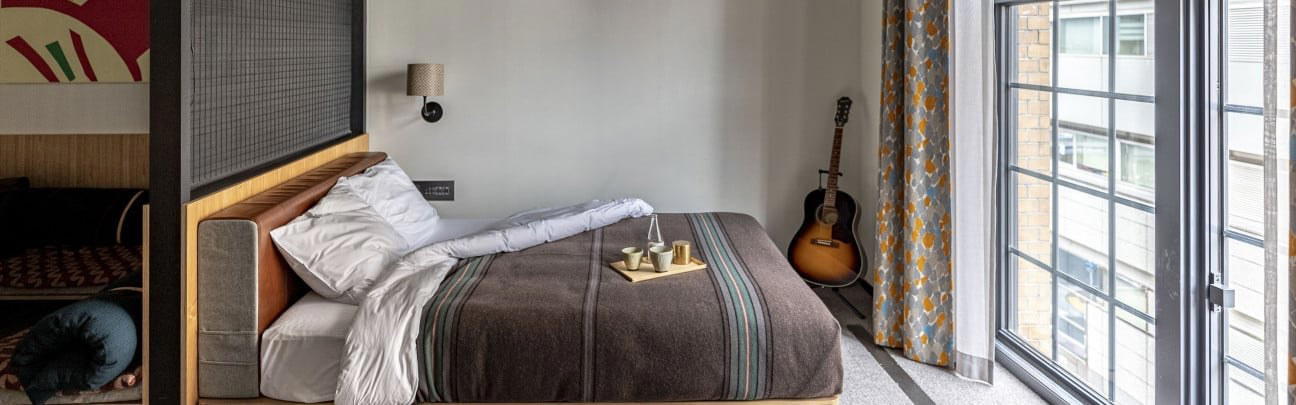
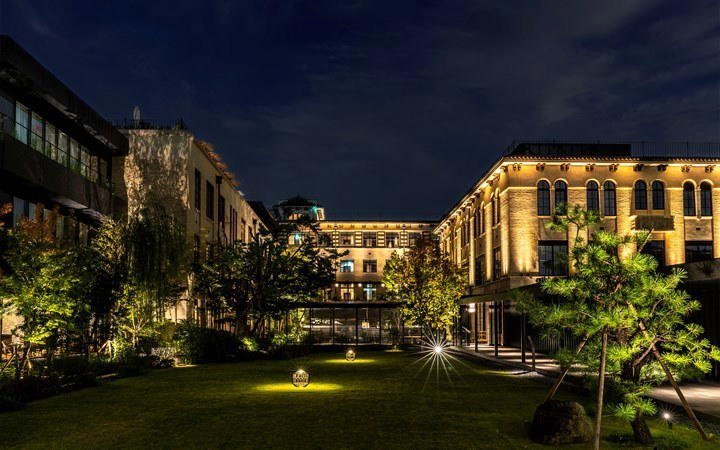
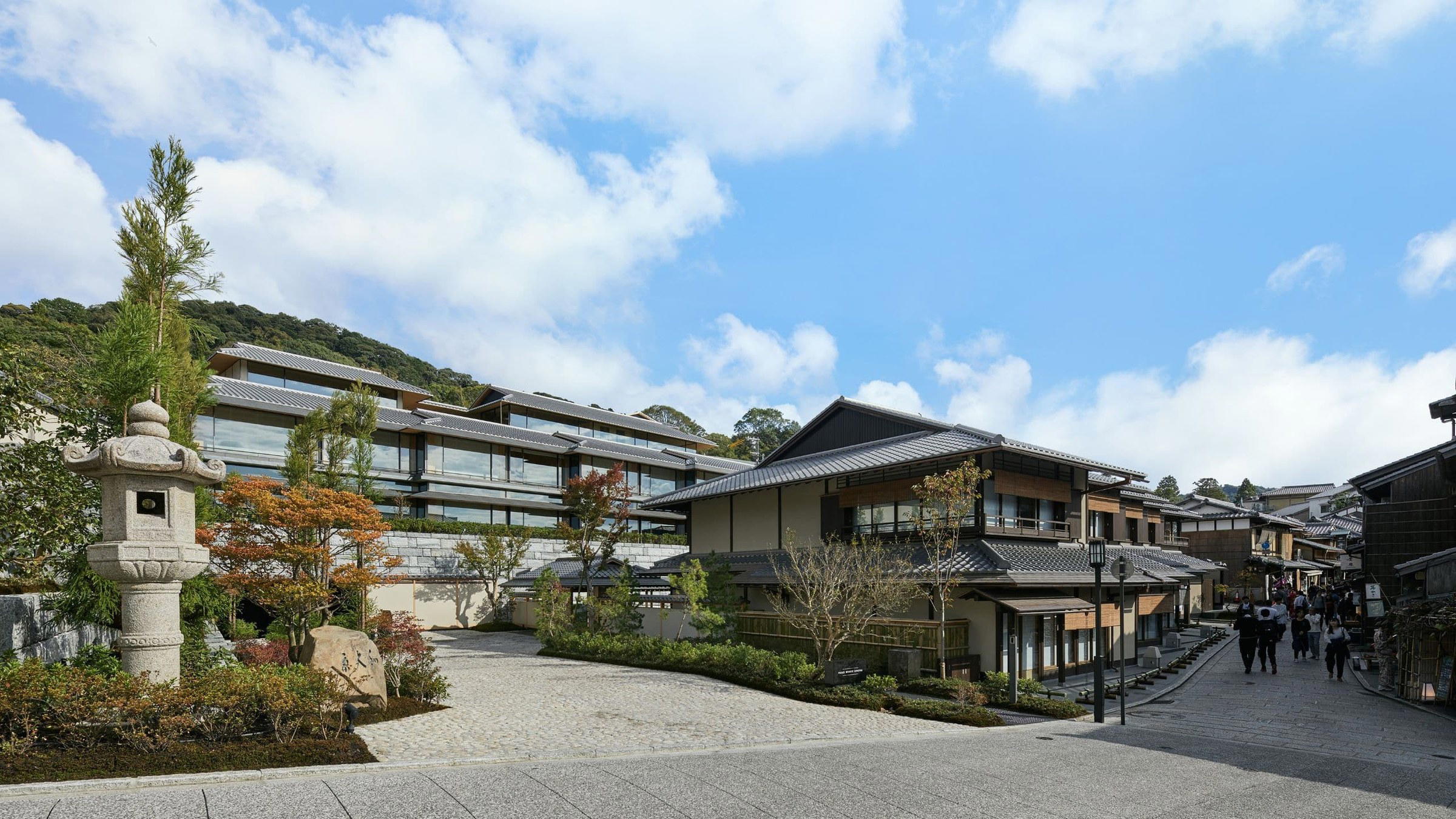
Wineries in Kyoto
Browse all →
At a Glance
- Quiet
- Elegant
- Intimate
- Classic
- Cozy
- Solo
- Special Occasion
- Garden
- Sake Program
- Garden
Current opening hours
- Monday
- 11 AM–7 PM
- Tuesday
- 11 AM–7 PM
- Wednesday
- 11 AM–7 PM
- Thursday
- 11 AM–7 PM
- Friday
- 11 AM–7 PM
- Saturday
- 11 AM–7 PM
- Sunday
- 11 AM–7 PM
Hours can change for holidays and private events. Last verified .
Soft lighting, wooden floors, minimal ornamentation, and calming moss garden views create a serene, intimate atmosphere.