Roppongi's Chinese Fine Dining Tradition and Where 桃仙閣 東京 Sits Within It Tokyo's premium Chinese restaurant scene has long occupied an unusual position: technically categorised as a foreign cuisine yet treated with the same ingredient rigour and...
Pearl is the En Primeur Club membership app — saves, bookings, and concierge access live there. Same editors, same standards.
- Address
- 六本木4-8-7 (六本木嶋田ビル地下1階), 港区, 東京都, 106-0032
 Saves & bookings on Pearl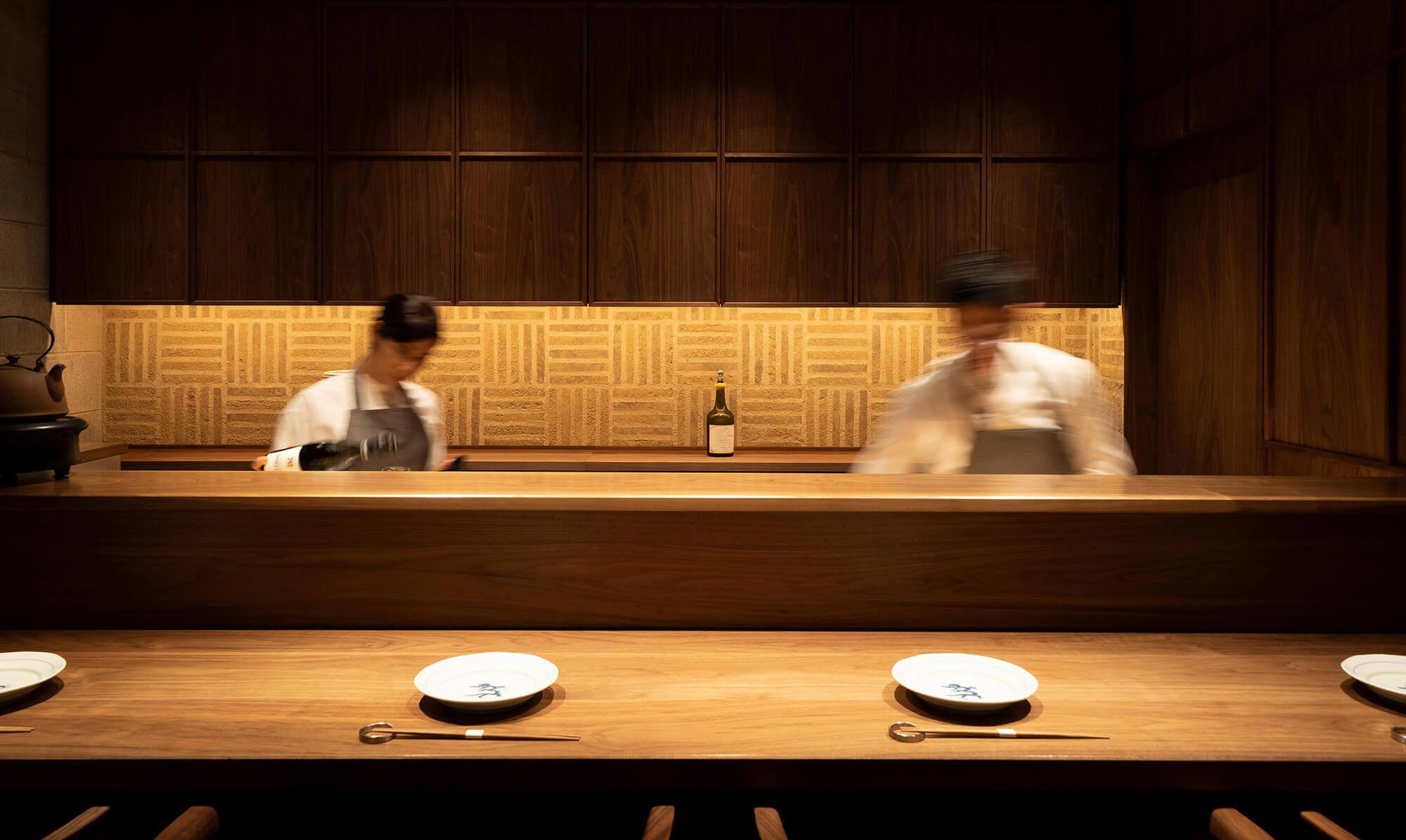
Roppongi's Chinese Fine Dining Tradition and Where 桃仙閣 東京 Sits Within It
Tokyo's premium Chinese restaurant scene has long occupied an unusual position: technically categorised as a foreign cuisine yet treated with the same ingredient rigour and seasonal sensitivity that defines the city's most demanding Japanese kitchens. 桃仙閣 東京 is a traditional Japanese-style Chinese restaurant in Roppongi, Tokyo, with a price tier around $50 per person. In Roppongi specifically, the concentration of high-end Chinese restaurants reflects the district's historical role as a hub for international business dining, where clientele expected formal Chinese cooking to meet the same standards they applied to kaiseki or sushi omakase. 桃仙閣 東京, located in the basement of the Shimada Building at 六本木4-8-7, operates within that tradition, positioned in a neighbourhood where the bar for sourcing and technique has been set by decades of competitive fine dining.
The basement setting is characteristic of a particular category of Tokyo restaurant: the kind that invests almost everything in what arrives at the table rather than in street-level visibility. Some of Tokyo's most seriously regarded counters and private dining rooms sit one floor below ground, where rent economics allow for smaller, more focused operations.
Ingredient Sourcing as the Defining Axis of Premium Chinese Cooking in Tokyo
The ingredient question is particularly pointed for Chinese cuisine in Japan. Unlike French or Italian kitchens, which have established clear procurement pipelines from domestic producers, Chinese fine dining in Tokyo has historically navigated a more complicated sourcing geography: importing specific dried and preserved ingredients from mainland China and Hong Kong while simultaneously integrating Japanese seasonal produce that would be incongruous on menus in Shanghai or Guangzhou.
Most ambitious Chinese restaurants in Tokyo have resolved this tension by treating Japanese ingredient seasons with the same structural attention a kaiseki kitchen would apply. Domestic abalone from Iwate, domestic wagyu, and seasonal vegetables from specific prefectures appear alongside Chinese pantry staples like XO sauce bases, preserved duck, and dried seafood. What results is a cuisine that cannot be easily replicated outside Japan, precisely because it depends on supply chains that intersect at Tokyo rather than originating from a single culinary tradition. RyuGin in Roppongi provides a useful adjacent reference: its kaiseki format also treats Japanese seasonal produce as the primary editorial logic of the menu, and the neighbourhood's dining clientele has been educated by that approach.
For broader comparison across Japan's regional fine dining, operations like HAJIME in Osaka and Gion Sasaki in Kyoto demonstrate how seriously Japan's premium restaurants treat provenance as a competitive differentiator, not merely a marketing claim. The same expectation applies in Tokyo's Chinese fine dining tier.
The Roppongi Context: Neighbourhood Expectations
Roppongi's restaurant density means that any serious operation competes for attention within a district that includes multiple Michelin-starred addresses and sustained critical interest. L'Effervescence and Sézanne represent the French fine dining end of Tokyo's premium spectrum, each Michelin-starred and drawing international reservation lists. Crony adds a more contemporary French-influenced format to the competitive picture. Against that backdrop, Chinese fine dining in Roppongi occupies a distinct niche: the clientele overlap is significant, and sourcing standards migrate across cuisine categories in a city where diners benchmark across formats.
The address at 港区 places 桃仙閣 東京 within Minato Ward, the administrative district that contains Roppongi, Azabu, and Hiroo. That geography has shaped Minato Ward's restaurant supply, creating early demand for formal dining that could satisfy both Japanese and international guests at a serious level.
What Defines the Experience: Format and Atmosphere
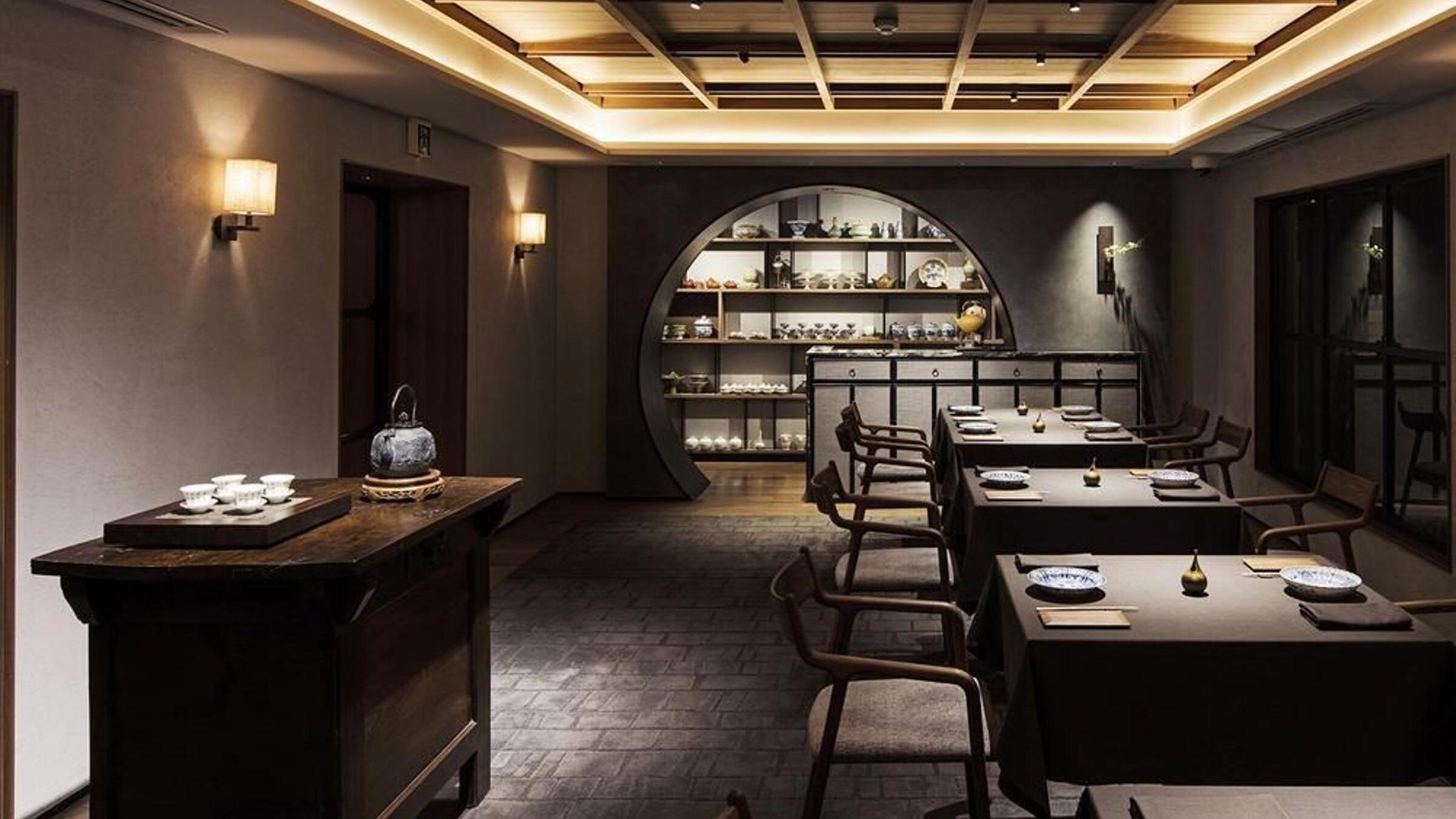
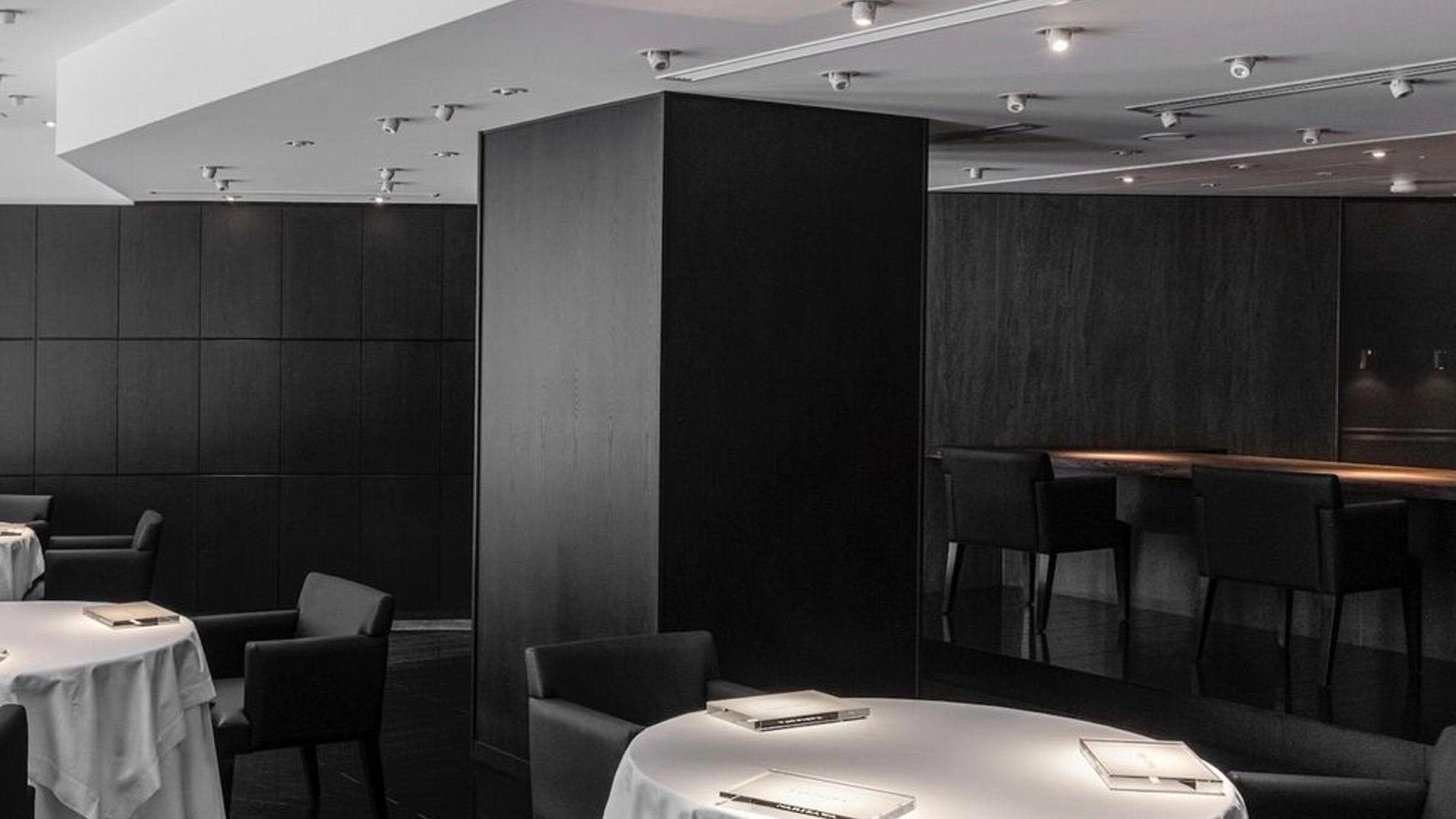
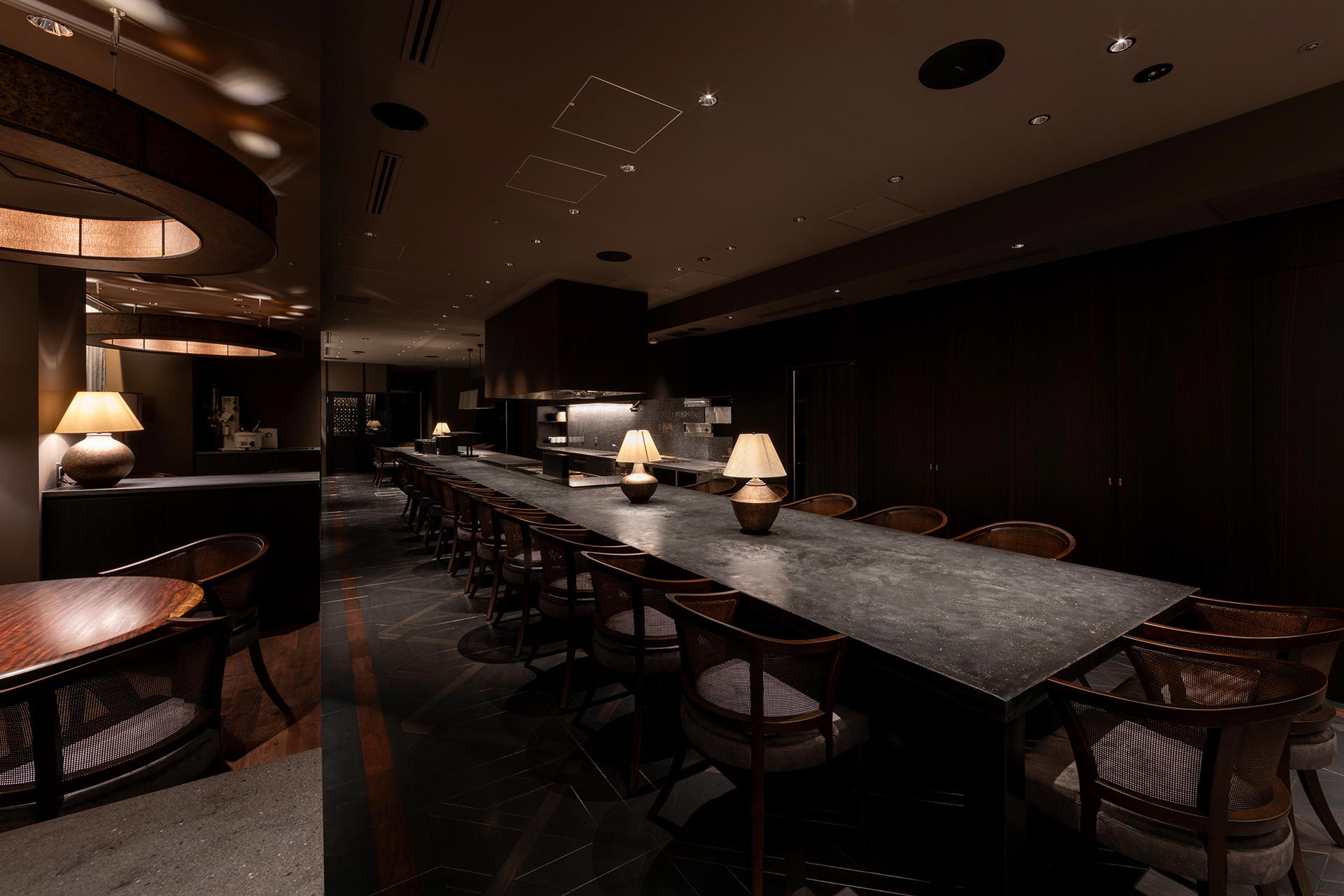
Basement dining rooms in Roppongi tend to create contained, acoustically managed environments that work in favour of long-table business dining and private group meals. Chinese fine dining formats in Tokyo often involve either a set menu structure, which allows the kitchen to control sourcing and preparation timing, or a curated à la carte format that signals confidence in the breadth of the kitchen's capability. Either approach, at this level and location, implies a meaningful advance booking expectation.
The name 桃仙閣 carries classical Chinese literary resonance, referencing a tradition in which peach blossoms signal an idealized, semi-mythological realm, a naming convention common among Chinese restaurants that wish to signal aspirational cultural positioning rather than regional specificity. This places it in a different register from restaurants that foreground a specific regional Chinese cuisine, such as Sichuan or Cantonese, suggesting a menu that draws from the broader Chinese classical cooking tradition.
Japan-Wide Context: Where Tokyo Chinese Fine Dining Fits
Across Japan, the serious regional dining scene extends well beyond Tokyo. Operations like akordu in Nara and Goh in Fukuoka demonstrate how ingredient-sourcing discipline operates as a shared value across geographies and cuisine categories. Even beyond major cities, restaurants such as 三本木 石川製 in Nanao, 夕日ケ丘乃 in Sapporo, 湖西庵墓 in Takashima, and 奥羽扇屋 in Nishikawa Machi reflect how Japan's sourcing culture extends to smaller markets. For those building a broader itinerary, Birdland in Sakai and Bistro Ange in Toyohashi fill out the regional picture further. Internationally, Le Bernardin in New York City and Atomix in New York City offer useful comparisons for how ingredient provenance functions as a structural commitment, not an afterthought, at the premium end of the global dining tier.
Planning Your Visit
桃仙閣 東京 is located at 六本木4-8-7, 六本木嶋田ビル地下1階, 港区, Tokyo 106-0032. The closest subway access is Roppongi Station, served by both the Tokyo Metro Hibiya Line and the Toei Oedo Line. Given the basement location and Roppongi's dense restaurant block, arriving with the address confirmed is advisable. Reservations are recommended.
Pricing, Compared
Comparable venues nearby, for context on price, style, and recognition.
| Venue | Cuisine | Price | Awards | Notes |
|---|---|---|---|---|
| 桃仙閣 東京This venue — the venue you are viewing | $$$ | , | ||
| 赤坂 四川飯店 | $$$ | , | Akasaka / Nagatacho, Classic Sichuan Chinese | |
| Chinese Bed | Shibuya, Modern Chinese | $$$ | , | |
| Hoei | Bunkyō, Shanghai-Sichuan Chinese | $$$ | , | |
| Masa's Kitchen 47 | Shibuya, Modern Creative Chinese | $$$ | ||
| Mikokoro Mutenka China 935 | $$$ | , | Chiyoda, Additive‑Free Modern Chinese |








At a Glance
- Hidden Gem
- Elegant
- Classic
- Intimate
- Sophisticated
- Business Dinner
- Date Night
- Group Dining
- Casual Hangout
- Late Night
- Private Dining
- Extensive Wine List
- Sake Program
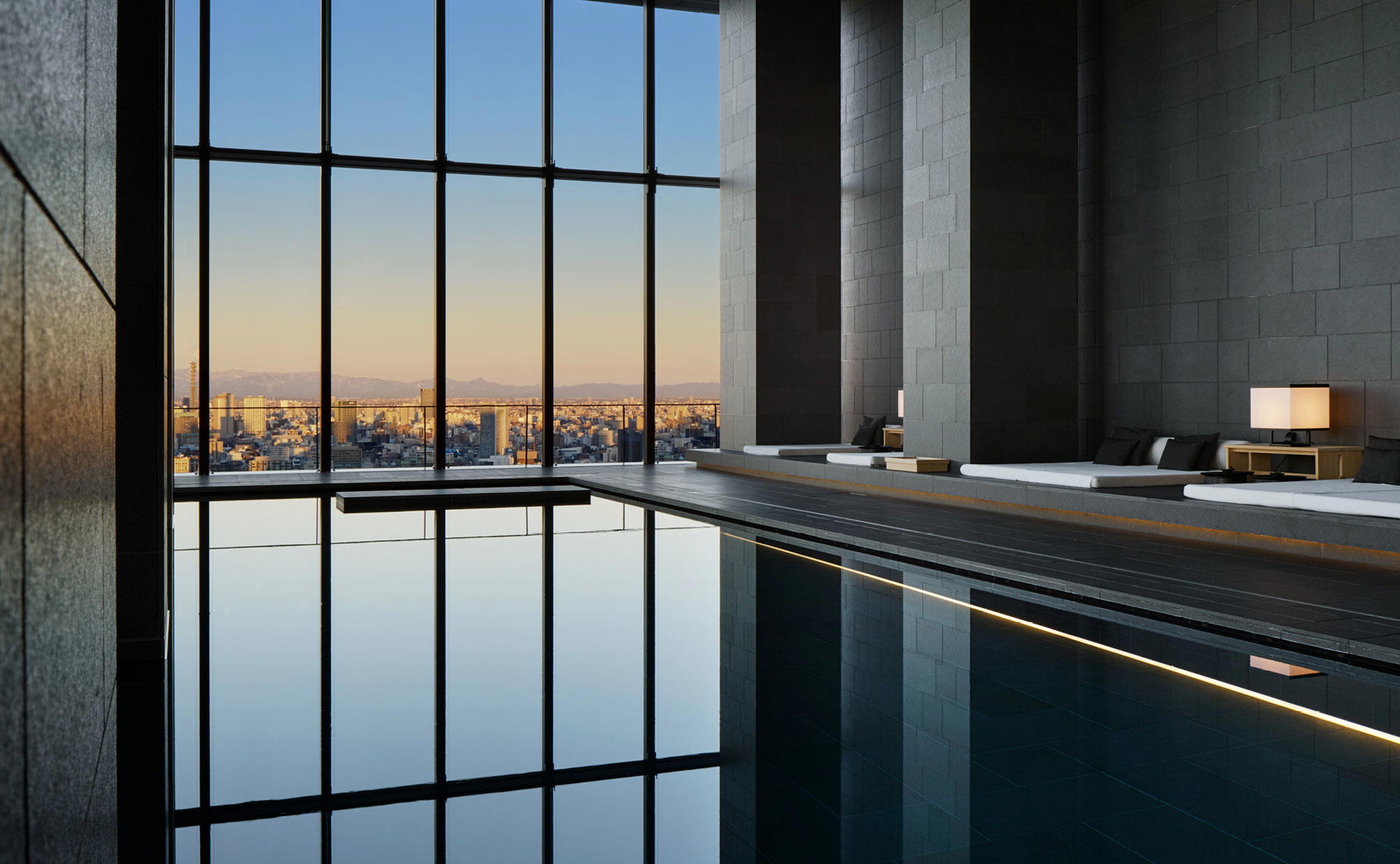
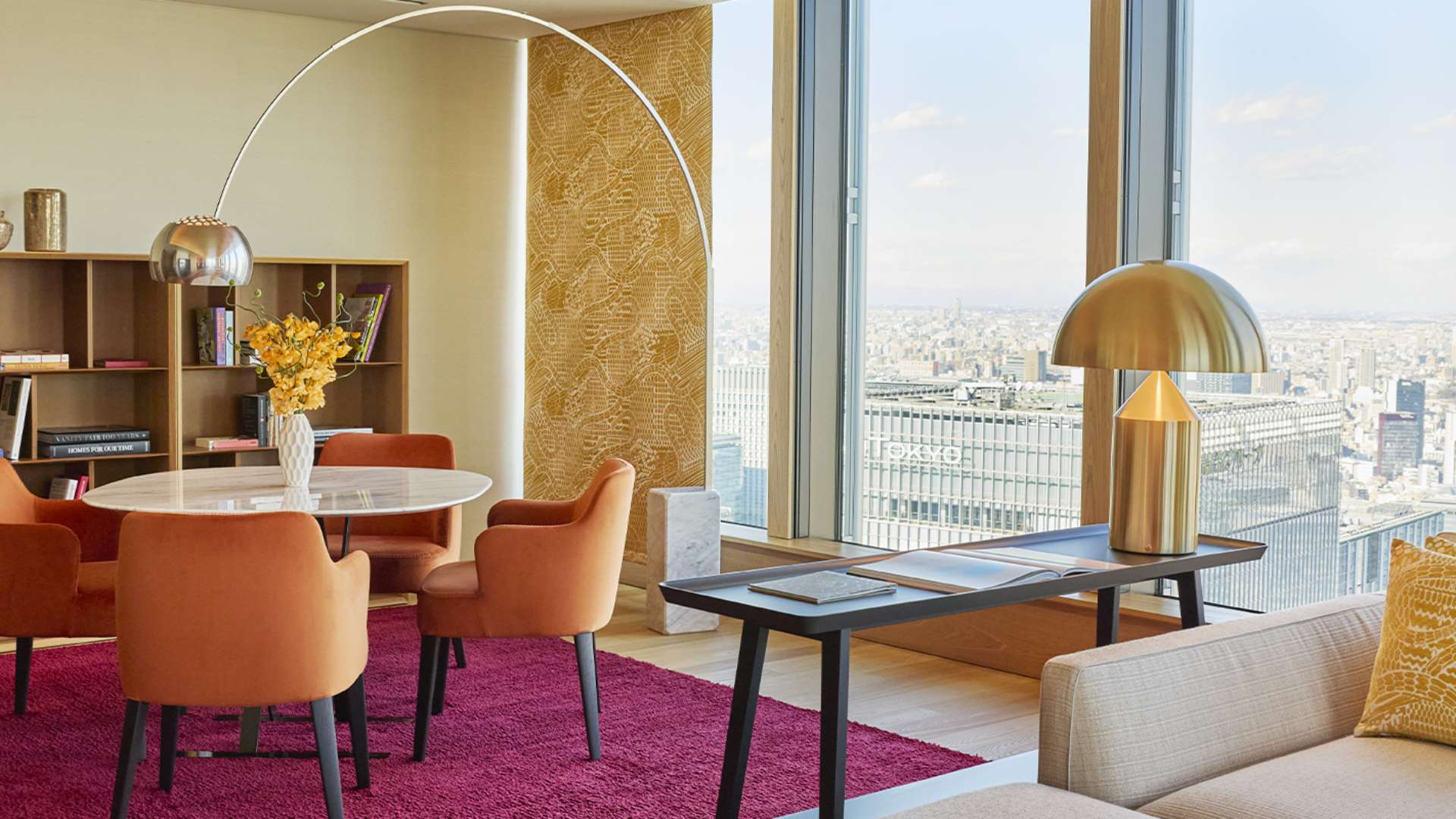
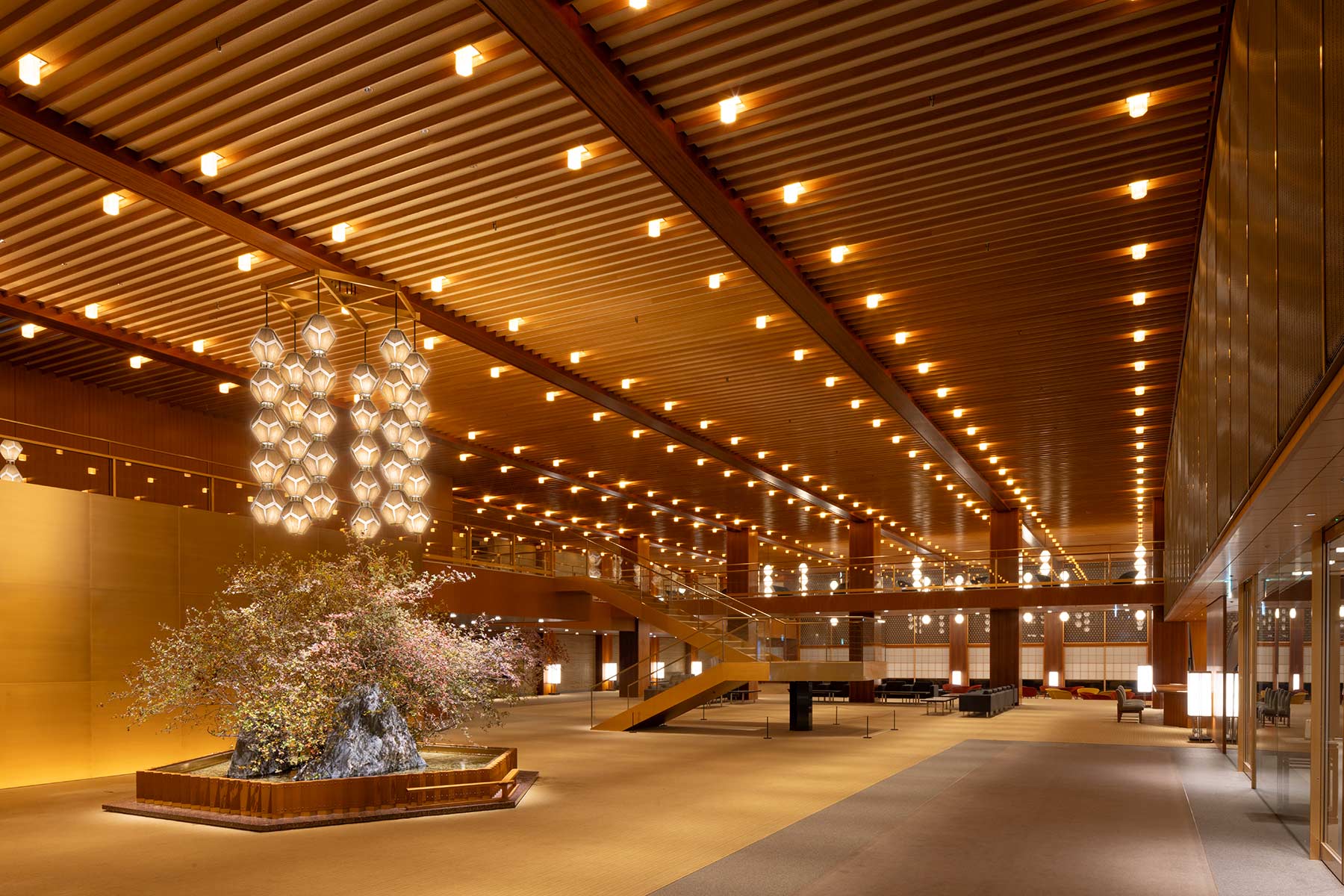
Subtly upscale with dim lighting creating a nostalgic, comfortable atmosphere reminiscent of a classic Chinese restaurant, featuring counter, dining, and multiple private rooms.