
Hoei brings Tokyo’s serious Chinese dining conversation into Honkomagome rather than the usual central restaurant corridors. Its Tabelog Chinese TOKYO “Tabelog 100” selections in 2024 and 2026, 19-seat scale, Sichuan and tantan-men framing, and fish-focused kitchen place it in a compact, neighbourhood-driven tier where recognition matters more than spectacle.
Pearl is the En Primeur Club membership app — saves, bookings, and concierge access live there. Same editors, same standards.
- Address
- Japan, 〒113-0021 Tokyo, Bunkyo City, Honkomagome, 3 Chome−1−8 COCOPLUS本駒込 1F
- Phone
- +81 3-5834-7113
- Website
- houei-chuka.com
 Saves & bookings on Pearl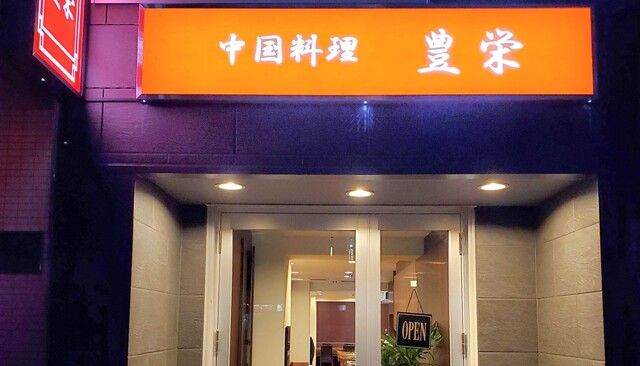
Honkomagome does not announce dinner with Ginza polish or Shinjuku voltage. Its quieter approach is a Bunkyo address, low-rise street rhythm, and a meal rooted in the neighbourhood before Tokyo’s restaurant circuit. That setting matters: Tokyo Chinese dining spans hotel Cantonese rooms, student noodle counters, Sichuan specialists, and luxury tasting menus. Hoei occupies a narrower band: small-format Chinese cooking with Sichuan and tantan-men references, particular attention to fish, and enough critical recognition to draw diners north of the usual central routes.
The 19-seat scale shapes the experience before the menu does. This is not banquet-house territory; counter and sofa seating are listed among the facilities rather than private-room choreography. In Tokyo, that size changes how Chinese food is read: less volume, range, and table diplomacy; more sequence, pacing, and a kitchen’s ability to make familiar categories feel edited. The Tabelog Chinese TOKYO “Tabelog 100” selections in 2024 and 2026 give the restaurant a clear trust signal in a category where many serious addresses remain local knowledge rather than guidebook fixtures.
Honkomagome gives Chinese dining a different tempo
Bunkyo’s dining character is less nightlife density than repeat use: residents, university traffic, temple routes, and station-adjacent restaurants that must work on ordinary evenings, not only destination weekends. That geography makes a Chinese restaurant read differently from a hotel district or late-night entertainment zone. The setting strips away theatre and puts pressure on the cooking itself: Chinese, Sichuan, and tantan-men are the listed anchors, with drinks framed around shochu and wine rather than a large-format banquet cellar.
That combination says something about contemporary Tokyo. Chinese cooking has moved beyond the old binary of grand Cantonese rooms and quick neighbourhood ramen-adjacent comfort. The sharper middle tier now includes small restaurants borrowing the discipline of Japanese counter culture while keeping Chinese seasoning, noodles, and shared-dish logic in play. Hoei belongs to that conversation because it is neither priced nor formatted like a casual noodle stop, yet does not present itself as a hotel dining room. It shows how a compact restaurant can be taken seriously without severing ties to neighbourhood eating.
Comparison comes from the surrounding Tokyo field rather than a single rival. Spice Bar Kozaburo sits lower on the dinner spend band, while Chuka Chotoku is listed in a more everyday range; both show how elastic Tokyo’s Chinese-adjacent and spice-led categories can be. Hoei’s dinner and lunch bands place it above those casual brackets, with award selections supporting its move into a more deliberate dining tier. For travellers, the question is not simply “Chinese in Tokyo,” but whether the evening calls for a compact, recognised, reservation-led meal rather than a quick neighbourhood bowl.
Small scale, Sichuan references, and fish as a signal
The strongest clue to the kitchen’s angle is not a chef biography or long philosophy statement; it is the category mix. Chinese, Sichuan, and tantan-men put heat, oil, aroma, and noodle culture in frame, while stated attention to fish pulls the restaurant away from a purely meat-and-spice reading. Tokyo often excels at this adaptation. Imported culinary forms are tightened around ingredient sourcing, portion control, and service rhythm rather than simply reproduced. A fish-conscious Chinese restaurant in Bunkyo reflects the city’s habit of making regional cuisines answer to local expectations of precision.
The 19-seat count also changes expectations. Large Chinese meals reward group size and breadth; small rooms reward focus. At this scale, course selection, party size, and pacing matter more than in a bigger dining room. Private use and a maximum seated party size of 20 suggest the room can flex for groups, but its daily identity is compact. For solo diners or pairs, that is an advantage: the meal can be a deliberate dinner rather than a negotiation among a dozen shared plates.
Tabelog’s 3.76 score adds context. In Japan’s restaurant culture, especially on Tabelog, high-three scores carry weight because user scoring tends to be conservative compared with many Western platforms. More meaningful is repeated Chinese TOKYO “Tabelog 100” inclusion. It places the restaurant inside a curated Tokyo category, not merely as a local Bunkyo address with good word of mouth. That helps visitors with limited meals who need external validation without defaulting to Michelin-led itineraries.
How to place it in a Tokyo itinerary
The sensible use case is a focused dinner or weekend lunch built around northern Tokyo, not a rushed detour between major sightseeing stops. Honkomagome Station proximity makes access simple by Tokyo standards, but the meal’s value is tied to slowing the itinerary down. Pairing it with Bunkyo’s calmer geography gives the evening coherence; treating it as an afterthought between Ginza shopping and Shibuya bars misses the point. This is for travellers who know Tokyo’s food intelligence is not concentrated only in famous districts.
Payment and reservation details require attention because small Tokyo restaurants often run on tighter operational rules than visitors expect. Cash-only payment is listed, preschool-aged children are not accepted at dinner, and course rules apply for larger parties. There is also a same-day cancellation fee structure tied to the course fee, making speculative booking a poor strategy. These are not quirks; they are how a small room protects capacity and pacing. Come with a fixed plan, keep the party size honest, and do not treat the booking as flexible.
For broader Tokyo dining, this address sits between the city’s casual depth and trophy tables. It has enough recognition to justify a planned reservation, enough neighbourhood character to avoid feeling interchangeable, and a compact scale that keeps the meal from becoming anonymous. For adjacent planning, EP Club’s Tokyo coverage can triangulate the wider field: Our full Tokyo restaurants guide, Our full Tokyo hotels guide, Our full Tokyo bars guide, Our full Tokyo wineries guide, and Our full Tokyo experiences guide offer the city-level frame.
Within the restaurant map, contrasts sharpen the choice. 鮪と炭火焼き うお炭 秋葉原店 points toward tuna and charcoal in Akihabara, 12/10 Shinjuku ten places the night in Shinjuku, 124. KAGURAZAKA (Yakitori) shifts the lens to grilled chicken, 2D Cafe works a different visual register, and 3 Chome no Curry Ya San shows how specific Tokyo can be even in comfort categories. Wider Japan and overseas references, from -Grilled beef Sukiyaki- KAMAKURA TANUKIAN 鎌倉 たぬき庵 in Kamakura,.cafe in Osaka,.know in Kumamoto, (Shoku) Vietnam in Kawasaki, [Curry Senmon Ten] Maruyama Kyoju. in Sapporo, and [ki:] in Kyoto to Jōdo Saké Bar in Los Angeles and Onigiri Time in Pasadena, underline the same editorial point: category matters less than how tightly a place defines its scale, setting, and reason to be booked.
The Short List
Comparable venues to calibrate price, style, and recognition.
| Venue | Cuisine | Price | Notes |
|---|---|---|---|
| HoeiThis venue — the venue you are viewing | Bunkyō, Shanghai-Sichuan Chinese | $$$ | |
| Chugoku Ikkyosai Bai En | $$$ | Taitō, Authentic Chinese course restaurant | |
| Chinese Hanten Ichigaya ten | $$$ | Chiyoda, Seasonal Shanghai Chinese (Chuugokuhanten Ichigaya) | |
| Kohakukyu | $$$ | Chiyoda, Cantonese and Shanghainese Fine Dining | |
| 南方中華料理 南三 | Shinjuku, Taiwanese | , | |
| Reikasai | $$$ | Minato, Qing Dynasty Imperial Chinese Cuisine |








At a Glance
- Modern
- Sophisticated
- Intimate
- Hidden Gem
- Date Night
- Business Dinner
- Solo
- Special Occasion
- Private Event
- Group Dining
- Standalone
- Design Destination
- Private Dining
Modern and chic, with a quiet, relaxed atmosphere designed to feel like an urban hideaway.