
Mikokoro Mutenka China 935 sits in Tokyo’s smaller, occasion-ready Chinese dining tier: intimate, seafood-leaning, and serious enough for business meals without drifting into hotel-restaurant formality. Its Tabelog 100 Chinese cuisine Tokyo 2026 selection, 18-seat scale, private-room option, and course-plus-à-la-carte structure make it a useful address for milestone dinners around Jimbocho and Kanda Ogawamachi.
Pearl is the En Primeur Club membership app — saves, bookings, and concierge access live there. Same editors, same standards.
- Address
- Japan, 〒101-0052 Tokyo, Chiyoda City, Kanda Ogawamachi, 3 Chome−22 2F
- Phone
- +81 3-5577-2822
 Saves & bookings on Pearl
On the second floor in Kanda Ogawamachi, the room signals a different side of Tokyo Chinese dining: compact rather than grand, controlled rather than theatrical, and built for meals where the table matters as much as the cooking. Jimbocho is better known for bookshops, curry counters, and student-era appetites, yet its position between Ochanomizu, Awajicho, and central Chiyoda also supports a quieter business-dinner circuit. Mikokoro Mutenka China 935 belongs to that circuit: 18 seats, private rooms for small parties, and a seafood-and-Sichuan-leaning Chinese format that reads as occasion dining without the stiffness of a hotel dining room.
Tokyo Chinese cooking for the private-room occasion
Tokyo’s serious Chinese restaurants split into several camps. There are grand Cantonese rooms with banquet energy, Sichuan specialists built around heat and oil, and smaller chef-led addresses that use Japanese sourcing habits to tighten the format. This restaurant sits in the last group. The listed categories are Chinese, Seafood, and Sichuan, with fish and a health-and-wellness menu noted as part of the food identity. That combination matters in Tokyo, where premium Chinese dining often succeeds when it avoids excess and treats seasoning as structure rather than volume.
The occasion angle is clear. Tabelog lists business use as a frequent recommendation, and the room size reinforces that reading: an 18-seat restaurant cannot absorb large, noisy traffic in the way a banquet hall can. Private rooms are available for two or four, while private use extends up to 20 people. For an anniversary, a senior-client dinner, or a family milestone that needs privacy, that scale is more useful than a famous room with a larger reservation book and less control over the evening’s rhythm.
Recognition gives the address its competitive weight. Selection for Tabelog 100 Chinese cuisine Tokyo 2026 places it among a curated group in a city where Chinese cooking ranges from everyday noodles to tasting-menu luxury. It was also selected in 2024 and 2023, which matters more than a single appearance because repeat inclusion suggests consistency across Tokyo’s crowded Chinese category. The Tabelog score is 3.74, a level that signals strong local traction in a market where scoring tends to be conservative.
Seafood, Sichuan structure, and a restrained price tier
The cooking is framed around Chinese cuisine with seafood and Sichuan elements, and the restaurant’s own positioning emphasizes no chemical seasonings, traditional seasonings, rich soups, and both course and à la carte options. Mapo tofu is named among the dishes, but the more useful point for planning is format: this is not a single-menu-only counter, nor is it a casual lunch specialist with dinner added as an afterthought. The price band sits at JPY 8,000 to JPY 9,999 for dinner and JPY 1,000 to JPY 1,999 for lunch, with review-based dinner spend shown higher at JPY 10,000 to JPY 14,999. That keeps it below Tokyo’s grander luxury Chinese rooms while moving well beyond the neighborhood’s student-friendly curry and coffee economy.
That contrast is sharp around Jimbocho. HINATA-YA, Curry Rice Senmon Ten Ethiopia Honten, Soup Curry Ya Oodori Chiyoda kandasurugadai ten, Curry Ya Banbi, and Koseto Coffee Ten all operate in the JPY 1,000 to JPY 1,999 band, which defines the area’s everyday lunch grammar. Mikokoro Mutenka China 935 uses the same neighborhood access but a different evening proposition: a compact room, course-capable Chinese cooking, wine and shochu alongside the meal, and a service environment suited to adults conducting a meal with intent.
Chef details are not the main story here, though the listed restaurant highlight names Chef Owner Inoue and ties the kitchen to selected ingredients and additive-free Chinese cooking. In Tokyo, that language can be empty when used as branding. Here it gains support from the award history, the narrow seat count, and the fish-led orientation. The appeal is not novelty; it is a controlled middle path between casual Chinese comfort and high-ceremony dining.
Where it fits in a Tokyo itinerary
For travelers, the restaurant works particularly well when the day is already centered on Chiyoda: bookshops in Jimbocho, museums and universities around Ochanomizu, or meetings in the Kanda corridor. It is close enough to major rail links to fit a structured evening, but the neighborhood does not carry the same late-night dining churn as Shinjuku or Ginza. That makes it better for a focused dinner than a spontaneous crawl.
The planning profile is specific. Lunch runs as a lower-cost entry point, while dinner carries the occasion value and a 5 percent service charge. Reservations are available by phone, dinner is limited to middle-school age and above, and children are allowed only during Saturday lunch. Weekday lunch sets are cash-only, while cards are accepted for lunch courses and dinner. Those details make it a poor choice for an improvised family stop, but a strong candidate for an adult celebration where privacy, pacing, and a measured price ceiling matter.
For broader Tokyo mapping, compare it against nearby and category-adjacent listings rather than treating it as an isolated destination: . 鮪と炭火焼き うお炭 秋葉原店, 12/10 Shinjuku ten, 124. KAGURAZAKA (Yakitori), 2D Cafe, and 3 Chome no Curry Ya San. Citywide planning is better handled through Our full Tokyo restaurants guide, with parallel context from Our full Tokyo hotels guide, Our full Tokyo bars guide, Our full Tokyo wineries guide, and Our full Tokyo experiences guide.
Readers extending the trip beyond Tokyo can use it as a reference point for how Japanese dining categories shift by city and format: -Grilled beef Sukiyaki- KAMAKURA TANUKIAN 鎌倉 たぬき庵 in Kamakura,.cafe in Osaka,.know in Kumamoto, (Shoku) Vietnam in Kawasaki, [Curry Senmon Ten] Maruyama Kyoju. in Sapporo, [ki:] in Kyoto, Jōdo Saké Bar in Los Angeles, and Onigiri Time in Pasadena. The useful verdict is simple: choose Mikokoro Mutenka China 935 when the night calls for a compact Tokyo Chinese room with award recognition, seafood focus, and enough privacy for a serious table.
In Context: Similar Options
Side-by-side context: comparable cuisine and price.
| Venue | Cuisine | Price | Awards | Notes |
|---|---|---|---|---|
| Mikokoro Mutenka China 935This venue — the venue you are viewing | Additive‑Free Modern Chinese | $$$ | , | |
| Chinese Sai Chirin | Modern Chinese with Shaoxing wine and Yunnan qiguo specialties | $$$ | , | Shinjuku |
| Cantonese en | Modern Cantonese for Beauty and Health | $$$ | , | Chiyoda |
| Chinese Sai ARATA | Modern Sichuan Chinese with Japanese wine pairings | $$$ | , | Chūō |
| Shangri-La's secret ROPPONGI | Yunnan Mushroom Hot Pot | $$$ | , | Minato |
| Chinese Shindai | Innovative Chinese Chef’s Counter | $$$ | , | Shibuya |








At a Glance
- Elegant
- Modern
- Cozy
- Intimate
- Hidden Gem
- Date Night
- Business Dinner
- Special Occasion
- Group Dining
- After Work
- Private Dining
- Standalone
- Design Destination
- Beer Program
- Extensive Wine List
- Local Sourcing
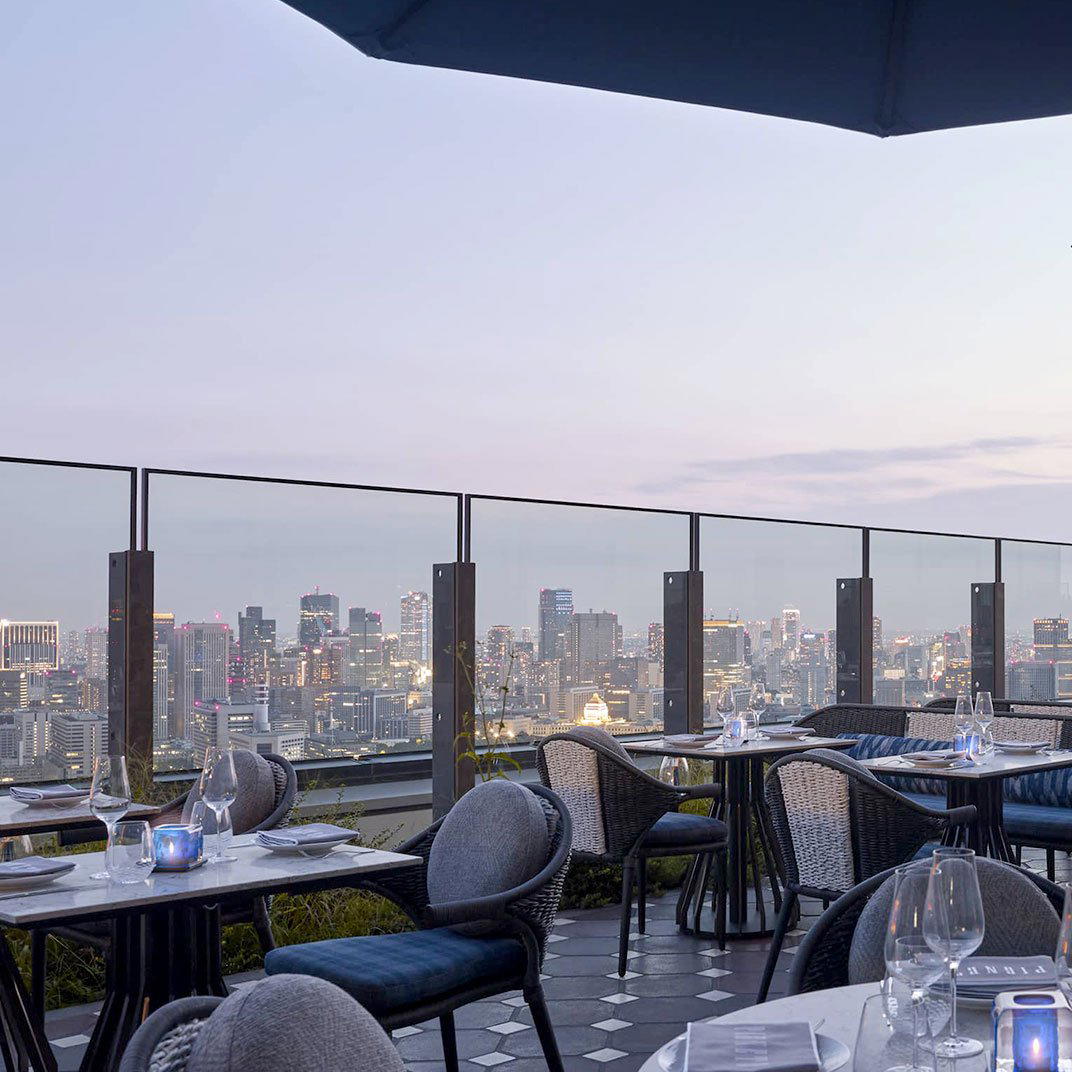
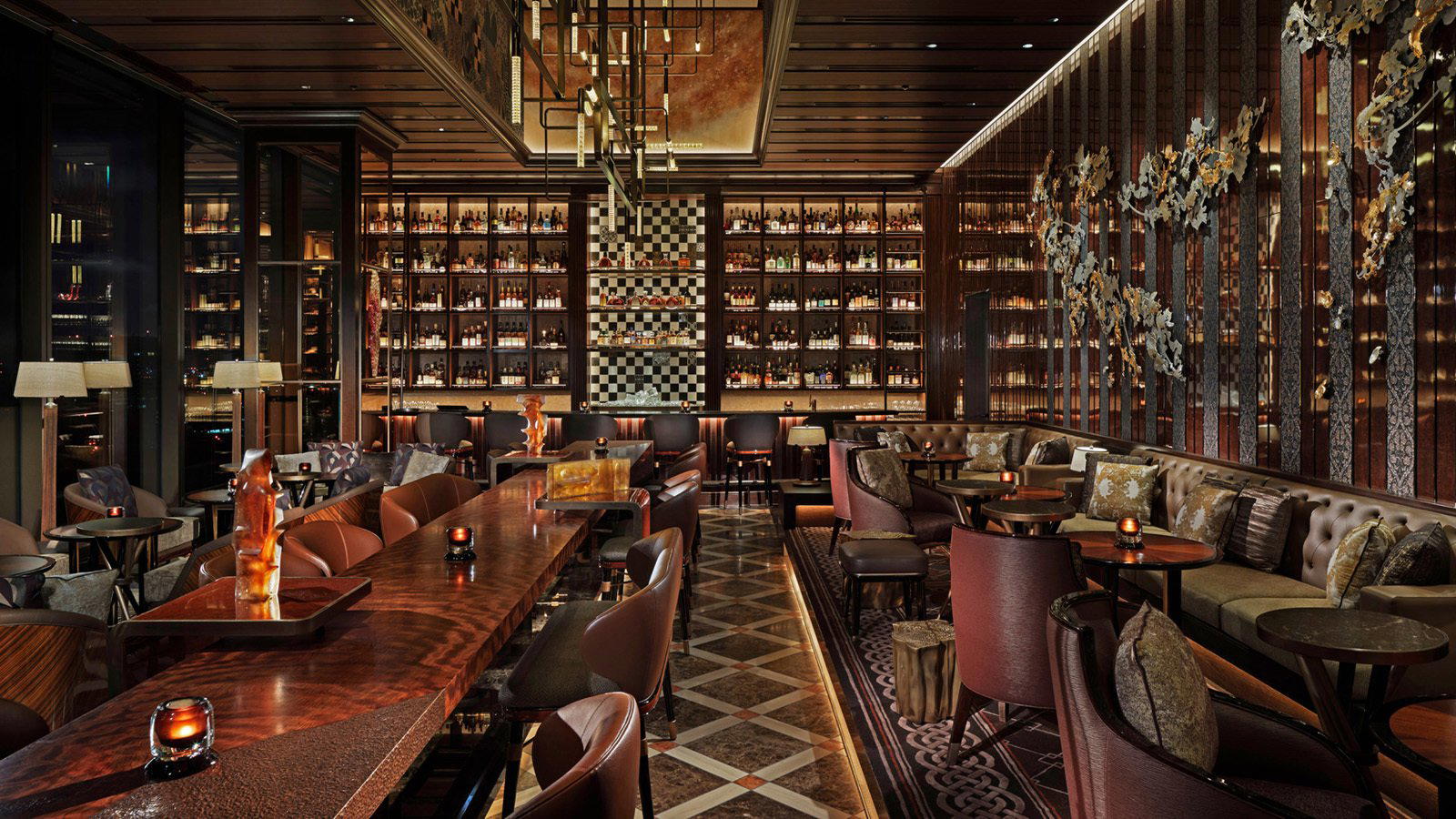
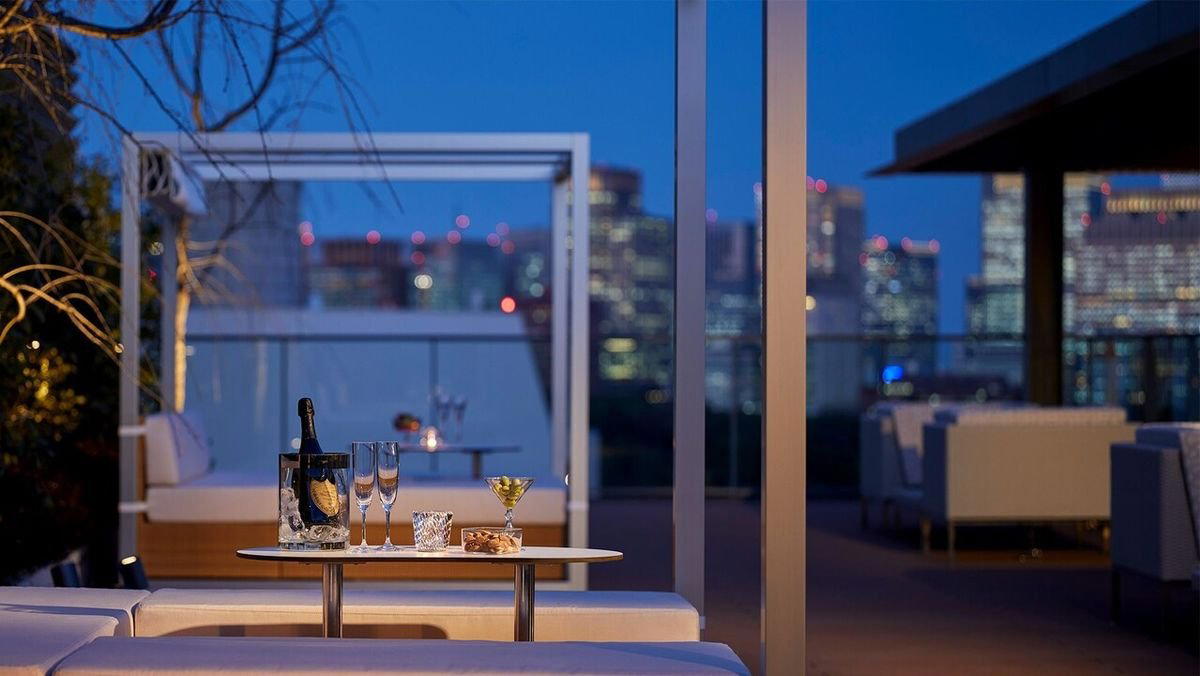
A small, white‑toned and stylish dining room with a chic yet relaxed feel, offering quiet, attentive service and a calm atmosphere suited to leisurely course meals rather than a bustling Chinese canteen.