
赤坂 四川飯店 places Sichuan cooking inside Tokyo’s long-running appetite for regional Chinese traditions, with heat, fragrance and banquet-room polish treated as cultural language rather than novelty. Its Black Pearl Restaurant Guide 2026 two-diamond recognition puts it in a cross-border evaluation frame, useful for diners reading Tokyo beyond sushi, tempura and kaiseki.

Pearl is the En Primeur Club membership app — saves, bookings, and concierge access live there. Same editors, same standards.
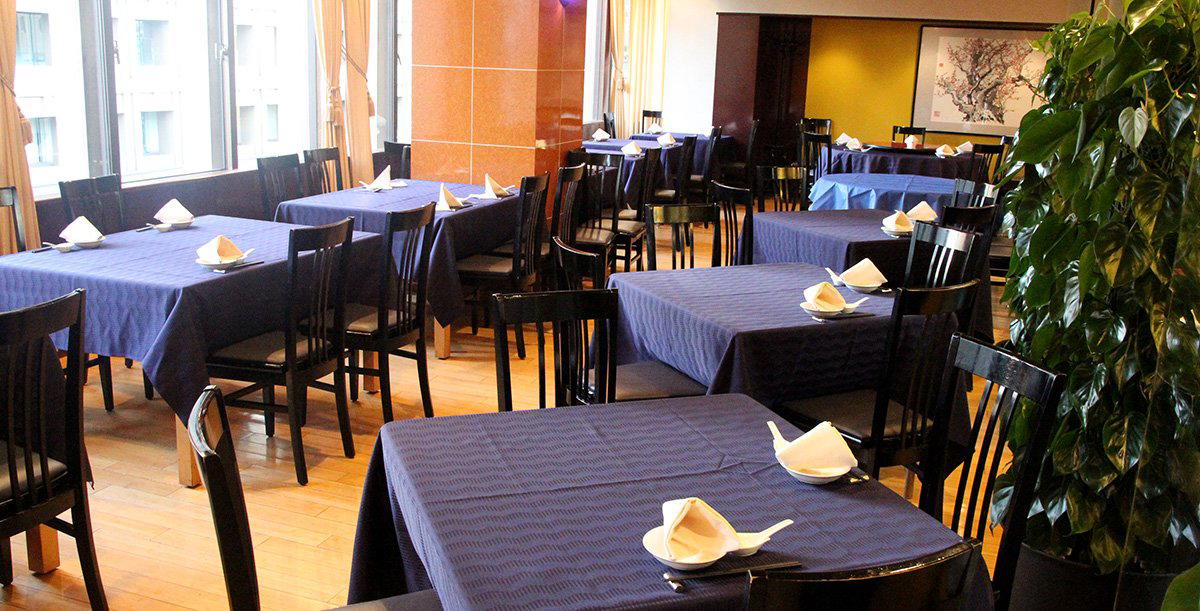
Tokyo’s Chinese dining rooms often announce themselves less through spectacle than through rhythm: the movement of shared plates, the clipped pace of service, the table’s gradual shift from appetite to conversation. 赤坂 四川飯店 belongs to that older urban grammar, where Sichuan cooking is read through a Japanese metropolitan lens rather than reduced to chilli heat alone. In a city that can make regional cuisines feel almost micro-specialized, this room matters because it keeps Sichuan’s broader register in view: aroma, oil, sourness, numbing spice, sweetness, smoke and the social logic of dishes built to be shared.
Sichuan cooking in Tokyo is about structure, not just fire
The lazy shorthand around Sichuan cuisine is heat, but serious Sichuan cooking is built on layering. Mala is only one part of the argument. Fermented bean pastes, dried chillies, Sichuan pepper, vinegar, garlic, ginger and stock all work differently depending on whether a dish is cold, braised, stir-fried or sauced at the table. Tokyo’s relationship with this cuisine has long been shaped by adaptation: spice levels moderated for some rooms, sharpened for others, and translated through the city’s preference for precision, clean pacing and controlled portions.
That context is where 赤坂 四川飯店 earns attention. The Black Restaurant Guide 2026 lists it among two-diamond restaurants, a recognition that matters because Black evaluates Chinese dining with a fluency different from Western award systems. In Tokyo, where Michelin-led conversations can dominate international dining coverage, that signal places the restaurant inside a Sinophone critical frame. It also helps explain why the address is relevant to travellers who already know the city’s sushi counters and kaiseki rooms and want a more complete reading of its dining culture.
Akasaka adds another layer. The district’s dining identity is less theatrical than Ginza and less youth-coded than Shibuya; it has long suited political, corporate and diplomatic meals, with restaurants that understand privacy, pacing and group dining. Sichuan food fits that setting when treated as banquet cuisine rather than street-food pastiche. The point is not a performative chilli challenge. The point is balance across a table: one dish carrying fragrance, another texture, another heat, another relief.
The cultural value is in the table, not the solo plate
Many visitors arrive in Tokyo trained to think in counters: sushi, yakitori, tempura, ramen. Sichuan dining asks for a different instinct. It rewards breadth over singularity and conversation over silence. A meal makes more sense when several dishes can be ordered across temperature, texture and intensity, allowing the cuisine’s internal contrasts to become clear. That is why Chinese dining rooms in Tokyo often work better for pairs and groups than for solitary destination eating.
This distinction also separates serious regional Chinese restaurants from the city’s more casual Chinese-Japanese comfort canon. Tokyo has plenty of gyoza, ramen-adjacent stir-fries and neighbourhood set meals. Sichuan cuisine, when presented with ambition, belongs to a different lineage: banquet culture, regional technique and an understanding of spice as architecture. 赤坂 四川飯店 is useful in that reading because its recognition comes from a guide with specific authority in Chinese restaurant evaluation, not only from local popularity or general luxury signals.
For broader city planning, place this meal alongside Tokyo’s other dining modes rather than in competition with them. The city can stretch from charcoal-led Japanese cooking to café culture and curry specialists in a single day. Readers building a wider itinerary can cross-reference Our full Tokyo restaurants guide, then branch into nearby categories through Our full Tokyo bars guide, Our full Tokyo hotels guide, Our full Tokyo experiences guide and Our full Tokyo wineries guide. For contrast inside the restaurant directory, the city’s range runs from. 鮪と炭火焼き うお炭 秋葉原店, 12/10 Shinjuku ten and 124. KAGURAZAKA (Yakitori) to 2D Cafe and 3 Chome no Curry Ya San.
How to read it against Japan's wider dining map
Japan’s regional dining spread is not limited to Tokyo, and the comparison is useful for travellers moving between cities. A Tokyo Sichuan meal has a different cultural function from beef sukiyaki in Kanagawa, a Kyoto counter, a Sapporo curry specialist or a sake-led room in Los Angeles. The directory range makes that clear through addresses such as -Grilled beef Sukiyaki- KAMAKURA TANUKIAN 鎌倉 たぬき庵 in Kamakura.cafe in Osaka.know in Kumamoto, (Shoku) Vietnam in Kawasaki, [Curry Senmon Ten] Maruyama Kyoju. in Sapporo, [ki:] in Kyoto, Jōdo Saké Bar in Los Angeles and Onigiri Time in Pasadena.
The editorial case for the restaurant is therefore not that it replaces Tokyo’s canonical Japanese meals. It expands the picture. Tokyo is a capital of imported cuisines as much as native forms, and Chinese dining has shaped how the city eats at lunch, at banquets and in business rooms. A Sichuan table in Akasaka, backed by Black two-diamond recognition in 2026, gives that influence a formal address. For travellers who want Tokyo to be more than a sequence of counters, it is a useful correction.
Comparable venues nearby, for context on price, style, and recognition.
| Venue | Cuisine | Price | Notes |
|---|---|---|---|
| 赤坂 四川飯店This venue — the venue you are viewing | Classic Sichuan Chinese | $$$ | Not listed |
| Chinese Sai Chirin | Modern Chinese with Shaoxing wine and Yunnan qiguo specialties | $$$ | Shinjuku |
| Tousenkaku | Modern Chinese Fine Dining | $$$ | Minato |
| Chinese Hanten Mita ten | Classic Chinese restaurant known for Peking duck | $$$ | Minato |
| Chinese Hanten Ichigaya ten | Seasonal Shanghai Chinese (Chuugokuhanten Ichigaya) | $$$ | Chiyoda |
| Tsukushi Rou Ebisu ten | Luxury shark fin–focused Chinese (Ebisu flagship) | $$$$ | Shibuya |
Recognition history
Dated appearances from independent guides and award organizations, with the underlying list record or original source where available.
Black Pearl 2 Diamond
Black Pearl








At a Glance
- Classic
- Lively
- Elegant
- Well Known
- Business Dinner
- Group Dining
- Family
- Celebration
- After Work
- Private Event
- Private Dining
- Standalone
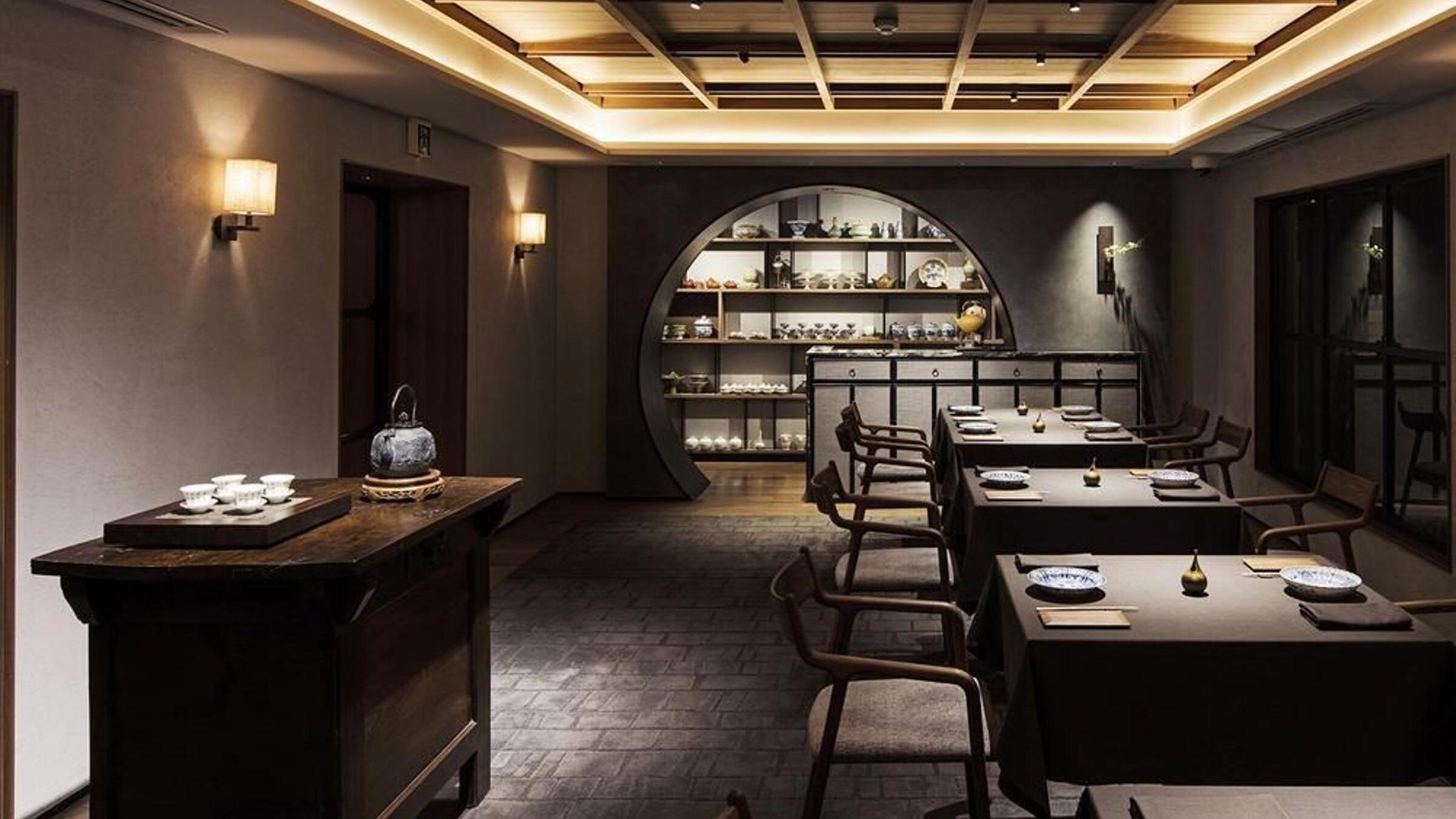
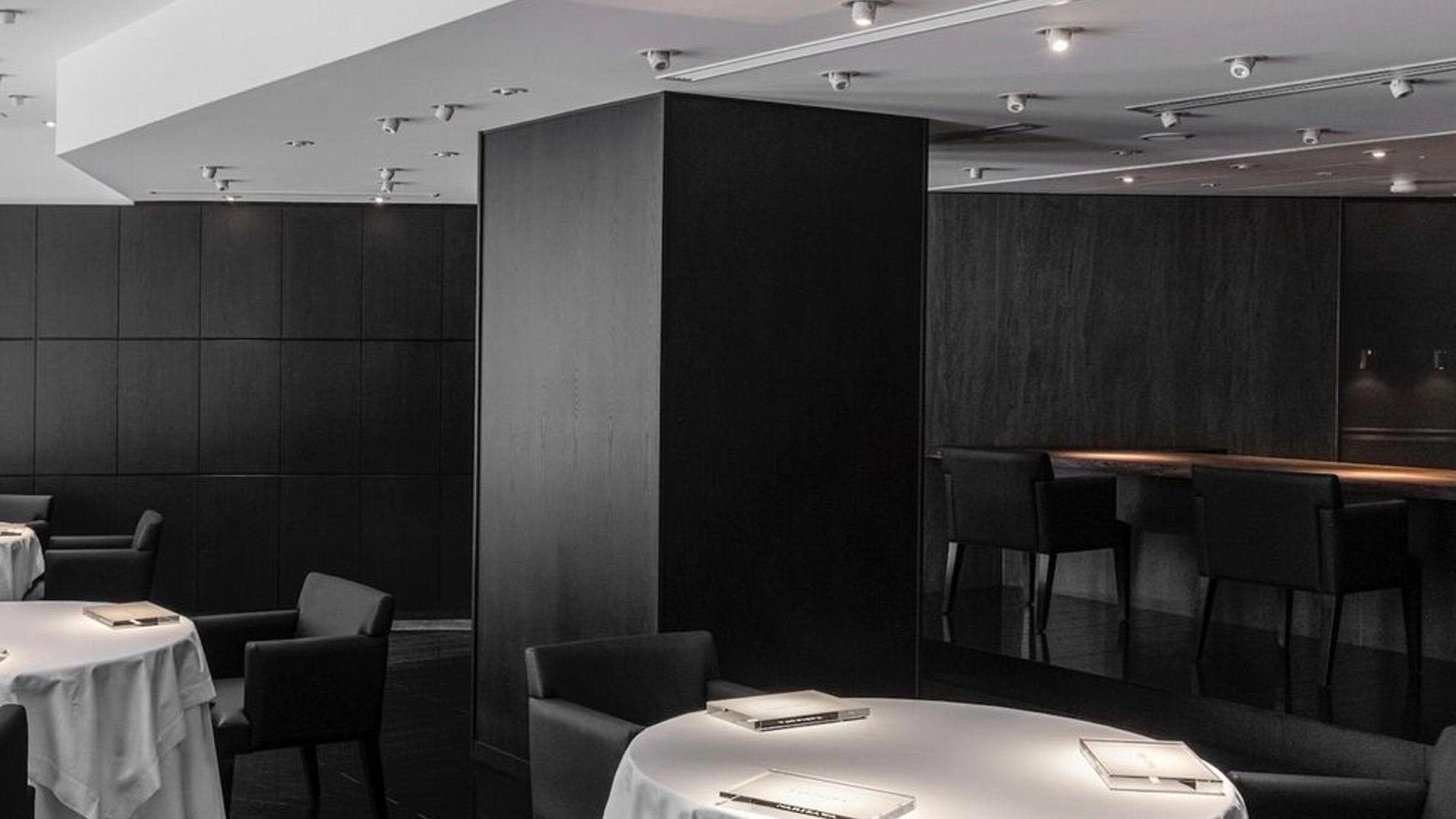
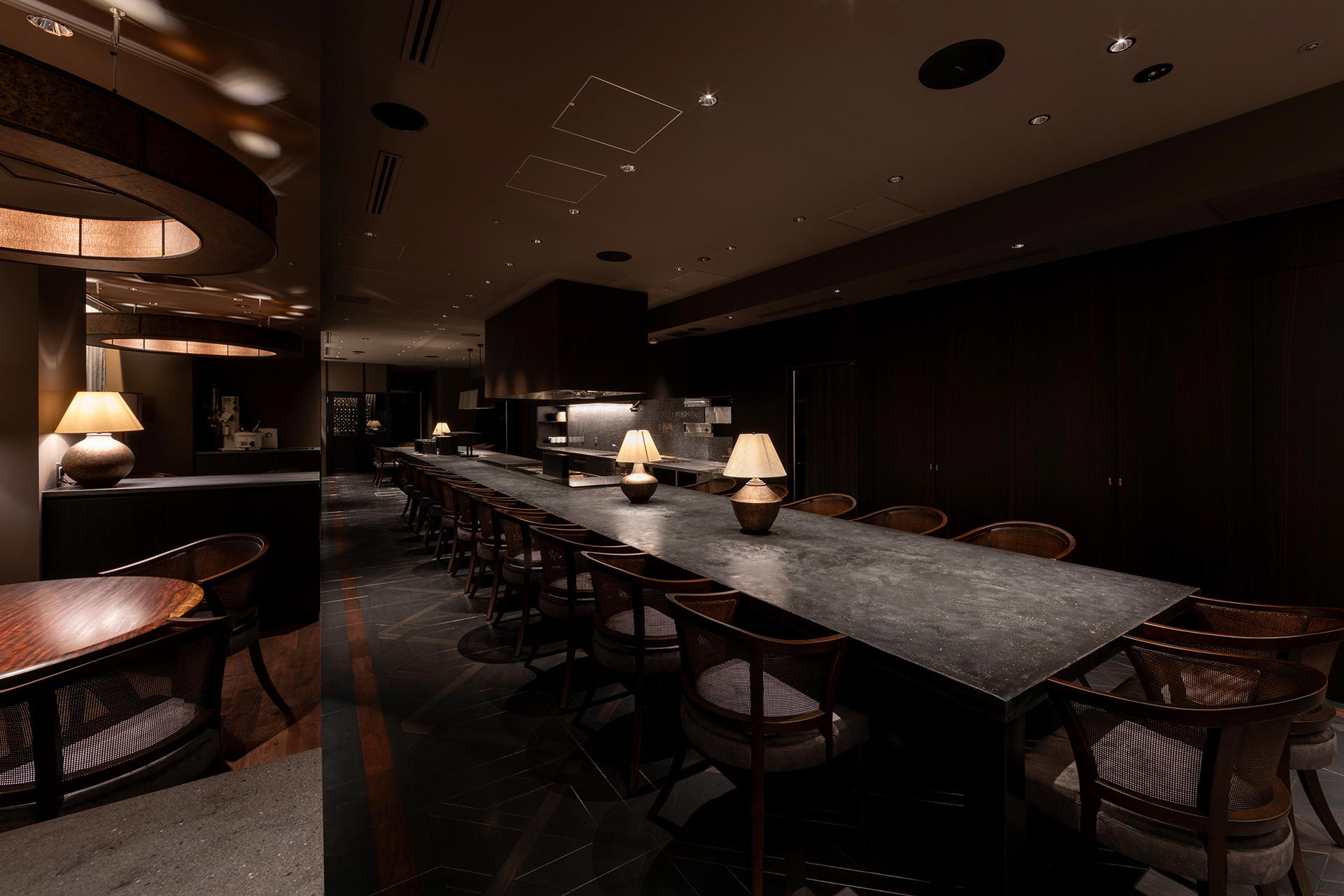
Large, traditional Chinese restaurant in an office-building convention hall setting, with bright, comfortable table seating on the 6th floor and extensive private rooms and banquet spaces on the 5th floor; atmosphere is bustling and lively at peak times but still polished enough for business entertaining and family celebrations.