Situated in Akasaka's quieter residential stretch near Nogizaka station, 乃木坂 しん occupies a low-profile ground-floor space that contrasts sharply with the high-visibility corridors of nearby Roppongi. The restaurant draws a local following attuned to the difference between daytime and evening service, each carrying its own rhythm and menu logic. For visitors to Tokyo's serious dining circuit, it represents the kind of address that rewards advance planning over spontaneous visits.
Pearl is the En Primeur Club membership app — saves, bookings, and concierge access live there. Same editors, same standards.
- Address
- Japan, 〒107-0052 Tokyo, Minato City, Akasaka, 8 Chome−11−19 エクレール乃木坂 関根ビル 1F
- Phone
- +81367210086
- Website
- nogi-s.com
- Directions
- Get directions
 Saves & bookings on Pearl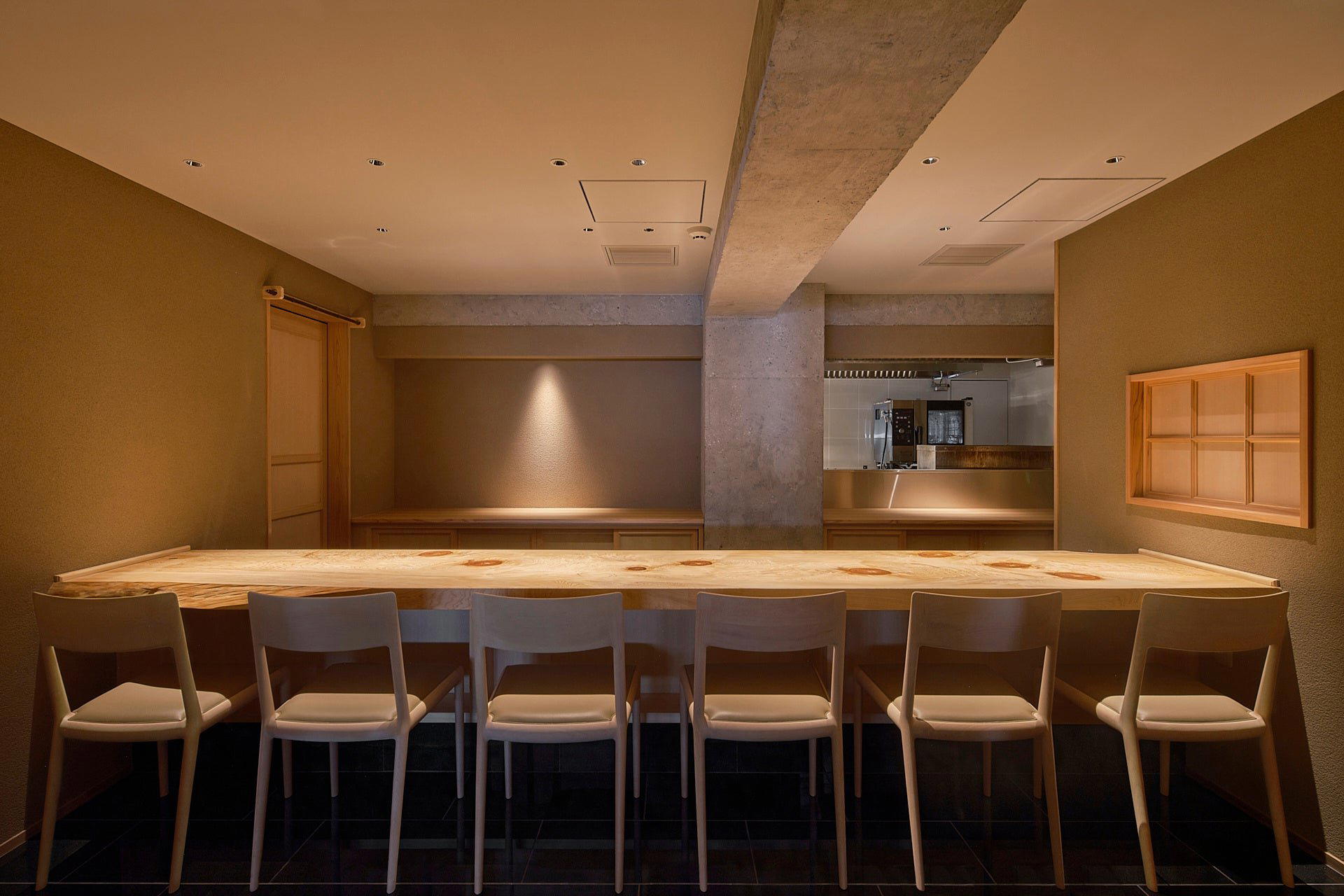
Akasaka After Dark, and Before It
Tokyo's fine dining geography tends to concentrate around a handful of high-signal postcodes: Ginza for the counter omakase tier, Minami-Aoyama for the French-inflected rooms, Roppongi for the internationally oriented tasting menus. Akasaka sits adjacent to all of this but operates on a slightly different register. The neighborhood's restaurant culture skews toward repeat clientele over tourist traffic, and the streets around Nogizaka station carry that quiet-confidence quality you find in areas where the dining is serious but the signage is not. Located on the ground floor of a low-rise building at 8-11-19 Akasaka in Minato City, it fits that pattern precisely.
That address places it in interesting proximity to some of Tokyo's most discussed restaurants without being absorbed into their orbit. RyuGin and L'Effervescence operate in adjacent zones and define what the premium dinner tier looks like at the ¥¥¥¥ level. しん reads against that backdrop rather than inside it, which shapes how both daytime and evening visits feel.
The Lunch-Dinner Divide in Japanese Fine Dining
Across Tokyo's serious restaurants, the gap between lunch and dinner service is rarely just a price difference. It reflects distinct hospitality philosophies. Dinner is where theater and pacing take precedence; courses extend, lighting dims, and the kitchen operates in a register closer to performance. Lunch, by contrast, tends to be more compressed and, in many rooms, more technically transparent. The kitchen shows its methodology more directly because there is less ceremony built around it.
This divide is especially pronounced in Japanese restaurants where the core cooking tradition, whether kaiseki, kappo, or something in between, demands a different kind of attention at midday than at night. Autumn and winter lunch seatings, when daylight shifts the mood of any dining room, are often when the food logic becomes most legible. The restrained elegance of a Japanese interior in afternoon light changes the reading of a dish in ways that the same dish under evening service cannot replicate.
For visitors building a Tokyo itinerary, understanding this distinction matters practically. A lunch visit to a restaurant like しん offers a compressed version of the kitchen's argument, usually at a lower price point, while a dinner reservation opens the full conversational length of the menu. Neither is simply a lesser version of the other; they are different propositions, and choosing between them depends on what the trip can accommodate. If the aim is to cover significant ground across a multi-restaurant week, pairing, say, a Ginza counter visit to Harutaka with a French-influenced room like Sézanne, a lunch format at a neighborhood address like しん allows the itinerary to breathe without sacrificing seriousness.
Placing しん in the Tokyo Dining Circuit
Tokyo's mid-to-upper tier dining market has expanded and diversified significantly since the mid-2000s. Where once Michelin recognition was the primary sorting mechanism, the city's dining scene now offers multiple parallel signals: reservation scarcity, local-press attention, word of mouth among the Tokyo food community, and the quiet endorsement of returning professional clientele. Restaurants in the Akasaka-Nogizaka zone tend to accumulate the latter types of recognition rather than competing for the former.
This positions しん alongside a cohort of Tokyo restaurants that attract committed local diners alongside international visitors who have moved past the obvious headline addresses. The comparison set is less about price tier and more about intention: rooms where the cooking is the primary communication and the hospitality infrastructure is designed to support that rather than perform around it.
For context on what that looks like elsewhere in the Japanese dining circuit, Gion Sasaki in Kyoto and HAJIME in Osaka occupy similar positions in their respective cities: serious kitchens with reputations built on substance rather than spectacle. Goh in Fukuoka and akordu in Nara extend that pattern further into the regions, showing how Japan's premium dining conversation has distributed itself well beyond Tokyo in recent years. Addresses like 一本木 恵川製 in Nanao and 湖畔荘 in Takashima reinforce the point: the country's most considered cooking is no longer concentrated in its three major metros.
What the Neighborhood Tells You
The physical address at Eclaire Nogizaka Sekine Building is not the kind of location that announces itself. First-floor restaurant spaces in residential Akasaka tend to rely on footfall from established clientele rather than walk-in discovery, and that self-selection process shapes who is in the room on any given evening. The dining public that finds this kind of address is usually one meal ahead of the guidebook cycle, which in Tokyo moves fast enough that the gap between discovery and overexposure can be measured in months.
That dynamic is not specific to しん. It characterizes how a number of serious Tokyo restaurants sustain their character over time. Crony operates with a similar logic at the French-innovative end of the spectrum. The common thread is a deliberate restraint on the hospitality theatrics that tend to accelerate visibility at the cost of the dining experience itself.
For a broader map of where this restaurant sits relative to Tokyo's full premium dining circuit, the range spans counter sushi through multi-course French and everything in between. Regional comparisons are also worth considering: 古往今来之 in Sapporo, 庄羽屋 in Nishikawa Machi, and Birdland in Sakai each represent the same instinct, serious cooking in low-profile rooms, applied to different ingredients and traditions. For international reference points at the summit of that seriousness scale, Le Bernardin in New York City and Atomix show how comparable restaurants position themselves in markets where the competition for dining attention is even noisier. And addresses like Bistro Ange in Toyohashi demonstrate the reach of serious hospitality into Japan's secondary cities.
Planning Your Visit
Akasaka is well connected by Tokyo Metro, with Nogizaka station on the Chiyoda Line providing direct access. The Minato City location places it within reasonable distance of both the Roppongi dining corridor and the Aoyama commercial strip, making it a practical midpoint for visitors moving between neighborhoods. Reservation planning for a neighborhood address of this type typically requires contact well in advance, particularly for evening seatings on weekends. Autumn and early winter are worth prioritizing if seasonal cooking is part of the itinerary; the ingredient availability and indoor atmosphere in those months align well with the kind of cooking this area of Tokyo tends to support. Lunch is a lower-pressure entry point if a full evening reservation is difficult to secure.
Peers You’d Cross-Shop
Comparable venues nearby, for context on price, style, and recognition.
| Venue | Cuisine | Price | Notes |
|---|---|---|---|
| 乃木坂 しんThis venue — the venue you are viewing | Modern Kaiseki | $$$ | Not listed |
| Akasaka Tan-tei | Okinawan Kaiseki | $$$ | Akasaka |
| Jumbo Shirokane | Premium Wagyu Yakiniku | $$$ | Minato |
| Hiromiya No.3 | Yakiniku (Japanese BBQ) set-course | $$$ | Shinjuku |
| sumiyaki kadota or yourisu zuki | Charcoal-grilled Japanese diner & motsunabe | $$$ | Shibuya |
| Soba Sasuga | Traditional Ginza soba with 100% buckwheat noodles | $$$ | Chūō |










At a Glance
- Elegant
- Intimate
- Sophisticated
- Modern
- Date Night
- Business Dinner
- Special Occasion
- Chefs Counter
- Extensive Wine List
- Sake Program
- Sommelier Led
- Local Sourcing
Current opening hours
- Monday
- 5:30–11 PM
- Tuesday
- 5:30–11 PM
- Wednesday
- 5:30–11 PM
- Thursday
- 5:30–11 PM
- Friday
- 5:30–11 PM
- Saturday
- 5:30–11 PM
- Sunday
- Closed
Hours can change for holidays and private events. Last verified .
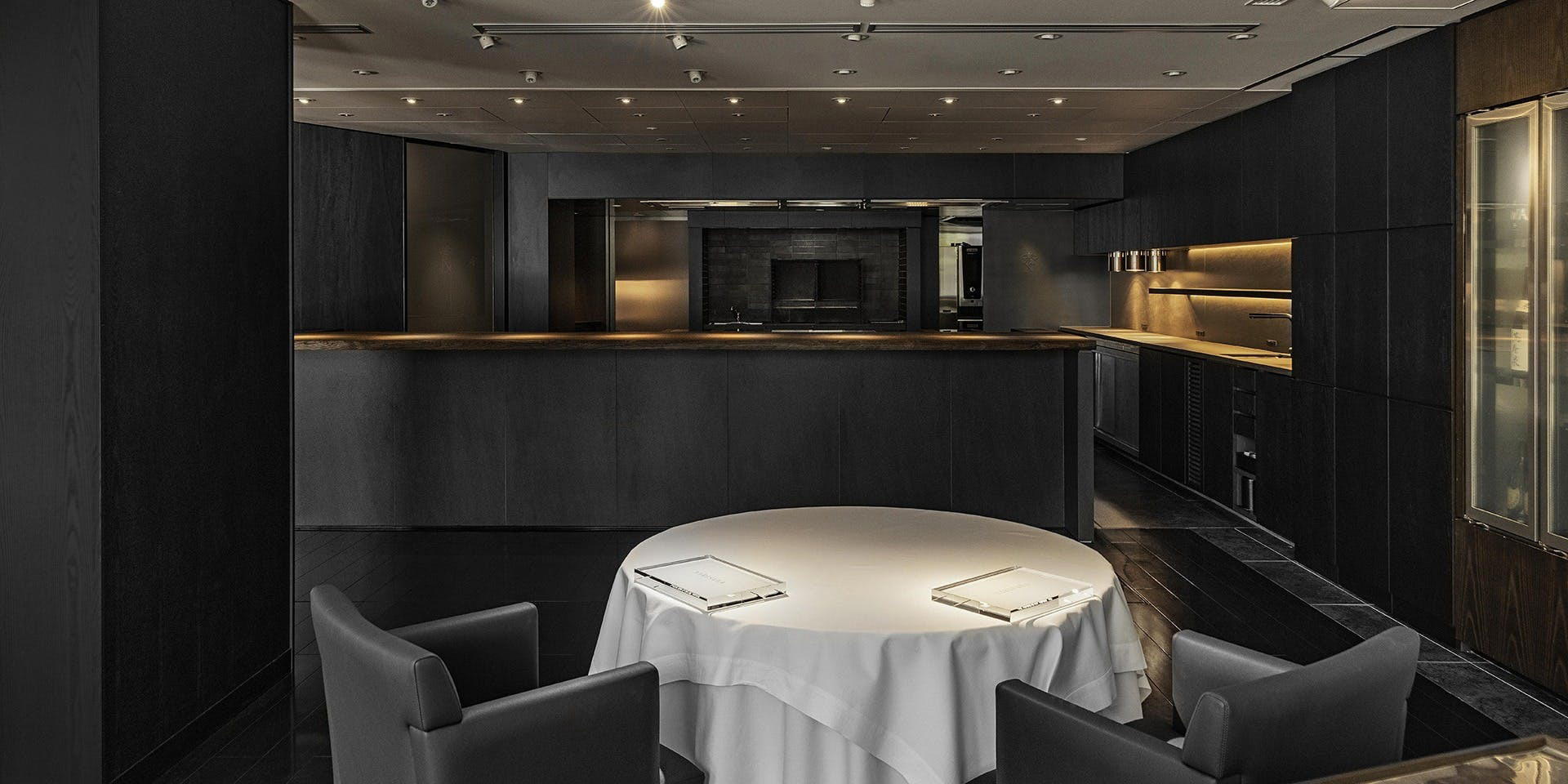
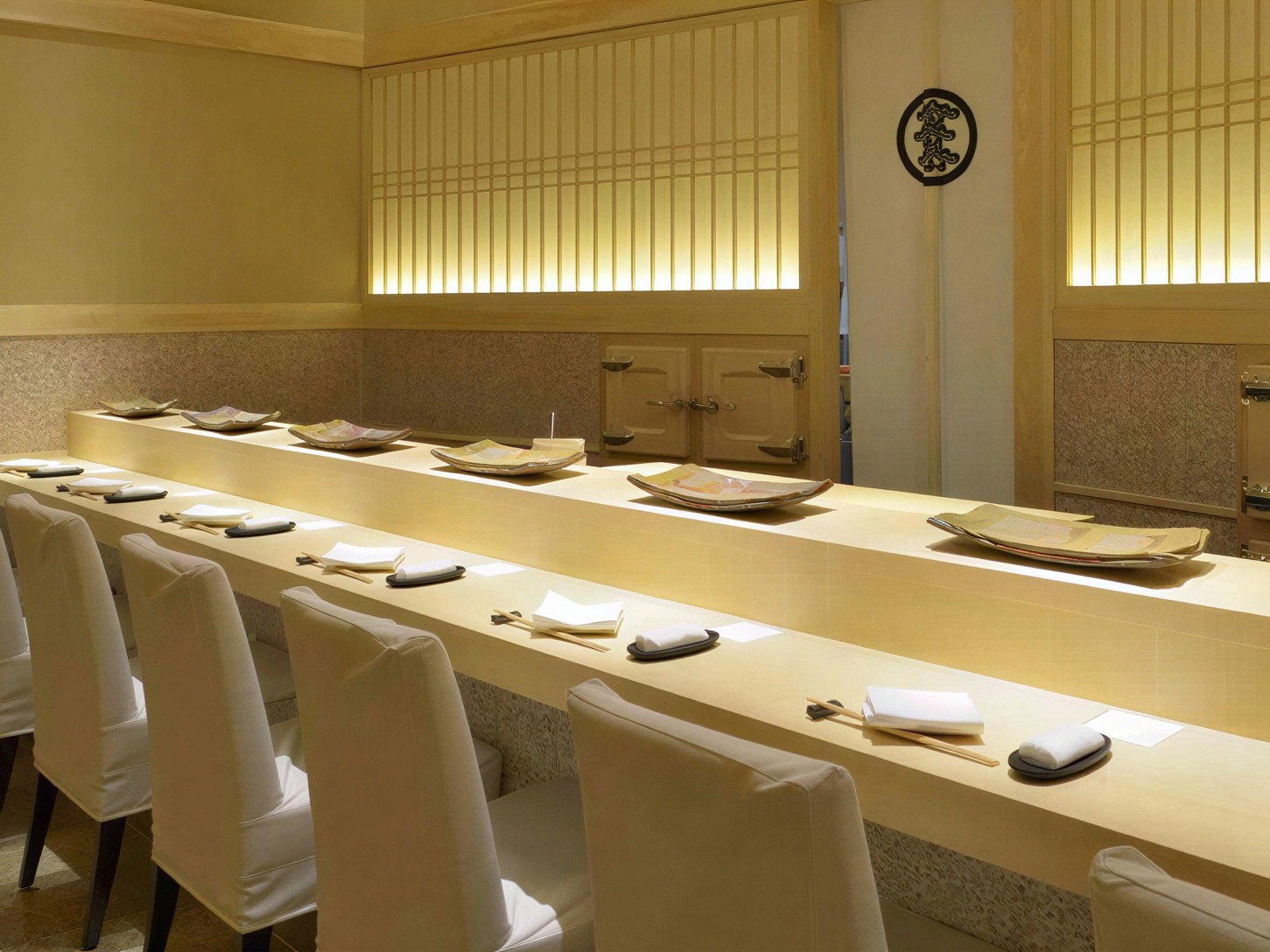
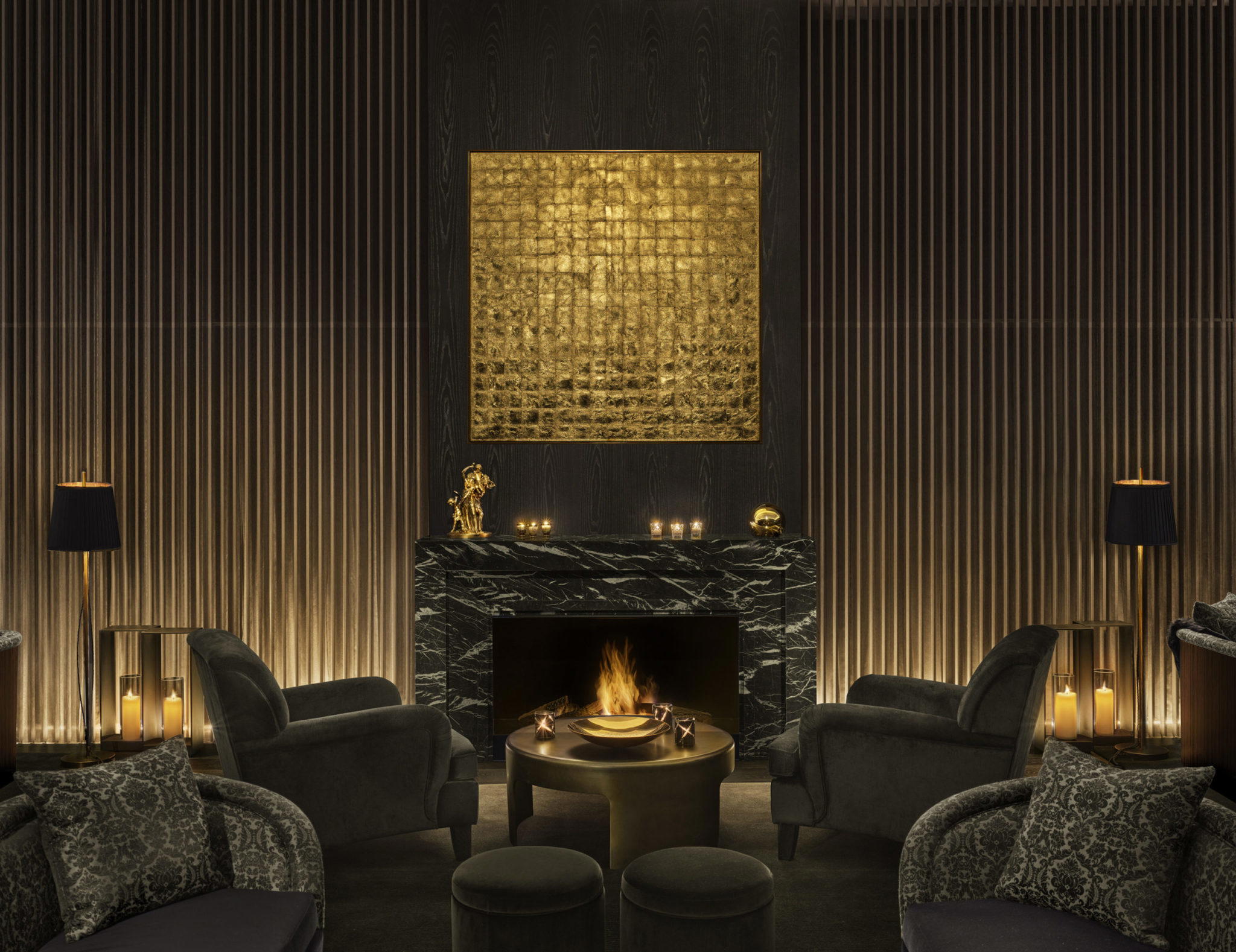
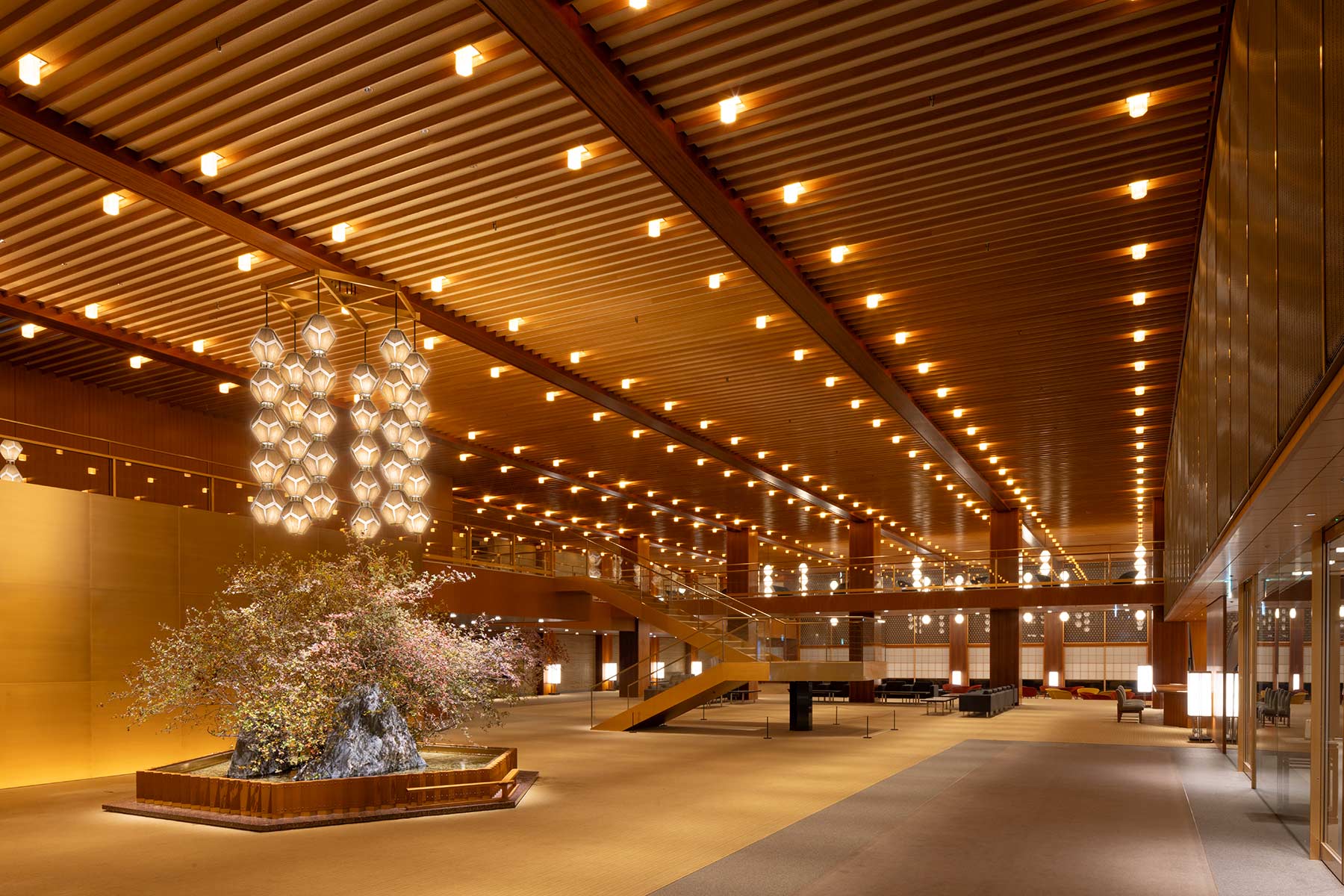
Modern sukiya-style interior with concrete walls, glass-walled kitchen, and an elegant, serene atmosphere.