
Jumbo Shirokane occupies a ground-floor address in Minato City's Shirokane district, one of Tokyo's quieter residential dining corridors. The venue sits in a neighbourhood that has drawn a serious, local-facing restaurant culture distinct from the tourist-heavy circuits of Ginza or Shinjuku. For visitors prepared to look past the obvious postcode, Shirokane rewards with the kind of low-key precision that defines Tokyo dining at its most considered.
Pearl is the En Primeur Club membership app — saves, bookings, and concierge access live there. Same editors, same standards.
- Address
- Japan, 〒108-0072 Tokyo, Minato City, Shirokane, 3 Chome−1−1 第一麻布ビル 1F
- Phone
- +81357954129
- Website
- valuet.co.jp
 Saves & bookings on Pearl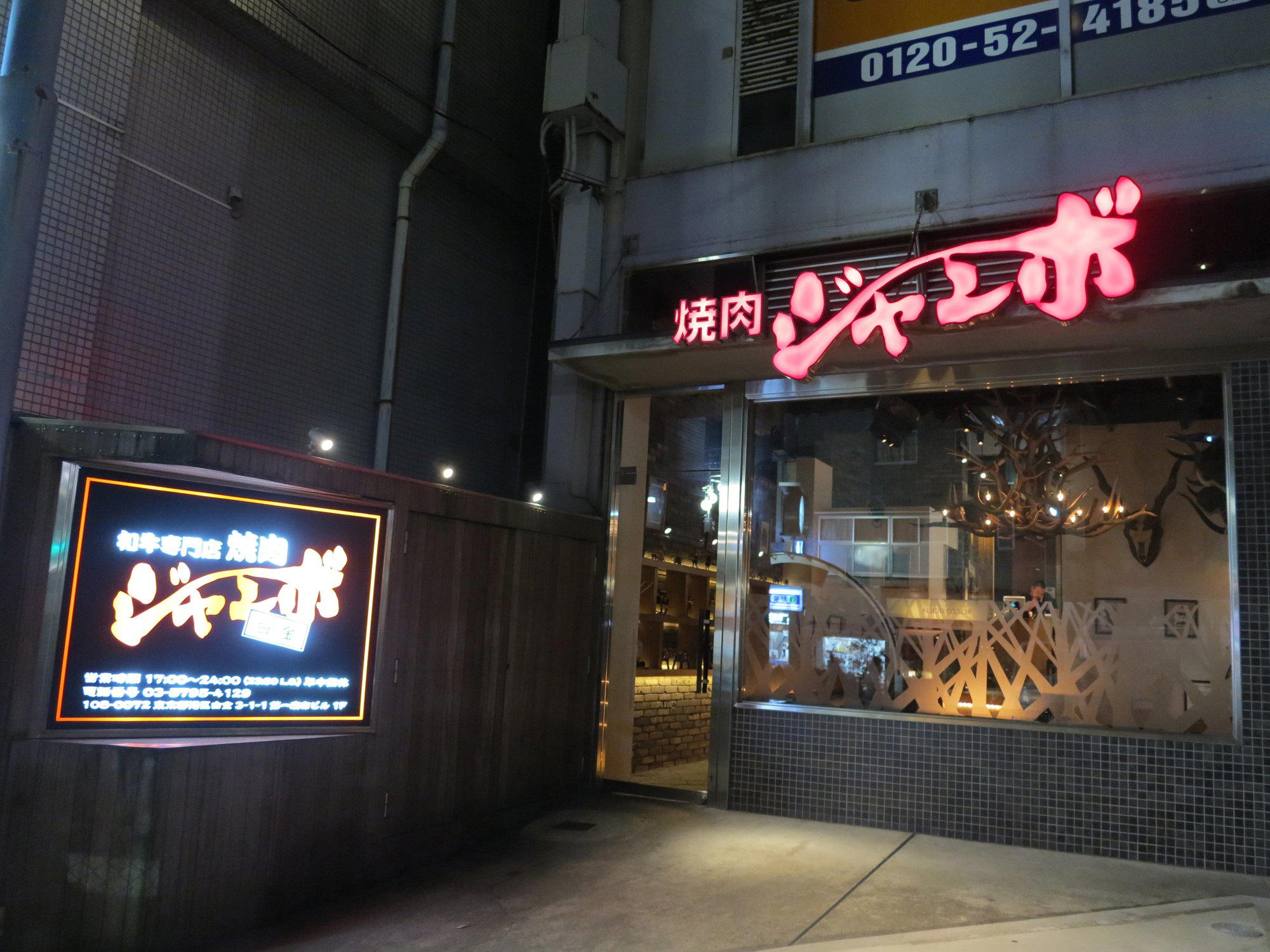
Shirokane's Dining Register: Residential Precision Over Central Spectacle
Tokyo's restaurant geography is rarely discussed honestly. The conversation defaults to Ginza counters, Roppongi hotel dining, and the occasional Shinjuku izakaya, but the city's most consistent fine and near-fine dining often happens in residential wards where landlords charge less and kitchens work without the performance pressure of a tourist-facing address. Shirokane, in Minato City, belongs firmly to that category. The neighbourhood runs along a quiet refined ridge south of Hiroo, lined with embassies, private schools, and the kind of long-established local restaurants that don't appear in airport guides. Jumbo Shirokane operates from a ground-floor unit on 3-chome Shirokane, which places it inside this residential dining corridor rather than on any destination-dining circuit.
That address distinction matters. Venues in Shirokane tend to draw repeat local custom rather than occasion-driven tourists, which shapes everything from the room's energy to the kitchen's rhythm. For comparison, the ¥¥¥¥-tier counters of Ginza, Harutaka among them, are priced partly against the cost of operating in one of Tokyo's most expensive commercial corridors. Shirokane imposes no such premium on either the operator or the diner, which can translate into better value at equivalent culinary standards.
Lunch and Dinner in Tokyo's Neighbourhood Restaurants: How the Divide Plays Out
In Tokyo's residential dining corridors, the gap between lunch and dinner service is often more pronounced than in central districts. Lunch in a neighbourhood like Shirokane tends to be shorter, less ceremonial, and priced to retain regulars rather than impress visitors. Dinner shifts the register: longer courses, deeper engagement from the kitchen, and a room that fills with the kind of deliberate intent that distinguishes a destination visit from a convenience meal. This pattern holds across the city's serious neighbourhood restaurants, from the kaiseki format at RyuGin in Roppongi to the French-accented tasting menus at L'Effervescence in Nishi-Azabu.
For a venue like Jumbo Shirokane, that divide likely defines how the address is used. Daytime in Shirokane is subdued, the lunch crowd in this ward skews local and professional, eating on a schedule rather than an occasion. Evening brings a different tempo, closer to the considered experience that a visitor crossing town would reasonably expect. This structural difference is worth factoring into any planning decision: if timing is flexible, dinner gives a more complete read of what the kitchen does at full pitch.
Across Japan's serious restaurant culture, from Gion Sasaki in Kyoto to HAJIME in Osaka, the evening service functions as the primary canvas. Lunch exists as a lower-friction entry point, useful for first visits or budget-conscious diners, but the kitchen's full range of technique and sourcing tends to appear at dinner. That hierarchy is built into Japanese hospitality culture and is unlikely to differ significantly at a Shirokane neighbourhood address.
Positioning Within Tokyo's Broader Restaurant Field
Within that field, venue placement in the city's pecking order depends on several variables: cuisine type, format discipline, price tier, and the density of serious competition within the immediate neighbourhood. Shirokane as a dining district positions venues against a different comparable set than Ginza or Azabu-Juban, the comparison set here is local-facing rather than internationally benchmarked.
For visitors building a Tokyo restaurant itinerary at the higher end of the market, the relevant contrast is between destination dining that requires advance international planning, venues like Sézanne or Crony, both of which operate with tight bookings and strong critical profiles, and neighbourhood venues that reward local knowledge and flexible timing. Jumbo Shirokane, with its Minato City address and residential context, sits closer to the second category.
For context on how Japanese restaurant culture translates across different cities and scales, it is useful to look at the range: akordu in Nara operates at a Spanish-Japanese intersection in a deeply traditional city; Goh in Fukuoka brings a modern kaiseki sensibility to a city known primarily for its ramen and street food. The discipline of serious Japanese restaurant culture extends well beyond Tokyo's named counters, into neighbourhood addresses and regional cities alike. Within that wider picture, Shirokane's contribution is specifically the combination of urban access and residential calm that the central wards cannot replicate.
Planning a Visit: What to Know Before You Go
Shirokane is accessible from Shirokane-Takanawa Station on the Toei Mita Line and the Tokyo Metro Namboku Line, with the 3-chome address a short walk from either exit. The neighbourhood is quiet enough that arriving by foot from the station is direct even in the evening, unlike the more congested approaches to restaurants in Ginza or Roppongi. For visitors combining this with broader Tokyo dining plans, Hiroo is the nearest dining-adjacent district to the north, with several established international restaurants along that stretch of Minato City.
The restaurant is open Monday to Friday from 5 to 11 PM, with Saturday and Sunday lunch from 11:30 AM to 2:30 PM and dinner from 5 to 11 PM. Reservations are essential. Tokyo neighbourhood restaurants at this address level can operate with limited covers and irregular closing days, and it is worth confirming in advance whether walk-in service is accepted or whether the kitchen runs a set-menu format for dinner. Japan's hospitality culture generally rewards advance contact and clear communication, particularly for non-Japanese speakers.
一本木 直川製 in Nanao, 夕暮れ山乃 in Sapporo, 湖畔庵 in Takashima, and 奥羽屋 in Nishikawa Machi all represent the depth of Japan's regional dining culture. For those whose itineraries extend beyond Japan, Le Bernardin in New York and Atomix in New York offer reference points for how Japanese culinary rigour translates into different international contexts. Regional Japanese options like Birdland in Sakai and Bistro Ange in Toyohashi round out the picture for diners willing to move beyond the established city circuits.
At-a-Glance Comparison
Comparable venues nearby, for context on price, style, and recognition.
| Venue | Cuisine | Price | Notes |
|---|---|---|---|
| Jumbo ShirokaneThis venue — the venue you are viewing | Premium Wagyu Yakiniku | $$$ | Not listed |
| Sushi Oochi | Traditional Sushi Omakase | $$$ | Minato |
| Pretty Pork Factory & Katsu Puripo | Pork-focused Japanese shabu-shabu, samgyeopsal & tonkatsu | $$$ | Shibuya |
| 萬屋おかげさん | Traditional Japanese Izakaya | $$$ | Shinjuku |
| 荒木町たつや | Michelin-Starred Kaiseki | $$$ | Shinjuku |
| Edogawa Ishibashi | Traditional Unagi (Eel) | $$$ | Bunkyō |
Recognition history
Dated appearances from independent guides and award organizations, with the underlying list record or original source where available.
Opinionated About Dining Top Restaurants in Japan Recommended
Opinionated About Dining











At a Glance
- Modern
- Elegant
- Intimate
- Date Night
- Business Dinner
- Special Occasion
- Private Dining
- Sake Program
Current opening hours
- Monday
- 5–11 PM
- Tuesday
- 5–11 PM
- Wednesday
- 5–11 PM
- Thursday
- 5–11 PM
- Friday
- 5–11 PM
- Saturday
- 11:30 AM–2:30 PM, 5–11 PM
- Sunday
- 11:30 AM–2:30 PM, 5–11 PM
Hours can change for holidays and private events. Last verified .
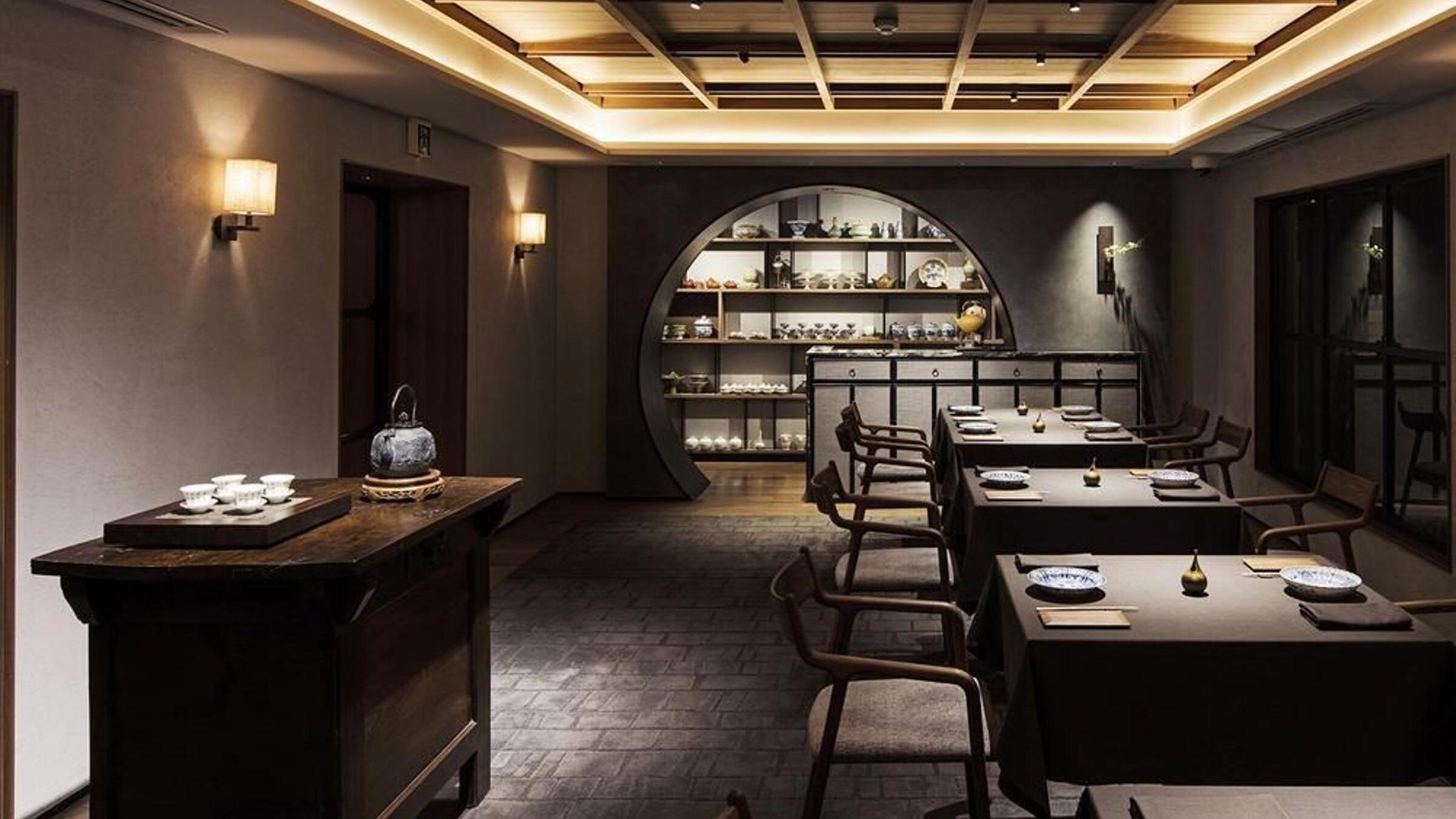
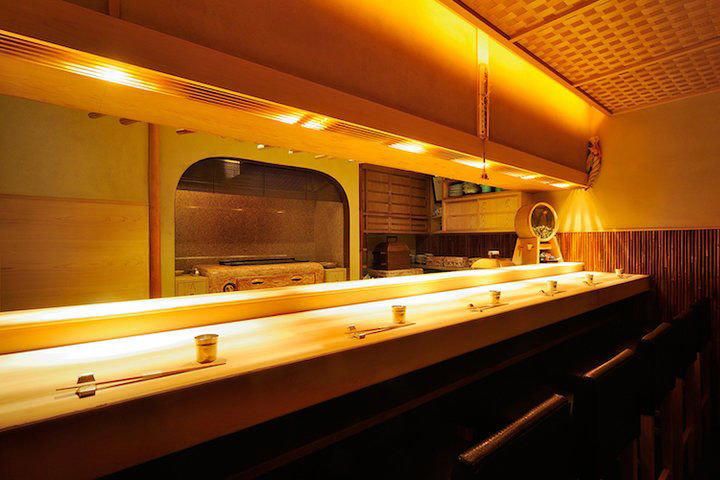
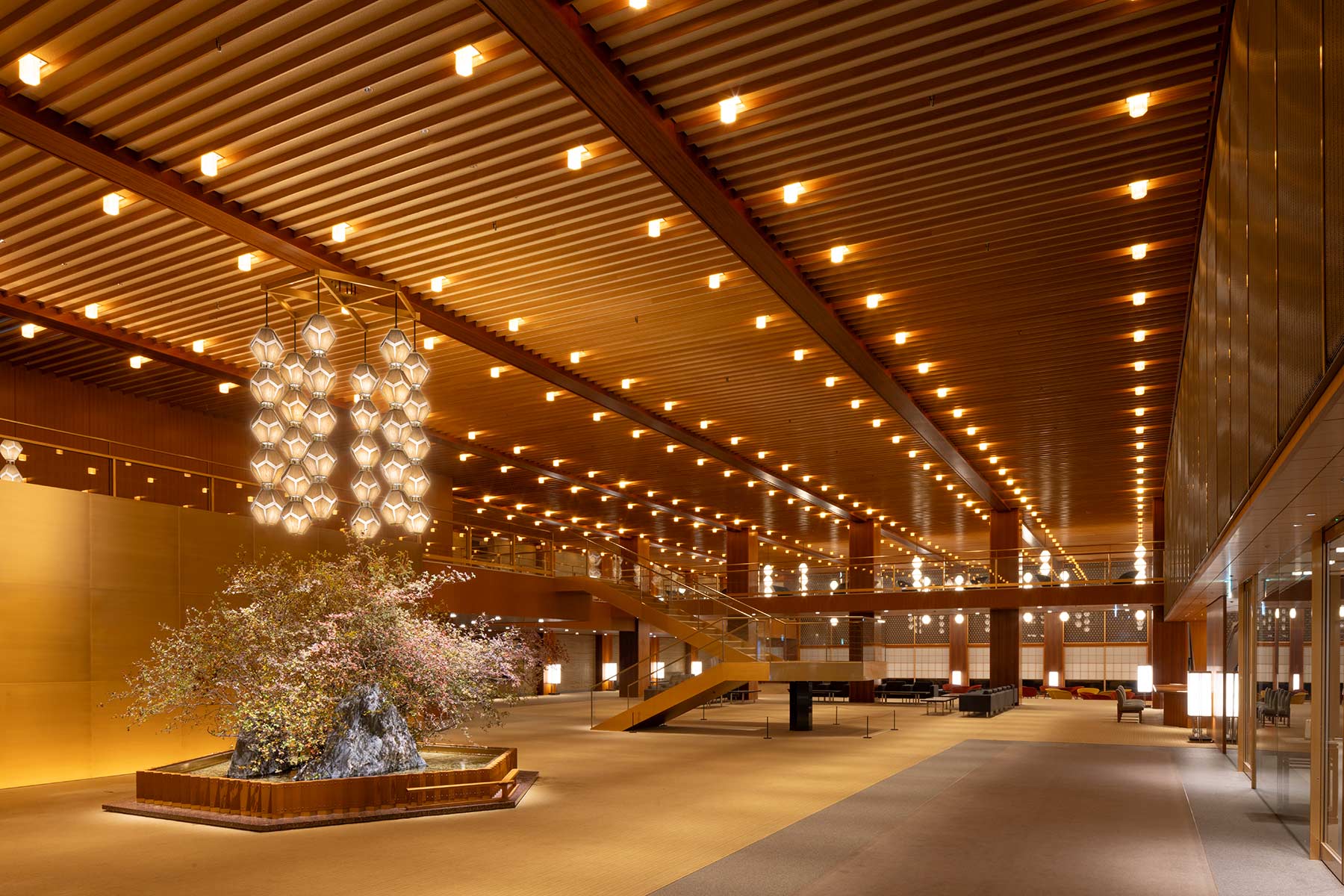
Modern inviting space featuring private wooden booths for a relaxed grilling experience.