
Hiromiya No.3 belongs to Tokyo’s compact, reservation-led yakiniku tier, where charcoal, Wagyu courses, and a small room matter more than ceremony. Its Tabelog 100 Yakiniku Tokyo selections from 2022 through 2025, 14-seat scale, and drinks list spanning sake, shochu, and wine place it in a serious but value-conscious bracket for grilled beef in Shinjuku.
Pearl is the En Primeur Club membership app — saves, bookings, and concierge access live there. Same editors, same standards.
- Address
- 2-9 Sumiyoshicho, Shinjuku City, Tokyo 162-0065, Japan
- Phone
- +81 3-3353-6101
- Website
- yoyaku.toreta.in
 Saves & bookings on Pearl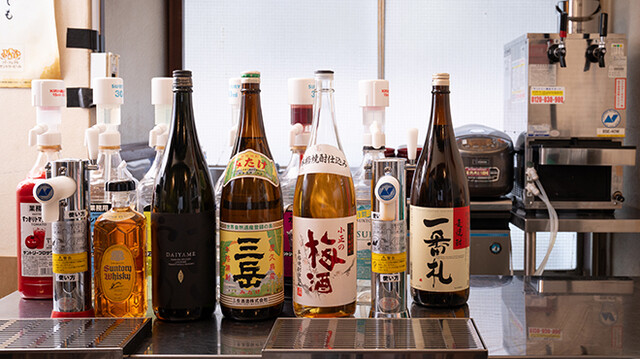
Akebonobashi has a way of lowering the volume after Shinjuku’s glare. The streets tighten, the restaurant fronts shrink, and dinner becomes less about spectacle than about heat, timing, and a grill shared at close range. In Tokyo yakiniku, that intimacy is not a decorative extra. It changes the meal: cuts arrive in sequence, charcoal sets the tempo, and the table becomes part of the kitchen.
Hiromiya No.3 sits inside that compact Tokyo category rather than the showier luxury-steak circuit. The format is yakiniku, with Wagyu-led course cooking and charcoal as the engine, but the wider point is economic as much as culinary. Tokyo has a deep supply of beef restaurants chasing ceremony, provenance language, and high-margin add-ons. This address has been noted instead for keeping the experience tightly edited: small room, fixed-course logic, and a drinks offer that covers sake, shochu, and wine without turning the table into a sommelier theatre.
Charcoal yakiniku with a drinks list built for fat, smoke, and repeat pours
The smarter way to read a Tokyo yakiniku list is not by asking whether wine is present, but whether the beverage range understands grilled beef. Sake can handle sweetness and char; shochu cuts through fat with a drier, grain- or sweet-potato-led profile; wine gives the table structure when richer cuts begin to dominate. Hiromiya No.3’s stated drinks categories, sake, shochu, and wine, put it in the practical camp: enough range for different diners, without making beverage curation the main event.
That matters because yakiniku is a cuisine of pacing. Unlike sushi or kaiseki, where the counter controls nearly every variable, grilled beef asks diners to participate. The kitchen can select and portion, but the table has to manage heat, attention, and restraint. A beverage list here should not compete with that rhythm. It should reset the palate, absorb smoke, and allow the meal to move from leaner bites into richer ones without fatigue.
The course format also changes the financial conversation. Tokyo beef dining can move quickly into luxury pricing, especially around named brands and private-room service. This restaurant’s average spend sits in the JPY 8,000 to JPY 9,999 bracket, which places it below the city’s trophy beef rooms while remaining far above casual grill chains. That middle-premium position is a useful signal: the appeal is not austerity, but controlled spend in a category where additions can distort the bill.
Recognition reinforces the point. Selection for Tabelog 100 Yakiniku Tokyo in 2025, with prior selections in 2022, 2023, and 2024, indicates sustained local traction in a crowded field. Tabelog’s Hyakumeiten lists are not Michelin-style stars; they function more like category-specific recognition from a platform Japanese diners use heavily. For yakiniku, that can be more telling than broader fine-dining applause, because the competitive set is dense, local, and highly repeat-driven.
Akebonobashi gives the meal a different Tokyo register
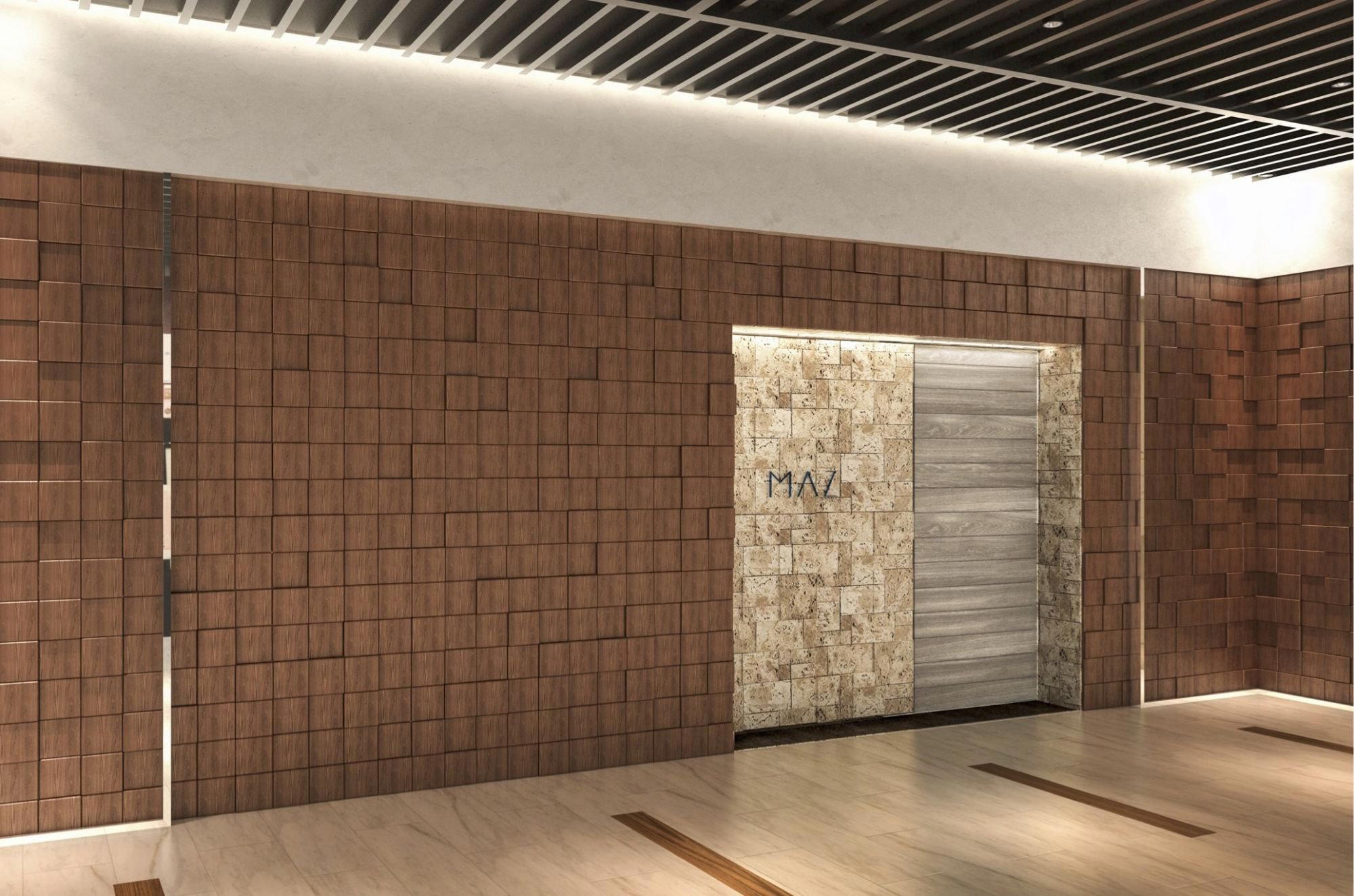
Neighbourhood context matters here. Akebonobashi and nearby Arakicho are not fringe dining districts; they are compact, older-feeling pockets where small restaurants operate with a lower street profile than Ginza, Roppongi, or central Shinjuku. The area can support serious cooking without demanding luxury staging. That suits yakiniku especially well, because the format rewards conviviality and control more than visual drama.
The local comparison is instructive. Around the same pocket, Mitsuru Akebonobashi honten occupies a lower everyday price tier, while Yakitori Doromamire Yotsuya honten sits in a mid-priced grilled-skewer bracket. Nearby names such as Sushidokoro Shigeru, 青華こばやし, and 荒木町たつや point to the broader dining density around Akebonobashi and Arakicho: sushi, counter cooking, and small-format Japanese restaurants rather than hotel dining rooms. Hiromiya No.3 belongs to that neighbourhood grammar, but beef and charcoal define its lane.
For readers mapping a Tokyo eating itinerary, this is the kind of restaurant that makes more sense on a focused Shinjuku evening than as part of a cross-city chase. The 14-seat scale keeps the experience narrow, and private rooms are part of the offer, which shifts it toward small groups rather than solo counter dining. Families are also explicitly accommodated, a useful distinction in a city where serious small restaurants can be opaque about children.
The opening in 2016 gives the restaurant enough history to be judged beyond launch attention. In Tokyo, where new addresses can generate short bursts of online heat, staying visible across several Tabelog Yakiniku Tokyo 100 cycles suggests repeat credibility. The current appeal is not novelty. It is the combination of disciplined beef dining, compact capacity, and a drinks structure that fits the food rather than distracts from it.
How to place it within a Tokyo dining plan
This is a dinner to schedule when the evening is about grilled beef rather than a multi-stop crawl. Yakiniku’s smoke, fat, and shared pacing do not combine well with over-planned itineraries. The better pairing is a quiet drink before or after in Shinjuku, Yotsuya, or Kagurazaka, or a hotel base that makes the east-west movement across central Tokyo painless.
Use it as a contrast to other forms of Tokyo precision. Sushi concentrates authority behind the counter; yakitori stretches repetition into craft; yakiniku distributes responsibility across the table. That distinction is why a small charcoal room can be as revealing as a more formal tasting menu. The diner reads the kitchen through sourcing and cut sequence, but also through the grill itself.
For broader planning, EP Club’s Tokyo coverage can help sort the surrounding options: Our full Tokyo restaurants guide, Our full Tokyo hotels guide, Our full Tokyo bars guide, Our full Tokyo wineries guide, and Our full Tokyo experiences guide. Nearby and related restaurant references include 12/10 Shinjuku ten, 124. KAGURAZAKA (Yakitori), 2D Cafe, 3 Chome no Curry Ya San, and. 鮪と炭火焼き うお炭 秋葉原店. For a wider Japan and overseas comparison set, see -Grilled beef Sukiyaki- KAMAKURA TANUKIAN 鎌倉 たぬき庵 in Kamakura.cafe in Osaka.know in Kumamoto, (Shoku) Vietnam in Kawasaki, [Curry Senmon Ten] Maruyama Kyoju. in Sapporo, [ki:] in Kyoto, Jōdo Saké Bar in Los Angeles, and Onigiri Time in Pasadena.
Cuisine and Recognition
Comparable venues at a similar level for quick context.
| Venue | Cuisine | Price | Notes |
|---|---|---|---|
| Hiromiya No.3This venue — the venue you are viewing | Yakiniku (Japanese BBQ) set-course | $$$ | Not listed |
| Teppanyaki Iwakura | Japanese Teppanyaki | $$$ | Shinjuku |
| Yakiniku Horumon Kinju Hanare | Yakiniku & horumon with Morioka-style cold noodles | $$$ | Minato |
| tonkatsu.jp Omotesando | Modern Tonkatsu & Rare Japanese Pork | $$$ | Minato |
| Yakitori Katou | Traditional Yakitori Counter | $$$ | Minato |
| 焼鳥 髙はし | Michelin-Starred Yakitori | $$$ | Chūō |
Recognition history
Dated appearances from independent guides and award organizations, with the underlying list record or original source where available.
Tabelog 100 #5 · No. 5
Tabelog · Tabelog 100 - Yakiniku - TOKYO - 2025










At a Glance
- Lively
- Cozy
- Energetic
- Group Dining
- Celebration
- After Work
- Casual Hangout
- Standalone
- Byob
Current opening hours
- Monday
- Closed
- Tuesday
- 6–10:30 PM
- Wednesday
- 6–10:30 PM
- Thursday
- 6–10:30 PM
- Friday
- 6–10:30 PM
- Saturday
- 3–10:30 PM
- Sunday
- 3–10:30 PM
Hours can change for holidays and private events. Last verified .
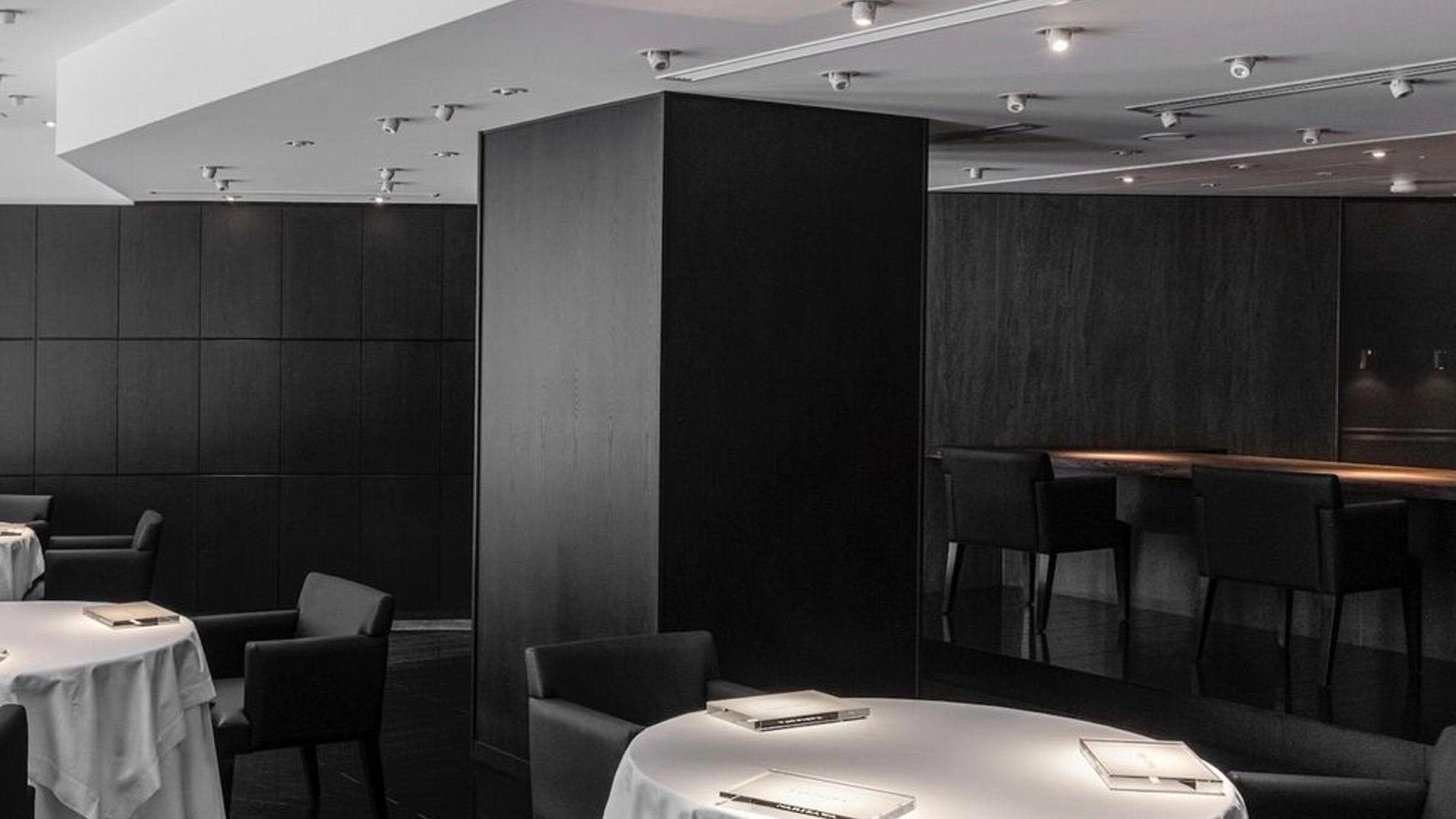
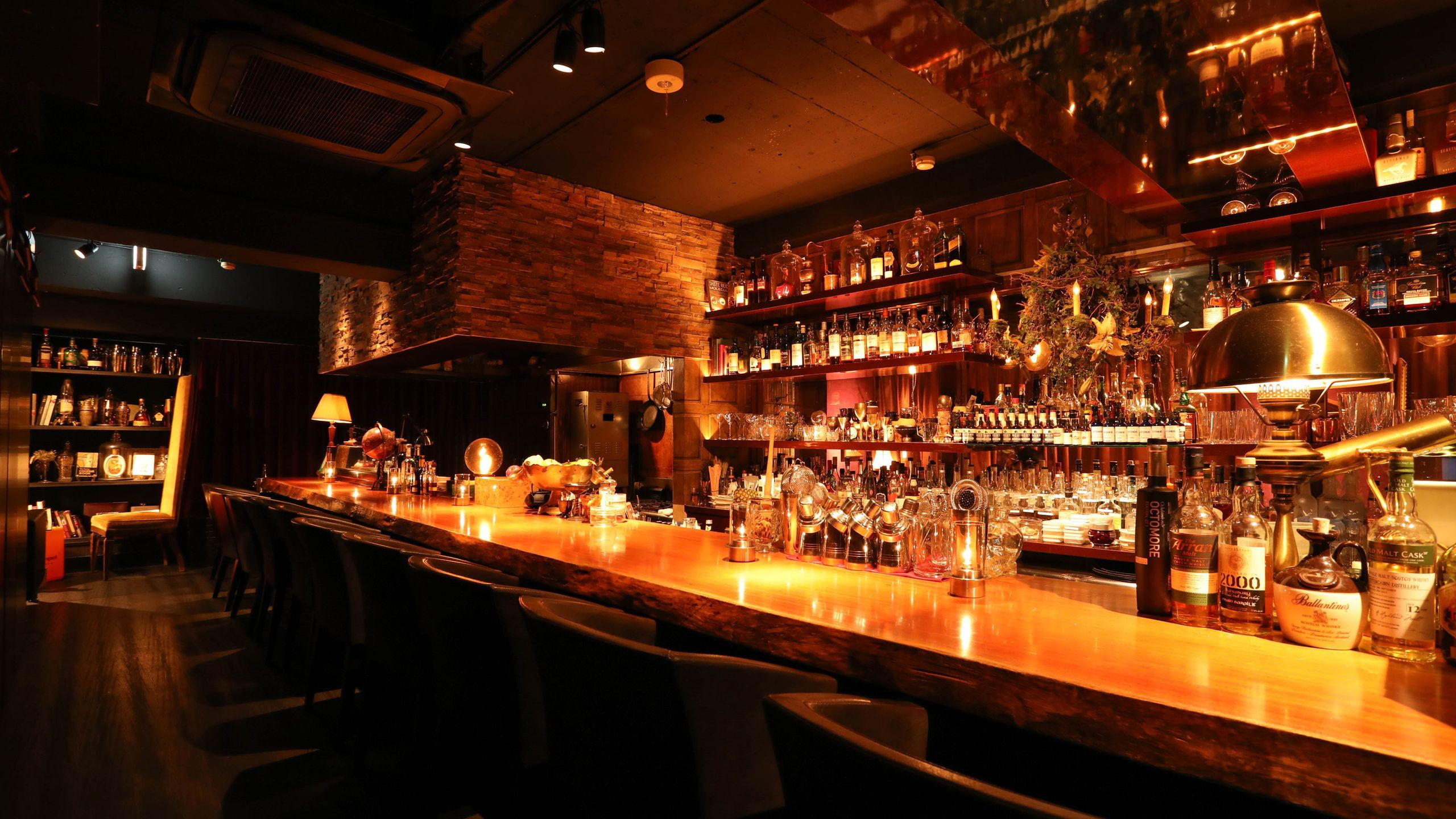
Compact, no-frills yakiniku dining room with a casual, bustling atmosphere where guests share a set course of grilled meats in close quarters.