
Soba Sasuga gives Ginza a quieter counterpoint to the district’s luxury sushi and kaiseki spending. The appeal is value at a serious soba address: Tabelog 100 Soba EAST 2025 recognition, a 28-seat room, English support, and lunch pricing that sits far below the dinner range.
Pearl is the En Primeur Club membership app — saves, bookings, and concierge access live there. Same editors, same standards.
- Address
- 東京都中央区銀座2-13-6 東二ビル2F
- Phone
- +81335430404
- Website
- ginza-sasuga.jp
 Saves & bookings on Pearl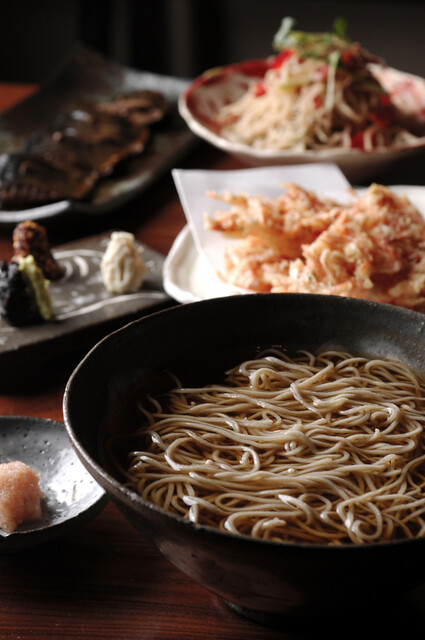
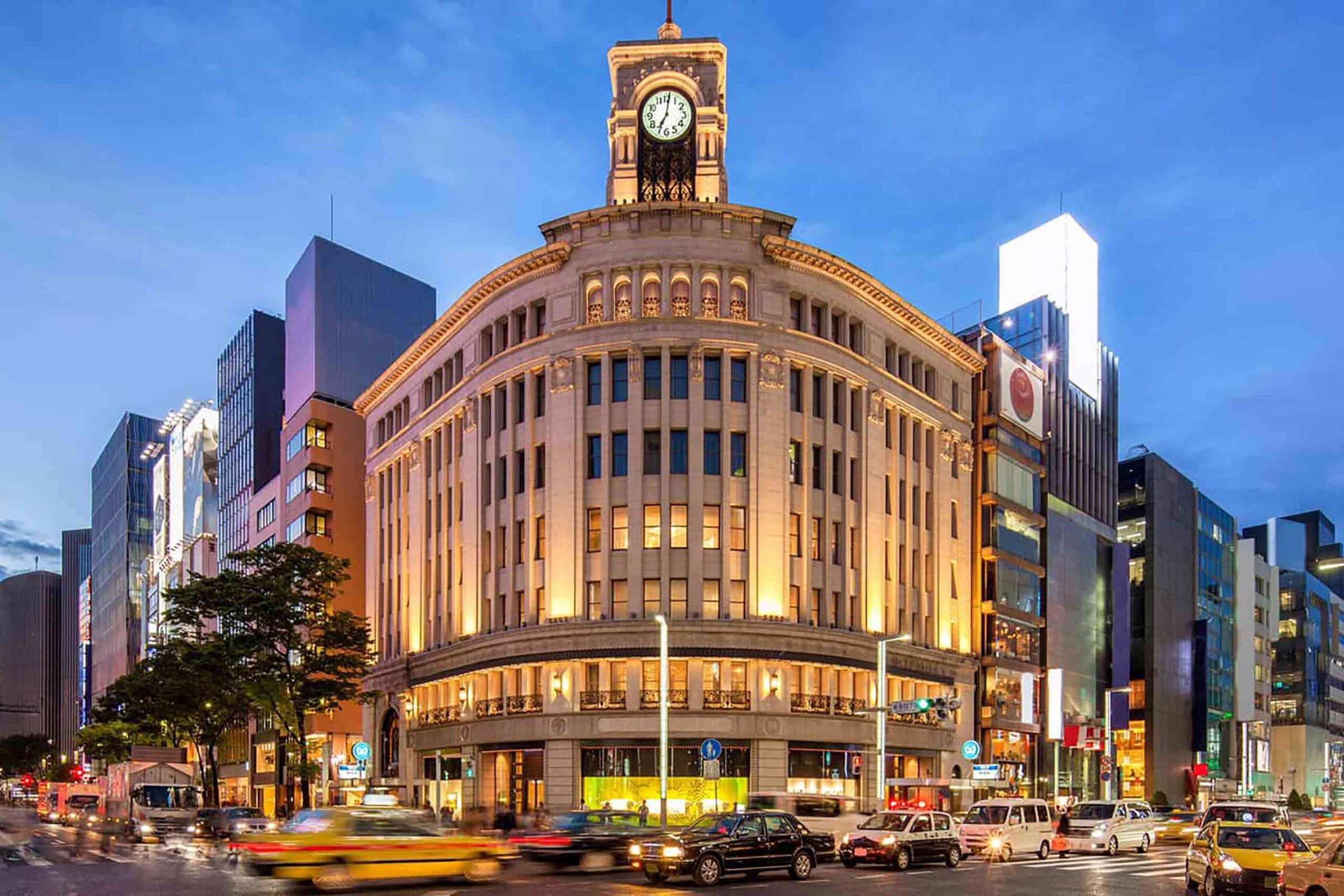
Ginza’s side streets change register quickly: polished retail frontage gives way to office buildings, compact stairwells, and second-floor dining rooms where the city’s older food disciplines can feel more legible than its luxury theatre. Soba belongs in that quieter Tokyo vocabulary. The craft is not about abundance; it is about restraint, timing, flour, water, and the discipline of ending a meal with noodles rather than making them an afterthought.
Soba Sasuga sits in that Ginza lane of serious but not performative dining. Its inclusion in Tabelog 100 Soba EAST 2025 places it inside a specialist category rather than the broader luxury-restaurant conversation, which matters for how to read the bill. Dinner lands in the JPY 10,000 to JPY 14,999 bracket, while lunch is listed at JPY 1,000 to JPY 1,999. In a district where Ginza Ichibun is listed at JPY 20,000 to JPY 29,999 and Ginza Ibuki at JPY 15,000 to JPY 19,999 for dinner, this is a different kind of proposition: a craft-led meal with a ceiling that stays below many Ginza counters built around omakase ceremony.
Soba as Ginza value, not Ginza spectacle
Tokyo’s high-end dining economy often rewards scarcity: tiny counters, chef-led pacing, and menus that turn dinner into a fixed commitment. Soba works differently. It can support a full evening with sake and seasonal Japanese cooking, yet the noodle itself keeps the format grounded. At this level, value is not measured by portion size or novelty. It is measured by whether the room treats soba as the centre of gravity rather than a closing course with good manners.
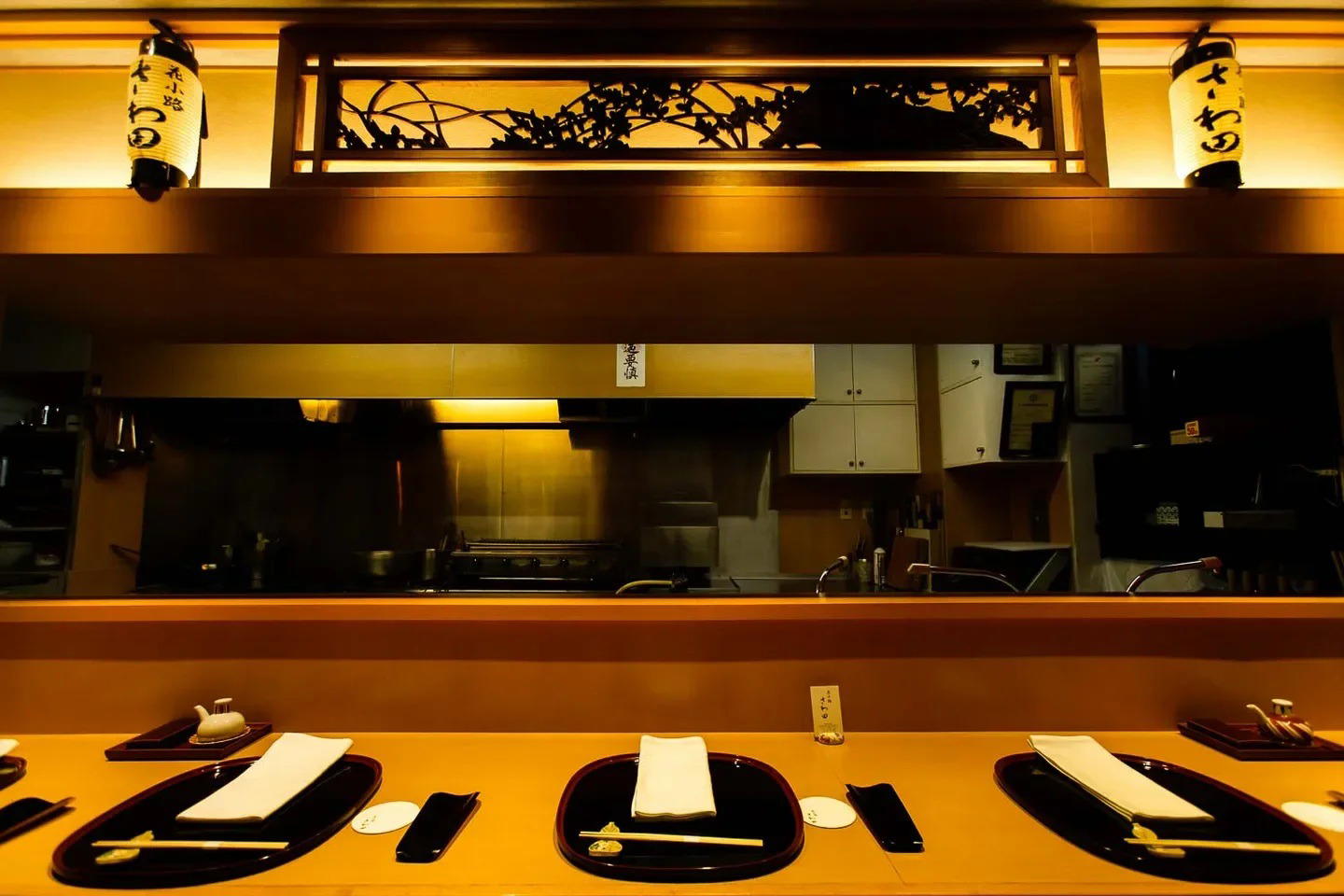
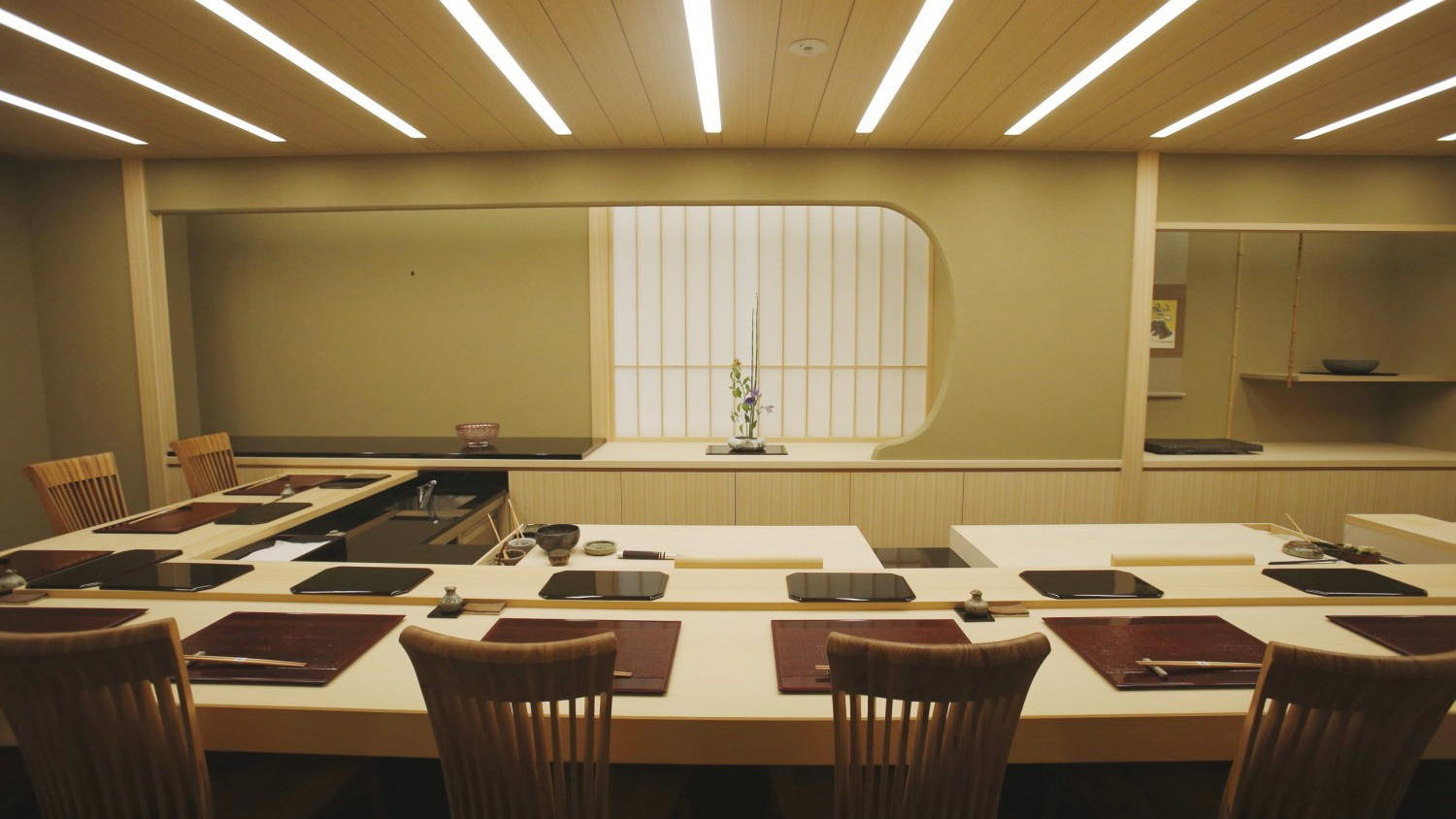
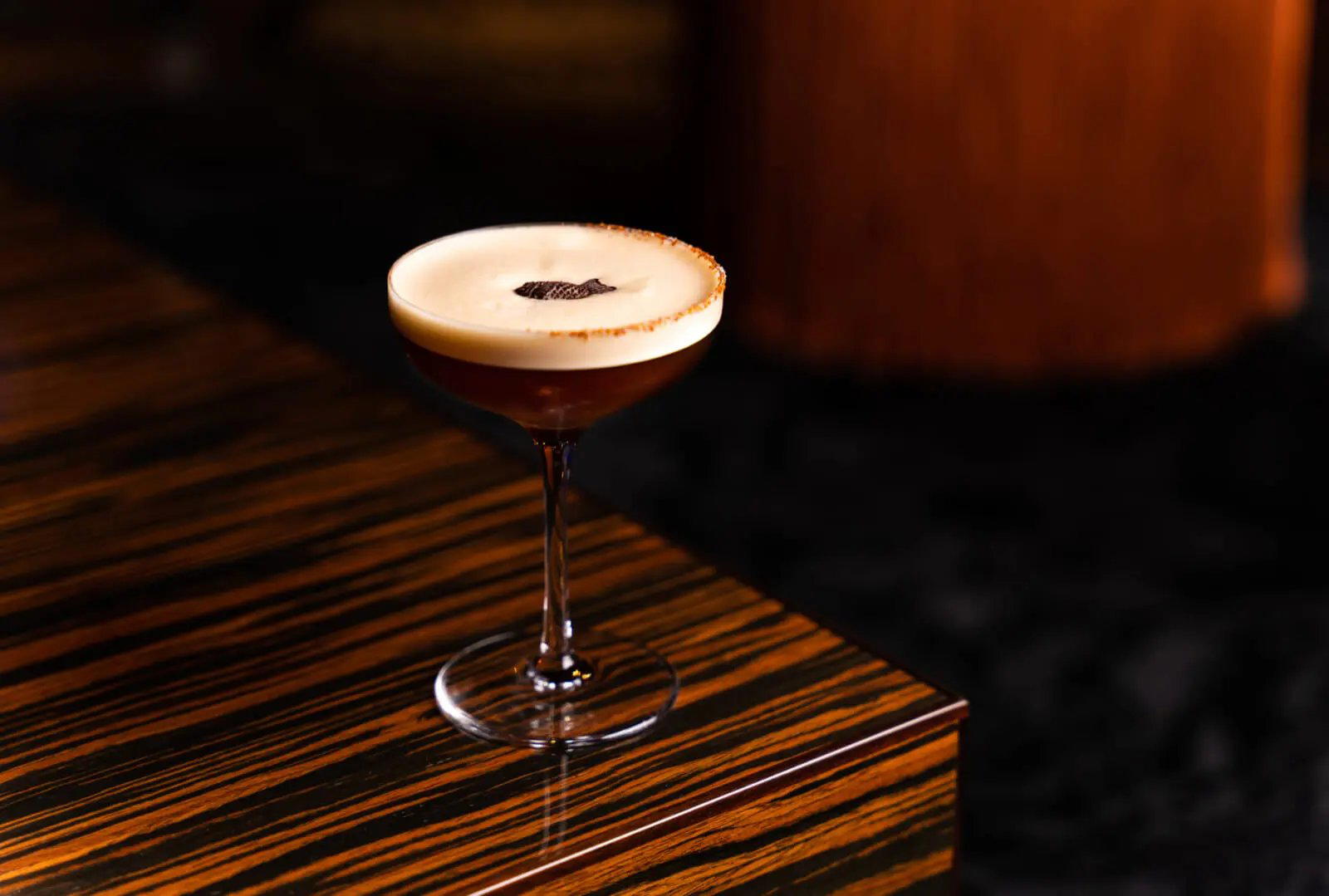
The numbers sharpen the point. A 28-seat layout, including counter seating, private rooms, semi-private rooms, and table seating, gives the restaurant more flexibility than the severe eight-seat counter model common in Ginza. That makes it useful for different Tokyo dining needs: a solo counter meal, a business dinner, or a small private-room gathering. The presence of sake, shochu, and wine, plus sommelier service, also signals a format built for more than a quick noodle stop. This is soba with a drinks program, not a stand-up lunch counter with premium branding.
That distinction matters because soba in Tokyo occupies several tiers at once. At the everyday end, it is station-adjacent speed food. In the specialist tier, it becomes a study in texture, aroma, and sequence, usually with small Japanese dishes before the noodles. Soba Sasuga belongs to the latter category, but its lunch range keeps one foot in the democratic tradition that made soba a city staple in the first place. For travellers calibrating Tokyo spending, lunch is the clearer value play; dinner is the more complete reading of the house style.
The room favours grown-up usefulness over ceremony
The room’s appeal is practical rather than theatrical. Counter seats give the meal some immediacy, while private and semi-private seating make it easier to use as a Ginza address for conversation. That balance is valuable in Tokyo, where some serious restaurants can feel poorly suited to business dining or mixed-language groups. English-language menus, English-capable staff, and photo menus lower the friction without changing the essential Japanese format.
The policy details also reveal the character of the place. Reservations are accepted, private rooms are available, and strong scents such as perfume and tobacco are discouraged. The latter point is not etiquette for etiquette’s sake; soba depends on subtle aroma, and heavy fragrance works against the premise of the meal. Non-smoking status reinforces the same logic. In this category, restraint is not a decorative idea. It is part of how the food is protected.
Recognition history adds useful context. Selection for Tabelog’s soba list appears across 2017, 2018, 2019, 2021, 2024, and 2025, which suggests consistency within a narrow specialist field. Tabelog scores can be severe by international standards, and a 3.68 rating in a category with many local regulars carries more weight than the number might suggest to visitors used to inflated review platforms. The smarter reading is categorical: this is a recognized soba address in eastern Japan’s competitive field, not a general fine-dining trophy case.
How to place it in a Tokyo itinerary
Ginza and Higashi-Ginza reward diners who plan by category rather than by prestige alone. Sushi, tempura, wagashi, ramen, soba, and kaiseki all sit within a few blocks of one another, but they ask for different budgets and appetites. Soba Sasuga is strongest when the day calls for precision without a long luxury arc: a lunch between gallery stops, a controlled business dinner, or a quieter counterpoint after several heavier Tokyo meals.
Travellers comparing Tokyo dining options should think in circuits. For broader city planning, use Our full Tokyo restaurants guide, then layer in adjacent categories through Our full Tokyo hotels guide, Our full Tokyo bars guide, Our full Tokyo wineries guide, and Our full Tokyo experiences guide. Within the restaurant map, contrast soba’s restraint with the sharper casual edges of. 鮪と炭火焼き うお炭 秋葉原店, 12/10 Shinjuku ten, 124. KAGURAZAKA (Yakitori), 2D Cafe, and 3 Chome no Curry Ya San.
For a wider Japan and Japanese-food frame, compare regional and diaspora expressions such as -Grilled beef Sukiyaki- KAMAKURA TANUKIAN 鎌倉 たぬき庵 in Kamakura.cafe in Osaka.know in Kumamoto, (Shoku) Vietnam in Kawasaki, [Curry Senmon Ten] Maruyama Kyoju. in Sapporo, [ki:] in Kyoto, Jōdo Saké Bar in Los Angeles, and Onigiri Time in Pasadena. The comparison is useful because soba’s appeal is not loudness. It is the pleasure of a narrow form handled with discipline, priced in a way that lets Ginza feel exacting rather than excessive.
Standing Among Peers
Nearby venues at a similar price tier for orientation.
| Venue | Cuisine | Price | Notes |
|---|---|---|---|
| Soba SasugaThis venue — the venue you are viewing | Traditional Ginza soba with 100% buckwheat noodles | $$$ | Not listed |
| 麺尊RAGE | Modern Shamo Shoyu Ramen | $$$ | Suginami |
| TOSA DINING おきゃく | Kochi Regional Cuisine | $$$ | Chūō |
| Niou | Yoshoku (Japanese-style Western Cuisine) | $$$ | Chiyoda |
| Aigamo Ippin Toriyasu | Traditional Duck Sukiyaki (Aigamo) | $$$ | Chūō |
| 青柳 | Traditional Japanese Fine Dining | $$$ | Minato |
Recognition history
Dated appearances from independent guides and award organizations, with the underlying list record or original source where available.
Tabelog 100 #37 · No. 37
Tabelog · Tabelog 100 - Soba - EAST - 2025





At a Glance
- Intimate
- Quiet
- Cozy
- Classic
- Elegant
- Business Dinner
- Date Night
- Special Occasion
- After Work
- Group Dining
- Solo
- Private Dining
- Standalone
- Design Destination
- Sake Program
- Sommelier Led
- Extensive Wine List
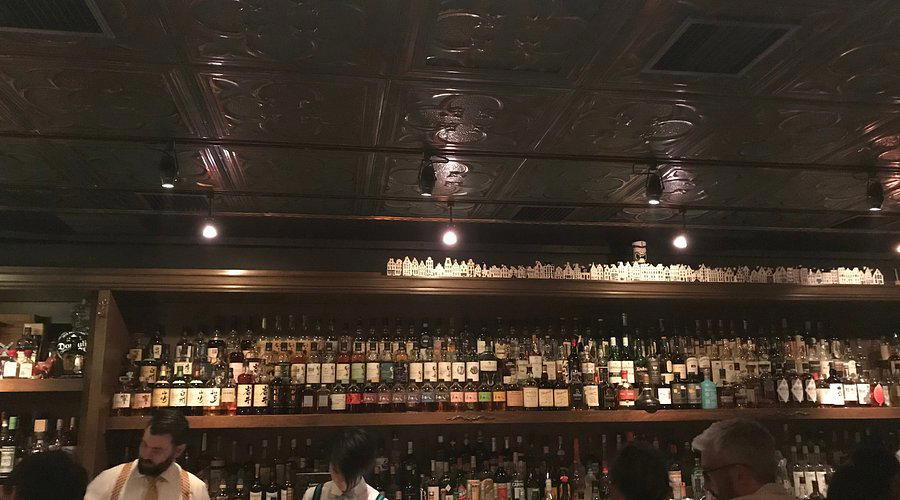
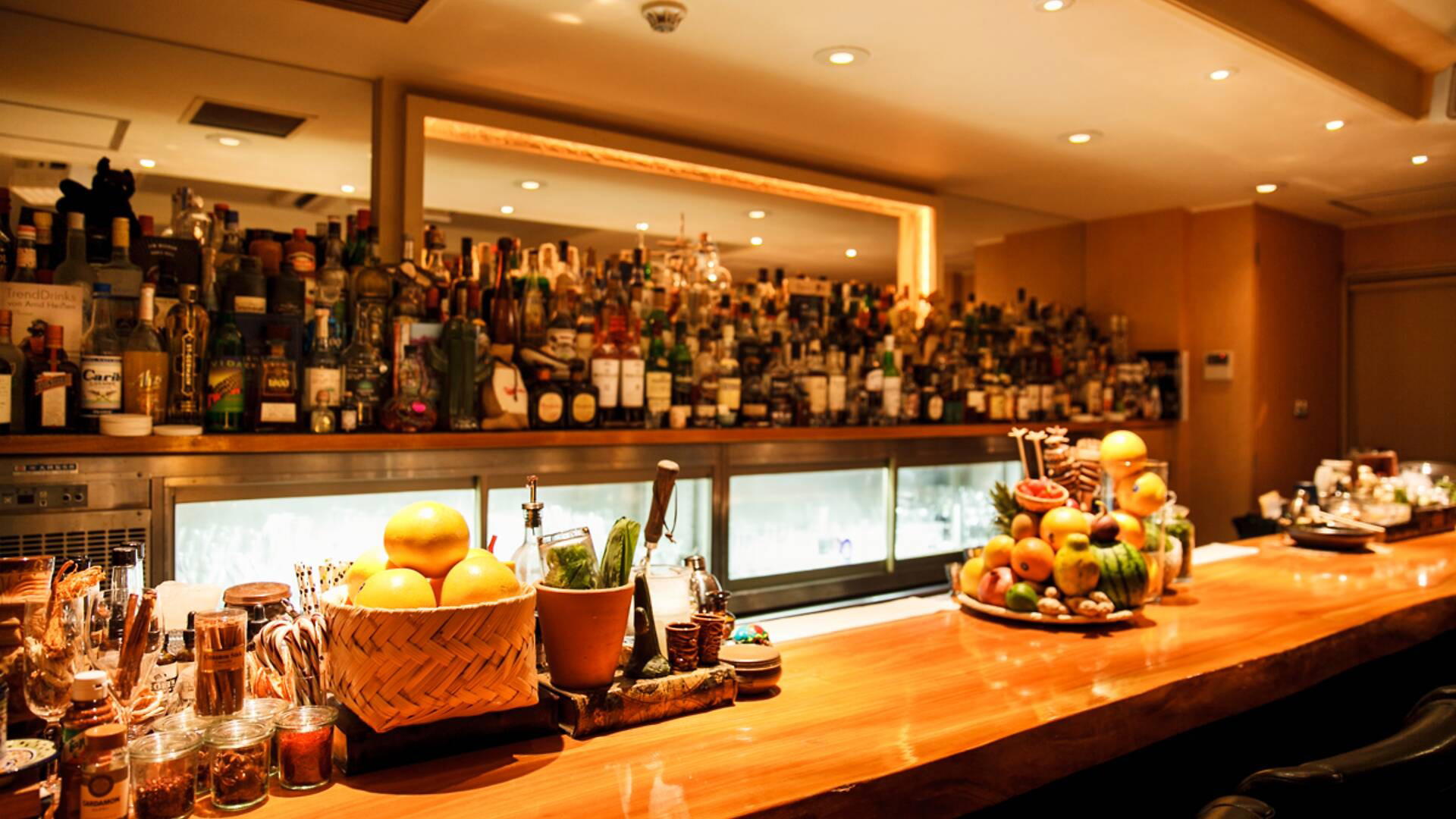
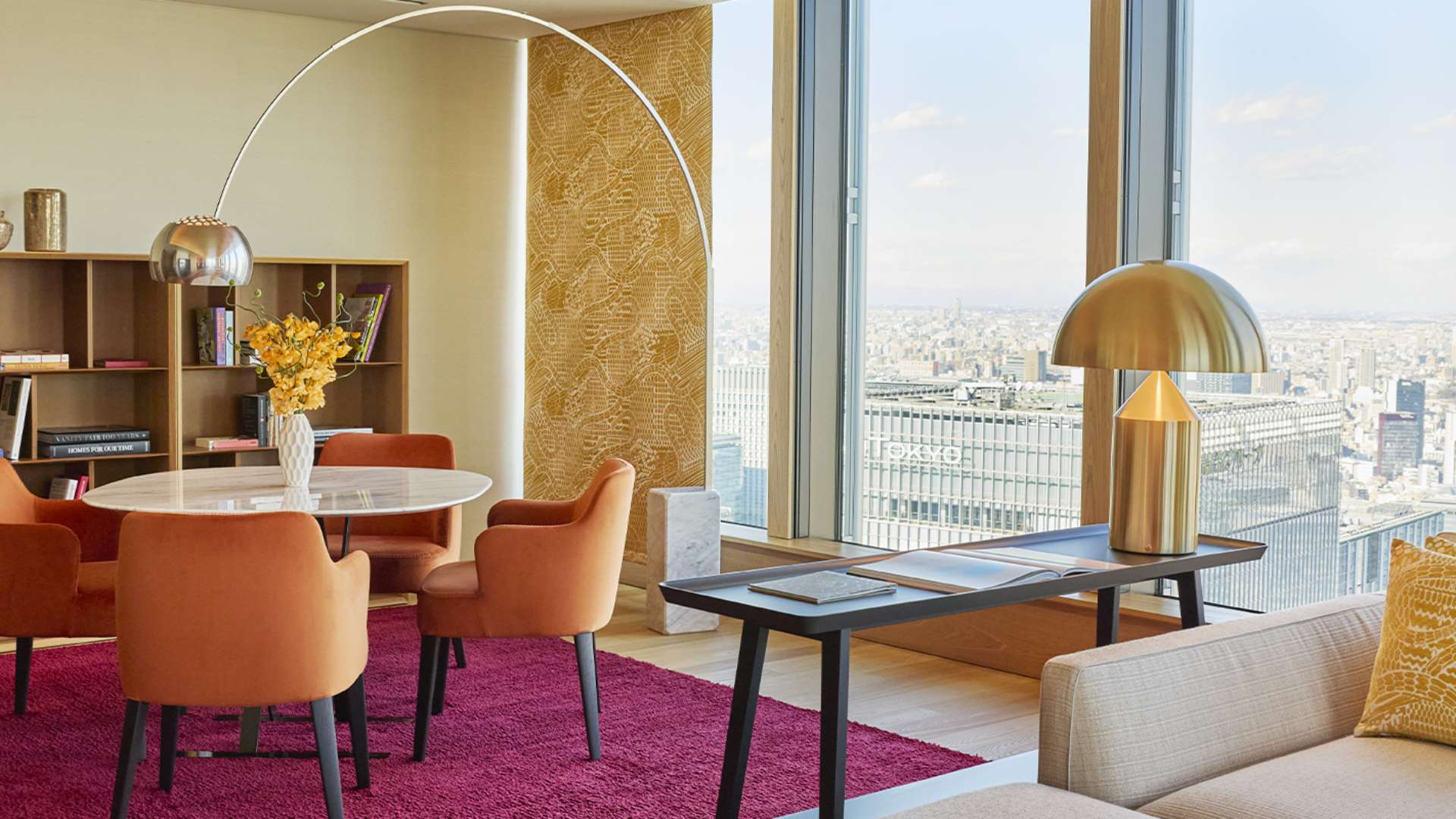
A quiet, tucked‑away Ginza restaurant down a back alley, with a simple refined Japanese interior, light wood counter, small table area, and private rooms that create an intimate, tranquil atmosphere suited to relaxed dinners and business gatherings.