Our verdict
バンデルオーラ occupies a quiet address in Ebisu-Minami, Shibuya, a neighbourhood that has become a reference point for Tokyo's more considered, lower-profile dining scene. The restaurant sits outside the Michelin-starred circuit's noisier tier, appealing to diners who approach a meal as a structured ritual rather than a performance. Booking intelligence and arrival etiquette matter more here than at larger, higher-profile Tokyo counters.

Pearl is the En Primeur Club membership app, where members save venues, book tables and use the concierge.
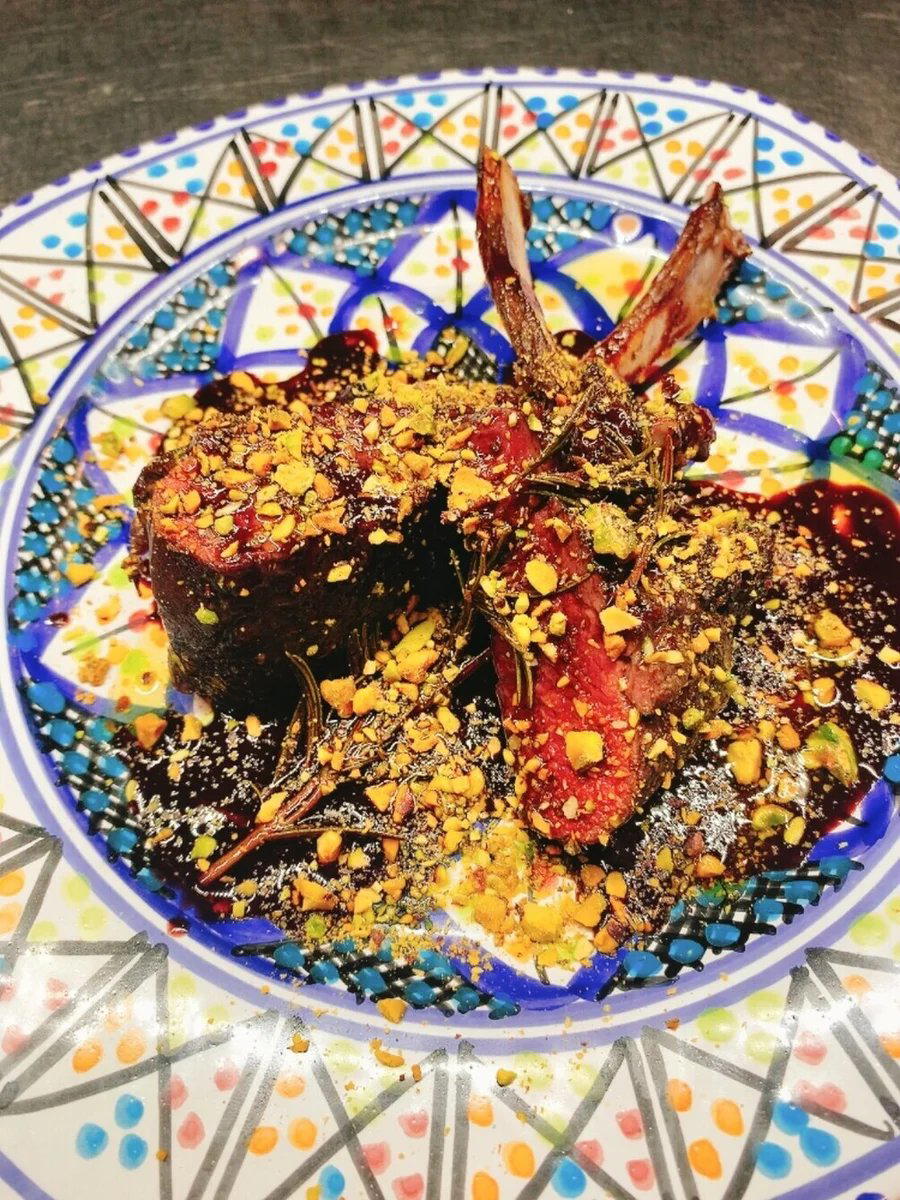
The menu
What to order
- Hand-rolled Couscous
- Pesce al Pecorino con Patate
- Linguine al Pesto di Tonno
- Insalata Caprese
- Calamari Fritti
Ebisu-Minami and the Quieter Register of Tokyo Dining
Tokyo's premium restaurant geography has always had two registers: the heavily credentialed counters of Ginza and Azabu, which attract international attention and price accordingly, and a second tier of neighbourhood-anchored rooms that operate at a different frequency. Ebisu-Minami, the Shibuya sub-district where バンデルオーラ sits at 2 Chome-7-5, belongs firmly to the second register. The area developed its dining character partly because of geographic proximity to Daikanyama and Nakameguro, both associated with a more design-conscious, less conspicuous kind of eating out, and partly because landlord economics in Shibuya's outer streets have historically allowed smaller operators to build something considered rather than something scaled.
That context matters when placing バンデルオーラ. In Tokyo, a restaurant's postcode is a signal before the menu ever arrives. Ebisu addresses have tended to attract operators more interested in the meal's internal logic, pacing, sourcing, the sequence of courses, than in the theatre of a famous room. For diners accustomed to the Harutaka tier of Ginza sushi or the formal kaiseki grammar of RyuGin, バンデルオーラ represents a different disposition toward the evening, though not necessarily a lesser one.
The Dining Ritual: Pacing, Sequence, and What the Meal Asks of You
Japan's premium dining culture has long treated the meal as a structured event with its own internal rules. At kaiseki counters, the sequence of courses follows a centuries-old grammar: sakizuke, hassun, yakimono, and so on, each course carrying seasonal and philosophical weight. At sushi omakase rooms, the pacing is set by the chef, with conversation calibrated accordingly. What distinguishes Tokyo's neighbourhood-tier restaurants from their more celebrated counterparts is not necessarily the quality of the food but the degree to which the ritual is made explicit or implicit.
At higher-profile addresses, Sézanne in the Four Seasons, or L'Effervescence in Nishi-Azabu, the ritual is foregrounded. The room communicates its seriousness through design, service choreography, and price architecture. At a room like バンデルオーラ, the ritual is more likely to be embedded in the meal itself: in how dishes arrive, how the table is reset, how the staff signal that the next phase is beginning. For diners who read those signals fluently, this is the more satisfying mode. For those who need the scaffolding made visible, the higher-profile rooms are more instructive.
Across Japan, this distinction runs through every dining tier. At Gion Sasaki in Kyoto, the kaiseki ritual is embedded in a room where the season's ingredients do most of the communicating. At HAJIME in Osaka, a three-Michelin-starred French-Japanese counter, the ritual is made architecturally explicit through the progression of courses and the room's physical design. バンデルオーラ, without the overhead of international acclaim, is free to let the meal speak at its own pace.
What the Ebisu-Minami Address Implies About Format and Atmosphere
Restaurants in Ebisu-Minami and the adjacent Daikanyama pocket tend to operate in smaller physical footprints than their Ginza or Azabu counterparts. This is not simply a function of rent, it reflects a deliberate choice about the kind of dining relationship the operator wants to build.
For comparison, consider how neighbourhood-anchored restaurants elsewhere in Japan use scale as an editorial choice. akordu in Nara and Goh in Fukuoka both operate in rooms where capacity is used to concentrate the experience rather than amplify it. The same logic applies in Tokyo's Ebisu corridor. The neighbourhood selects for a particular diner, one who arrives with some knowledge of what the meal will demand, who doesn't need the room to explain its own importance, and who is likely to return rather than check the box.
Arriving Prepared: What the Ritual Requires
Tokyo's dining culture places meaningful weight on preparation, not in the sense of reading a menu in advance, but in arriving with the right orientation. This applies with particular force at neighbourhood restaurants that don't have international press coverage to pre-calibrate expectations. At a counter like Crony, which operates in an innovative French register, the format is announced by the room's visual language. At a quieter Ebisu address, the format is announced more subtly, through pacing and the structure of what arrives at the table.
The practical implication: arrive on time, communicate dietary restrictions well in advance of the reservation rather than at the table, and allow the sequence to unfold at the room's tempo rather than the diner's. These are not unusual expectations in Tokyo's premium tier, they apply equally at Atomix in New York City or at comparable European counters, but they carry particular weight in a neighbourhood restaurant where the room is small and the rhythm fragile.
For context on how Tokyo's broader dining scene handles these expectations across price tiers, our full Tokyo restaurants guide maps the relevant counters and their respective formats. Regional comparisons are also useful: 一本杉 川嶋 in Nanao, 古仁屋山乃 in Sapporo, 湖邸庵墨 in Takashima, and 鷹羽屋 in Nishikawa Machi each represent neighbourhood-tier restaurants where the same preparation logic applies. So do Birdland in Sakai and Bistro Ange in Toyohashi, smaller-city addresses that reward the same calibrated approach.
Internationally, the closest structural analogue is a room like Le Bernardin in New York City: a restaurant where the ritual of the meal is built into the service architecture, and where the diner's job is to follow rather than direct the pace of the evening.
Planning Your Visit
The table below positions バンデルオーラ against a selection of Tokyo's ¥¥¥¥-tier restaurants for logistical reference. Note that price tier and booking complexity do not always correlate, neighbourhood rooms can be as difficult to reserve as their Ginza counterparts, particularly for foreign visitors without a local concierge.
| Venue | Neighbourhood | Price Tier | Cuisine Register | Booking Complexity |
|---|---|---|---|---|
| バンデルオーラ | Ebisu-Minami, Shibuya | Not confirmed | Not confirmed | Verify directly |
| Harutaka | Ginza | ¥¥¥¥ | Sushi omakase | High, months in advance |
| L'Effervescence | Nishi-Azabu | ¥¥¥¥ | French | High |
| RyuGin | Roppongi | ¥¥¥¥ | Kaiseki | High |
| Crony | Tokyo | ¥¥¥¥ | Innovative French | Moderate to high |
Frequently Asked Questions
The Short List
Comparable venues nearby, for context on price, style, and recognition.
| Venue | Cuisine | Price | Awards | Notes |
|---|---|---|---|---|
| バンデルオーラThis venue (the venue you are viewing) | Sicilian Italian Trattoria | $50–100 | Not listed | Not listed |
| Casita | Modern Italian with Japanese Influences | $100–150 | Not listed | Minato, Modern Italian with Japanese Influences |
| ラストリカート | Authentic Italian Osteria | $50–100 | Not listed | Shinjuku, Authentic Italian Osteria |
| La Sfoglina | Italian Pasta Restaurant | $50–100 | Tabelog 100 #80 | Minato, Italian Pasta Restaurant |
| リナシメント | Modern Italian Fine Dining | $50–100 | Tabelog 100 #92 | Meguro, Modern Italian Fine Dining |
| Orlando | Italian enoteca & restaurant | Not listed | Tabelog 100 #38 | Meguro, Italian enoteca & restaurant |
Continue exploring
More in Tokyo
Restaurants in Tokyo
All restaurants in Tokyo →


Bars in Tokyo
All bars in Tokyo →



Details
- Elegant
- Cozy
- Romantic
- Date Night
- Business Dinner
- Group Dining
- Casual Hangout
- Celebration
- Terrace
- Open Kitchen
- Standalone
- Extensive Wine List
- Sommelier Led
- Local Sourcing
- A La Carte
- Set Menu
- Italian Wine
- Imported Wine
- Pescatarian Friendly
Current opening hours
- Monday
- Closed
- Tuesday
- 5 PM–12 AM
- Wednesday
- 5 PM–12 AM
- Thursday
- 5 PM–12 AM
- Friday
- 5 PM–12 AM
- Saturday
- 12–3 PM, 5–10:30 PM
- Sunday
- Closed
Hours can change for holidays and private events. Hours as of .
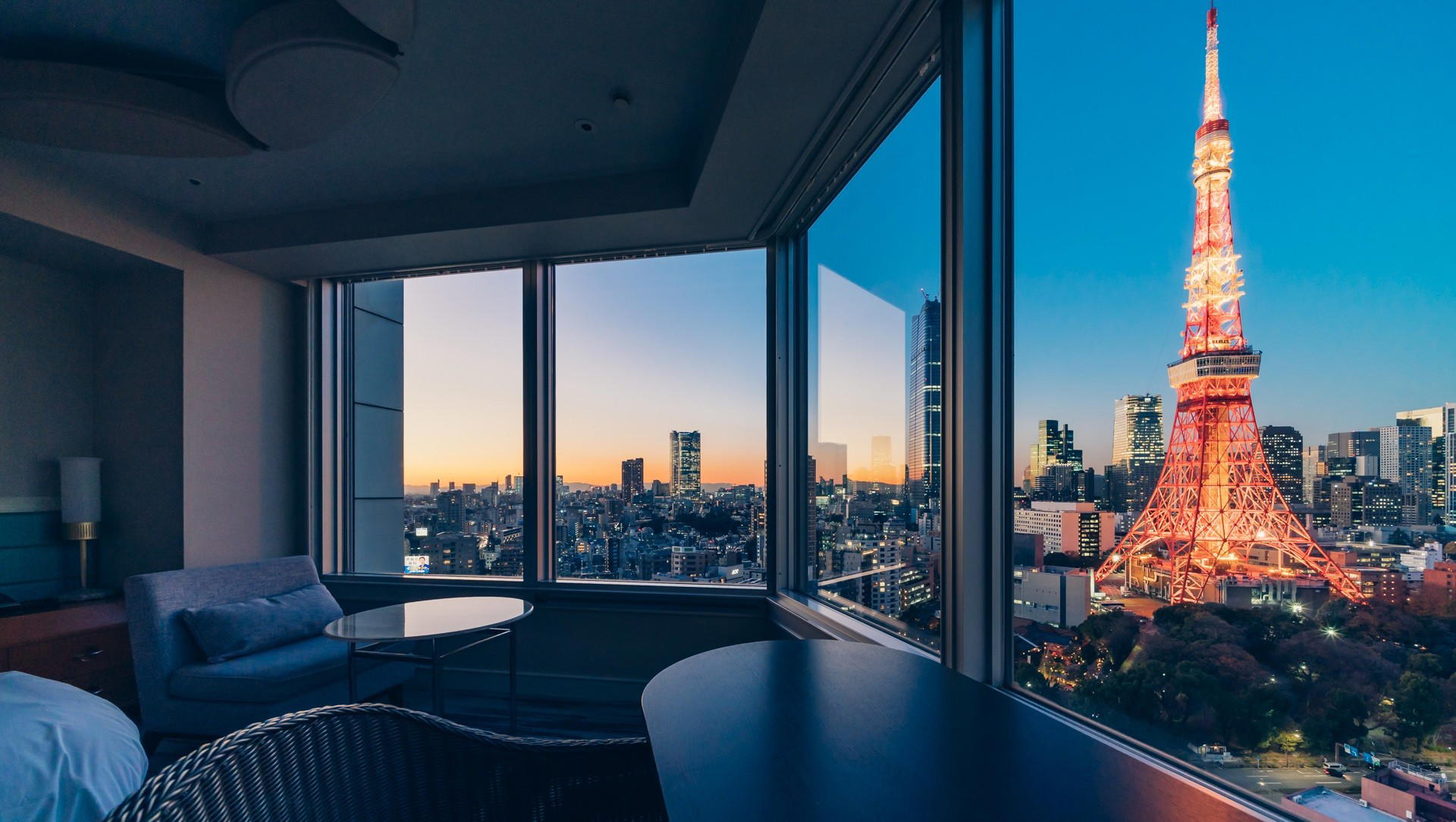
Warm, intimate Southern Italian-inspired casual setting with open terrace seating and relaxed yet sophisticated atmosphere.