
Tabelog 100 #92
Our verdict
リナシメント sits in Shimomeguro's quieter residential stretch, a neighbourhood increasingly associated with chef-driven dining that operates outside Tokyo's high-visibility Michelin circuit. The name, Italian for 'renaissance', signals a culinary orientation that places European technique alongside Japanese ingredient discipline. For visitors building a Tokyo itinerary around under-the-radar addresses, Shimomeguro rewards the detour.

Pearl is the En Primeur Club membership app, where members save venues, book tables and use the concierge.
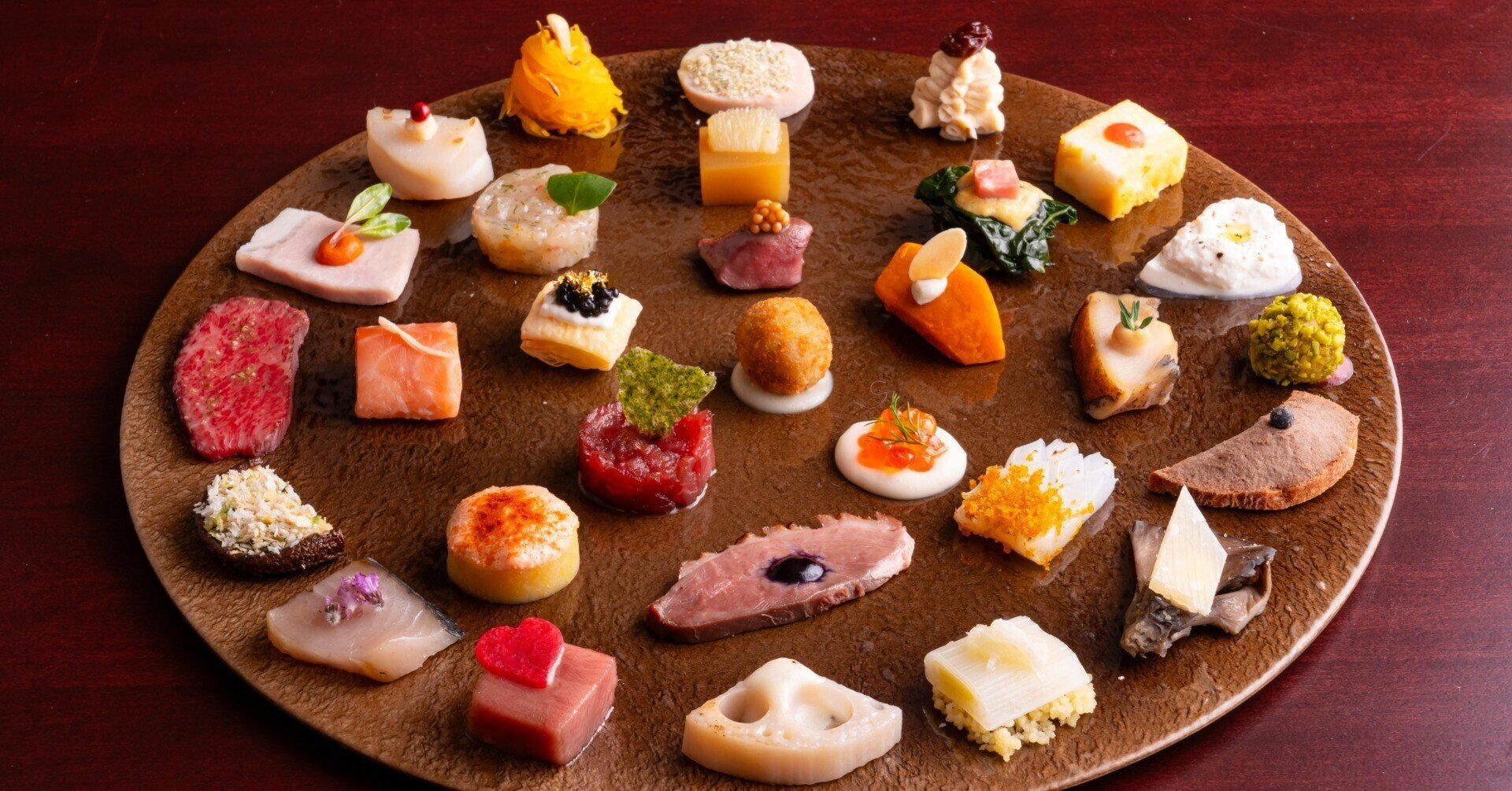
Shimomeguro and the Case for Dining Off the Main Circuit
Tokyo's premium dining conversation tends to cluster around a handful of postcode-legible addresses: Ginza for sushi and kaiseki, Minami-Aoyama for contemporary French, Roppongi for destination tasting menus. Shimomeguro, by contrast, sits outside that shorthand. It is a residential ward in Meguro City where the dining scene has developed gradually and without the self-promotion that comes with central-Tokyo real estate. That relative obscurity has made it a workable environment for restaurants that depend on repeat local custom and word-of-mouth rather than hotel concierge lists. Our full Tokyo restaurants guide maps the broader city spread, but Shimomeguro occupies a distinct place within it.
リナシメント (Rinashimento) operates from the ground floor of the Estralgo Meguro building at 2 Chome-23-2 Shimomeguro, a low-rise address that reads as neighbourhood-integrated rather than destination-signalling. The Italian name, meaning 'renaissance', places the kitchen's orientation somewhere between European culinary tradition and the Japanese ingredient rigour that defines serious dining at this latitude. That positioning is increasingly common in Tokyo's mid-tier and upper-mid-tier restaurant set, where Western technique and domestic produce have been in productive conversation for long enough that the synthesis feels settled rather than experimental.
The Italian Name in a Japanese Context
Italian cuisine occupies an unusual position in Japan's dining culture. It arrived in force during the 1980s economic expansion, when European food broadly became a marker of cosmopolitan aspiration, but it took root in a way that French cuisine, more tightly coupled to formal service codes and grand occasion dining, did not always manage. Italian, with its emphasis on product quality, regional specificity, and the discipline of doing less rather than more, mapped onto Japanese culinary values in ways that proved durable. By the 2000s, Tokyo had developed a stratum of Italian restaurants that operated with genuine technical seriousness, sourcing domestic vegetables, fish, and pork with the same attention a Piedmontese or Venetian kitchen might apply to its local producers.
That tradition gives a name like リナシメント a legible culinary context. A restaurant calling itself 'renaissance' in Italian, operating in a Japanese residential neighbourhood, is making an implicit argument about its orientation: European structure, Japanese material, and a deliberate positioning as a place of creative renewal rather than replication. Whether the kitchen executes that argument is a separate question, one that the venue's sparse public profile makes difficult to adjudicate from the outside, but the framing itself is coherent within Tokyo's Italian dining lineage.
For a point of comparison on what European technique looks like at the highest Tokyo tier, L'Effervescence and Sézanne both operate in the French idiom at the ¥¥¥¥ bracket, while Crony works in an innovative French register. These venues define the upper end of the European-in-Tokyo conversation. RyuGin and Harutaka anchor the high-end Japanese end. リナシメント, from the available information, sits in a different tier and a different register from these addresses, neighbourhood-scale rather than destination-scale, with the pricing and visibility that implies.
How Shimomeguro Fits into Tokyo's Dining Geography
The Meguro ward has produced several restaurants that operate seriously without seeking high-profile recognition. The area around Nakameguro canal attracts a younger, design-conscious crowd; Shimomeguro proper, slightly removed from the canal's busier stretch, is quieter and more residential. Restaurants in this zone tend to serve a local constituency first, with visitors arriving largely through personal recommendation rather than algorithmic discovery. That dynamic shapes the kind of cooking that survives: technically grounded, portion-appropriate, and priced at a level that supports repeat visits rather than once-a-year occasion dining.
Across Japan more broadly, the pattern of serious regional cooking operating at a remove from headline recognition is well-established. HAJIME in Osaka and Gion Sasaki in Kyoto represent the formal high end of that regional spread. At a different scale, addresses like akordu in Nara and Goh in Fukuoka demonstrate how European-Japanese synthesis plays out in cities where the dining culture is less internationally scrutinised. The Shimomeguro context positions リナシメント within a similar logic: serious food operating at a scale that the Michelin macro-circuit does not always capture. Further afield, 一本杉川島料理 in Nanao, 古代山乃 in Sapporo, 湖畔荘 in Takashima, 庄羽屋 in Nishikawa Machi, Birdland in Sakai, and Bistro Ange in Toyohashi all illustrate how Japan's serious dining network extends well beyond the three-city metropolitan axis. Internationally, the European-Japanese crossover has parallels at venues like Le Bernardin in New York and Atomix in New York, both of which demonstrate how technique from one culinary tradition can be applied with the material discipline of another.
What to Expect and How to Plan
Because リナシメント's public profile is limited, a visit requires some tolerance for uncertainty on specifics. The Shimomeguro address and the building ground-floor format suggest a compact, neighbourhood-restaurant scale rather than a large-group or occasion-dining environment. The Italian name and Tokyo context together imply a kitchen working in the European-Japanese synthesis mode that has become a coherent genre in this city. Seasonal availability of Japanese produce, which shifts markedly between spring mountain vegetables, summer fish, autumn mushrooms and root vegetables, and winter citrus, tends to drive menus in this register, making the timing of a visit relevant to what appears on the table.
Reservations: No online booking platform or phone number is publicly listed; direct approach to the venue or local concierge assistance is advisable. Getting there: Shimomeguro is accessible from Meguro Station (JR Yamanote Line, Tokyo Metro Namboku Line), with the address at 2 Chome-23-2 Shimomeguro a short walk from the station's east exit. Budget: Timing: Visiting during autumn or early winter, when Japanese root vegetables and wild mushrooms are at their seasonal peak, tends to produce the most considered menus in kitchens working with European-Japanese synthesis.
Frequently asked questions
What do people recommend at リナシメント?
The Italian name and Shimomeguro neighbourhood context suggest a kitchen oriented toward European technique with Japanese ingredient sourcing, a combination that in Tokyo typically produces pasta and secondi courses built around domestic fish, pork, and seasonal produce. For verified recommendations from the kitchen's current direction, contacting the venue directly or consulting a local dining specialist is the most reliable approach. If you are building a broader Tokyo itinerary, L'Effervescence and Crony represent what European-inflected cooking looks like at the fully documented high end of the city's dining scene.
What is the ideal way to book リナシメント?
No online reservation platform, website, or listed phone number is currently available in public records for リナシメント. In Tokyo, neighbourhood restaurants operating at this scale and visibility level are frequently bookable by phone during service hours, or accessible through a hotel concierge with local contacts. Visiting the address in person during non-service hours to confirm current booking procedures is a practical option for those already in the Meguro area. For comparable venues with confirmed booking infrastructure across Tokyo and other Japanese cities, the EP Club Tokyo guide documents reservation methods alongside venue details.
Is リナシメント suitable for a special occasion dinner in Tokyo's Meguro area?
The Shimomeguro address and neighbourhood-restaurant format suggest リナシメント operates at an intimate, local scale rather than as a dedicated occasion-dining destination. That environment can suit a quiet celebratory dinner for two or a small group more naturally than a large formal gathering. Given the limited public information on pricing and format, confirming the evening's tone and menu structure directly with the restaurant before an occasion visit is advisable. For high-end occasion dining with a fully documented format in the broader Meguro and Tokyo context, venues like RyuGin or Harutaka operate with established reservation and occasion-dining protocols.
City Peers
Comparable venues nearby, for context on price, style, and recognition.
| Venue | Cuisine | Price | Awards | Notes |
|---|---|---|---|---|
| リナシメントThis venue (the venue you are viewing) | Modern Italian Fine Dining | $50–100 | Tabelog 100 #92 | Not listed |
| バンデルオーラ | Sicilian Italian Trattoria | $50–100 | Not listed | Shibuya |
| unito | Italian Fusion | $50–100 | Tabelog 100 #89 | Meguro |
| Il Lato | Italian Omakase | $100–150 | Tabelog 100 #27 | Shinjuku |
| ANTICA OSTERIA CARNEYA | Italian Steak Osteria | $50–100 | Tabelog 100 #19 | Shinjuku |
| Pizzeria Bella Napoli | Neapolitan Pizza | $30–50 | Tabelog 100 #32 | Kōtō |
Recognition history
Dated appearances from independent guides and award organizations, with the underlying list record or original source where available.
Tabelog 100 #92 · No. 92
Tabelog · Tabelog 100 - Italian - TOKYO - 2025
Continue exploring
More in Tokyo
Restaurants in Tokyo
All restaurants in Tokyo →
Bars in Tokyo
All bars in Tokyo →




Details
- Cozy
- Elegant
- Intimate
- Modern
- Date Night
- Special Occasion
- Private Dining
- Sake Program
- A La Carte
- Small Plates
Current opening hours
- Monday
- 6–10:30 PM
- Tuesday
- 12–3 PM, 6–10:30 PM
- Wednesday
- 12–3 PM, 6–10:30 PM
- Thursday
- 12–3 PM, 6–10:30 PM
- Friday
- 12–3 PM, 6–10:30 PM
- Saturday
- 12–3 PM, 6–10:30 PM
- Sunday
- Closed
Hours can change for holidays and private events. Hours as of .
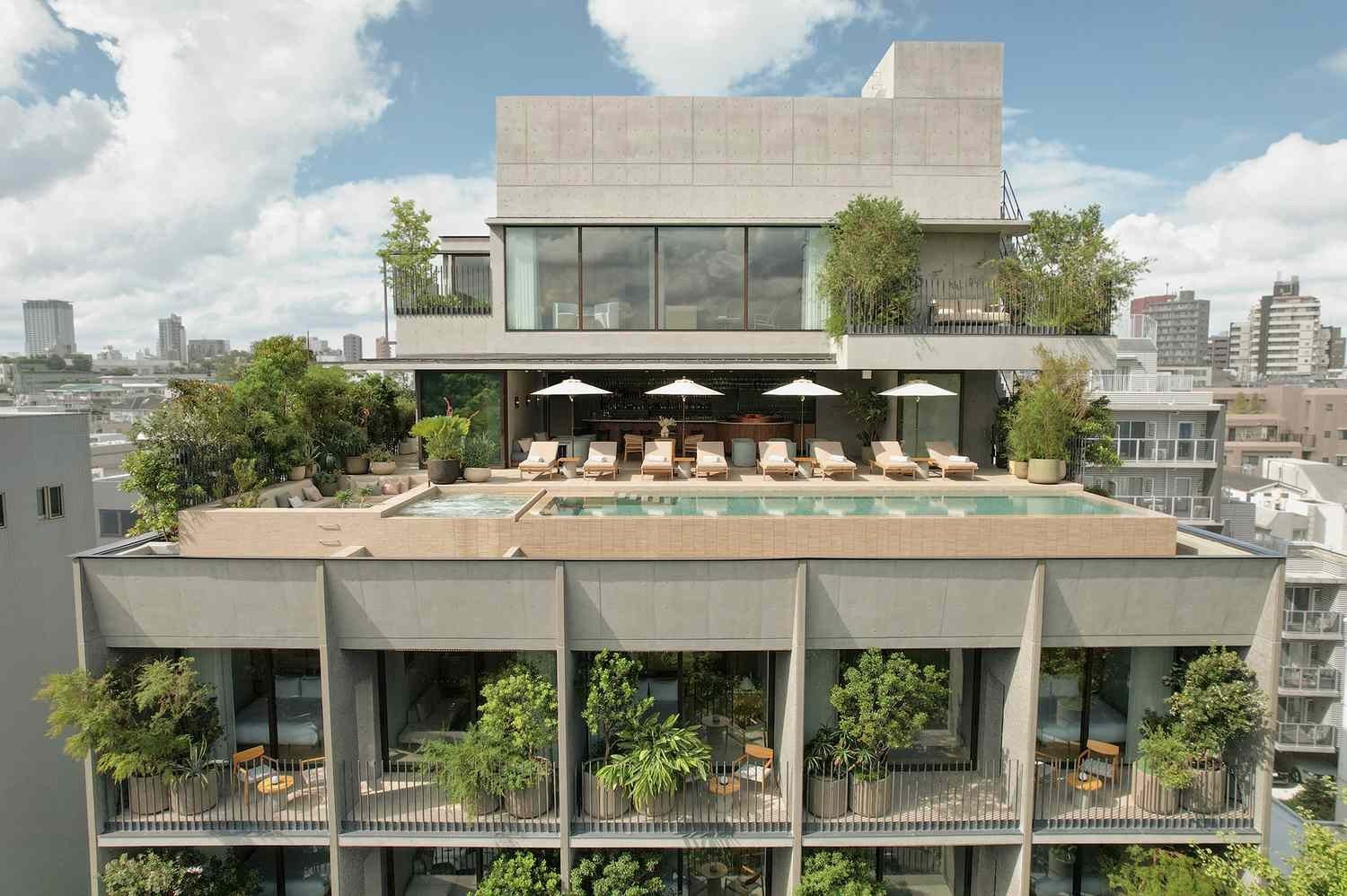
Warm and relaxing atmosphere with stylish modern exterior leading to a cozy, tension-relieving interior away from city hustle.