Located in Yoyogi, Shibuya, ボニュ occupies a quieter register in Tokyo's densely competitive restaurant scene. The address places it outside the high-visibility dining corridors of Ginza or Roppongi, situating it instead within a residential pocket that rewards visitors who research rather than wander. Details on cuisine type, pricing, and booking remain sparse in public records, making direct contact the only reliable path to current information.
Pearl is the En Primeur Club membership app — saves, bookings, and concierge access live there. Same editors, same standards.
- Address
- Japan, 〒151-0053 Tokyo, Shibuya, Yoyogi, 4 Chome−22−17 クイーンズ代々木 1F
- Phone
- +81363005423
- Website
- bon-nu.jp
- Directions
- Get directions
 Saves & bookings on Pearl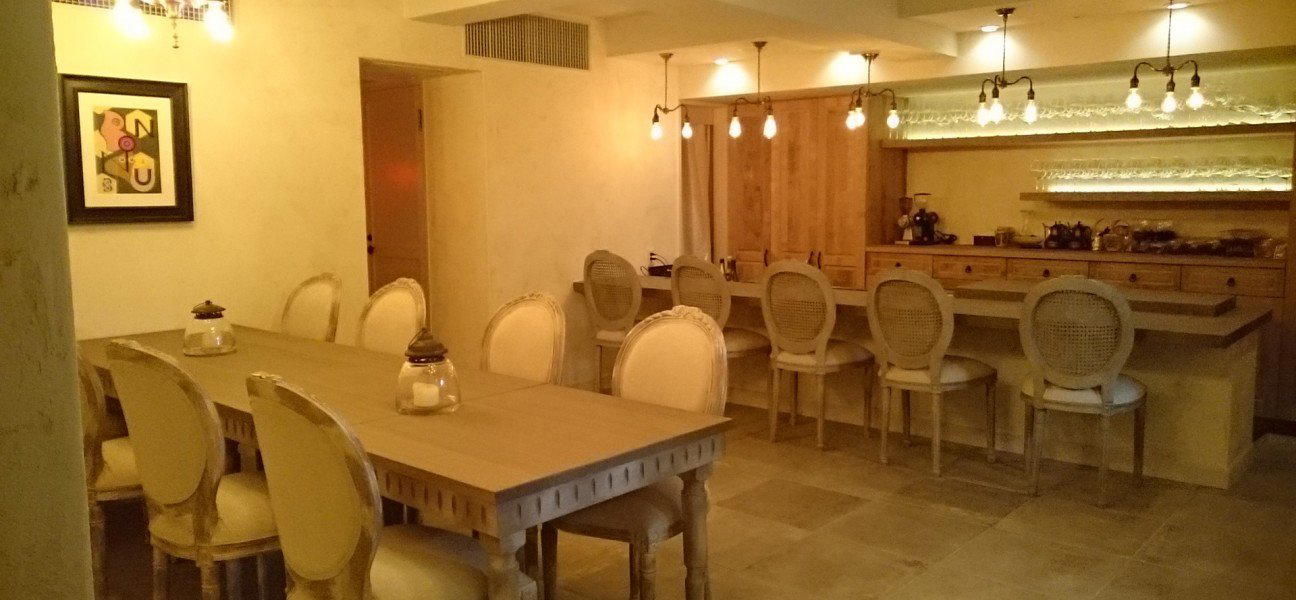
Yoyogi and the Case for Off-Corridor Dining in Tokyo
Tokyo's premium restaurant circuit tends to concentrate in a handful of postcodes: Ginza for high-end omakase and European fine dining, Roppongi for the international-facing flagship, Minami-Aoyama for the chef-driven independent. Shibuya's Yoyogi district sits at a slight remove from that axis. The neighbourhood is residential in character, with local commerce structured around daily life rather than destination dining. That geography has historically made Yoyogi a place where restaurants build clientele through word of mouth and repeat custom, not through foot traffic from tourists or business diners working through a list.
ボニュ is a restaurant in Tokyo's Yoyogi district, serving Modern French Ingredient-Focused Tasting Menu at a price point around $450 per person. It operates at that address, in the ground floor of a building called クイーンズ代々木 on a quiet block of Yoyogi 4-chome. The physical context matters because it shapes the kind of restaurant this address tends to support: mid-scale in ambition, neighbourhood-rooted in sourcing logic, and typically dependent on a loyal local base rather than the international reservation platforms that drive occupancy at places like Harutaka or Sézanne.
Ingredient Sourcing as the Underlying Logic
In Tokyo, the gap between a restaurant that talks about ingredient sourcing and one that actually builds its menu around it tends to show up on the plate. Japan's domestic produce networks are among the more developed in the world: direct relationships between chefs and farmers in prefectures like Yamagata, Nagano, and Hokkaido have been standard practice in serious kitchens for decades, long before farm-to-table became an international marketing phrase. Restaurants in residential neighbourhoods like Yoyogi often operate closer to that model by necessity rather than ideology, sourcing locally and seasonally because their customer base expects it and because the economics of a neighbourhood address don't support the import premiums that Ginza counters absorb.
This sourcing orientation connects ボニュ to a broader pattern visible across Japan's mid-tier independent restaurant scene. At places like Goh in Fukuoka or akordu in Nara, the menu's authority derives not from the brand weight of imported luxury ingredients but from the precision and specificity of domestic sourcing. A restaurant that can name the prefecture, the farm, and the variety behind a given vegetable or protein is making a different kind of argument than one leading with Wagyu grades or imported truffle.
Where ボニュ Sits in Tokyo's Restaurant Tiers
Tokyo's restaurant ecosystem is unusually stratified. At the leading, award-weighted counters at venues like RyuGin or L'Effervescence operate with Michelin stars, overseas reputations, and pricing structures that reflect both. A tier below, restaurants like Crony occupy the serious-independent space, with chef credentials and a following that positions them as alternatives to the award-circuit names without necessarily competing on the same price floor.
ボニュ serves Modern French Ingredient-Focused Tasting Menu at about $450 per person. What the address and format suggest is a restaurant oriented toward the neighbourhood-independent category: not a destination counter built for the international fine-dining traveller, but a place with a defined local identity and a menu grounded in what is available and seasonal at the time of your visit. That category includes some of Tokyo's most consistent and honest cooking, even where it lacks the Michelin notation or 50 Best visibility of the upper tier.
For comparison, the independent restaurant scenes in other Japanese cities follow similar logic. Gion Sasaki in Kyoto and HAJIME in Osaka represent the award-weighted end of that independent model. But across Japan, from the Hokuriku coast restaurants linked to Nanao's fishing culture, such as 一本木 石川製, to neighbourhood-rooted tables in Sapporo like 北海道厨房, the pattern holds: geography shapes sourcing, and sourcing shapes the menu's integrity.
The Yoyogi Neighbourhood as Context
Yoyogi itself is worth understanding on its own terms. The area borders Shinjuku to the north and Harajuku to the east, but reads differently from either. It lacks the commercial density of Shinjuku or the fashion-driven foot traffic of Harajuku's Omotesando end. The residential character means the restaurant clientele is more likely to be local returnees than first-visit tourists working through a Tokyo dining checklist. That dynamic tends to produce a different kind of kitchen discipline: menus respond to what regulars expect rather than what impresses on a single high-stakes visit.
Getting to ボニュ from central Tokyo is direct on the Odakyu or Chuo-Sobu lines, with Yoyogi station a short walk from the address. From Shinjuku, the journey takes under ten minutes. From Ginza or the eastern side of the city, allow additional transfer time. The ground-floor location within クイーンズ代々木 means the entrance is at street level with no elevator or multi-floor navigation required.
Planning Your Visit
Reservations are by appointment only. Hours run Monday through Sunday, 12:00 to 3:30 PM and 5:00 to 11:00 PM. The dress code is smart casual.
For broader Tokyo dining context, the EP Club Tokyo restaurants guide maps venues across price tiers, neighbourhoods, and cuisine types. For international reference points on the kind of produce-driven, sourcing-first cooking that Tokyo's independent scene often exemplifies, the approaches visible at Le Bernardin in New York City and Atomix offer useful comparison from different culinary traditions. Within Japan, the independent model is also well represented at Bistro Ange in Toyohashi, Birdland in Sakai, and 湖畔荘 in Takashima.
How It Stacks Up
Comparable venues nearby, for context on price, style, and recognition.
| Venue | Cuisine | Price | Notes |
|---|---|---|---|
| ボニュThis venue — the venue you are viewing | Modern French Ingredient-Focused Tasting Menu | $$$$ | Not listed |
| ラチュレ | Seasonal French with Japanese Game Meats | $$$$ | Shibuya |
| エスキス | Modern French with Japanese Ingredients | $$$$ | Chūō |
| 塞尚 | Modern French Fine Dining | $$$$ | Marunouchi |
| Hiromichi | Michelin-Starred French Fine Dining | $$$$ | Shibuya |
| SIGNATURE | Contemporary French Fine Dining | $$$$ | Chūō |














At a Glance
- Elegant
- Intimate
- Sophisticated
- Minimalist
- Special Occasion
- Date Night
- Celebration
- Open Kitchen
- Private Dining
- Design Destination
- Sommelier Led
- Local Sourcing
Current opening hours
- Monday
- 12–3:30 PM, 5–11 PM
- Tuesday
- 12–3:30 PM, 5–11 PM
- Wednesday
- 12–3:30 PM, 5–11 PM
- Thursday
- 12–3:30 PM, 5–11 PM
- Friday
- 12–3:30 PM, 5–11 PM
- Saturday
- 12–3:30 PM, 5–11 PM
- Sunday
- 12–3:30 PM, 5–11 PM
Hours can change for holidays and private events. Last verified .
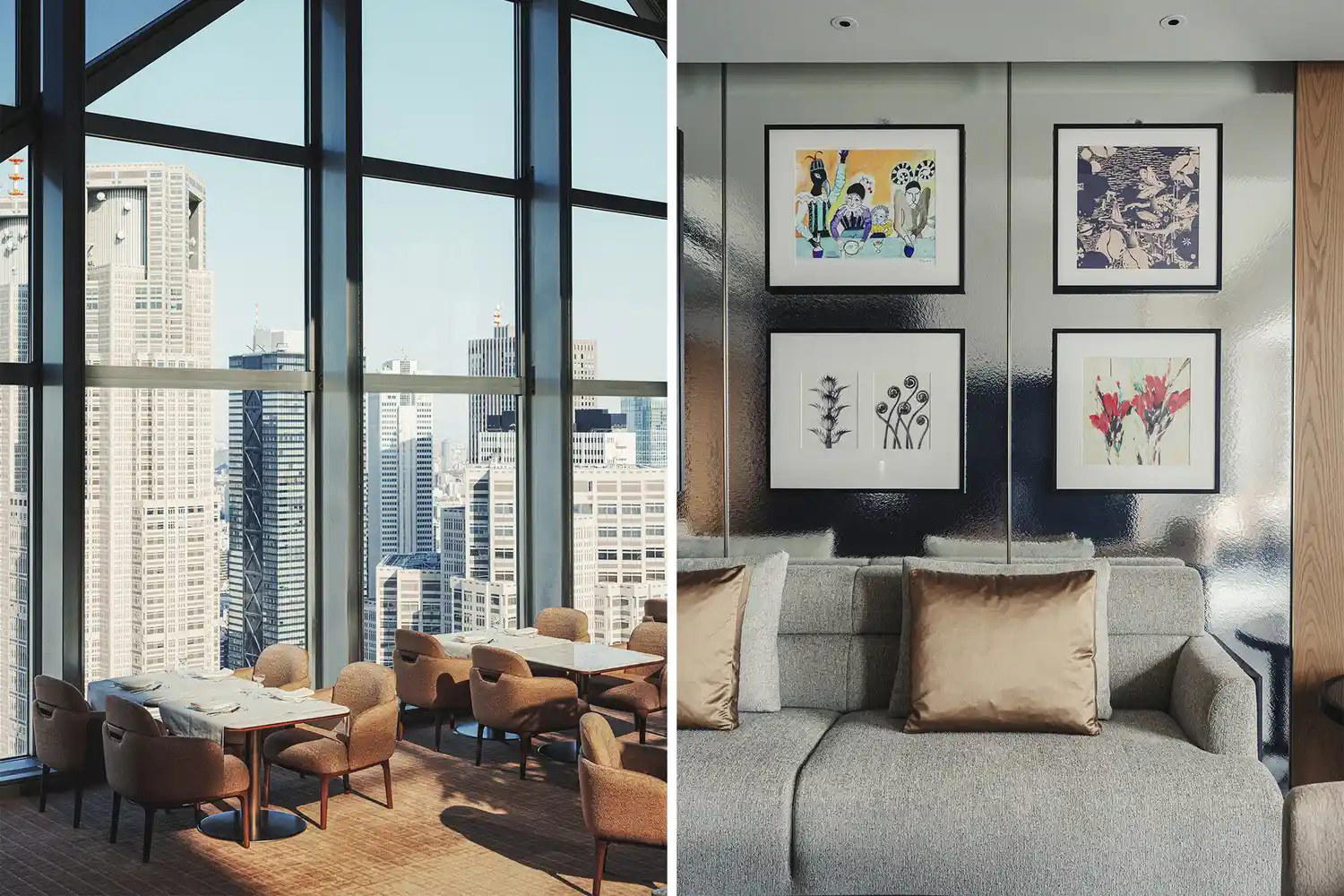
Refined and understated with a warm, inviting atmosphere; the intimate 12-seat space features custom dishware designed specifically for each course, creating a gallery-like setting focused entirely on the food.