Our verdict
Hiromichi occupies a quiet floor in Meguro's Mita district, positioning itself within the tier of Tokyo restaurants where occasion dining is the default register. The address places it at some remove from the high-traffic Michelin corridors of Ginza and Minami-Aoyama, making it a considered choice for milestone meals where discretion matters as much as the food on the plate.

Pearl is the En Primeur Club membership app — saves, bookings, and concierge access live there. Same editors, same standards.
The menu
What to order
- Purple Sweet Potato Mousseline with Mushroom Consommé Jelly and Sea Urchin
Meguro's Quieter Register for Serious Meals
Tokyo's premium dining map is not flat. Ginza and Minami-Aoyama carry the density of Michelin-tracked counters and French-inflected kaiseki rooms that draw international itineraries, but Meguro operates at a different frequency. The ward has historically attracted a local professional clientele with fewer tourists cycling through, and that demographic shapes what restaurants here feel like: less performative, more committed to the meal itself. Hiromichi, located in Mita on Meguro's western edge, fits that register. The MT building address in a low-rise residential-commercial pocket signals immediately that this is not a venue chasing foot traffic. You find it, or you don't.
That geography matters when the purpose of the evening is a milestone. Anniversary dinners, important business meals, and celebrations where the conversation is as significant as the cooking benefit from rooms that don't require you to compete with ambient theatre. Meguro's quieter streets deliver that naturally, and Hiromichi's placement within them reinforces it. For comparison, the more visible tier of Tokyo occasion dining — RyuGin in Roppongi or L'Effervescence in Minami-Aoyama — operates in neighbourhoods with substantially more external energy. The trade-off is real: you gain prestige adjacency at the cost of isolation from the city's noise.
How Occasion Dining Works in Tokyo's Premium Tier
Tokyo has built a category of restaurant that exists almost exclusively to mark time. These are not places you visit casually or because you happen to be in the neighbourhood. The omakase counter, the multi-course kaiseki progression, the French tasting format, all of them impose a structure on the evening that transforms dinner into event. Japan's broader dining culture reinforces this: gifts, envelopes, and formal greetings at the beginning of milestone meals have long been part of how occasions are demarcated, and the restaurant functions as the stage for those rituals.
At the serious end of Tokyo dining, where Harutaka commands multi-month waits for its sushi counter or Sézanne at Four Seasons Marunouchi operates in the ¥¥¥¥ French tier, the occasion is often baked into the booking itself. The difficulty of securing a seat becomes part of the gift. Hiromichi's presence in Meguro rather than the Michelin-dense core of the city suggests a different positioning: the occasion is personal rather than institutional, intimate rather than declarative. This is the kind of dinner you arrange for someone, not the kind you mention at a board meeting.
The wider Japan context for this style of dining is instructive. Gion Sasaki in Kyoto and HAJIME in Osaka each anchor their city's equivalent of this register: smaller, quieter, occasion-oriented, and positioned slightly apart from the main tourist circuits. Hiromichi in Meguro occupies an analogous local role for Tokyo's inner southwestern wards.
The Seasonal Argument for Timing Your Visit
Tokyo's high-end dining calendar has rhythms that affect both availability and what arrives on the plate. Autumn, roughly October through November, is when Japanese ingredient culture reaches its most concentrated point: matsutake mushrooms, pacific saury, and the early citrus that precedes winter set a specific tone in kitchens working with seasonal produce. Spring similarly shifts the register, with cherry blossom season creating a surge in reservation demand across the city's occasion-focused restaurants as couples and families mark the turn of the year in the Japanese school-and-fiscal calendar.
For milestone meals, the implication is practical: if the occasion has a fixed date, Meguro's less-trafficked dining scene may offer more flexibility than Ginza or Roppongi in high-demand periods. If the occasion is flexible, autumn's ingredient calendar makes it the strongest argument for a serious dinner anywhere in Japan. The same logic applies to destinations like akordu in Nara or Goh in Fukuoka, where seasonal produce windows create clear optimal moments within the year.
Tokyo's Premium Tier: A Brief Comparison
| Venue | Neighbourhood | Cuisine | Price Tier | Occasion Register |
|---|---|---|---|---|
| Hiromichi | Meguro (Mita) | Not confirmed | Not confirmed | Intimate, local |
| Harutaka | Ginza | Sushi | ¥¥¥¥ | High-prestige counter |
| RyuGin | Roppongi | Kaiseki | ¥¥¥¥ | Internationally visible |
| L'Effervescence | Minami-Aoyama | French | ¥¥¥¥ | Design-forward, award-tracked |
| Crony | Tokyo | Innovative French | ¥¥¥¥ | Contemporary, chef-forward |
Planning a Visit to Hiromichi
Hiromichi's address in Mita, Meguro City places it in a walkable distance from Mita Station on the Tokyu Meguro Line and Meguro Station on the JR Yamanote Line. The MT building is a low-key commercial address typical of Meguro's mixed residential zones. For reference, Tokyo's comparable ¥¥¥¥ restaurants in the occasion-dining tier typically require reservations several weeks to several months in advance, with omakase counters and kaiseki formats at the upper end of that range.
Visitors building a Japan itinerary around serious dining may also want to cross-reference options across the country. The EP Club covers restaurants ranging from 一本杉川嶋製 in Nanao and 湖麺屋リジョー in Takashima to 夕本仙乃 in Sapporo and 荘羽屋 in Nishikawa Machi, alongside more established regional names like Birdland in Sakai and Bistro Ange in Toyohashi. The full Tokyo picture is covered in our Tokyo restaurants guide. For international comparisons in the same occasion-dining tier, Le Bernardin in New York and Atomix in New York represent how the format translates into a Western context.
Frequently asked questions
at Hiromichi?
As a reference point, serious occasion restaurants in the Meguro district tend toward either structured omakase formats or multi-course kaiseki progressions where the kitchen dictates the order of service. In both cases, the practical answer is to trust the format rather than making a la carte decisions. Contacting the venue directly before your visit is the most reliable way to understand the current menu structure.
How hard is it to get a table at Hiromichi?
Confirmed booking lead times for Hiromichi are not available. In Tokyo's ¥¥¥¥ tier, the difficulty of reservation varies sharply by format. Counter-format omakase rooms like Harutaka in Ginza operate on multi-month waits; smaller neighbourhood restaurants in Meguro sometimes offer shorter windows.
What's the standout thing about Hiromichi?
From available data, the most legible distinction is locational: a Mita, Meguro address at some remove from the Michelin-dense corridors of Ginza and Roppongi. For occasion dining, that positioning translates into a more private atmosphere than venues that operate under sustained critical and tourist attention. Whether the kitchen supports that promise depends on details not yet confirmed in public records.
Can Hiromichi accommodate dietary restrictions?
No confirmed policy on dietary restrictions is available for Hiromichi. In Tokyo's serious dining sector, structured tasting formats often require dietary information at the time of booking rather than on the night. Direct contact with the restaurant before reserving is the standard approach, and Tokyo's service culture generally means advance requests are handled with care.
Is Hiromichi a suitable venue for a private celebration or group booking?
As a point of general context, Meguro's smaller restaurant formats often have limited covers and may not accommodate large groups within the main dining room. For milestone group celebrations in Tokyo, venues with confirmed private dining infrastructure, including several in our full Tokyo guide, offer a more reliable starting point until Hiromichi's capacity and format are confirmed through direct contact.
Peers You’d Cross-Shop
Comparable venues nearby, for context on price, style, and recognition.
| Venue | Cuisine | Price | Awards | Notes |
|---|---|---|---|---|
| HiromichiThis venue — the venue you are viewing | Michelin-Starred French Fine Dining | $100–150 | Not listed | Not listed |
| Joël Robuchon | Modern French Fine Dining | $200–300 | Not listed | Shibuya |
| ラチュレ | Modern French Game Meat Fine Dining | $300–500 | 1 Michelin Star · Black Pearl 1 Diamond | Shibuya |
| ジランドール | Modern French Brasserie | $150–200 | Not listed | Shinjuku |
| カーエム | Classic French Fine Dining | $150–200 | Not listed | Chūō |
| プレニチュード | Modern French Organic Fine Dining | $150–200 | Not listed | Chūō |
Continue exploring
More in Tokyo
Restaurants in Tokyo
All restaurants in Tokyo →


Bars in Tokyo
All bars in Tokyo →




Details
- Elegant
- Sophisticated
- Cozy
- Date Night
- Special Occasion
- Organic
- Local Sourcing
- Garden
- Tasting Menu
Current opening hours
- Monday
- Closed
- Tuesday
- 11:30 AM–3 PM, 6–11 PM
- Wednesday
- 11:30 AM–3 PM, 6–11 PM
- Thursday
- 11:30 AM–3 PM, 6–11 PM
- Friday
- 11:30 AM–3 PM, 6–11 PM
- Saturday
- 11:30 AM–3 PM, 6–11 PM
- Sunday
- 11:30 AM–3 PM, 6–11 PM
Hours can change for holidays and private events. Last verified .
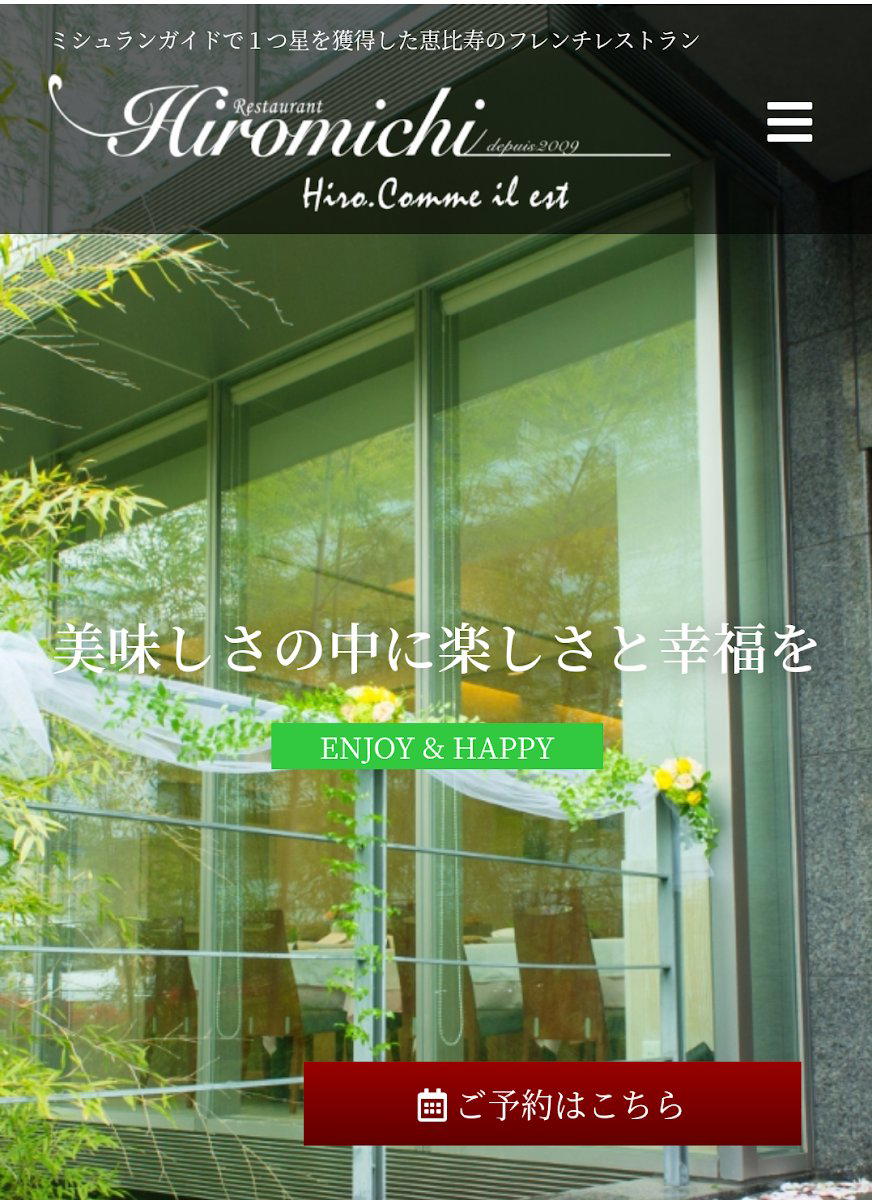
Refreshing atmosphere with natural light streaming through large windows and surrounding greenery of bamboo.