エスキス occupies the ninth floor of a Ginza tower and sits at the premium end of Tokyo's French fine dining tier, where European technique and Japanese seasonal discipline converge in a single tasting format. The room's refined position gives it a particular quality of light and distance from the street below, which shapes the pace of a meal here. Book well in advance; this address draws a serious international following.
Pearl is the En Primeur Club membership app — saves, bookings, and concierge access live there. Same editors, same standards.
- Address
- Japan, 〒104-0061 Tokyo, Chuo City, Ginza, 5 Chome−4−6 ロイヤルクリスタル銀座 9F
- Phone
- +81355375580
- Website
- esquissetokyo.com
- Directions
- Get directions
 Saves & bookings on Pearl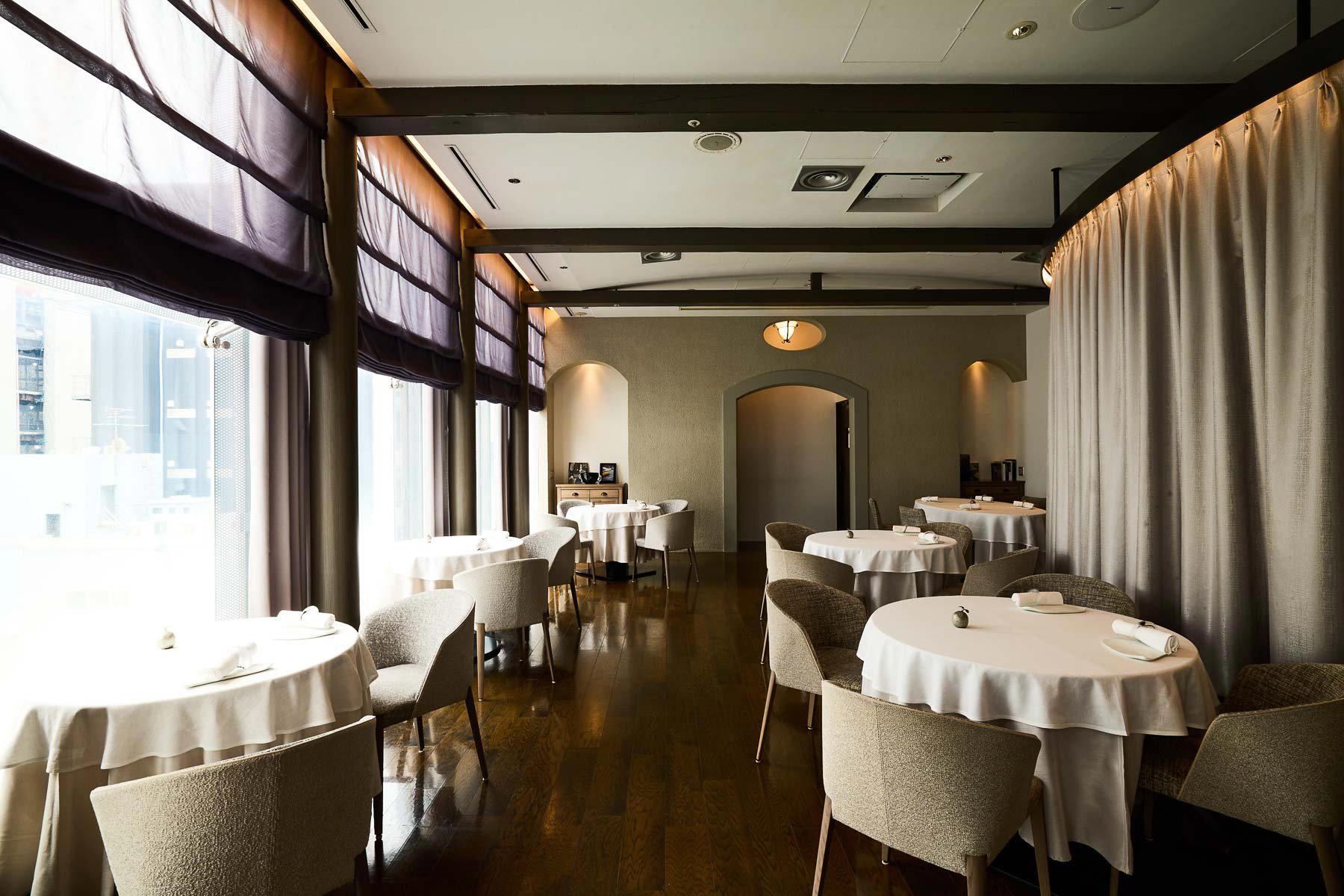
Where Tokyo's French Fine Dining Finds Its Quietest Register
Ginza's concentration of high-investment restaurants is one of the densest on earth, yet the district's premium French addresses occupy a surprisingly coherent niche. They tend toward restraint over spectacle, seasonal Japanese produce over imported pantry staples, and long-form tasting menus over à la carte breadth. エスキス is a Tokyo restaurant in Ginza serving modern French with Japanese ingredients, with a formal dress code and essential reservations. On the ninth floor of the Royal Crystal Ginza building on 5-chome, it sits inside that niche with a clarity of purpose that places it alongside peers such as L'Effervescence and Sézanne at the disciplined, produce-led end of the tier.
The French fine dining scene in Tokyo has evolved considerably since the early 2000s, when a first wave of European-trained chefs began fusing classical French structure with Japan's ingredient calendar. What that generation established, reverence for the seasonal window, a cooking temperature lower than French convention, and presentation informed by Japanese visual culture is now the baseline expectation at many addresses in this price bracket. エスキス works within that tradition while maintaining a European sensibility in its composition logic and sauce work.
The Atmosphere: Altitude and Silence
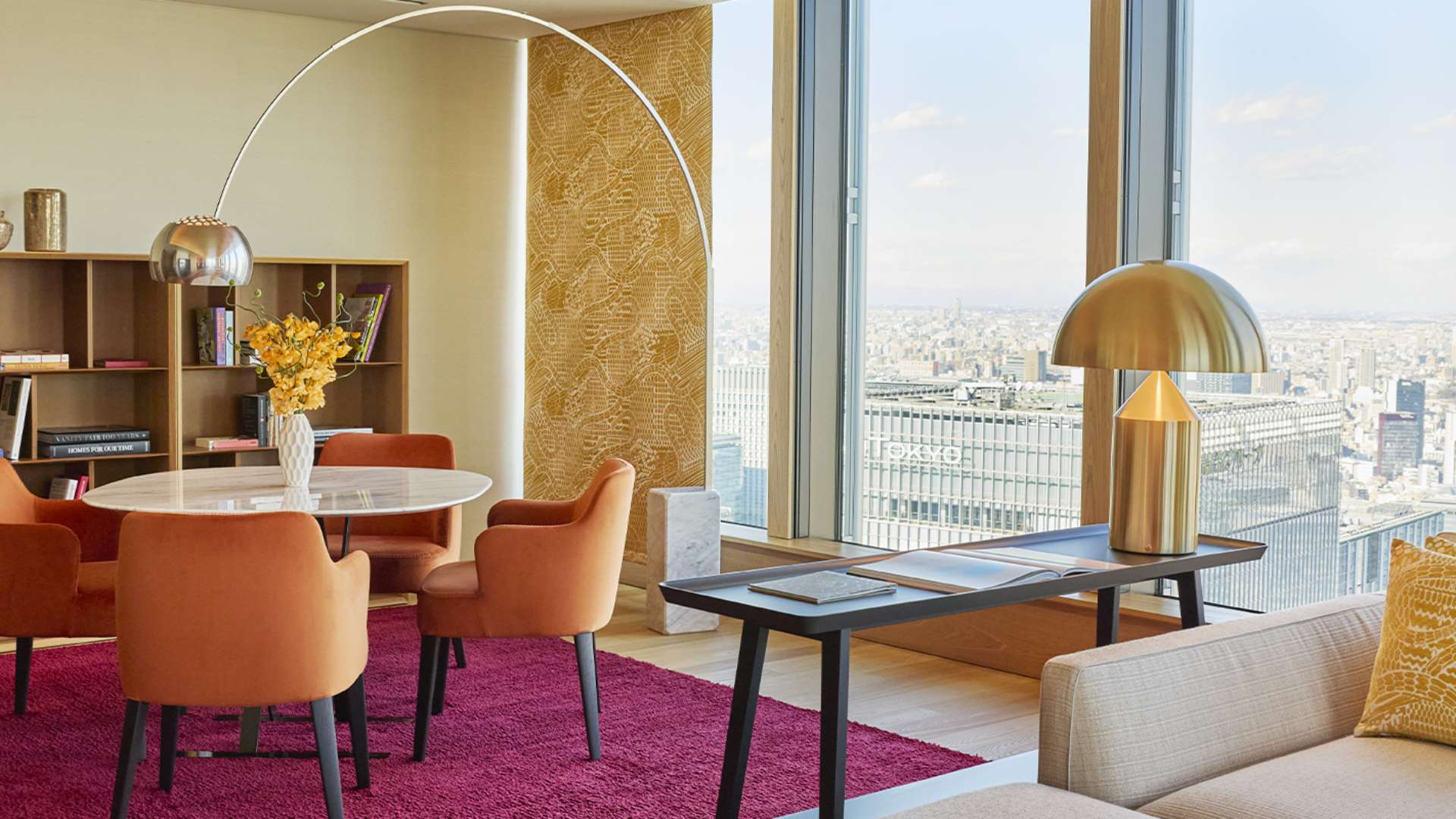
The physical setting does material work here. On the ninth floor, the ambient noise of Ginza disappears entirely. The room operates at a register closer to a private dining room than a public restaurant, which conditions the pace at which dishes are received and conversation moves. Light enters differently from this height: softer at midday, longer at dusk, and the shift across a multi-course dinner is perceptible without being theatrical.
Tokyo's leading French rooms have generally moved away from the heavy drapery and formal service choreography associated with their European counterparts. The service posture at this tier tends toward attentive precision rather than ceremony, and the room's relative calm allows both to land without self-consciousness. If the question is atmosphere, the short answer is: controlled, quiet, and better suited to two than to a table of six.
This places エスキス in a particular competitive set. At the upper tier of Tokyo French dining, rooms tend to split between those that cultivate social energy (closer to the Crony end of the spectrum, where the format is more convivial and the price point lower) and those that frame the meal as an essentially private experience. エスキス belongs to the latter group, where the architecture of the room and the service cadence actively suppress distraction.
The Menu: French Technique, Japanese Seasonal Discipline
Tokyo's high-end French tasting menus follow a broadly consistent structural logic: a sequence of cold and warm amuse-bouche, a fish course or two, a meat transition, pre-dessert and dessert, with mignardises that often incorporate Japanese confectionery technique. What distinguishes one address from another at this level is not the structure but the specific decisions made within it, what ingredient is prioritised in which season, how classical sauces are modified for Japanese palates, and where restraint is exercised versus where European richness is retained.
At エスキス, the approach leans toward European classical roots with Japanese seasonal deference, which places it in a different register from fully kaiseki-inflected French restaurants. For context: RyuGin, operating in the kaiseki tradition rather than the French, pursues Japanese seasonality as a primary structural principle. The French addresses in this tier use Japanese produce as their principal ingredient source but organise the meal through French compositional logic. That distinction matters when you are choosing between them.
Japan's ingredient calendar is among the more codified in the world, and any serious French kitchen here operates inside it. Spring brings mountain vegetables and young bamboo shoots. Summer introduces ayu sweetfish and early stone fruits. Autumn is one celebrated season in Japanese cooking, matsutake mushrooms, Pacific saury, and the first arrivals of winter produce, and the menus at restaurants like エスキス shift to reflect those arrivals with speed. Winter brings the fugu season, premium crab from the Sea of Japan, and the deeper root vegetables that anchor cold-season menus.
That said, spring menus here tend to be lighter and more precise, which suits a different set of preferences.
Ginza Placement and Peer Context
Ginza's concentration of Michelin-starred restaurants is not accidental. The district draws the kind of business and international travel spend that supports high price-point tasting menus, and the area's department store culture creates a secondary clientele of domestic high-earners accustomed to premium goods. The restaurant floor plan reflects this: reservations at Ginza's leading addresses tend to run to lunch and dinner blocks, with lunch occasionally offering a shorter and marginally less expensive version of the dinner sequence.
In the broader Japanese context, the French fine dining tradition at this level has counterparts in other cities: HAJIME in Osaka operates at the conceptual end of the spectrum with strong ecological framing; akordu in Nara takes a regional-ingredient approach with Mediterranean structure. Tokyo's version, represented by addresses like エスキス, tends to privilege classical French technique with less overt conceptual framing, the idea is in the ingredient, not the manifesto.
For comparison beyond Japan, the closest international comparable set in approach would be somewhere between Le Bernardin in New York (French classical discipline applied to a local ingredient hierarchy) and Atomix in New York (which also uses a tasting menu format to mediate between a European structural tradition and East Asian ingredient culture). Neither is an exact parallel, but both illuminate the category.
For those assembling a broader Japan itinerary alongside a Tokyo visit, restaurants at comparable seriousness levels include Gion Sasaki in Kyoto, Goh in Fukuoka, and more regionally specific addresses such as 一本木 那谷荘 in Nanao or 湖邸庵 in Takashima.
Know Before You Go
Address: Royal Crystal Ginza 9F, 5-4-6 Ginza, Chuo-ku, Tokyo 104-0061
District: Ginza, Central Tokyo
Floor: 9th floor, elevator access from street level
Format: Tasting menu; multi-course French
Booking: Advance reservation required
Leading season: Autumn (October to December) for peak Japanese ingredient variety; spring for lighter, precision-led menus
Nearby reference points: Ginza Station (multiple lines); within walking distance of Harutaka and other Ginza fine dining addresses
Dress code: Formal
Peers You’d Cross-Shop
Comparable venues nearby, for context on price, style, and recognition.
| Venue | Cuisine | Price | Notes |
|---|---|---|---|
| エスキスThis venue — the venue you are viewing | Modern French with Japanese Ingredients | $$$$ | Not listed |
| 塞尚 | Modern French Fine Dining | $$$$ | Marunouchi |
| フロリレージュ | Modern Sustainable French | $$$$ | Minato |
| Collage | Modern French with Japanese Influences | $$$$ | Minato |
| レストラン トヨ トーキョー | Japanese-French Fusion Counter Dining | $$$$ | Chiyoda |
| ボニュ | Modern French Ingredient-Focused Tasting Menu | $$$$ | Shibuya |









At a Glance
- Elegant
- Sophisticated
- Modern
- Intimate
- Special Occasion
- Date Night
- Business Dinner
- Standalone
- Design Destination
- Sommelier Led
- Local Sourcing
Current opening hours
- Monday
- 12–1 PM, 6–8:30 PM
- Tuesday
- 12–1 PM, 6–8:30 PM
- Wednesday
- Closed
- Thursday
- 12–1 PM, 6–8:30 PM
- Friday
- 12–1 PM, 6–8:30 PM
- Saturday
- 12–1 PM, 6–8:30 PM
- Sunday
- 12–1 PM, 6–8:30 PM
Hours can change for holidays and private events. Last verified .
Sophisticated and refined with simple white decor that conveys French elegance; the ninth-floor location provides an upscale, serene dining environment.