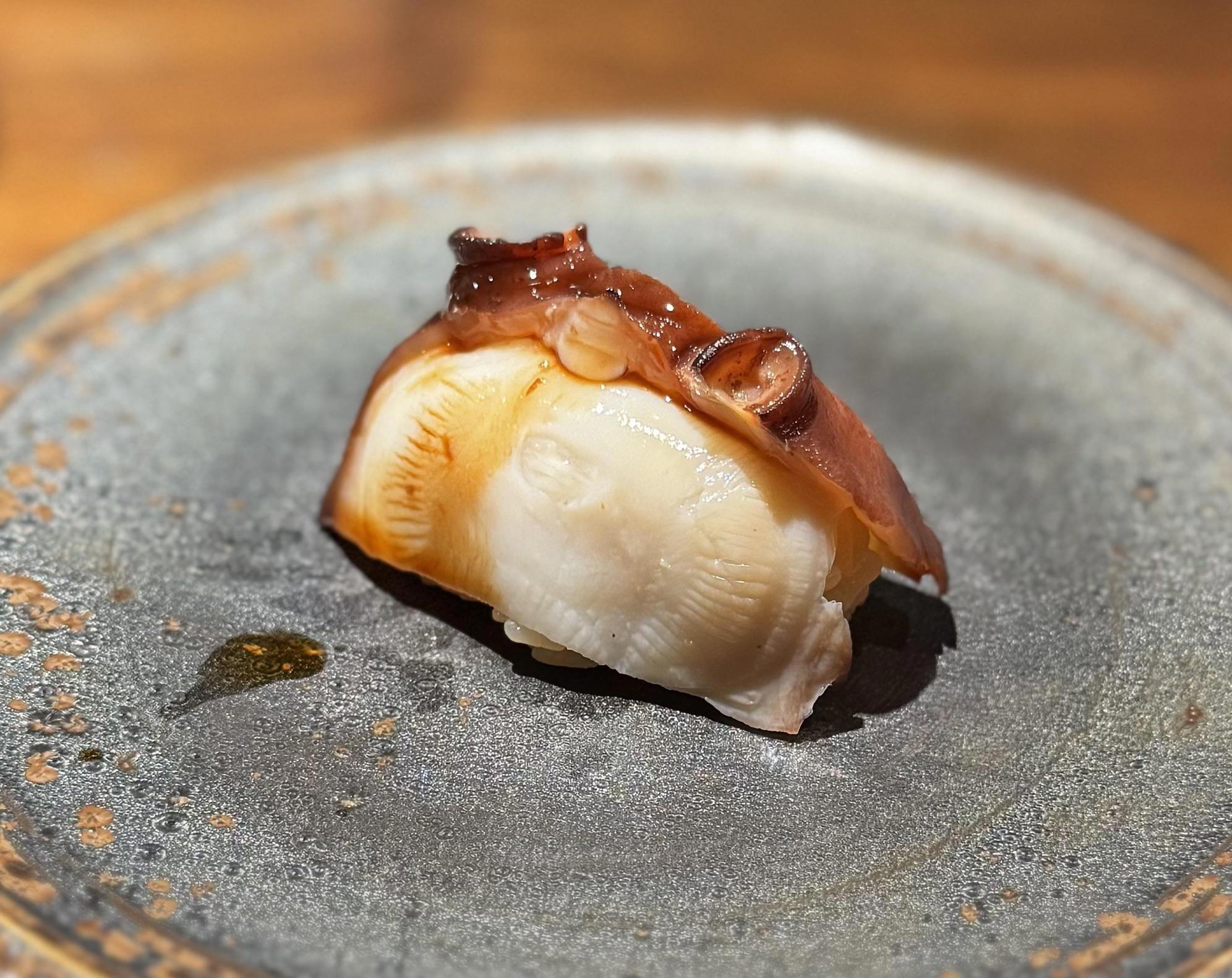
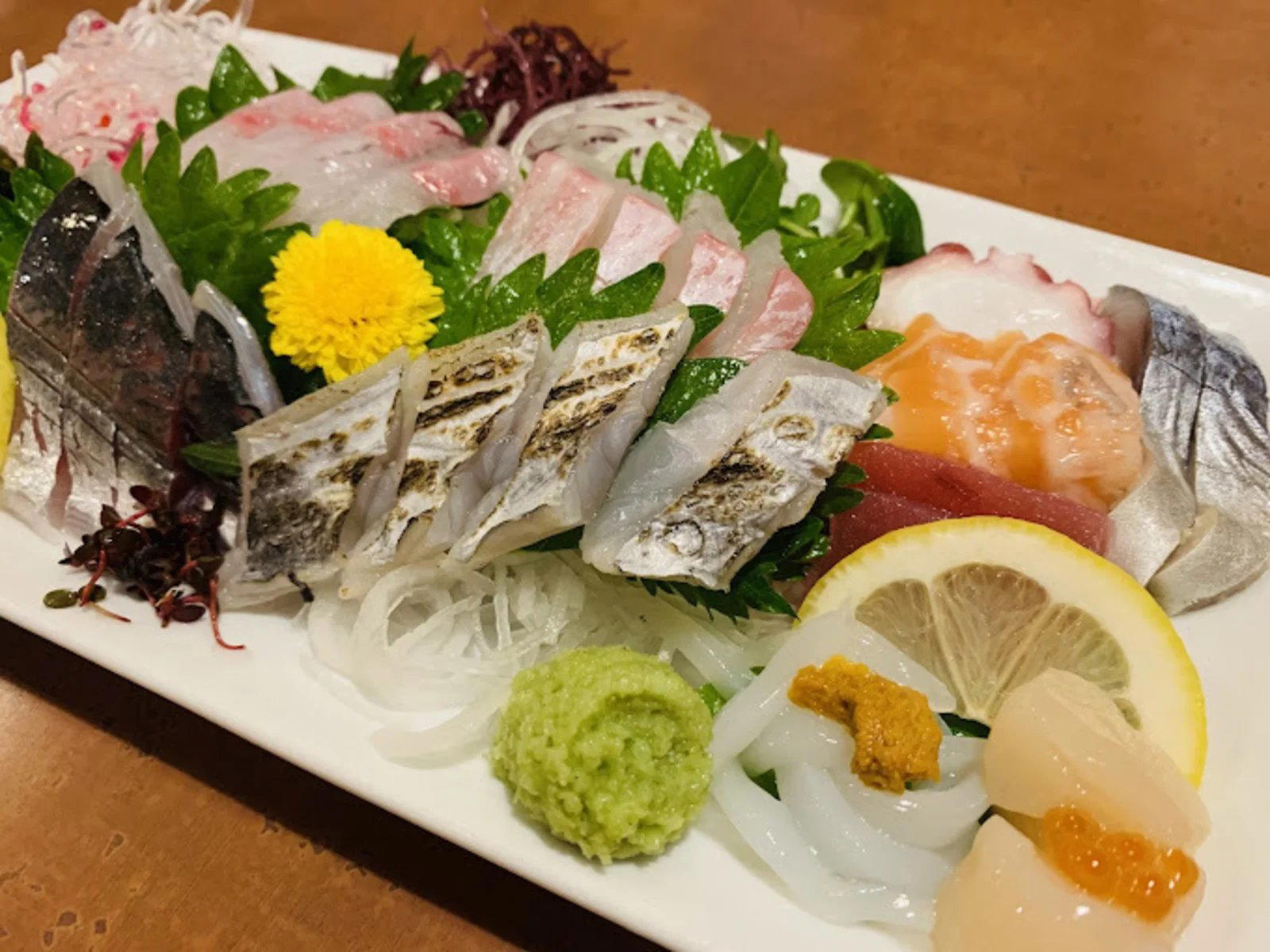
Aged fish showcase with serene dining and dashi.
Pearl is the En Primeur Club membership app — saves, bookings, and concierge access live there. Same editors, same standards.
- Address
- Japan, 〒730-0043 Hiroshima, Naka Ward, Fujimicho, 5−1 随木ビル 1階
- Phone
- +81822490957
- Website
- chisousottakuito.owst.jp
 Saves & bookings on Pearl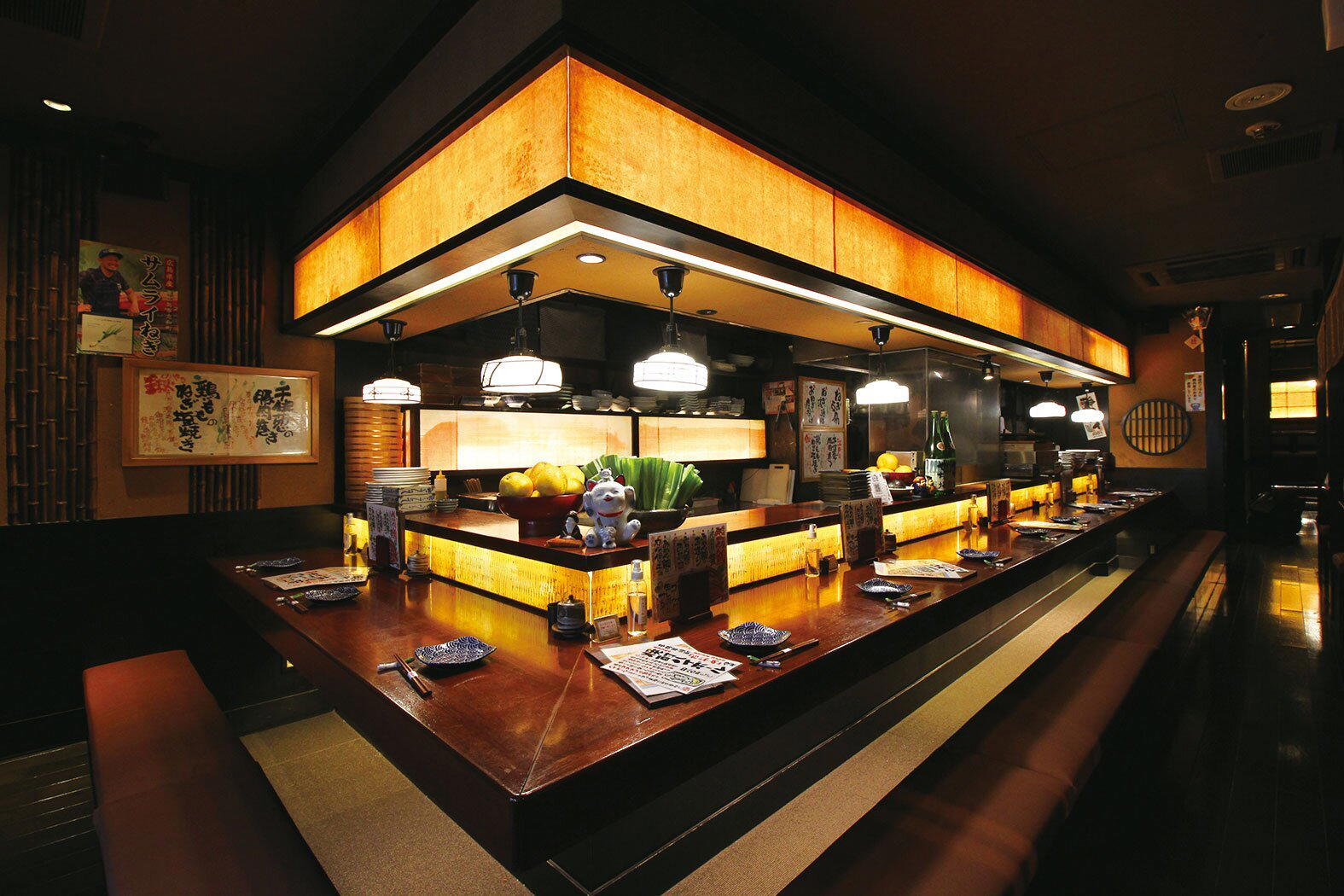
Fujimicho, Naka Ward: Where Hiroshima's Quieter Dining Register Operates
The Fujimicho stretch of Naka Ward occupies a particular position in Hiroshima's dining geography. It sits close enough to the city's commercial core to be accessible, yet far enough from the tourist corridors around Hondori and the Peace Memorial to attract a clientele that arrives with purpose rather than proximity. Restaurants here tend to operate at a lower volume, in both decibel and foot traffic, which suits the kind of meal that asks something of the person eating it. 馳走啐啄一十 sits within this district, at Japan, 〒730-0043 Hiroshima, Naka Ward, Fujimicho, 5−1 随木ビル 1階, a block that rewards knowing where you are going.
The Cultural Register of Japanese Dining at This Price Tier
To understand where a restaurant like Nakashima positions itself within Hiroshima's dining scene, it helps to understand what the city's mid-to-upper dining register actually looks like. Hiroshima is not short of serious Japanese cooking. The city's kaiseki tradition draws on Setonaikai produce, the Seto Inland Sea delivers fish, shellfish, and seasonal ingredients that inform menus across the prefectural capital. Oysters from Hiroshima Bay are among the most referenced in the country, and the city's proximity to the mountains of Chugoku provides vegetables and game that find their way onto considered menus throughout the year.
In this context, the restaurants operating in Naka Ward's quieter pockets often function as the serious practitioner tier: not the places that appear in tour group itineraries, but the ones that locals book weeks ahead because the kitchen is doing something that requires attention. What can be said with confidence is that its address and the building it occupies place it squarely in the part of Hiroshima where this kind of serious, focused cooking tends to cluster.
Comparison venues in the same city give useful orientation. Chiso Sottakuito and Eizan operate within the same general neighbourhood of refined Japanese dining. MASUKI occupies a Chinese register at the JPY 20,000 to 29,999 tier, offering a price-point anchor for what serious dining costs in this part of the city. CHILAN and Denko Sekka round out the set of restaurants that EP Club tracks in Hiroshima at the upper end of the dining tier. Together they define a cohort that treats the meal as the primary event, not a backdrop to something else.
The Tradition Behind the Format
Japanese restaurant culture has a concept that travel writing tends to flatten: the idea that a restaurant's identity is inseparable from its position in a craft lineage. This is most visible in sushi and kaiseki, where the chef's training provenance, the sourcing relationships, and the seasonal calendar are not marketing language but structural facts about what appears on the plate and when. The counter-format, where this kind of cooking most often happens, is itself a cultural technology: it collapses the distance between kitchen and guest, makes the cooking visible, and creates a pacing logic that multi-room restaurant formats cannot replicate.
What the address and district context suggest is that this is a restaurant operating within the tradition of specialist Japanese cooking rather than the izakaya or casual set-lunch register. That distinction matters for how a visitor should think about the booking, the timing, and the expectation they bring to the meal.
Across Japan, the restaurants that hold the most serious reputations tend to share certain structural traits: limited covers, a menu that changes with the season rather than the quarter, and a booking window that requires advance planning. Gion Sasaki in Kyoto and Harutaka in Tokyo represent this tier at its most recognised, each with Michelin credentials and booking timelines that can extend months out. HAJIME in Osaka and Goh in Fukuoka operate in similar registers in their respective cities. Nakashima's Hiroshima positioning places it in a peer conversation with restaurants at this level of seriousness,
Hiroshima as a Dining City, in Brief
Hiroshima's food identity is often reduced to two things, okonomiyaki and oysters, and while both are genuinely worth eating here (the Hiroshima-style okonomiyaki, built in layers rather than mixed, is a different thing from its Osaka counterpart), they represent the accessible surface of a city with real dining depth. The Setonaikai coastline and the agricultural hinterland of western Chugoku give Hiroshima kitchens access to a seasonal produce range that supports serious cooking year-round. Conger eel from the Inland Sea, fresh citrus from Onomichi, and mountain vegetables from the prefecture's interior all appear across Hiroshima's more serious restaurant menus.
Internationally referenced restaurants on EP Club's broader network, from Le Bernardin in New York City to Atomix in the same city, illustrate a global pattern where the most considered restaurants source within tight geographic radii and change their menus in response to what that geography produces week to week. Hiroshima's leading kitchens operate within this same logic, using the Seto Inland Sea as their primary pantry. Further afield, EP Club tracks restaurants across Japan operating in related traditions: 一本杉 川島酒店 in Nanao, 古仁屋山乃 in Sapporo, 湖邸蔵っ子 in Takashima, 羽根屋 in Nishikawa Machi, and Birdland in Sakai, each representing the distributed seriousness of Japanese regional cooking. Akordu in Nara offers a useful comparison point for how non-Japanese culinary frameworks are absorbed into Japan's regional dining scene.
Planning a Visit: What to Know Before You Go
Nakashima's address is Fujimicho 5-1, Naka Ward, Hiroshima 730-0043, in the Fujimi building on the fourth floor.Phone, website, and confirmed booking method are not available in public sources record for this venue, which means that advance booking is essential.For restaurants in this part of Hiroshima operating at the serious end of the dining spectrum, advance booking is standard practice.The city is manageable on foot from the central tram network, and Naka Ward is well-served by Hiroshima's streetcar lines, which connect to both the shinkansen station at Hiroshima and the Peace Memorial district.
Budget Reality Check
Comparable venues nearby, for context on price, style, and recognition.
| Venue | Cuisine | Price | Awards | Notes |
|---|---|---|---|---|
| 馳走啐啄一十This venue — the venue you are viewing | Naka, Seasonal Kaiseki Omakase | $$$$ | , | |
| Tori Yamamoto | $$$$ | Naka, Premium Yakitori & Jidori Chicken Omakase | ||
| Chisou Sottakuito (馳走啐啄一十) | Fujimicho, Naka Ward, Kaiseki | $$$$ | , | |
| Yakitori Takase | Naka, Premium Yakitori Course | $$$ | , | |
| Eizan | Naka, Seasonal Kaiseki Omakase | $$$$ | ||
| Tsukunejima | Naka, Traditional Japanese Tempura | $$ | , |
Continue exploring
More in Hiroshima
Restaurants in Hiroshima
Browse all →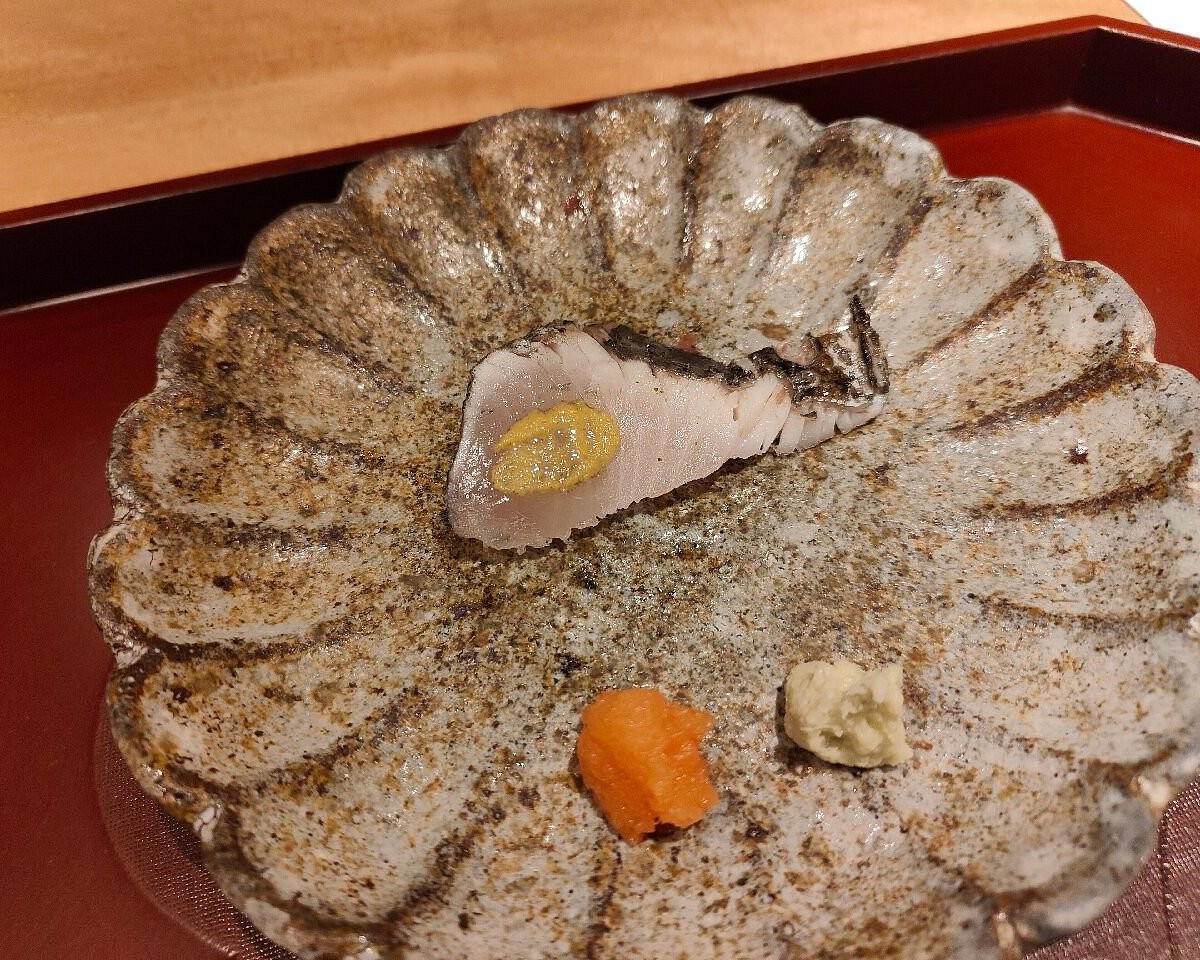
Bars in Hiroshima
Browse all →
At a Glance
- Intimate
- Elegant
- Sophisticated
- Special Occasion
- Date Night
- Chefs Counter
- Sake Program
- Local Sourcing
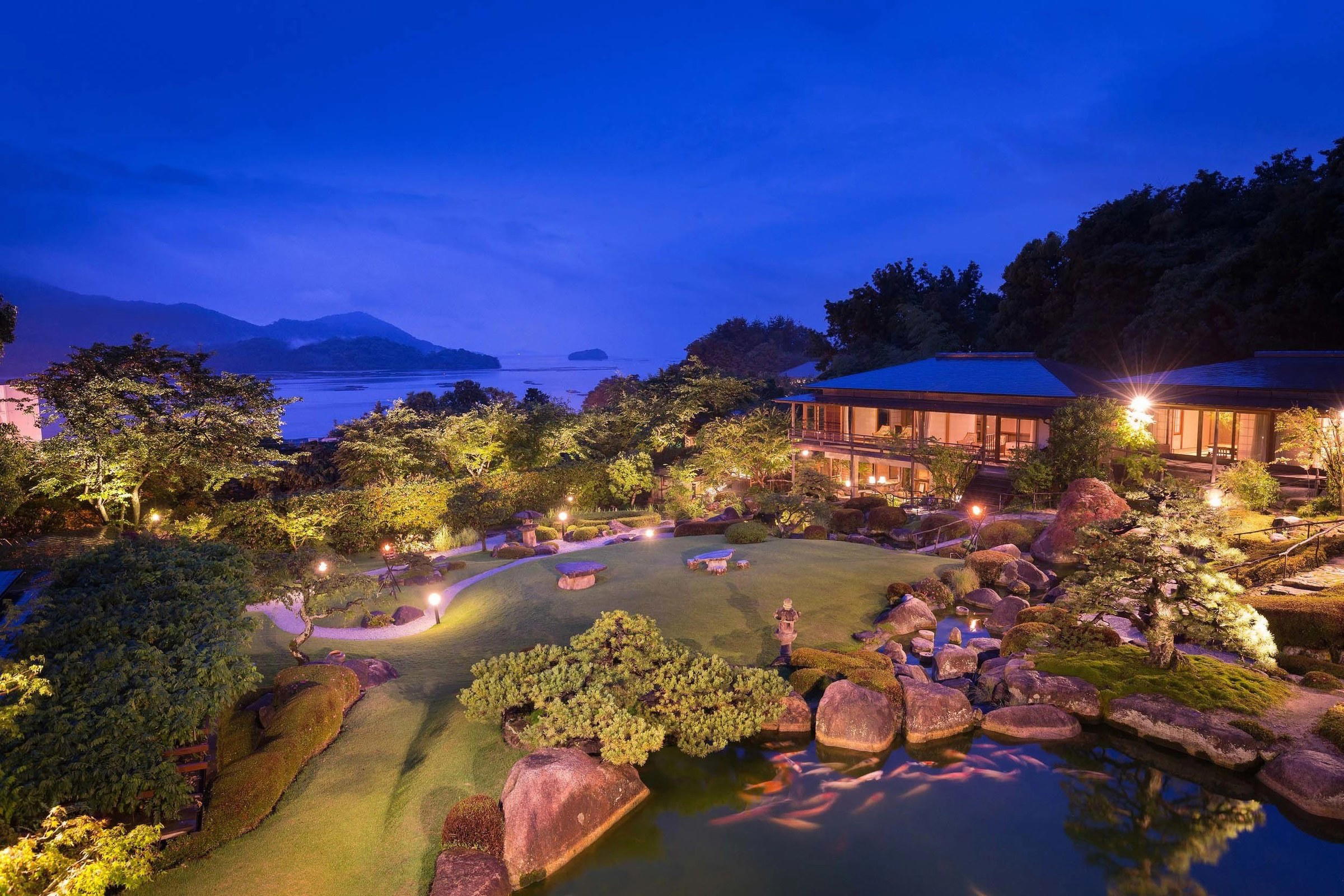
Dimly lit, serene atmosphere with focus on the chef's precise preparations at the counter.