
Tabelog Bronze #513
Our verdict
A reservation-only yakitori counter in Hiroshima's Naka Ward, Tori Yamamoto holds a Tabelog Score of 4.02 and has earned Tabelog Award Bronze 2026 recognition alongside consecutive selection for Tabelog Yakitori WEST Top 100 in both 2024 and 2025. Eleven seats across a six-seat counter and a private room for four to five guests frame an evening built around premium Nagoya Cochin and Omi Jidori chicken courses, served in two structured sessions nightly.

Pearl is the En Primeur Club membership app, where members save venues, book tables and use the concierge.
The menu
What to order
- Nagoya Cochin skewers
- Omi Jidori skewers
- Yakitori Course with Tosa binchotan charcoal grilled chicken
Where Yakitori Becomes a Structured Evening
Yakitori occupies a curious position in Japanese dining culture. At street level, it is festival food, convenience food, salary-man food: skewers eaten standing at a cart or perched on a plastic stool under a smoky grill. At its other extreme, it has evolved into a counter format as disciplined and deliberate as omakase sushi or kaiseki, where the sourcing of the bird, the seasoning of the binchotan coals, and the sequencing of cuts from neck to tail determine whether a reservation is worth the months-long wait. Hiroshima's Naka Ward sits within that upper tier of yakitori culture, and Tori Yamamoto, on the second floor of a building a short walk from the Hiroden tram lines, operates squarely in that register.
The address, on Ebisucho in Naka Ward, is convenient without being prominent. Two minutes from Hiroden Ginzancho Station and three minutes from Komachi Station, the location rewards those who are already looking for it rather than those who stumble past. No parking is available, which is consistent with the format: this is an evening that begins with the tram and ends with intention, not with a car boot.
The Cultural Weight Behind the Skewer
To understand why a yakitori counter in western Japan commands JPY 10,000 to JPY 14,999 per head at dinner, it helps to understand how the category arrived at that price point. For much of the twentieth century, yakitori in Japan was priced as working-class food, its respectability measured in proximity to train stations and izakaya signage rather than in sourcing credentials. The shift toward premium yakitori, driven by a small number of Tokyo and Osaka counters in the late 2000s and 2010s, was built on a single argument: that the chicken itself, when sourced from named regional breeds and prepared with the same attention given to wagyu or live-caught fish, could support a tasting format comparable to any other high-end Japanese genre.
The two breeds associated with premium yakitori in Japan are Nagoya Cochin, the oldest recognised native breed, prized for its fat distribution and firm texture, and Omi Jidori, a free-range chicken from Shiga Prefecture raised under strict welfare and feed protocols. Both breeds carry protected regional identities and command significant premiums over industrial poultry. Tori Yamamoto's use of both is a sourcing signal that places it in the same conversation as Tokyo's most-recognised yakitori counters. For those tracking how Japanese regional cities have absorbed and refined the food formats that Tokyo incubated, Hiroshima's presence in the Tabelog Yakitori WEST Top 100 for 2024 and 2025 is evidence of a westward diffusion that is still accelerating. Comparable premium yakitori trajectories can be observed in Fukuoka, where Goh in Fukuoka represents a different genre but a parallel ambition.
Eleven Seats and Two Sessions
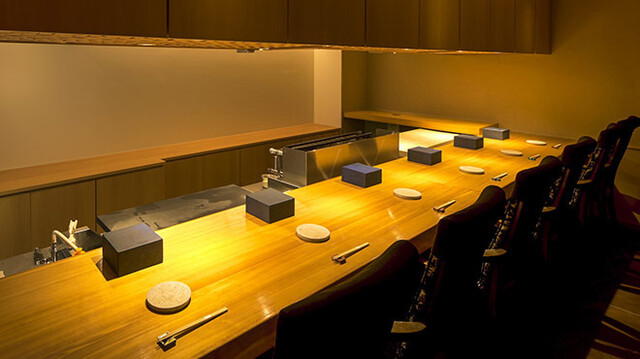
The format at Tori Yamamoto is built around scarcity and structure. Eleven seats in total, split between a six-seat counter and a private room for four to five guests, means that the kitchen is cooking for a small, fixed audience on any given evening. The two-session model is common among Japan's serious counter formats: the first session, from 18:00 to 20:00, requires arrival by 17:45, and the venue asks guests to arrive at least five minutes early as the session starts promptly. A second seating from 20:30 onward follows. This structure is less about turnover and more about kitchen control: every guest in the room is on the same course at roughly the same pace, which allows the grill to operate as a sequenced performance rather than a reactive service.
Private room, available for four to five guests and for full private hire, is a practical accommodation for those who want the quality without the counter dynamic. It also makes Tori Yamamoto a viable option for small business gatherings or occasions where the open kitchen is secondary to conversation. The non-smoking environment and the policy against strong fragrances (the reservation notes explicitly ask guests to refrain from wearing perfume) reflect a setting where the aromas of the grill are considered part of the experience. Minors are not admitted.
Awards as Context, Not Decoration
Tori Yamamoto holds a Tabelog Score of 4.02, which in the context of Japan's most-used restaurant review platform is a meaningful threshold. Tabelog scores are compressed at the leading: the platform's aggregate methodology means that a score above 3.8 already represents a strong performer, and scores above 4.0 correspond to a small fraction of listed restaurants nationally. The Tabelog Award 2026 Bronze designation places Tori Yamamoto within the formal recognition tier below Silver and Gold, but the repeated selection for the Yakitori WEST Top 100 in both 2024 and 2025 is arguably the stronger signal for category-specific credibility. The Top 100 list is genre-specific and regionally weighted, meaning it is evaluated against other yakitori counters in the western Japan bloc rather than against all genres. Within Hiroshima's broader high-end dining scene, which includes kaiseki at Nakashima, creative Japanese at Chiso Sottakuito, and the refined offer at Eizan, Tori Yamamoto occupies the only seat at the premium yakitori tier.
Across Japan's competitive high-end dining circuit, venues like Harutaka in Tokyo and HAJIME in Osaka illustrate how regional cities have built credible alternatives to Tokyo dominance in their respective genres. Hiroshima's growing recognition across categories, from NAKADO to MASUKI, suggests a city whose dining credentials extend well beyond its tourist profile. For a broader cross-section of what the city offers, our full Hiroshima restaurants guide maps the scene across cuisines and price points.
Planning the Visit
Reservations at Tori Yamamoto are required and should be made in advance, particularly for the six-seat counter where demand against capacity is tight. The venue accepts major credit cards (Visa, Mastercard, JCB, American Express, and Diners) but does not accept electronic money or QR code payments. The dinner spend falls in the JPY 10,000 to JPY 14,999 range based on review data, positioning the meal comfortably below premium kaiseki pricing at venues like Gion Sasaki in Kyoto or the highest-tier creative counters like akordu in Nara, while still occupying the upper register of what yakitori commands nationally. Thursday is the weekly closure day. The venue operates Sunday through Wednesday and Friday through Saturday, as well as public holidays and the days immediately before and after them, always from 18:00.
Transportation from the Hiroden tram network is the practical approach. Ginzancho Station is a two-minute walk; Komachi Station adds one minute. Hatchobori Station, a major interchange point, is six minutes away on foot. The second-floor location on Ebisucho in Naka Ward means the entrance requires attention, consistent with a venue that is not designed around walk-in traffic.
For those building a broader Hiroshima itinerary, EP Club also covers bars, hotels, wineries, and experiences across the city. For international reference points in the broader world of serious counter dining, Le Bernardin in New York City and Atomix in New York City each represent how structured tasting formats translate across cultural and culinary contexts. The comparison is instructive: 1000 in Yokohama provides an additional Japanese counterpoint for those tracing the evolution of high-end counter formats outside Tokyo.
Frequently asked questions
Where do I go for Tori Yamamoto?
Tori Yamamoto is located at Japan, 〒730-0021 Hiroshima, Naka Ward, Ebisucho, 2−25 2F, Hiroshima.
What distinctions does Tori Yamamoto have?
Tori Yamamoto has received recognition including:
What should I budget for a meal at Tori Yamamoto?
Pricing at Tori Yamamoto is listed as JPY 10,000 - JPY 14,999.
Similar Picks
Comparable venues nearby, for context on price, style, and recognition.
| Venue | Cuisine | Price | Awards | Notes |
|---|---|---|---|---|
| Tori YamamotoThis venue (the venue you are viewing) | Premium Yakitori & Jidori Chicken Omakase | $50–100 | Tabelog Bronze #513 | Not listed |
| Tenyoshi | Seasonal Tempura Omakase | $300–500 | Star Wine List | Naka |
| Kushi Dokoro Dochu | Yakitori & Kushiyaki Counter | $30–50 | Tabelog 100 #54 | Naka |
| Eizan | Seasonal Kaiseki Omakase | $150–200 | Tabelog Bronze #60 | Naka |
| 馳走啐啄一十 | Modern Japanese Omakase | $200–300 | Tabelog Silver #15 | Naka |
| Takanobashi Kiyotan | Traditional Japanese Izakaya with Omakase | $50–100 | Tabelog Bronze #186 | Naka |
Recognition history
Dated appearances from independent guides and award organizations, with the underlying list record or original source where available.
Tabelog Bronze #513
Tabelog
Full recognition history (2 entries)
Tabelog 100 #19 · No. 19
Tabelog · Tabelog 100 - Yakitori - WEST - 2025
Continue exploring
More in Hiroshima
Restaurants in Hiroshima
All restaurants in Hiroshima →
Bars in Hiroshima
All bars in Hiroshima →
Details
- Sophisticated
- Intimate
- Cozy
- Elegant
- Date Night
- Special Occasion
- Business Dinner
- Chefs Counter
- Open Kitchen
- Private Dining
- Sake Program
- Beer Program
- Corkage Allowed
- Local Sourcing
- Omakase
- Counter Dining
- A La Carte
- Set Menu
- Sake
- Craft Beer
- Allergy Accommodating
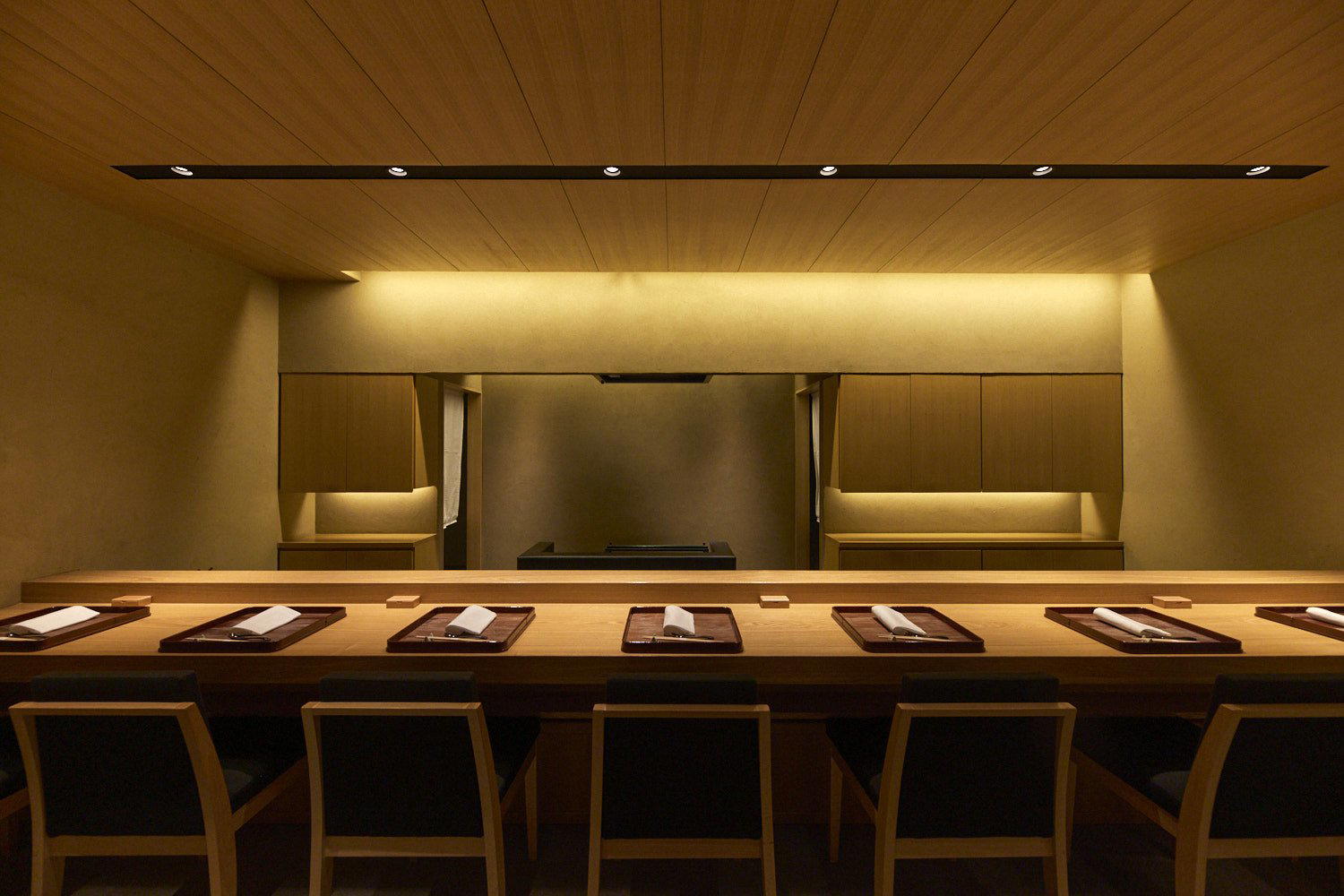
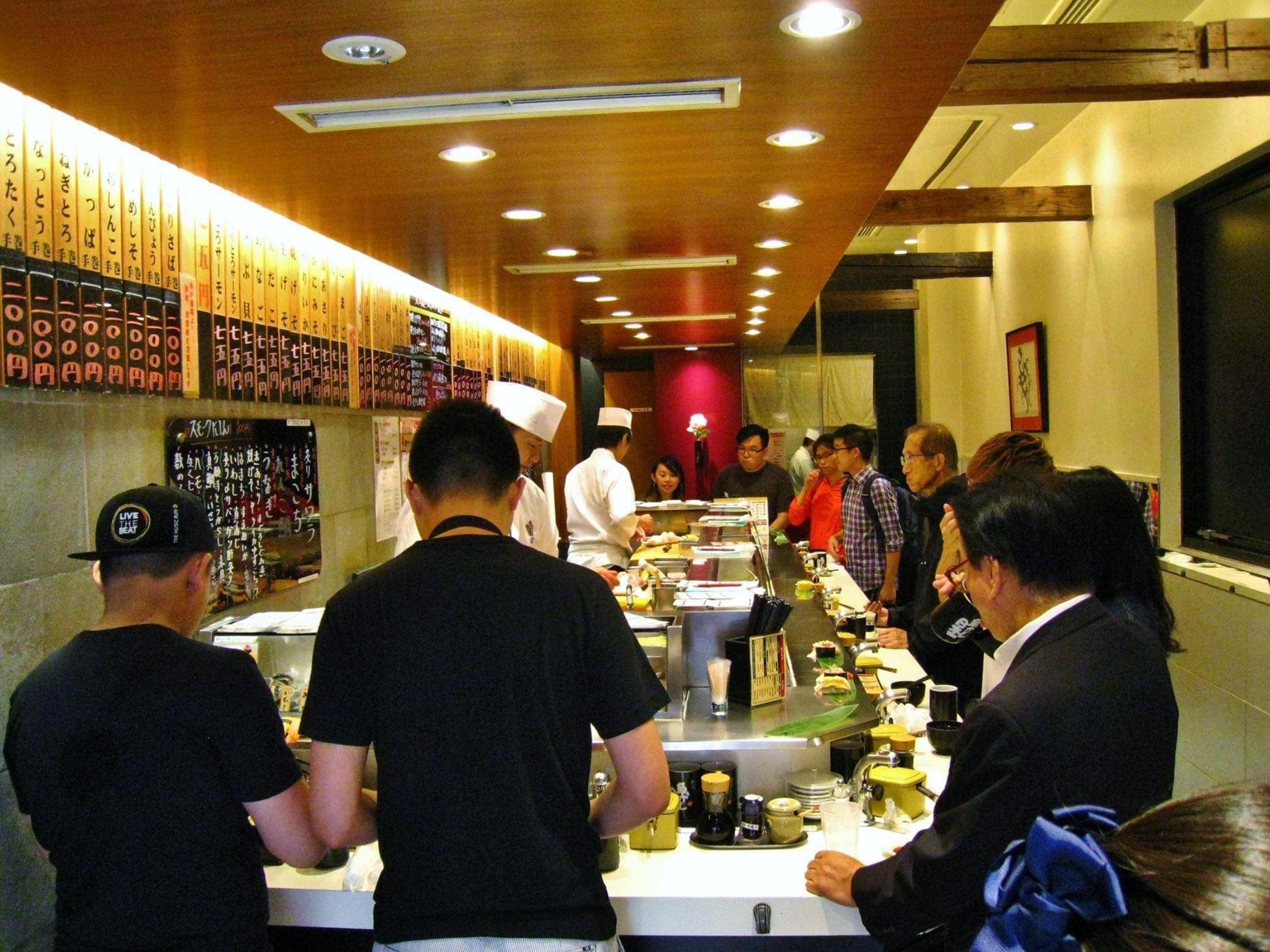
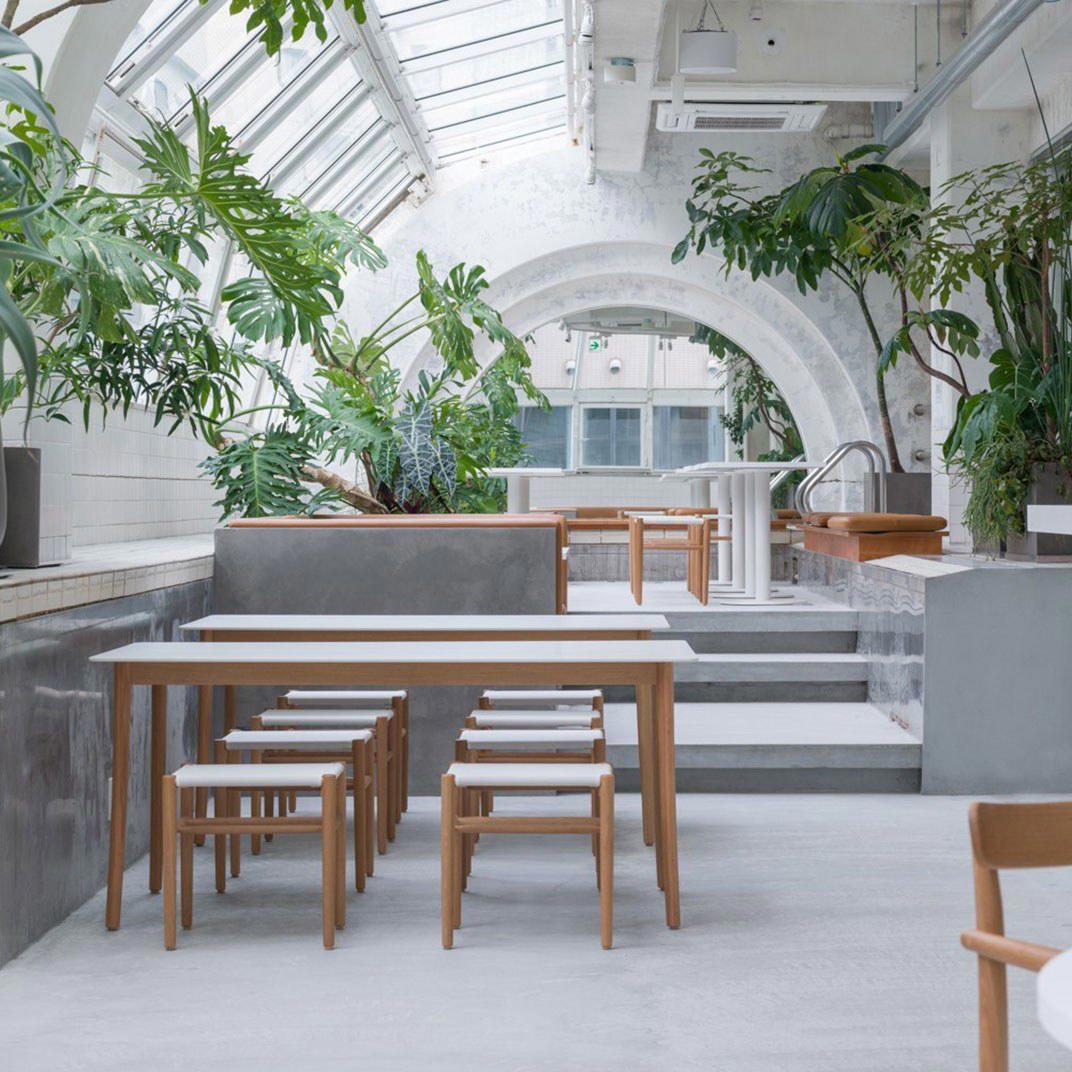
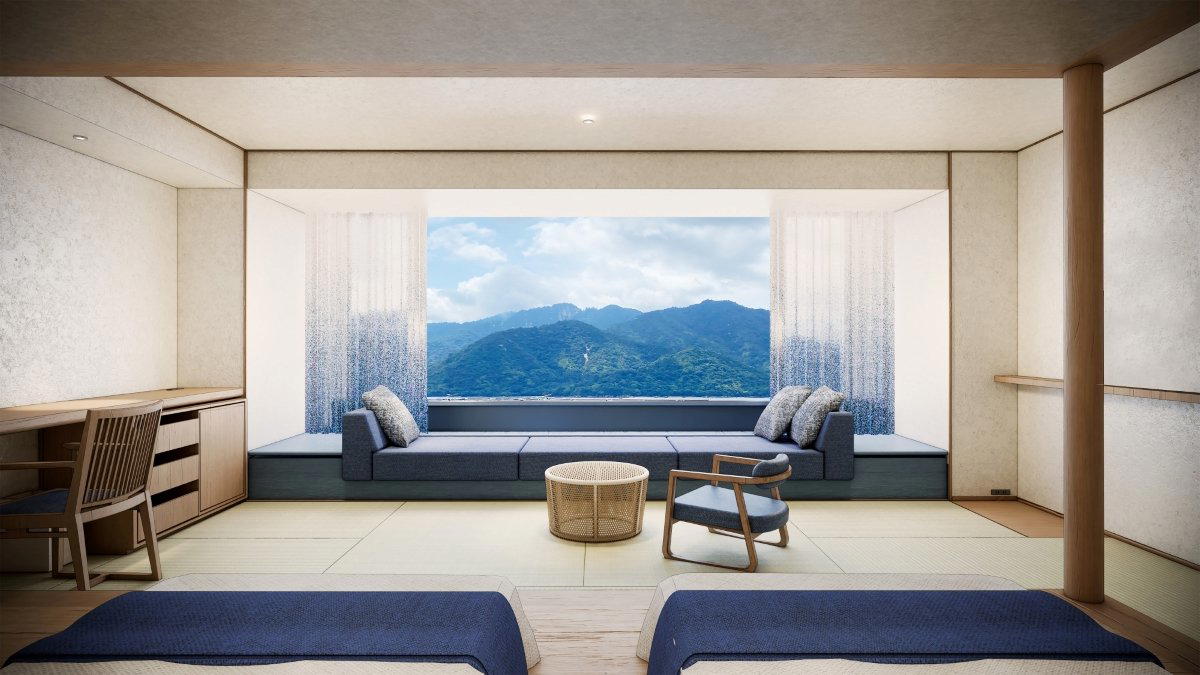
Calm and sophisticated interior with a refined, peaceful atmosphere featuring a lively counter with 6 seats and a private room, creating an intimate hideaway-style setting.