
Yakitori Takase puts Hiroshima’s Yagenbori nightlife district into a tighter, counter-led register: charcoal-grilled chicken, a 10-seat format, and a drinks list that reaches sake, shochu, and wine. Its selection for Tabelog 100 Yakitori WEST 2025 places it in a regional conversation that is more selective than the city’s casual skewer bars.
Pearl is the En Primeur Club membership app — saves, bookings, and concierge access live there. Same editors, same standards.
- Address
- 2-7 Yagenbori, Naka Ward, Hiroshima, 730-0027, Japan
- Phone
- +81 82-909-9830
- Website
- instagram.com
 Saves & bookings on Pearl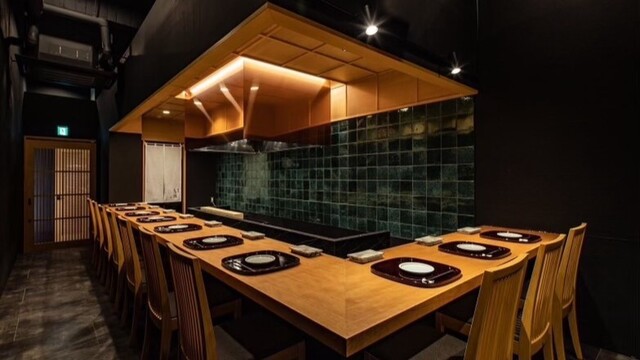
Yagenbori changes after dark. Its narrow streets carry Hiroshima’s evening economy: small counters, late dinners, after-work drinking, and restaurants defined by scale rather than spectacle. Yakitori fits because it is compact, immediate, and social: cooking happens close to the guest, the grill sets the pace, and the room leaves little space for decorative theatre.
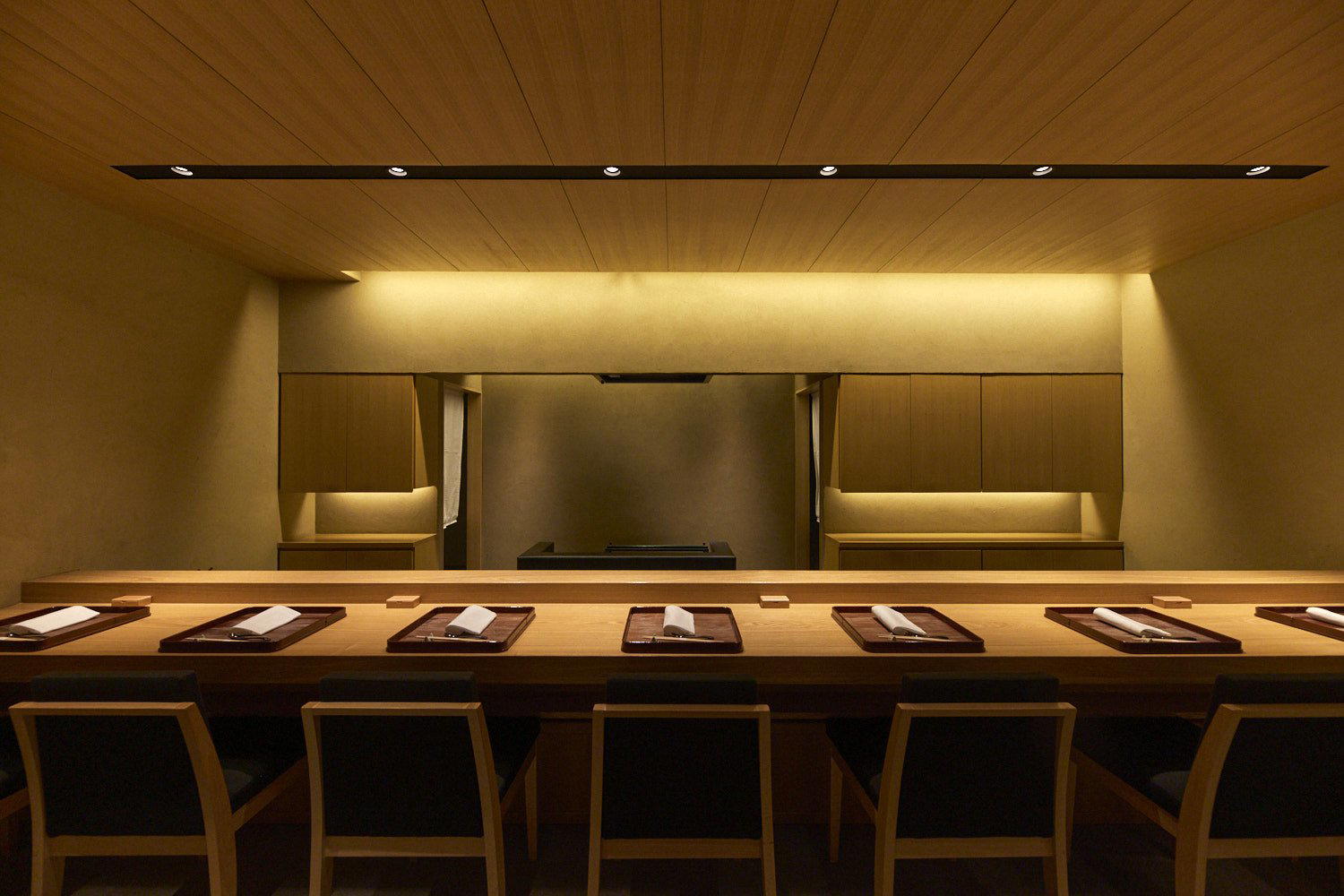
Yakitori Takase sits at the smaller end of Hiroshima dining. Its 10-seat counter matters more than any generic cuisine label. In a compact yakitori room, dinner is built not from independent choices but from sequencing, heat control, and the relationship between smoke, salt, tare, and poultry cuts. Hiroshima ranges from creative tasting-menu cooking at Akai (Creative Cuisine) to European-influenced bakery culture at ANDERSEN, but Yagenbori’s appeal is compressed: close-quarters dinner after the city shifts from sightseeing to drinking.
Yagenbori gives the counter its edge
Place matters. Yagenbori and nearby Nagarekawa form one of Hiroshima’s principal night districts, shaping how a yakitori counter reads. The genre sits naturally among bars, izakaya, and compact restaurants because it rewards proximity between cook and diner. Skewers do not benefit from a hidden dining-room procession; they need visible fire, a rhythm that can accelerate or pause, and drinks that understand salt and smoke.
A small counter here feels different from a suburban grilled-chicken restaurant or hotel dining room. The format is urban and adult, with limited seats and no private rooms. Family dining is not the point; high school age and above is the stated threshold. The non-smoking policy signals serious yakitori’s contemporary direction in Japan: traditional charcoal cooking without assuming smoke-filled rooms are part of the bargain.
The Hiroshima comparison helps. Shunrai sits at a lower dinner band, while Fumi Chan Nagarekawa ten and Seichan reflect the accessible, everyday side of local eating. Tomisuke and ルペール occupy the same city conversation in name, but the clearer distinction is structural: a 10-counter-seat yakitori room competes on control and scarcity, not breadth. Yakitori Takase’s selection for Tabelog 100 Yakitori WEST 2025 gives it a regional credential in a category where reputation is built seat by seat, not through large dining rooms.
Charcoal chicken in the regional award tier
Yakitori has become premium across Japan because it turns modest ingredients into a test of technique. It looks simple only from a distance. Serious counters judge doneness cut by cut, season with restraint, and pace leaner, fattier, and more mineral pieces so they do not flatten into repetition. Chicken is not one texture: breast, thigh, skin, cartilage, liver, and meatballs each need different handling, and the appeal lies in controlled variation.
At Yakitori Takase, the public category is yakitori and chicken dishes, and the drinks direction is telling: sake, shochu, and wine are offered, with particular attention to sake. That places it in the newer premium yakitori lane, where the counter is not just a beer-and-skewer stop but a composed dinner format. Wine is not decorative here; acidity and structure can suit char, fat, and tare, while sake remains the more culturally fluent partner for salt-grilled cuts and offal.
The restaurant opened in 2024 and appeared on the 2025 Tabelog 100 Yakitori WEST list soon after. That timing matters, not because a list replaces judgment, but because yakitori recognition in western Japan is crowded with long-running counters and local loyalties. A 3.73 Tabelog score adds another public benchmark, especially in Japan, where scores cluster lower than many international diners expect. The point is not numerical theatre; the counter entered the regional yakitori conversation quickly.
For travellers mapping Hiroshima meals, this differs from the city’s broader anchors. Bishu Bikou Hamai speaks to a drinks-led Japanese dining register, CHILAN to another strand of the restaurant mix, and Butter Cake no Nagasaki Do to Hiroshima’s confectionery habits. The restaurant is narrower, and that narrowness is the argument: one counter, a focused grill, and a night-district address.
How to read the format before choosing it
This is not the Hiroshima choice for diners wanting a sprawling menu, young children at the table, or a flexible drop-in dinner. It is a reservation-only counter for people who value a controlled format and are comfortable letting the grill define the evening. Published dinner spend is JPY 8,000 to JPY 9,999, with review-based spending shown higher, placing it in the premium casual tier rather than the everyday izakaya bracket.
The seating pattern reinforces that. Service runs through defined evening sessions, including earlier seatings and a later second session. In a 10-seat room, lateness and indecision affect the whole counter. Payment is modern by Japanese small-restaurant standards: major credit cards and transport IC cards are accepted; QR code payments are not. Parking is unavailable, fitting the area: this is a tram-and-walk, taxi, or central-nightlife dinner, not a drive-in plan.
Hiroshima visitors building a fuller itinerary should treat the meal as one precise part of the city, not a universal answer. For dining breadth, use Our full Hiroshima restaurants guide; for where to stay around the evening economy, see Our full Hiroshima hotels guide; for after-dinner drinking, Our full Hiroshima bars guide gives the next layer. The wider regional frame also matters: Our full Hiroshima wineries guide and Our full Hiroshima experiences guide show how the city reads beyond dinner.
On Japan’s wider dining map, the counter belongs to a movement of specialized, compact formats. The same appetite for focused concepts appears in places as different as -Grilled beef Sukiyaki- KAMAKURA TANUKIAN 鎌倉 たぬき庵 in Kamakura, 鮪と炭火焼き うお炭 秋葉原店 in Tokyo.cafe in Osaka.know in Kumamoto, (Shoku) Vietnam in Kawasaki, and [Curry Senmon Ten] Maruyama Kyoju. in Sapporo. Across the Pacific, Japanese drinking and casual-food formats translate differently at Jōdo Saké Bar in Los Angeles and Onigiri Time in Pasadena. Hiroshima’s version is less about export than compression: charcoal, counter, and Yagenbori’s late-night discipline.
The Short List
Comparable options at the same price tier.
| Venue | Cuisine | Price | Notes |
|---|---|---|---|
| Yakitori TakaseThis venue — the venue you are viewing | Naka, Premium Yakitori Course | $$$ | Not listed |
| Akai | Not listed | $$$$ | Miyajimaguchi, Hatsukaichi, Innovative Japanese-French Omakase (“AKAI cuisine”) |
| Shunrai | Naka, Teppanyaki Steak & Seafood | $$$ | Not listed |
| Tsukunejima | Naka, Traditional Japanese Tempura | $$ | Not listed |
| Denko Sekka (電光石火) | Not listed | $$ | Hiroshima Station area, Hiroshima-style Okonomiyaki |
| Horumon Ryori Senmonjo Toneya | Not listed | $$ | Naka, Traditional Hiroshima horumon & yakiniku |
Recognition history
Dated appearances from independent guides and award organizations, with the underlying list record or original source where available.
Tabelog 100 #7 · No. 7
Tabelog · Tabelog 100 - Yakitori - WEST - 2025
Continue exploring
More in Hiroshima
Restaurants in Hiroshima
Browse all →
Bars in Hiroshima
Browse all →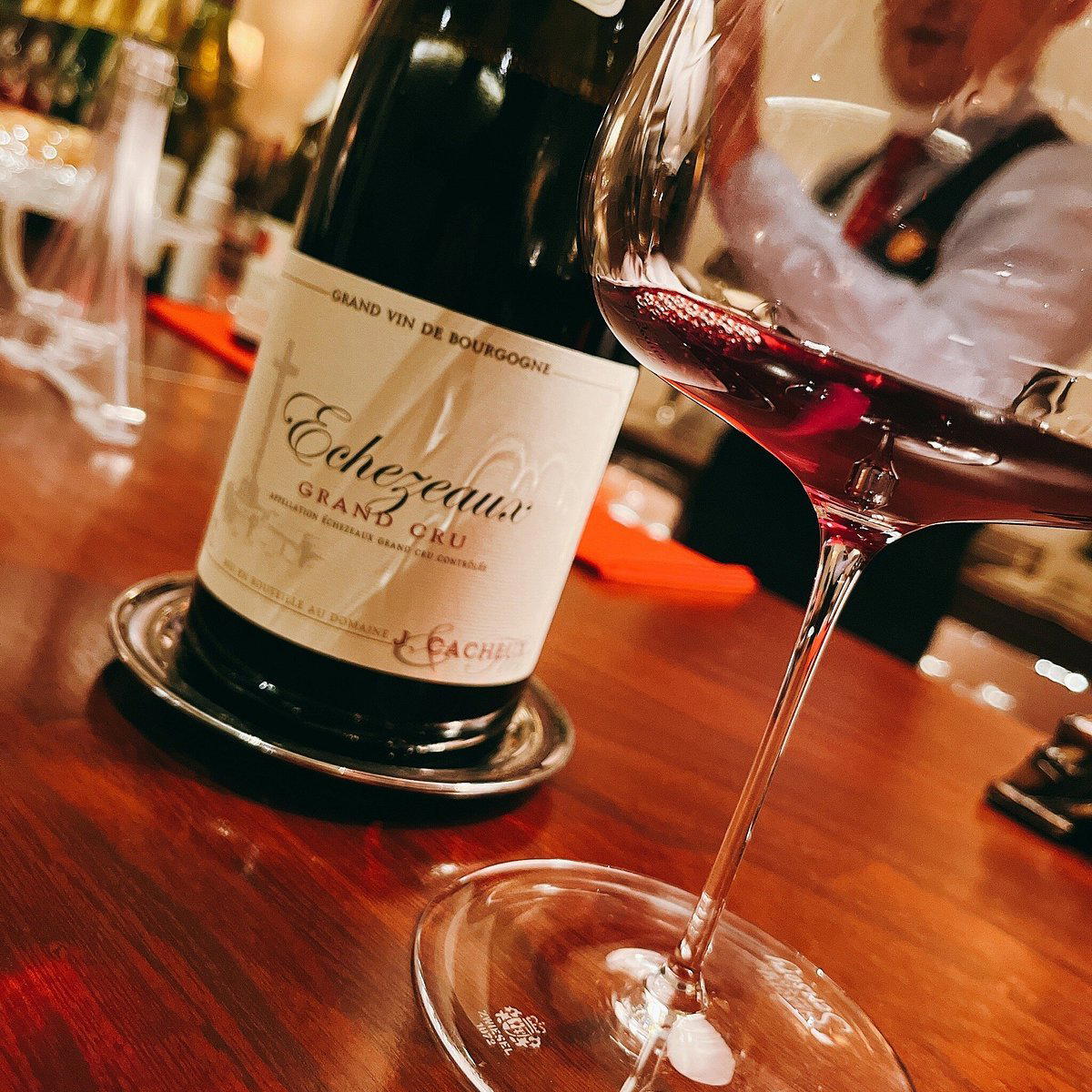
At a Glance
- Intimate
- Cozy
- Date Night
- Casual Hangout
- Late Night
- After Work
- Solo
- Chefs Counter
- Standalone
- Sake Program
- Beer Program
Current opening hours
- Monday
- 6–11 PM
- Tuesday
- 6–11 PM
- Wednesday
- 6–11 PM
- Thursday
- 6–11 PM
- Friday
- 6–11 PM
- Saturday
- 6–11 PM
- Sunday
- 6–11 PM
Hours can change for holidays and private events. Last verified .
An intimate, counter-focused yakitori spot with a calm, conversation-friendly atmosphere, emphasizing careful grilling and a small, reservation-only setting.